
Britain's tallest spire
123 metres of stone added around 1320 bent the piers beneath it, and both the lean and the spire have held ever since.
Andrew Dunn (Website: http://www.andrewdunnphoto.com/) — CC BY-SA 2.0 · Photograph by Mike Peel (www.mikepeel.net). — CC BY-SA 4.0 · Minnie Bannister — CC BY-SA 4.0 · 14GTR — CC0
Salisbury has the tallest church spire in Britain: 123 metres of tapering stone hoisted up around 1320 onto a church that had only just been finished, loading the crossing piers with far more weight than they were designed for. They bent. They are still bent, and still standing, seven centuries later. The building beneath went up between 1220 and 1258 — thirty-eight years, startlingly fast by cathedral standards — so unlike the great European churches that accumulated centuries and changing tastes, Salisbury reads inside as a single sustained idea. It is the cleanest surviving example of Early English Gothic anywhere. The real treasure is not in the nave but next door in the Chapter House: an original 1215 Magna Carta, one of only four to survive and the best preserved of them. Brace yourself for the scale. It is a single sheet of parchment in cramped brown script, dimly lit in a case, and nothing about its appearance announces what it is. The interpretation panels around it earn your time more than the document does to the naked eye. Back in the nave stands a wrought-iron mechanical clock of around 1386, faceless and handless because it was built to strike bells rather than be read, and widely described as the oldest working clock in the world. It is still ticking in front of you. The Close around the cathedral is the largest in England, free to wander, and lined with Georgian houses and the Salisbury Museum. If you have twenty minutes to spare, follow the Town Path west into the water meadows: from there the spire rises over grass and river exactly as Constable painted it, and it is the best photograph of your day, at no cost at all. Adult admission is £14.50 at the door, or £12.50 booked online, under-12s free, and the ticket stays valid for a year of repeat visits. Opening is Monday to Saturday 9:30 to 17:00 with last entry at 16:15; Sunday is 12:30 to 16:00 only, the mornings belonging to worship. The Chapter House and its Magna Carta open half an hour after the cathedral, at 10:00. This is a working church, so parts of it can close for a service — check the closures page before you set off. The nave is flat and step-free, so a pushchair is no trouble; the Tower Tour (332 steps to 68 metres, about 90 to 105 minutes, £25 including cathedral entry) requires a minimum age of 7, a minimum height of 1.2 metres and an advance booking, as places are limited. The station is a fifteen-minute walk away, London Waterloo is about an hour and a half by direct train, and Stonehenge is about 15 km north — pairing the two in one day is the obvious plan.
123 metres of stone added around 1320 bent the piers beneath it, and both the lean and the spire have held ever since.
The Chapter House holds one of just four surviving 1215 originals, the best preserved of them, and far smaller than you expect.
A twenty-minute walk west into the water meadows gives you the finest shot of the spire without a ticket.
The Close, Salisbury SP1 2EJ
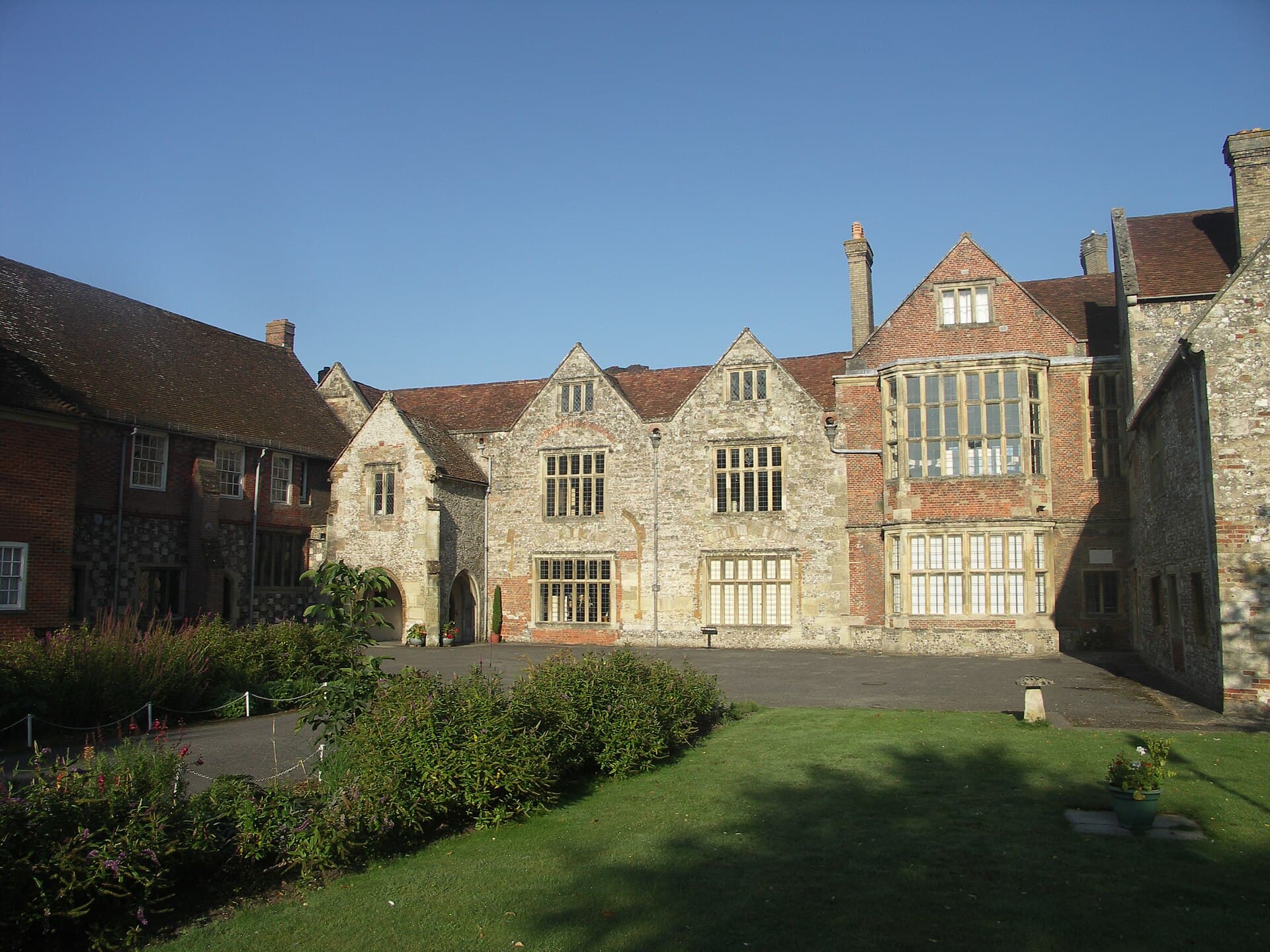 The Salisbury MuseumIn a case here lies a man buried a few miles from Stonehenge roughly 4,300 years2 minutes walk
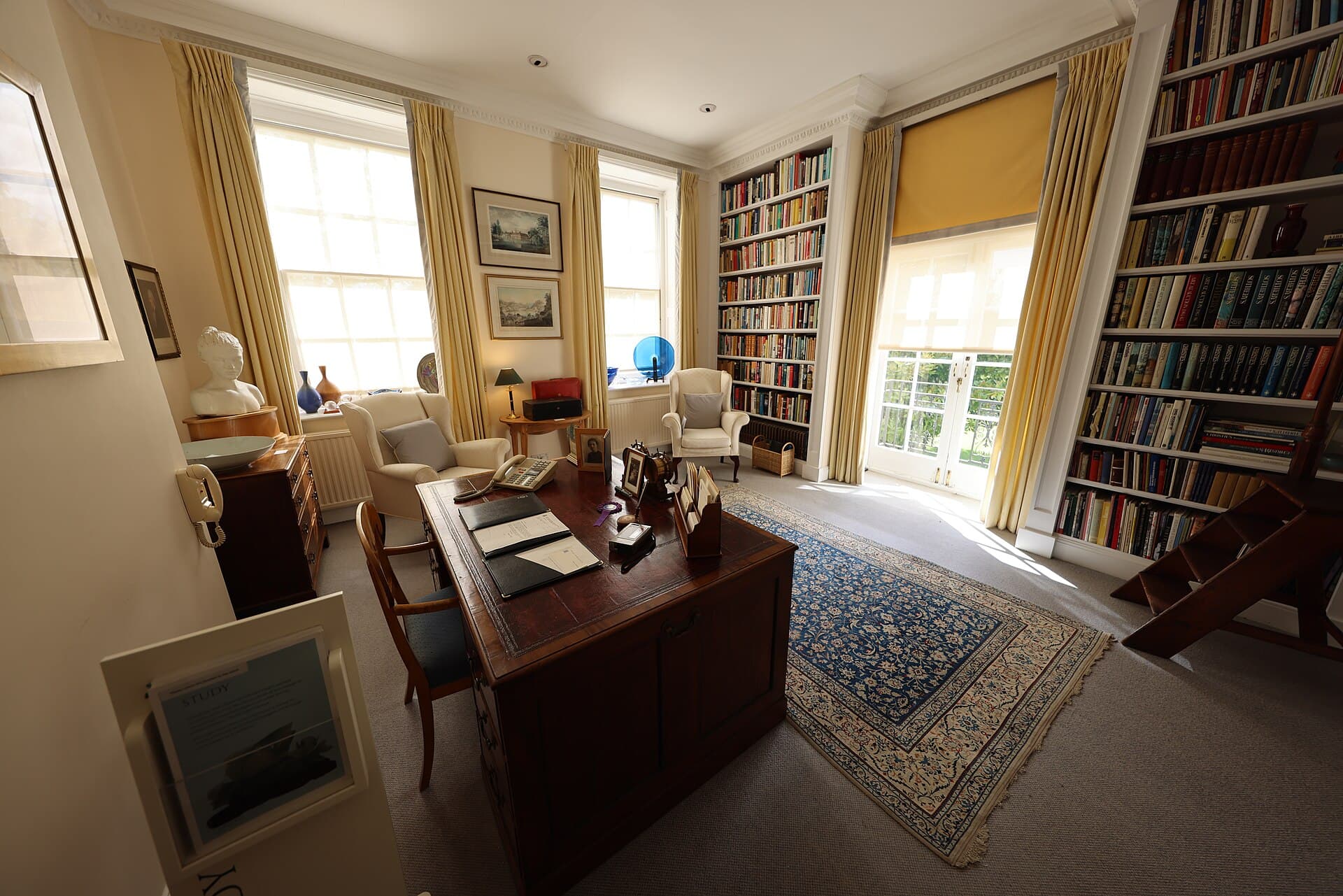 ArundellsIn a quiet house inside Salisbury's Cathedral Close, Sir Edward Heath's Steinway3 minutes walk
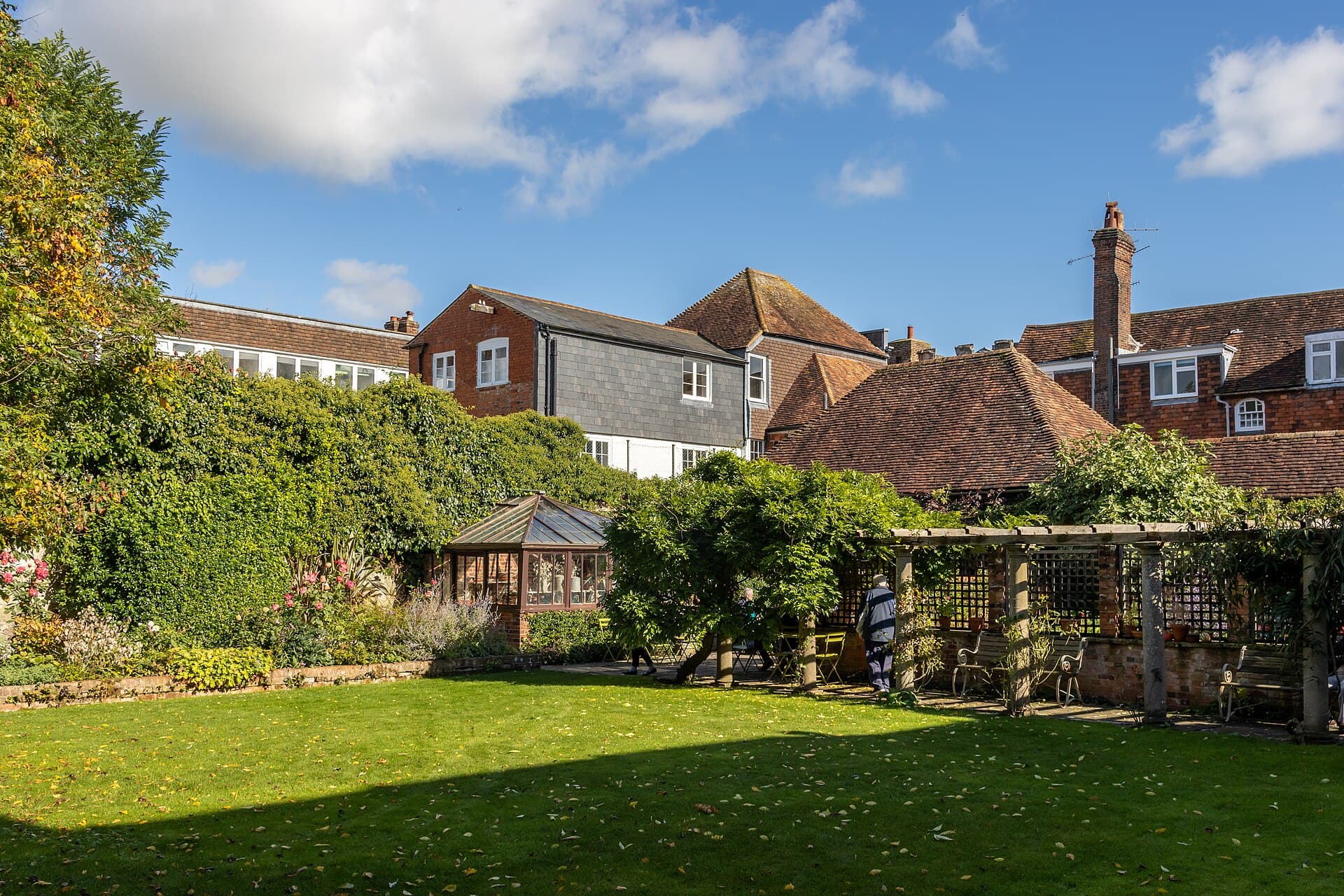 Mompesson HouseThe quiet grey front on Choristers' Green gives nothing away. Behind it are plas3 minutes walk
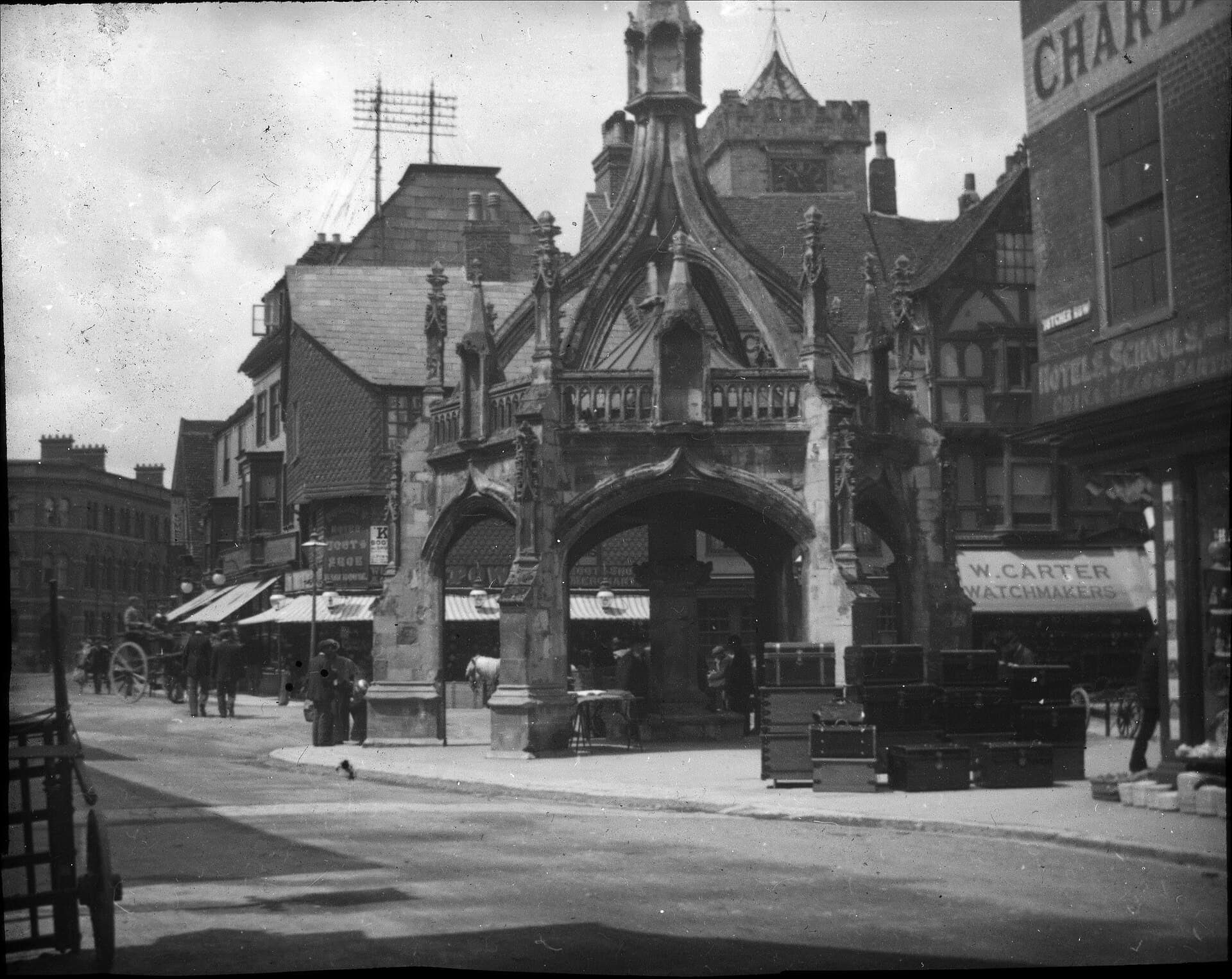 Poultry CrossMedieval Salisbury had four market crosses, one for each trade: cheese, wool, li6 minutes walk
Yes, and honestly many visitors find the cathedral the more rewarding of the two: the stones are viewed from behind a rope at a distance, whereas here you walk into the building. They are only about 15 km apart, so the sensible order is the cathedral in the morning and Stonehenge after lunch, in one day.
Only if you are reasonably fit and untroubled by tight spaces: it is 332 steps up narrow spiral stairs, with a minimum age of 7 and a minimum height of 1.2 metres, so young children are out. The payoff is real — the medieval roof space and a view over the plain from 68 metres — but with small children in tow, send one parent up or skip it altogether.