
A maze of vaults
Dark stone passages.
Jklamo — CC BY-SA 4.0 · Jklamo — CC BY-SA 4.0 · Charchay — CC BY-SA 4.0 · Jklamo — CC BY-SA 4.0 · Charchay — CC BY-SA 4.0 · Wolchief — CC BY-SA 4.0 · Cool Chaine — CC BY-SA 4.0 · Jklamo — CC BY-SA 4.0
A series of underground vaulted chambers built in the early eighteenth century by order of Sultan Moulay Ismail inside his Meknes kasbah. Popular accounts describe it as a vast prison holding thousands of captives, mostly Europeans taken at sea, which is why some call it the Prison of the Christians. Most scholars, however, believe it was originally a huge underground storage space for the royal kasbah, and that the story of the great prison is exaggerated. Accounts of its name vary, one crediting a captive Portuguese architect who designed it in exchange for his freedom, another a bald guard. You go down a stairway from an open courtyard into a maze of dark stone passages and vaults stretching in every direction, lit only through small openings in the ceiling, with a mysterious atmosphere that sparks the imagination. Only a small part can be visited, as the further passages have been sealed. Admission is about sixty dirhams according to 2026 guides. It is dark and cool inside, so watch your step. It is close to the Mausoleum of Moulay Ismail, so pair the two in one visit.
Dark stone passages.
Through ceiling openings.
Fact or myth?
Inside the Ismaili kasbah, near the Mausoleum of Moulay Ismail, Meknes
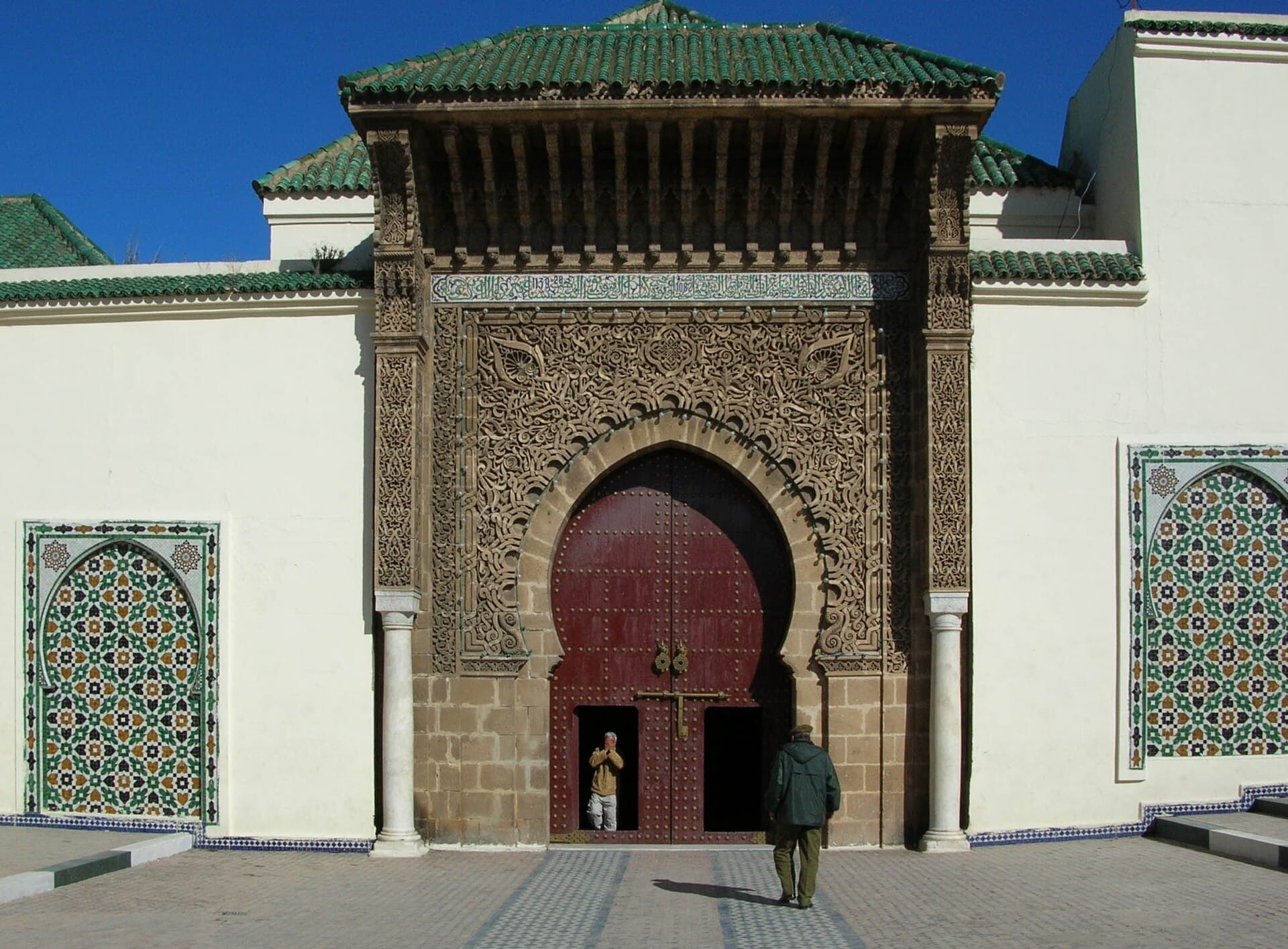 Mausoleum of Moulay IsmailA funerary complex holding the tomb of Sultan Moulay Ismail, who ruled Morocco f2 minutes walk
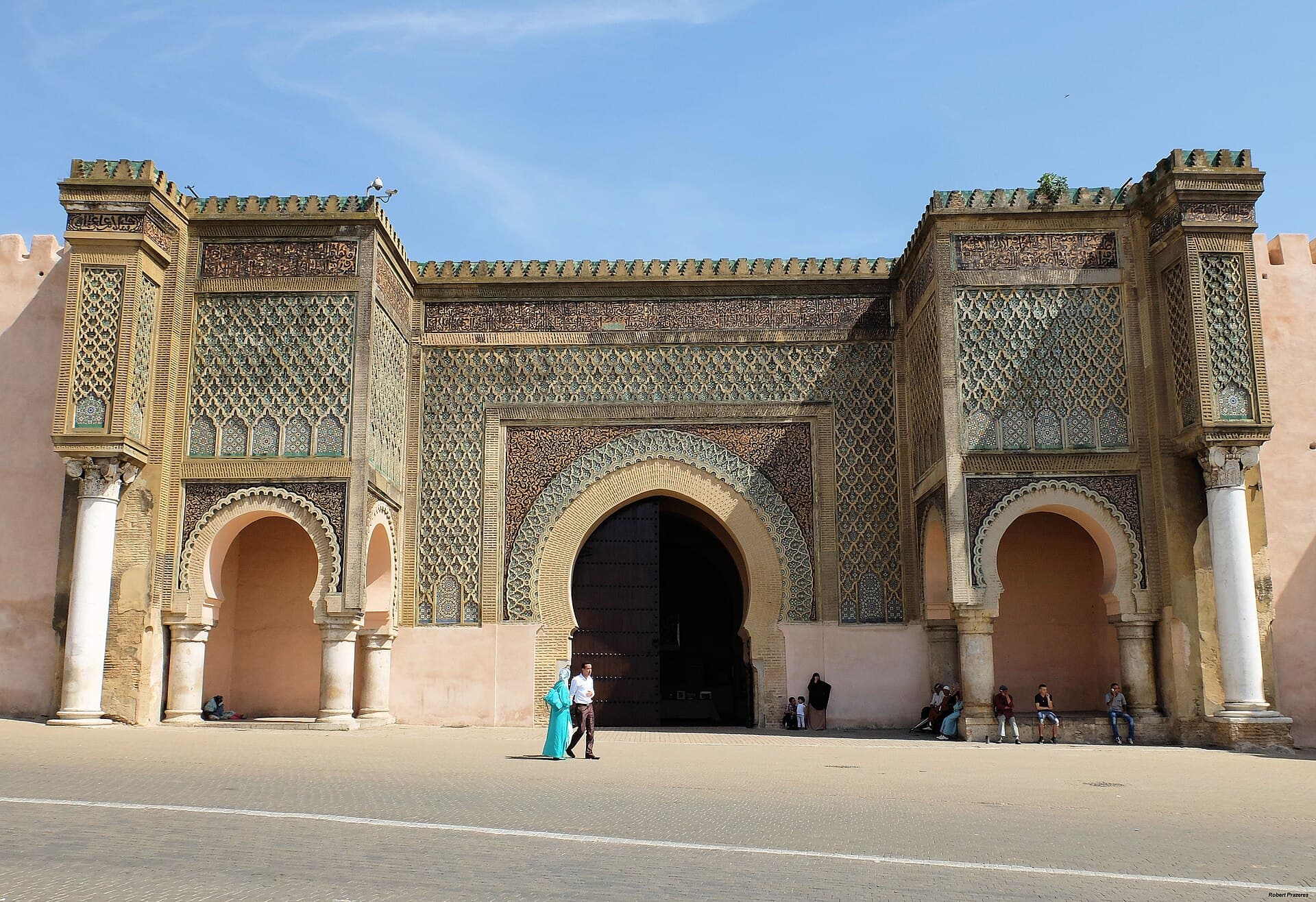 Bab MansourThe most famous and beautiful gate of Meknes and one of the finest historic gate2 minutes walk
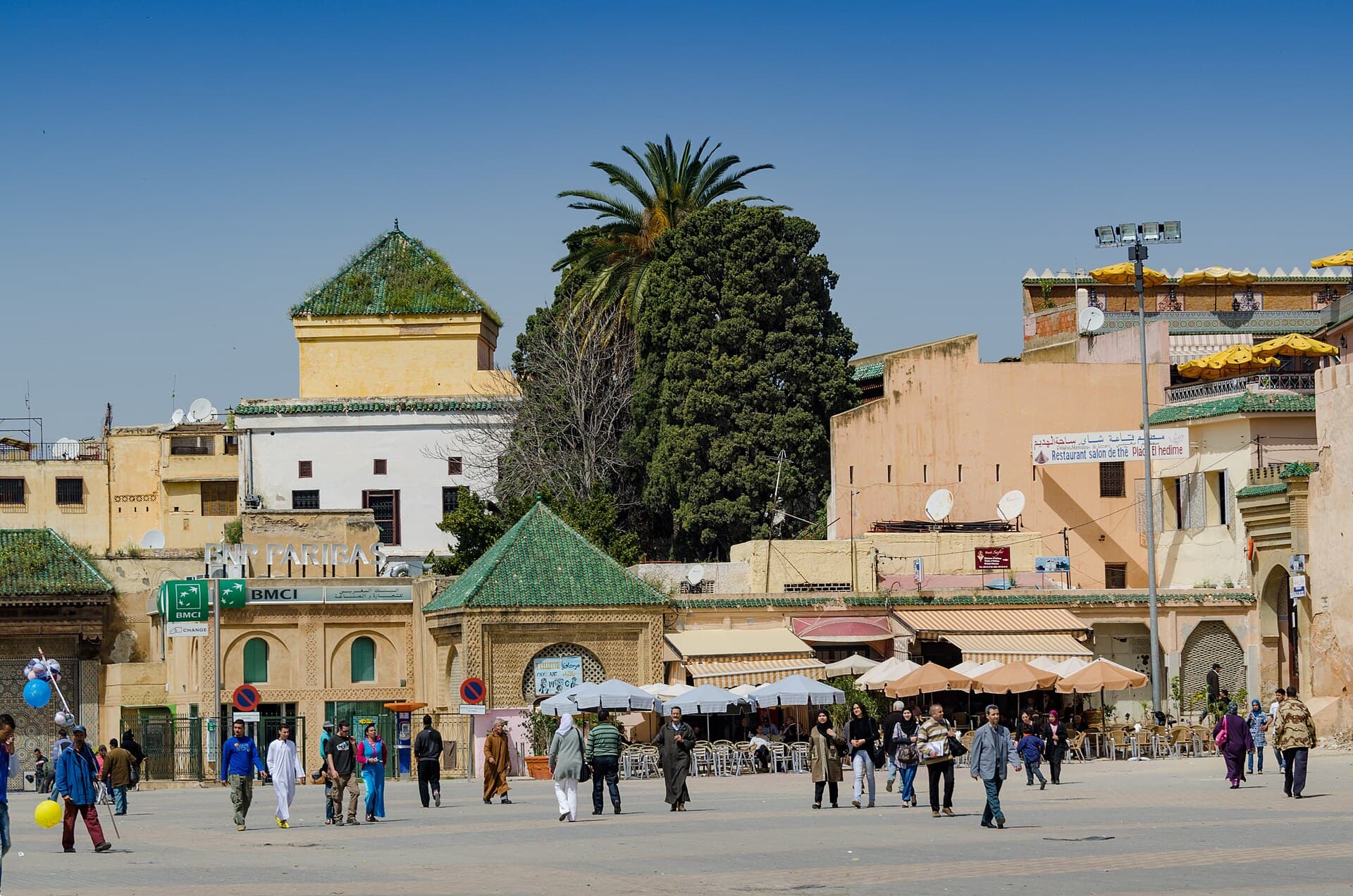 Place el-HedimThe great square of old Meknes, separating the medina from Moulay Ismail's kasba3 minutes walk
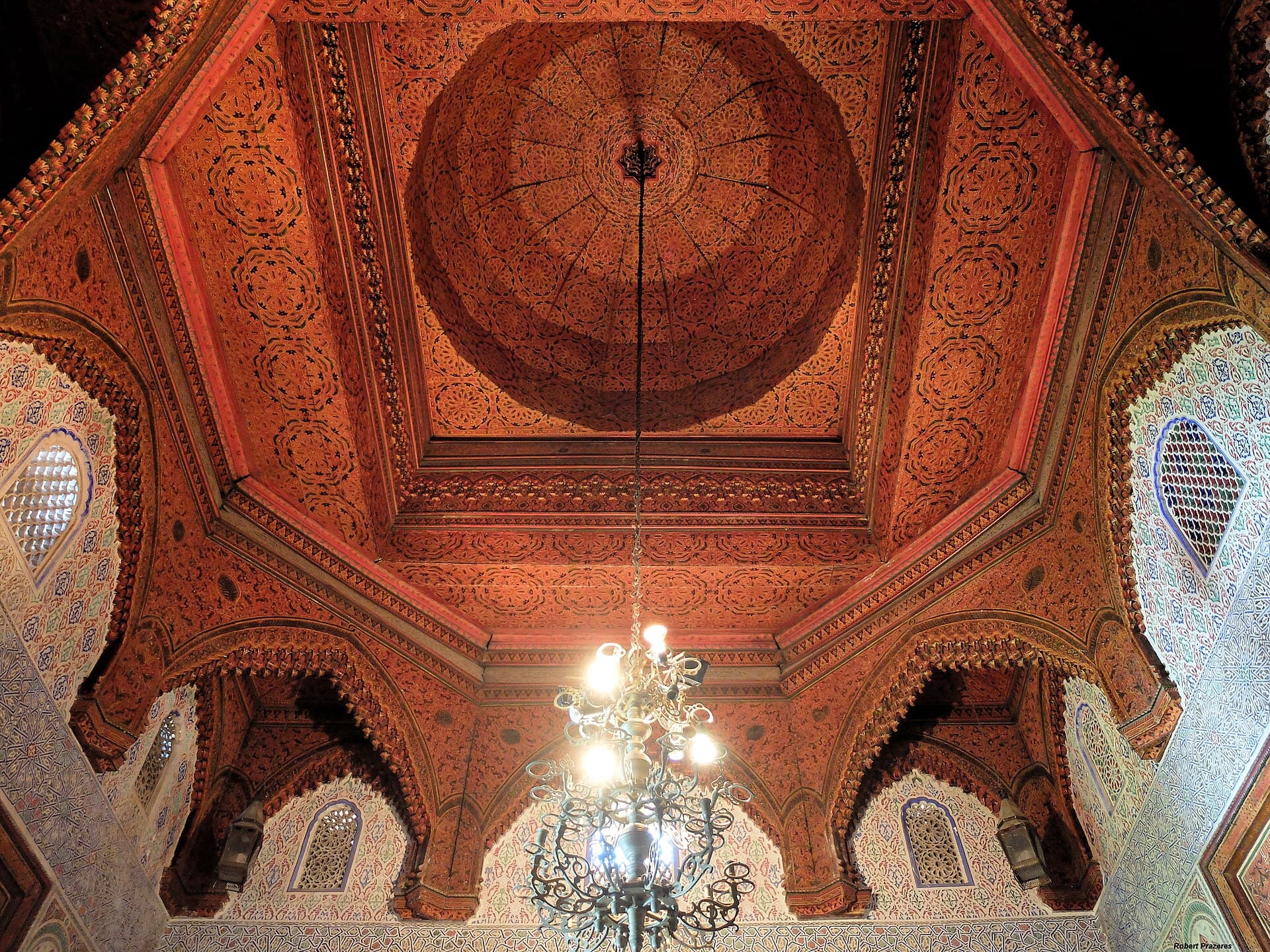 Dar Jamaï Museum (National Museum of Music)A late nineteenth-century palace on Place el-Hedim, built in 1882 for the Jamaï 4 minutes walk
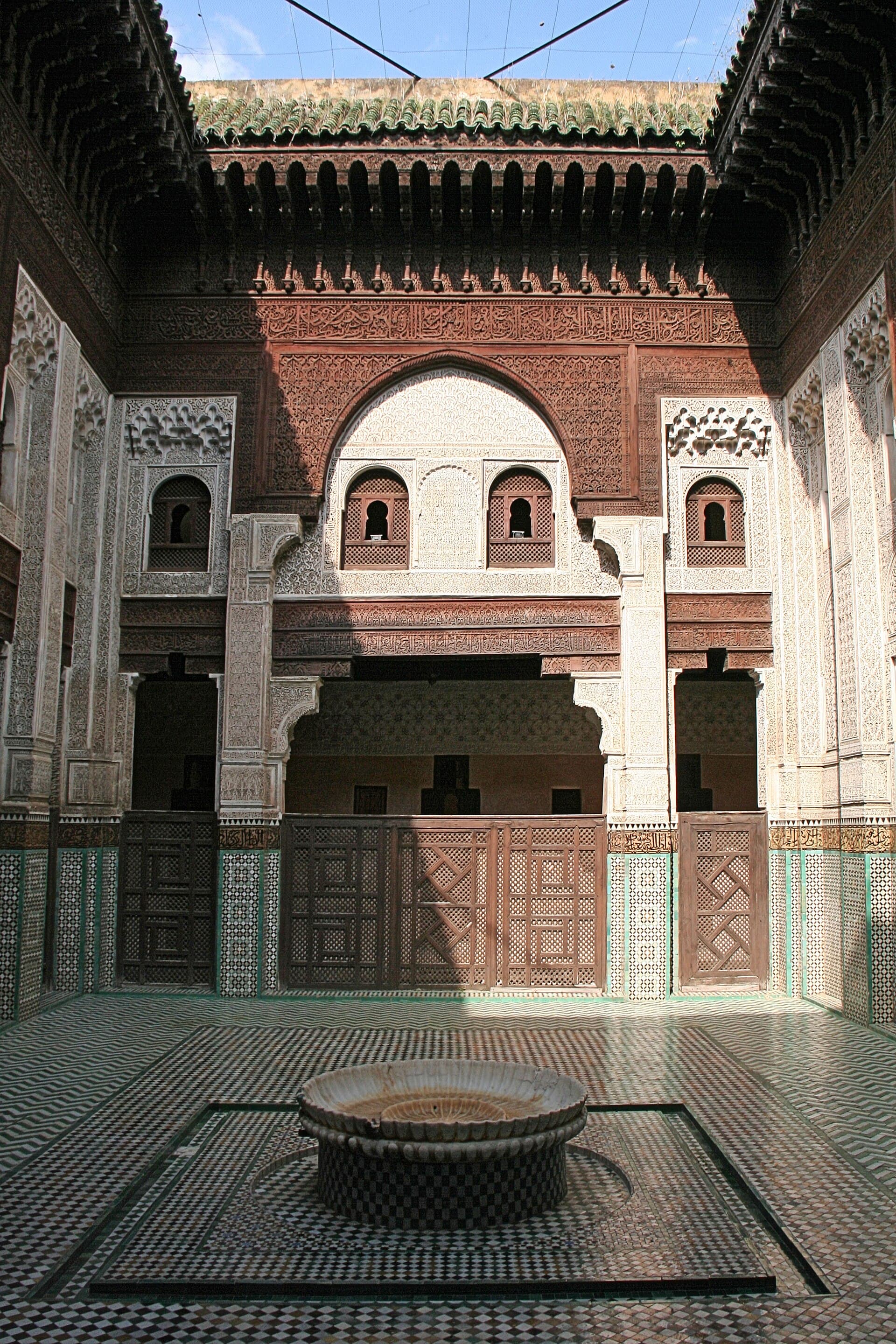 Bou Inania Madrasa, MeknesA Marinid madrasa in the heart of old Meknes near the Grand Mosque, founded by t6 minutes walk
Popular tradition says so, but most scholars think it was underground storage for the kasbah and that the tale of a huge prison is exaggerated.