
The June roses
Eighty-five single-variety beds and some 8,000 roses flowering together in the first two weeks of June; nothing else in the year comes close.
Tom Page from London, UK — CC BY-SA 2.0 · Photograph by Mike Peel (www.mikepeel.net). — CC BY-SA 4.0 · Photograph by Mike Peel (www.mikepeel.net). — CC BY-SA 4.0 · Photograph by Mike Peel (www.mikepeel.net). — CC BY-SA 4.0
For the first two weeks of June, Queen Mary's Gardens at the heart of Regent's Park becomes London's largest rose collection in full flower: eighty-five beds, each given to a single variety, some 8,000 roses opening at once, so that you smell the garden before you see it. This is the picture every guidebook prints, and it is real, but it is brief. The roses hold into early July and then the place settles back into being a tidy, quiet English garden. Come in August and you get shade, a small lake with a waterfall, delphinium beds and a Mediterranean border, not the colour explosion in the photos. The park is far larger than its Inner Circle: some 395 acres laid out by John Nash from 1811 for the Prince Regent, ringed by his white stucco terraces, which are themselves worth a walk around the Outer Circle. To the north, Primrose Hill is a grassy rise that gives you the whole London skyline with no ticket and no queue; it stays open around the clock on weekdays but is locked from 22:00 to 06:00 on Friday, Saturday and Sunday nights from April to early November. London Zoo sits on the northern edge, the boating lake in the south-west hires pedalos and rowing boats from spring to autumn, and the Open Air Theatre inside the park runs a summer season of roughly May to September. Newest of all is the Queen Elizabeth II Garden, a two-acre garden on the site of a disused nursery, opened on 21 April 2026, the day that would have been her hundredth birthday. For Arab families the park has one advantage no other London green space offers: the London Central Mosque, golden dome and all, stands directly on the western edge on Park Road, so prayer is a few minutes' detour, and Edgware Road with its Lebanese and Gulf restaurants is a short walk beyond. Paths are tarmac and pushchair-friendly, the ground is dead flat except for Primrose Hill, and there are several cafés and public toilets (some charge a small contactless fee). Entry is free; gates open at 05:00 and close at dusk, which means about 20:00 in September and later still at midsummer, but roughly 16:30 in December, so do not plan a winter afternoon visit. Nearest stations: Regent's Park on the Bakerloo line, two minutes from the southern gate; Baker Street (Jubilee, Metropolitan, Bakerloo and more) about five minutes away; Camden Town if you are coming from the north. Skip the car if you can; street parking around the two Circles is paid and scarce.
Eighty-five single-variety beds and some 8,000 roses flowering together in the first two weeks of June; nothing else in the year comes close.
A grassy summit with the entire London skyline for free and the best seat for a summer sunset; open around the clock on weekdays, locked on weekend nights from April to November.
London Central Mosque's golden dome stands right on Park Road at the western boundary, so prayer is a few minutes' detour.
Inner Circle, Regent's Park, London NW1 4NR
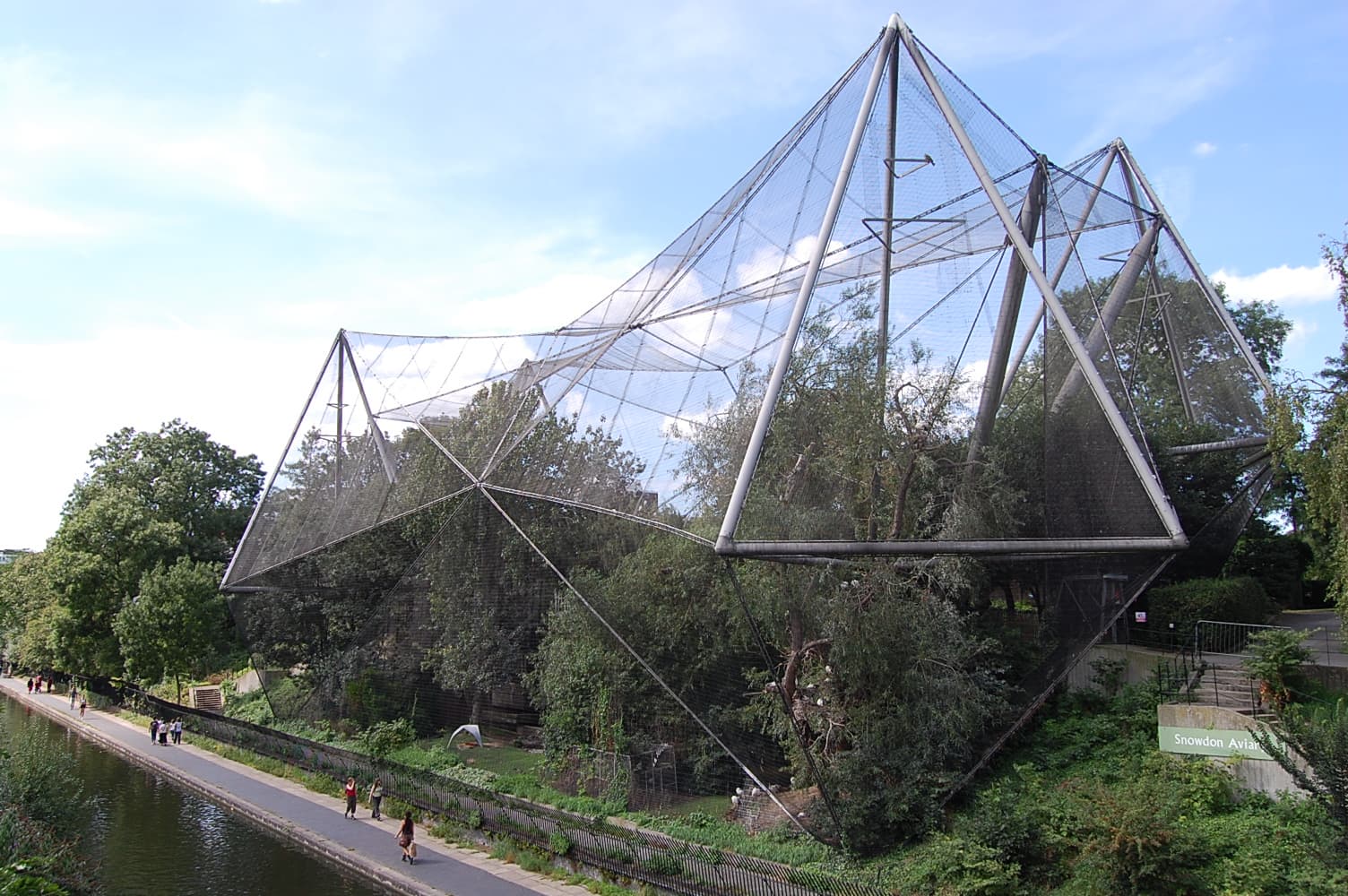 London ZooThe oldest scientific zoo on earth sits at the top of Regent's Park and has been5 minutes walk4.4
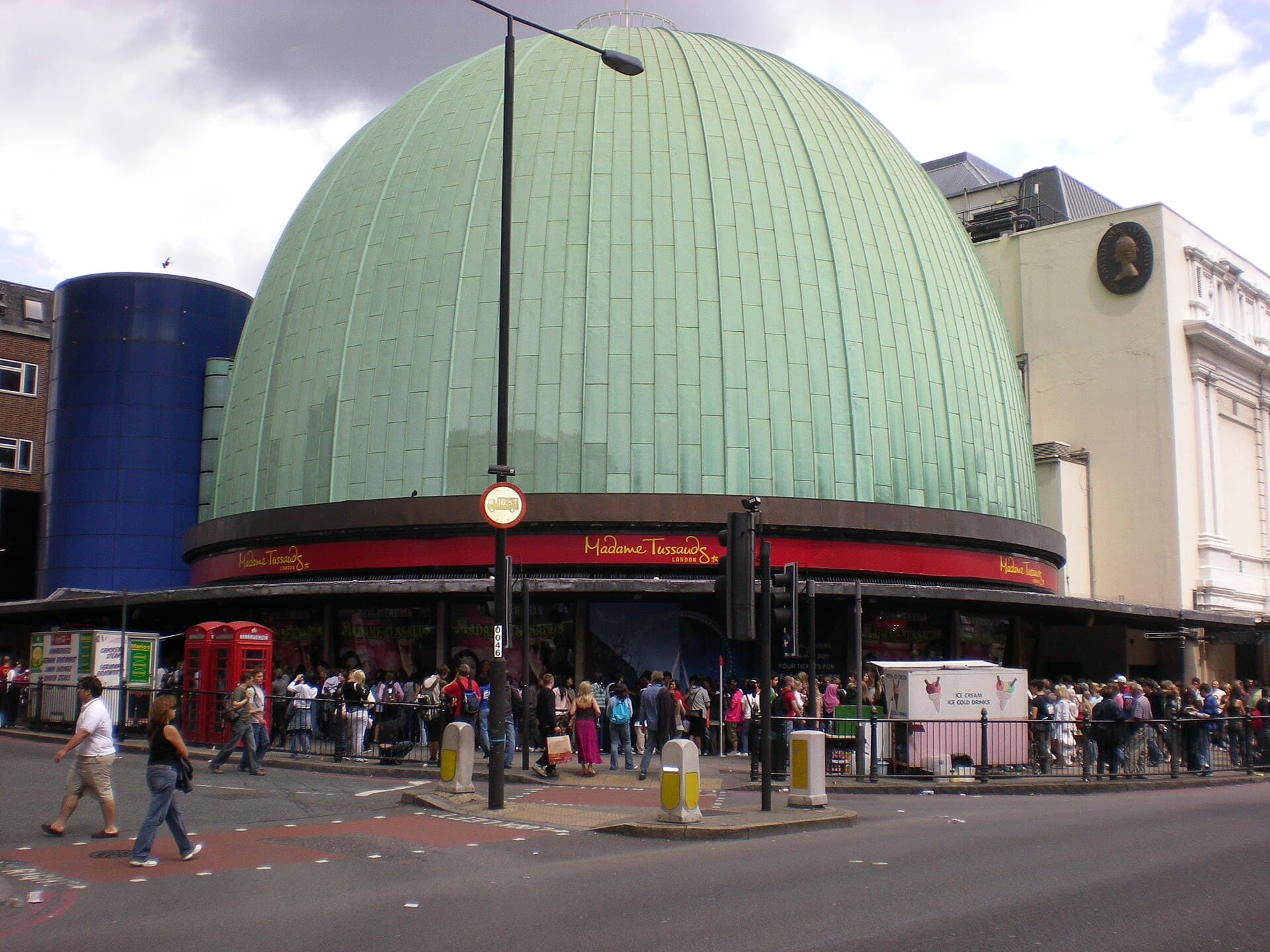 Madame Tussauds LondonBefore Madame Tussaud was a global brand with an outpost in Dubai and twenty-odd13 minutes walk4.6
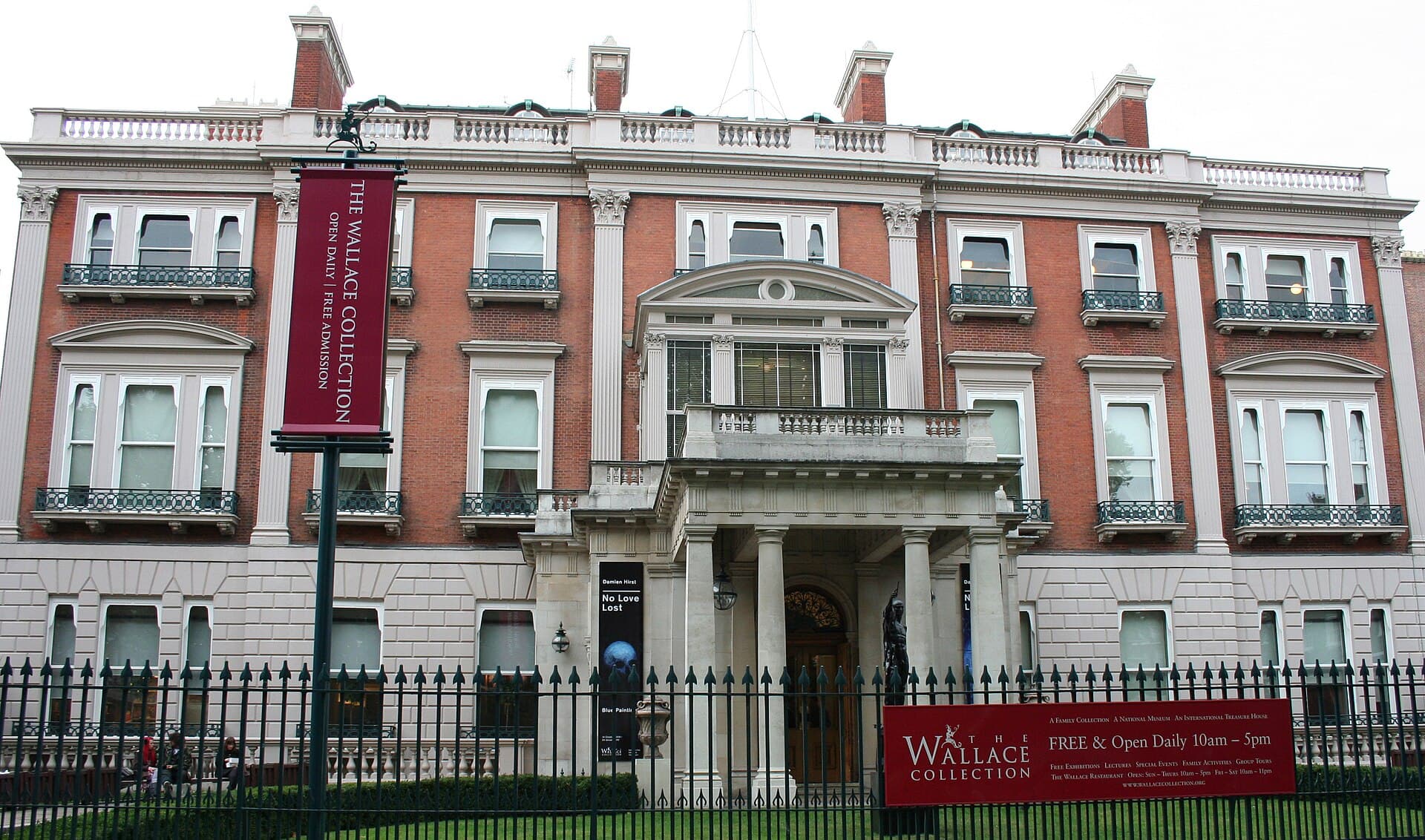 The Wallace CollectionNothing has been added to this house since 1897, and for more than a century not21 minutes walk4.7
Outside June and early July the rose garden is pleasant but ordinary, so do not cross the city for it alone. In July and August fold it into a day that includes the zoo, Primrose Hill or the mosque; Hyde Park is bigger and closer to the shops, Regent's Park is prettier in its details and quieter.
Yes, one of London's best parks for them: flat tarmac paths, four playgrounds, pedalos on the lake from spring to autumn and the zoo on the northern edge. The only exception is the climb up Primrose Hill, short but steep with a pushchair.