
The Swing and the Laughing Cavalier
The collection's two most famous paintings are almost always on the wall here; loans were forbidden until 2019 and remain rare.
Peter Clarke — CC BY-SA 3.0 · Kent Wang — CC BY-SA 2.0 · Kent Wang — CC BY-SA 2.0 · Kent Wang — CC BY-SA 2.0
Nothing has been added to this house since 1897, and for more than a century nothing left it either. That was the condition Lady Wallace set when she left the collection to the British nation: shown as it stands, unmixed with anything else, and, as the trustees long read the will, never lent. So what you see is very close to what the first visitors saw when the doors opened in 1900. The no-loans rule was relaxed only in 2019 and just a handful of works have travelled since, so Fragonard's The Swing and Frans Hals' Laughing Cavalier are almost always on their walls here, but check the website before crossing town for one particular painting. The house is half the story. Four Marquesses of Hertford and then the fourth's illegitimate son, Sir Richard Wallace, bought the very best of eighteenth-century France: gilded royal furniture, turquoise Sèvres porcelain, clocks and cabinets, some made for the French royal palaces before the Revolution. Paintings hang on silk-lined walls as if the family were still in residence, with Rembrandt, Titian, Velázquez and Canaletto among them. The ground floor gives four rooms to arms and armour, including ornate Ottoman, Persian and Indian pieces that hold children far better than any canvas, alongside full European horse armour, helmets and swords. The permanent collection is free with no booking, daily 10:00 to 17:00, closed only 24 to 26 December; tickets are charged for temporary exhibitions alone, and until 29 November 2026 that means a major retrospective of Winston Churchill's paintings at £18 an adult. It never gets crowded, even in August, which is its great advantage over the British Museum and the National Gallery at the height of summer. A lift serves every floor, the entrance is ramped, there are free lockers and a baby-changing room, so a pushchair is workable, though the furniture-packed rooms call for a careful hand. It sits on quiet Manchester Square, about seven minutes on foot from Bond Street station (Central, Jubilee and Elizabeth lines) and a quarter of an hour from Baker Street, a stone's throw from Selfridges and Oxford Street, which makes it a perfect hour or two of escape in the middle of a shopping day. The restaurant under the glass-roofed courtyard is lovely if London-priced, and on a wet, short-lit winter afternoon this is one of the best warm places in the city to spend a few hours without paying a penny.
The collection's two most famous paintings are almost always on the wall here; loans were forbidden until 2019 and remain rare.
Four ground-floor rooms of full European horse armour and Ottoman, Persian and Indian pieces that captivate children.
Gilded pieces and turquoise porcelain, some made for the royal palaces before the Revolution, shown as if the family still lived here.
Hertford House, Manchester Square, Marylebone W1U 3BN
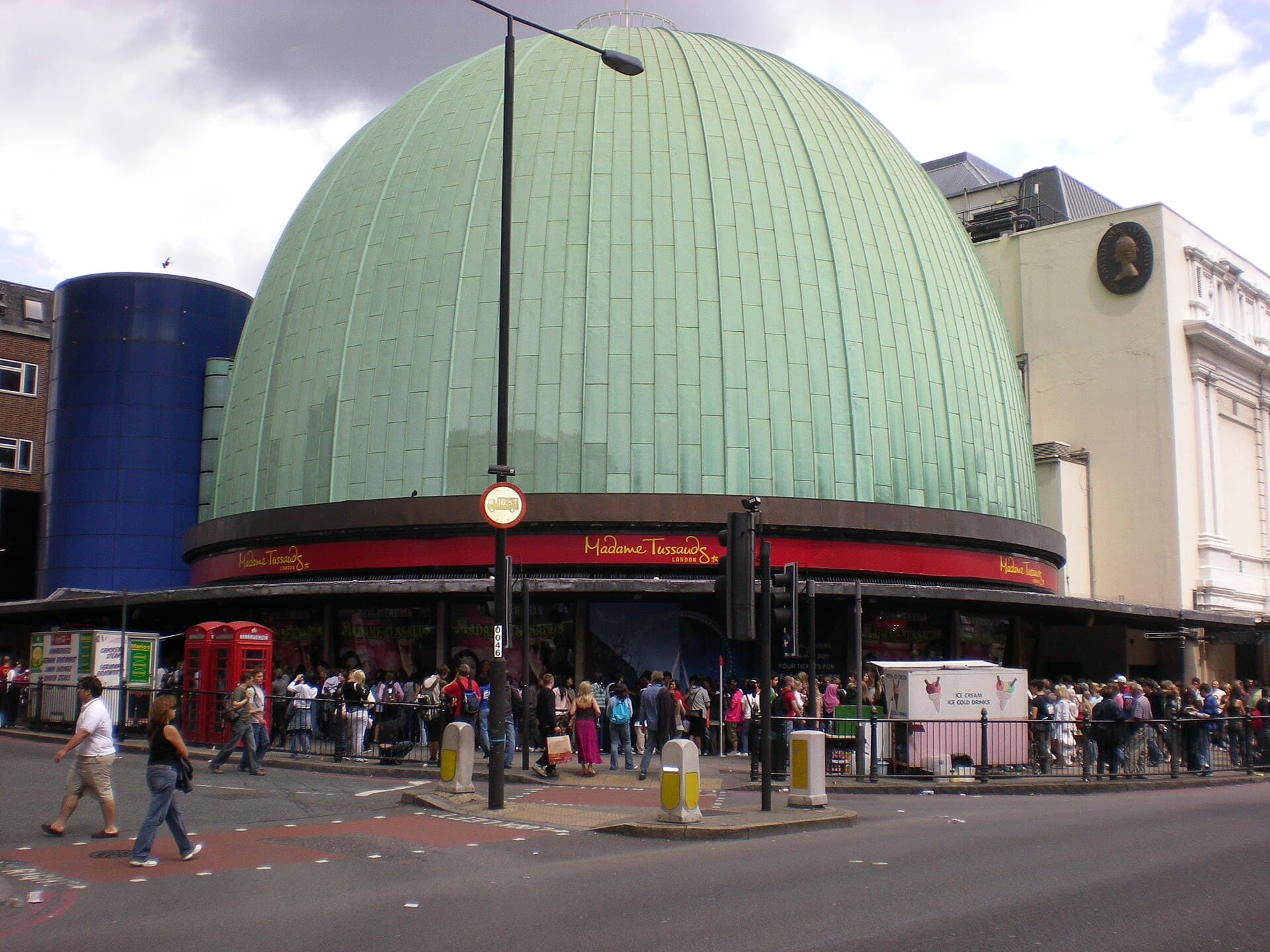 Madame Tussauds LondonBefore Madame Tussaud was a global brand with an outpost in Dubai and twenty-odd8 minutes walk4.6
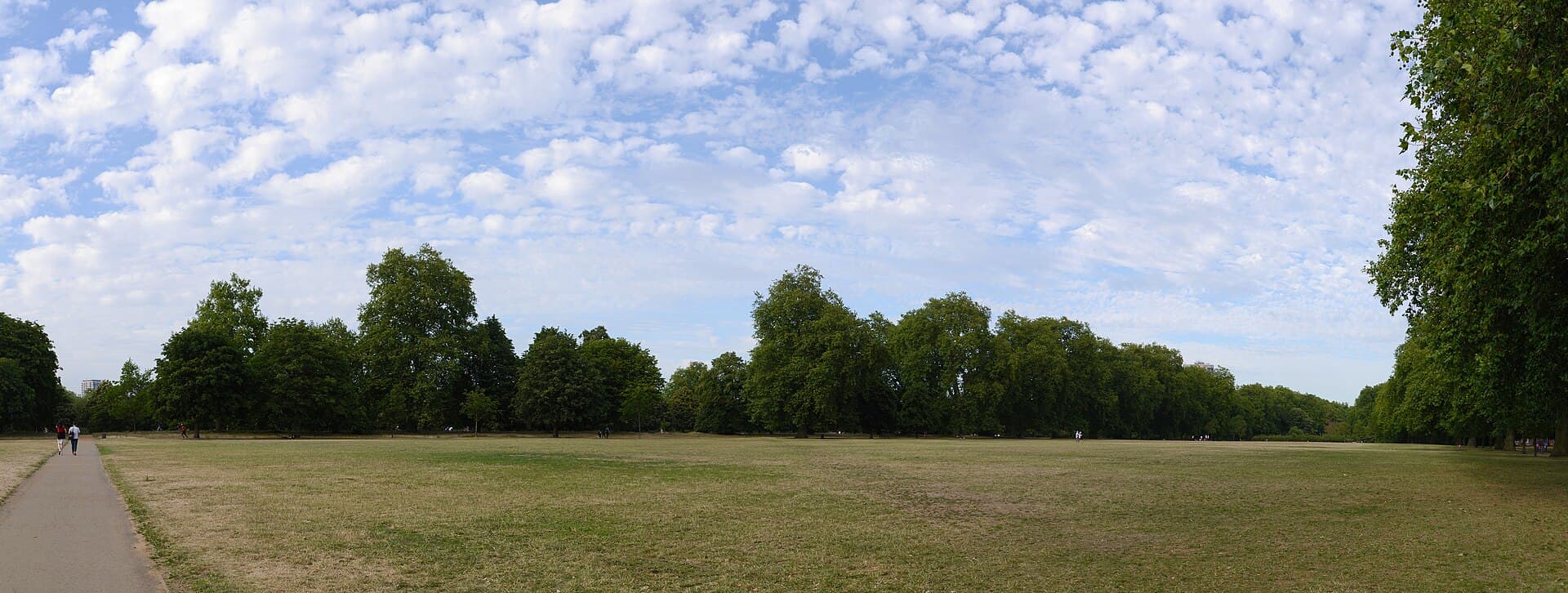 Hyde ParkFive minutes on foot from the Arab restaurants of Edgware Road begins roughly 3515 minutes walk4.6
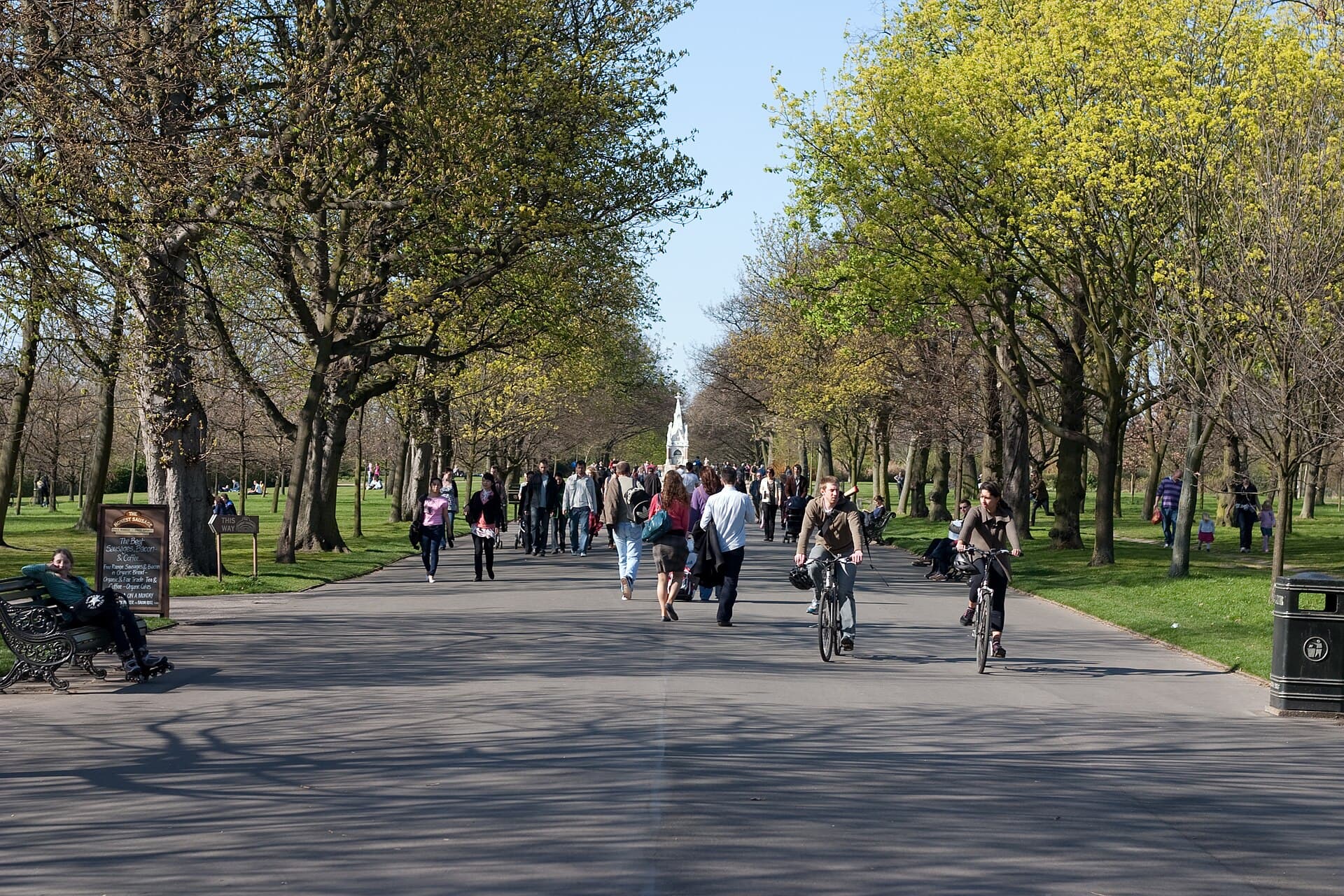 Regent's Park and Queen Mary's GardensFor the first two weeks of June, Queen Mary's Gardens at the heart of Regent's P21 minutes walk4.9
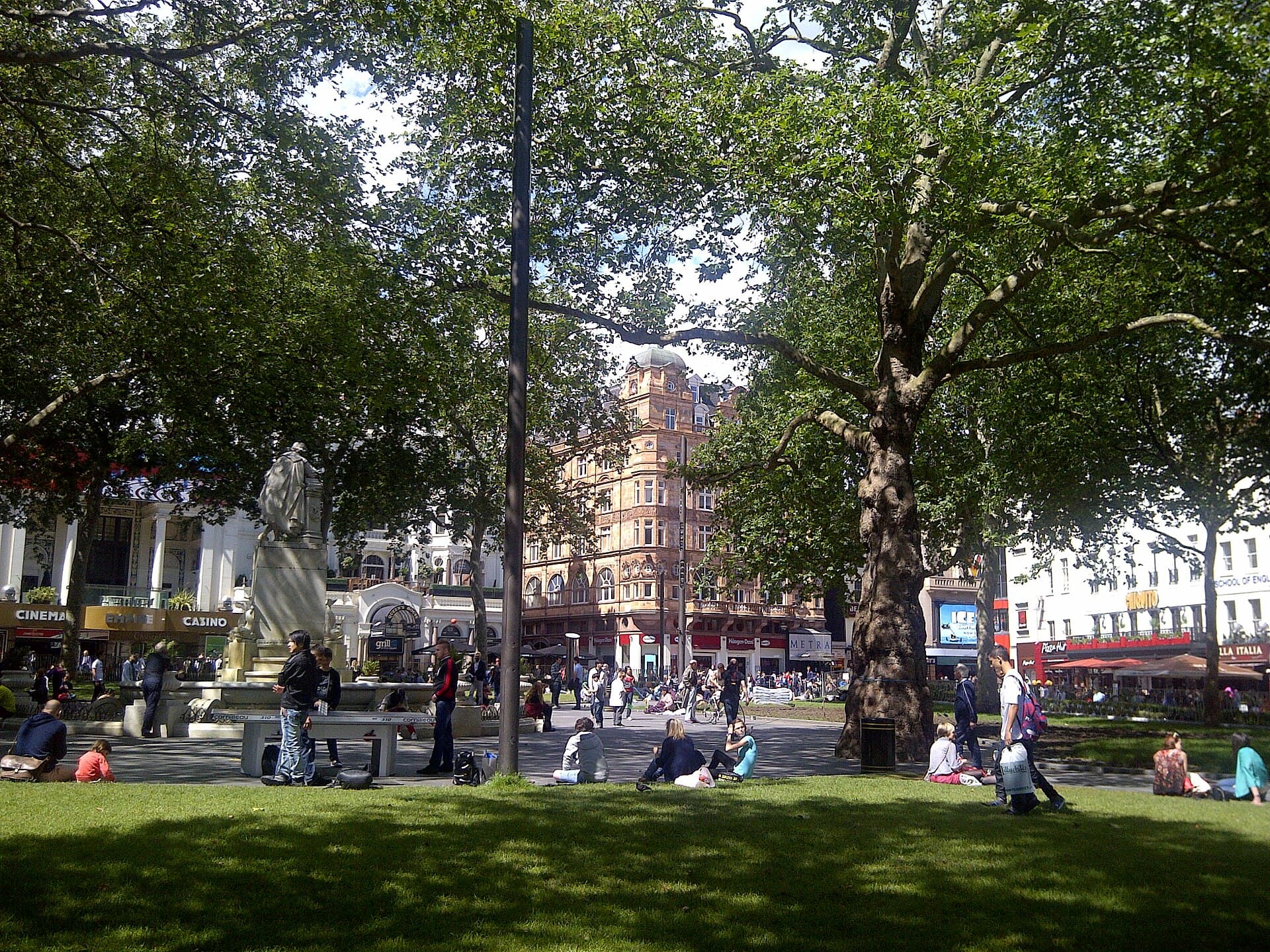 Leicester SquareWhen a big film gets its British premiere, the red carpet is rolled out here, in22 minutes walk4.6
If you have under-tens and time for one museum only, choose the British Museum or the Natural History Museum; they are bigger and more hands-on. But if you are already on Oxford Street and want a calm free hour with no queues, the armouries here are enough to keep small children happy, and the adults get what the British Museum cannot give them: a real house with no crowds.
No. The permanent collection is free and you walk straight in even in July and August; it simply does not get crowded. Booking matters only for a paid temporary exhibition, such as the Churchill paintings show running until 29 November 2026, and even that can usually be booked a day or two ahead.