
The Unicorn Throne
Narwhal tusk guarded by silver lions.
kallerna — CC BY-SA 4.0 · Thomas Dahlstrøm Nielsen — CC BY-SA 4.0 · Thomas Dahlstrøm Nielsen — CC BY-SA 4.0 · Unknown authorUnknown author — Public domain
Rosenborg is the home of Denmark's crown jewels: a Dutch Renaissance summer palace (1606-1633) built by Christian IV — the builder-king who gave Copenhagen half its landmarks — in red brick and green towers within the King's Garden, the city's oldest royal park and its people's most beloved for strolling and napping. Three floors climb through history: Christian IV's rooms with original furniture, the ivory horse and his desk top stained with his own blood from a naval battle (kept reverently), the long Knights' Hall with tapestries of the Swedish wars and the legendary Unicorn Throne (of narwhal tusk) guarded by three life-size silver lions. And the fortified basement is the visit's summit: the Danish crown jewels — the royal crowns in pearl and sapphire, the queens' ruby set that Queen Mary still wears on occasion, and the royal silver vaults — a living treasure, not merely a museum.
Narwhal tusk guarded by silver lions.
The crowns in pearl and sapphire.
Stained with his own naval-battle blood — kept reverently.
Øster Voldgade 4A, 1350 Copenhagen
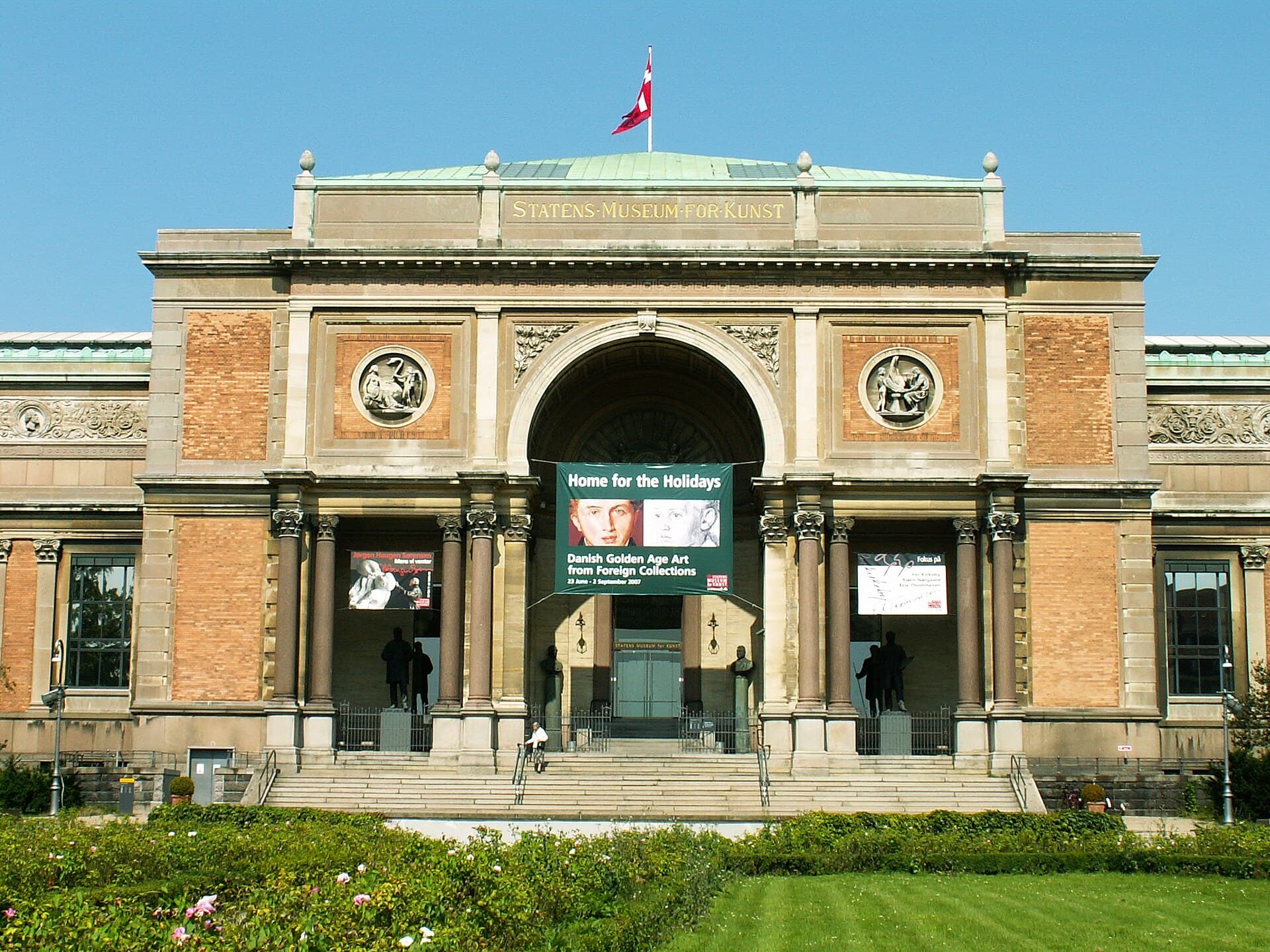 SMK — National Gallery of Denmark**SMK** is Denmark's largest art museum, built around the collection of the Dani4 minutes walk4.7
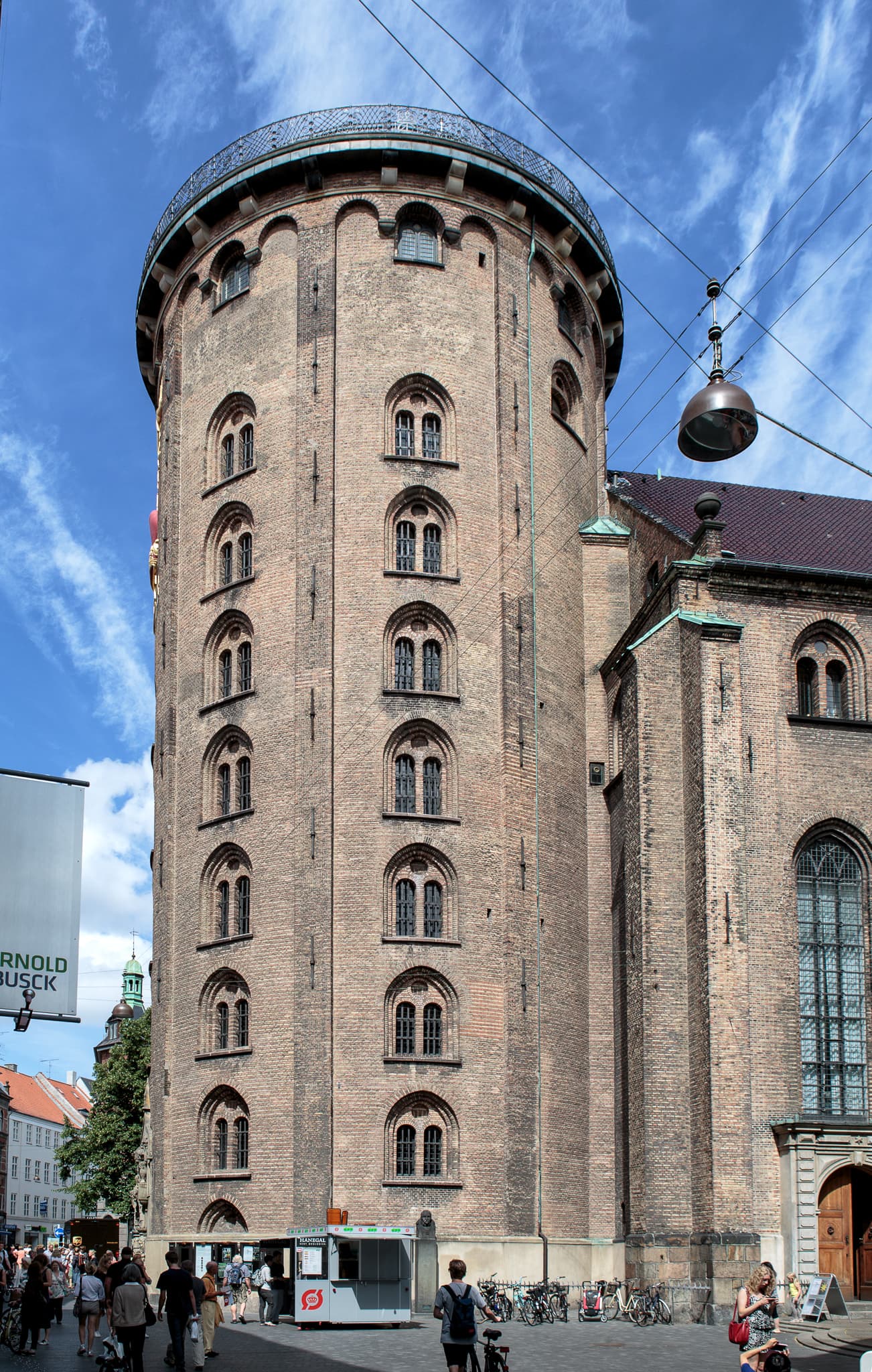 The Round TowerThe Round Tower is Europe's oldest working astronomical observatory (1642) — bui6 minutes walk4.6
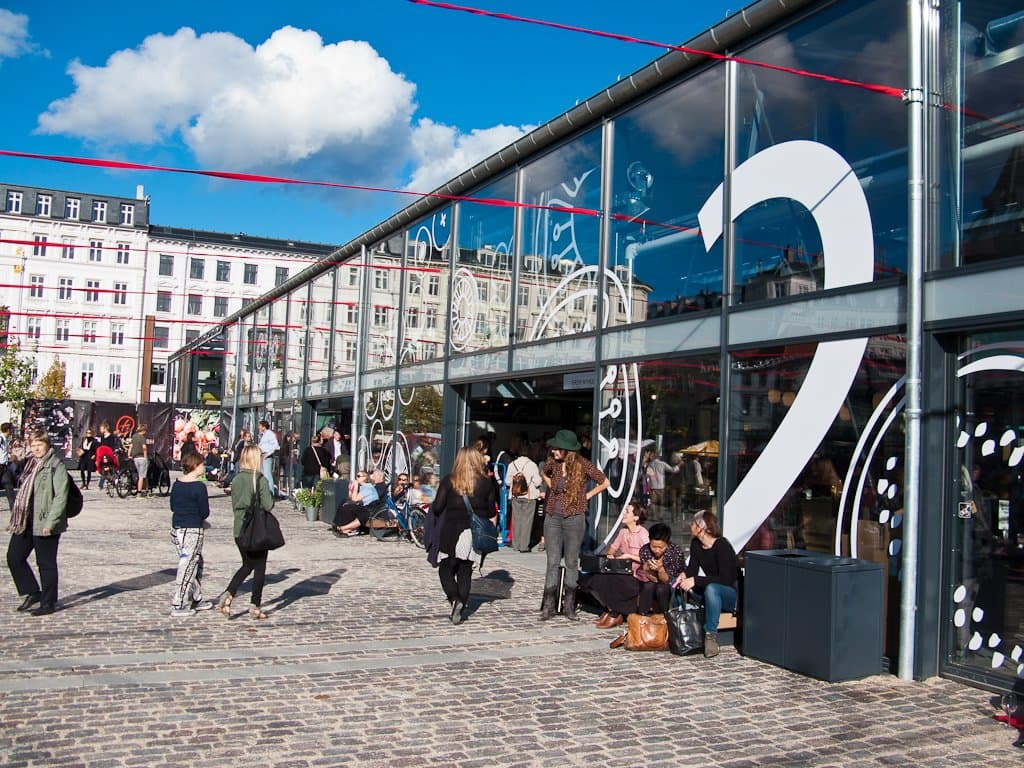 TorvehallerneTwo glass and steel market halls in central Copenhagen, opened in 2011 on a squa7 minutes walk4.6
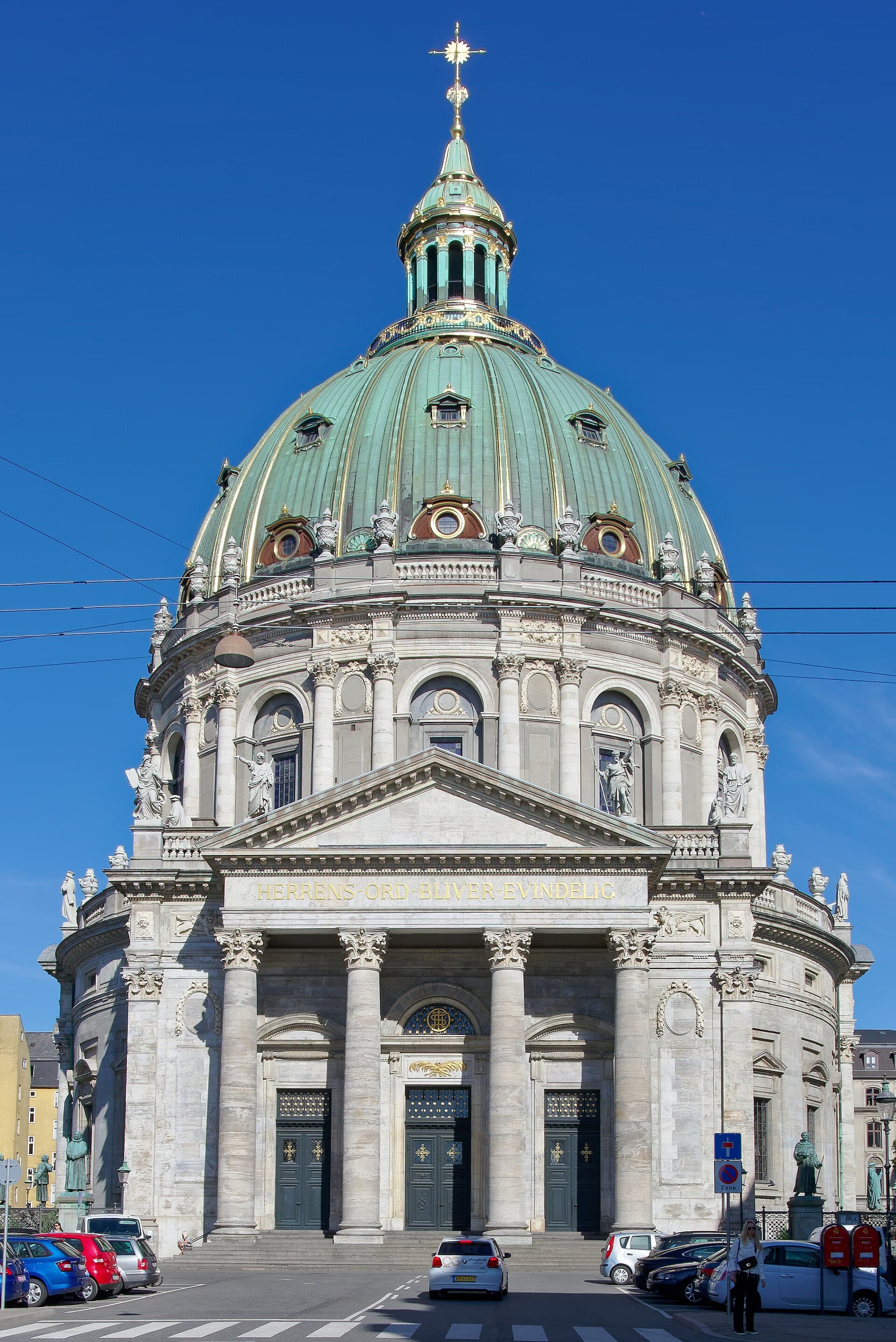 Frederik's Church (The Marble Church)Its official name is **Frederik's Church**, but nobody calls it anything but the10 minutes walk4.7
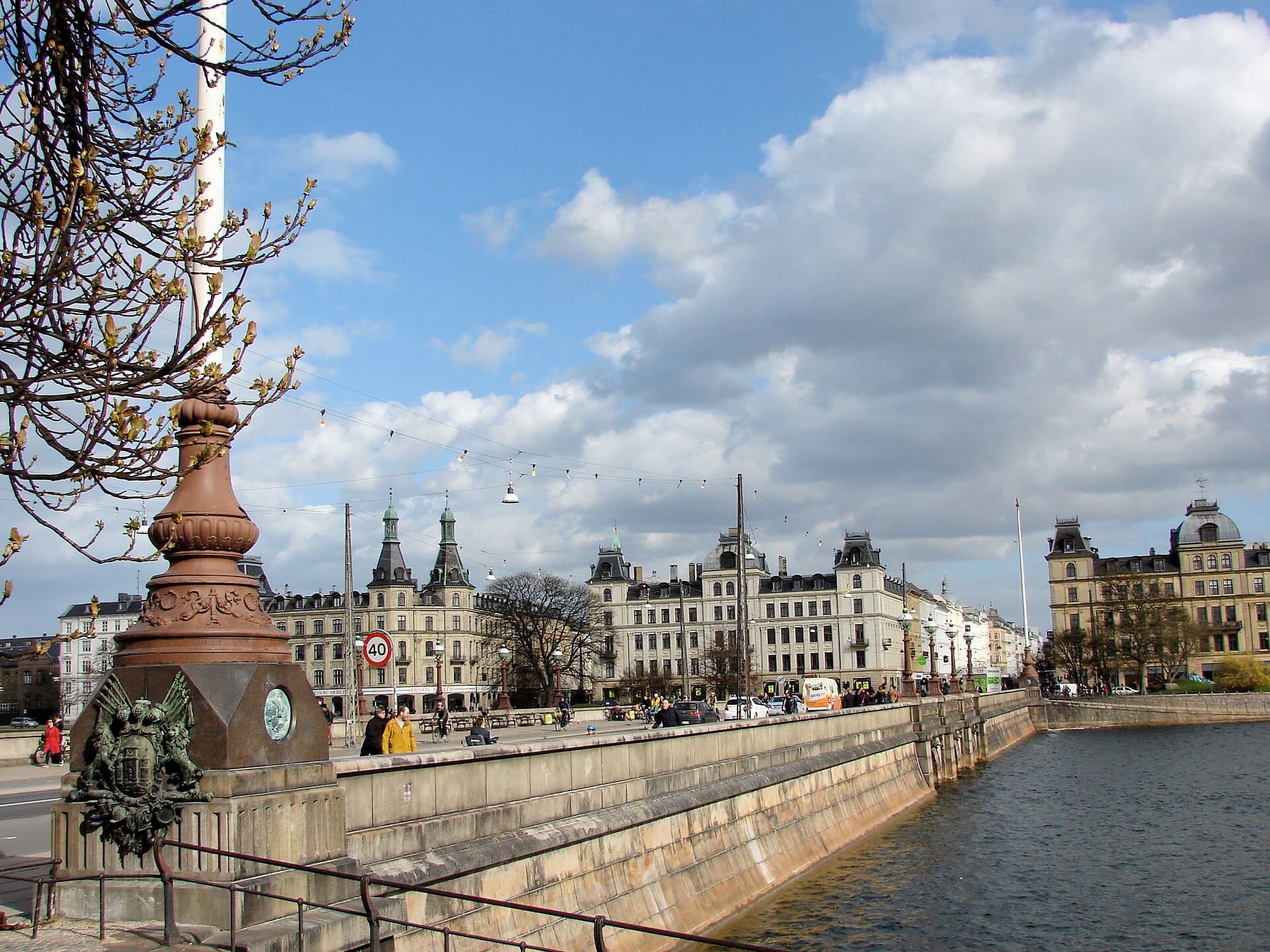 Queen Louise's BridgeA short bridge across the Copenhagen lakes joining the **Nørrebro** district to 11 minutes walk4.6
Denmark's king for sixty years (1588-1648) and its greatest builder: Rosenborg, the Round Tower, the Exchange, Nyboder and half of old Copenhagen bear his signature — while his losing wars with Sweden bankrupted his treasury and shrank his kingdom. Danes love him for the building and forget the defeats: their most famous king to this day.