
Throne hall
Glass mosaic.
Jakub Hałun — CC BY-SA 4.0 · CEphoto, Uwe Aranas — CC BY-SA 3.0 · Basile Morin — CC BY-SA 4.0
Haw Kham, built in 1904 in the French era for King Sisavang Vong and his family. Its site on the Mekong bank was chosen so official guests arriving by river could land right below it. After the monarchy fell in 1975, the palace became a national museum. The building blends traditional Lao style with French touches under a cross-shaped roof and a small golden spire. Inside are the throne hall with red walls inlaid with coloured-glass mosaic, the king's and queen's rooms as they were left, and gifts given to the royal family by countries around the world. In the palace garden stands the glittering golden Haw Pha Bang temple, built to house the sacred golden Phra Bang statue the city is named after, lovelier still when lit at night. Palms and flowers line the entrance. Photography is not allowed inside and bags go in lockers; sources differ on the fee and hours, and the palace closes over a midday break. Temples are living places of worship: cover shoulders and knees, take off shoes before entering halls, and do not touch monks or block their way. The whole old town of Luang Prabang is a UNESCO World Heritage site, its temples, wooden houses and colonial buildings set between the Mekong and Nam Khan rivers.
Glass mosaic.
A golden temple.
As they were left.
Sisavangvong Road, below Mount Phousi, on the Mekong bank
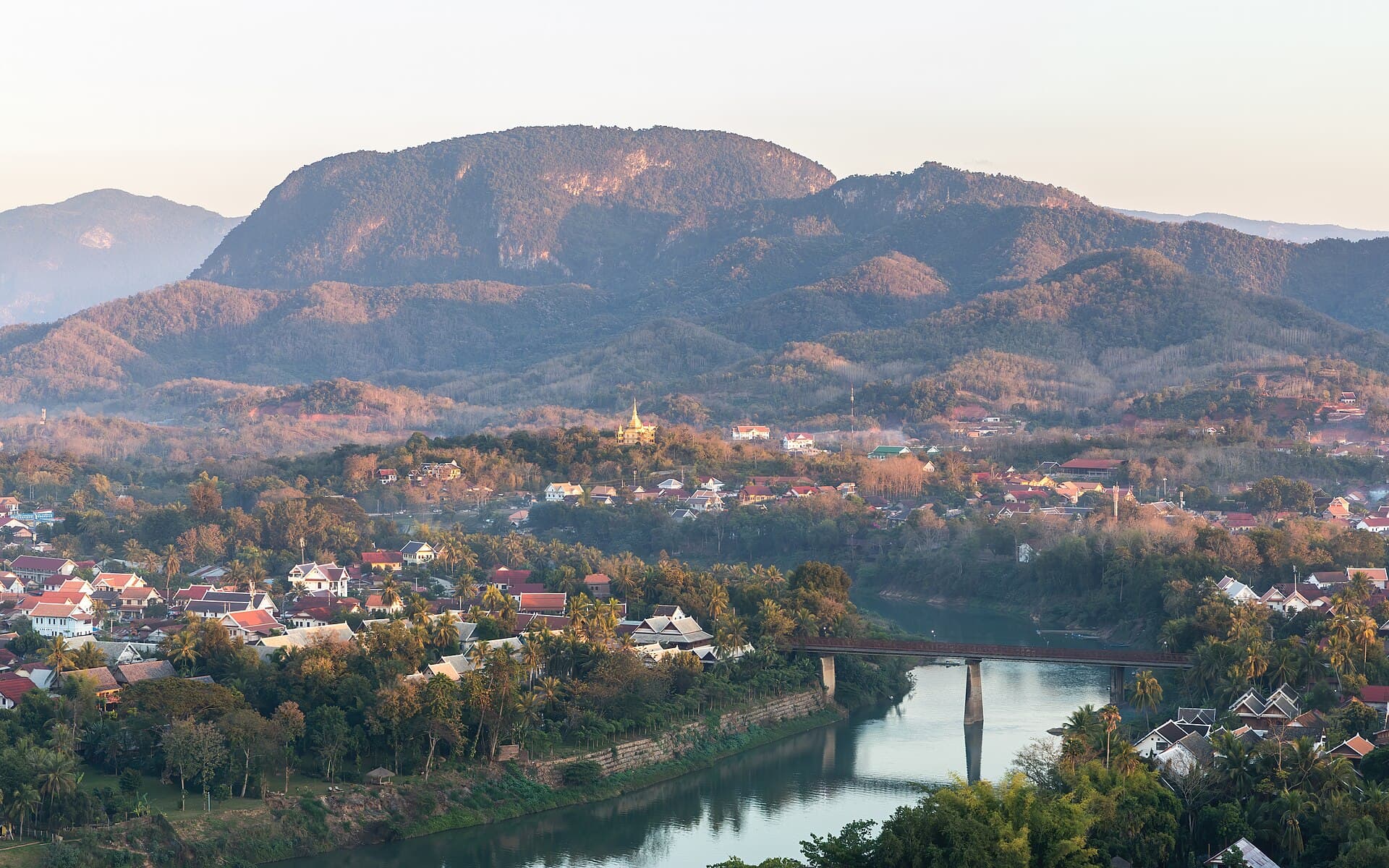 Mount PhousiA wooded hill about a hundred metres high in the heart of Luang Prabang, crowned3 minutes walk4.2
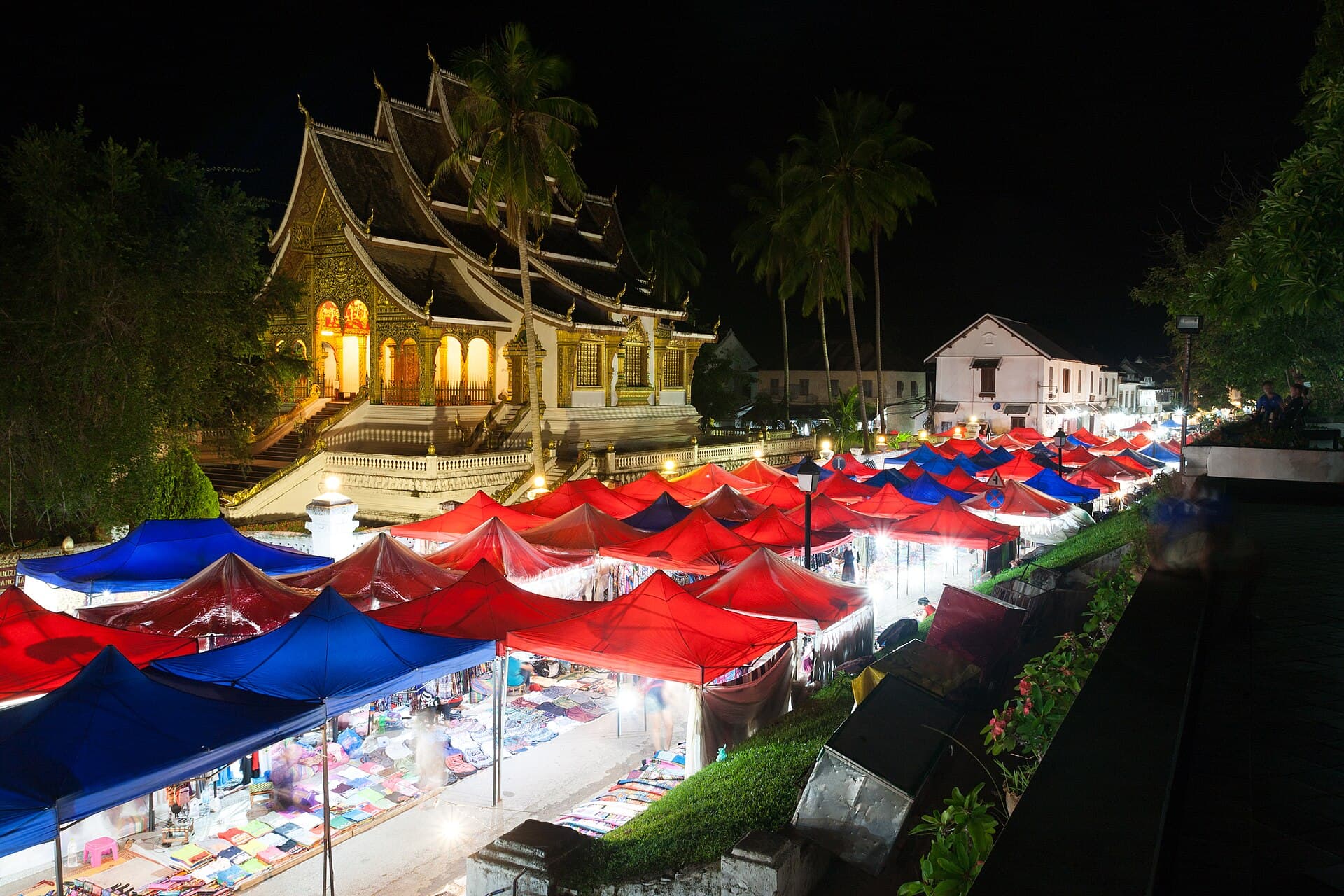 Luang Prabang Night MarketEvery evening the main street in front of the Royal Palace closes to cars, long 5 minutes walk4.3
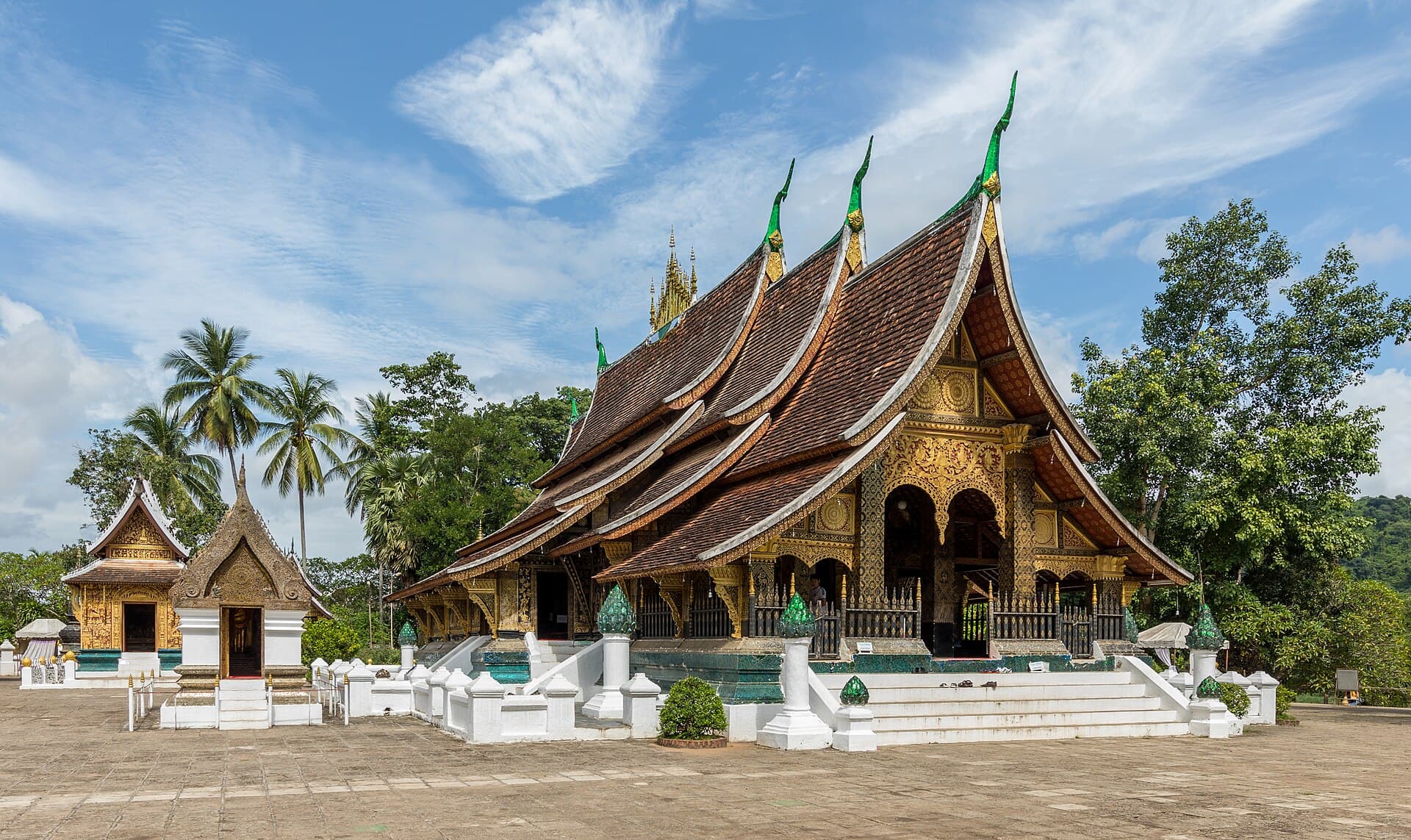 Wat Xieng ThongThe most beautiful and important temple in Laos, built by King Setthathirath in 13 minutes walk4.5
Not inside; bags and cameras go in lockers, but photos are fine in the garden and in front of Haw Pha Bang.