
The Mechouar
Gardens, parade ground.
Holger Uwe Schmitt — CC BY-SA 4.0 · Unknown — Public domain · Anthere — CC BY-SA 4.0 · Carlos ZGZ from Paris, France — CC0 · Petar Milošević — CC BY-SA 4.0 · Rigelus — CC BY-SA 4.0 · Holger Uwe Schmitt — CC BY-SA 4.0 · Yair Haklai — CC BY-SA 4.0
The King of Morocco's main official residence in Rabat, in the Touarga district, enclosed by historic walls that set it apart from the rest of the city. The Alawi sultans have kept a palace in Rabat since the reign of Sultan Mohammed ben Abdallah in the eighteenth century, who built a palace and mosque in the south-west corner of the Almohad enclosure. In front of the palace is the Mechouar, a broad parade ground surrounded by gardens, the Ahl Fas Mosque, where the king sometimes performs the Friday prayer, and official buildings and residences. The palace facade shows grand doors decorated with zellij, carved stone and brass, guarded by royal guards in traditional uniforms. Visitors usually enter the Mechouar through Bab Soufara, an ornate gate in the wall, and can walk across the square and see the palace facade from a distance, but the palace itself is closed to visitors. Entry to the square is free when it is open, and it may be closed during ceremonies. Follow the guards' instructions; photography may be restricted in places, or you may be asked to keep a set distance.
Gardens, parade ground.
An ornate wall gate.
Traditional uniforms.
Touarga district, inside the walls, Rabat
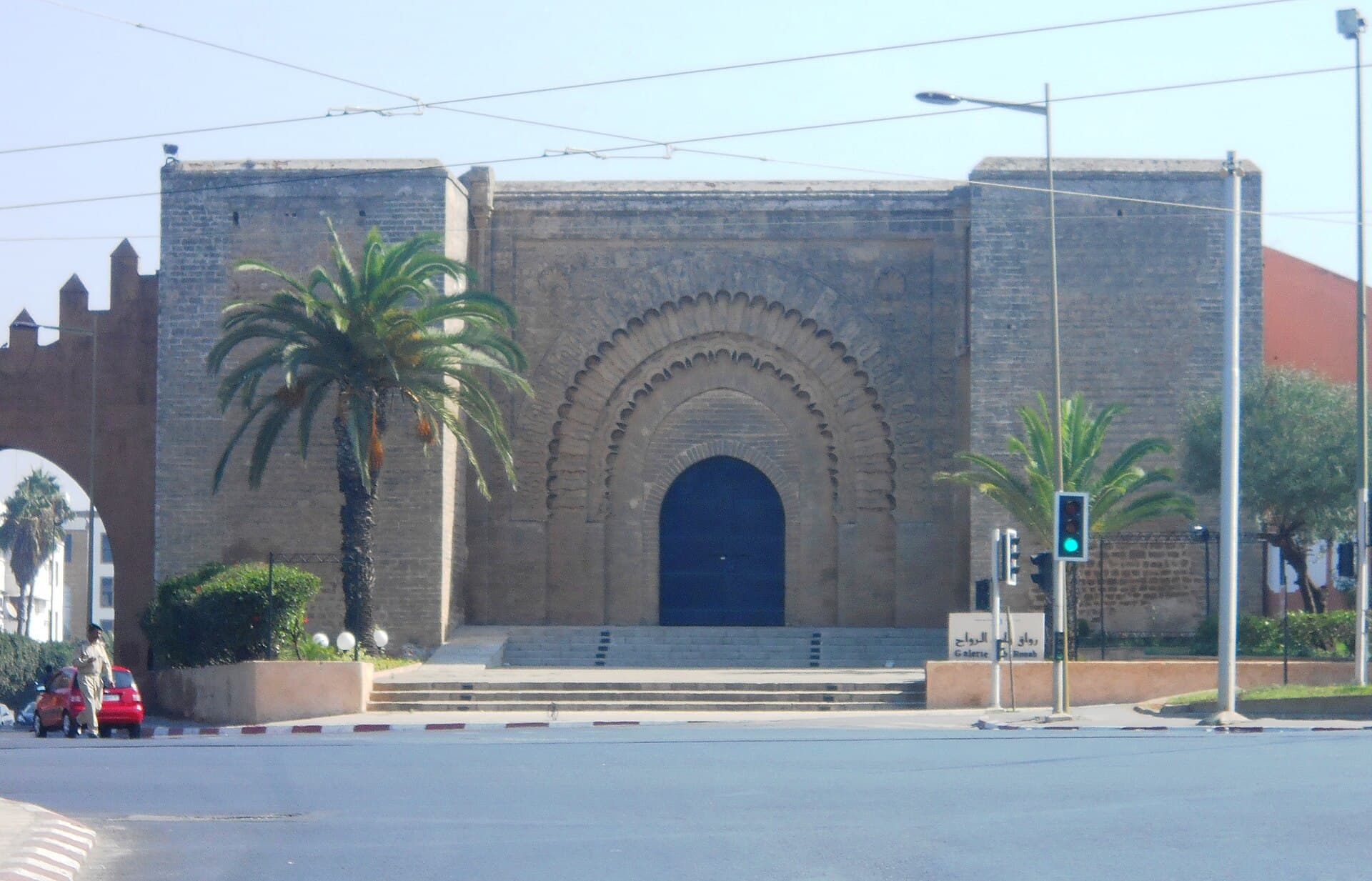 Bab er-RouahA monumental gate in Rabat's Almohad walls, built by Caliph Yaqub al-Mansur in t13 minutes walk
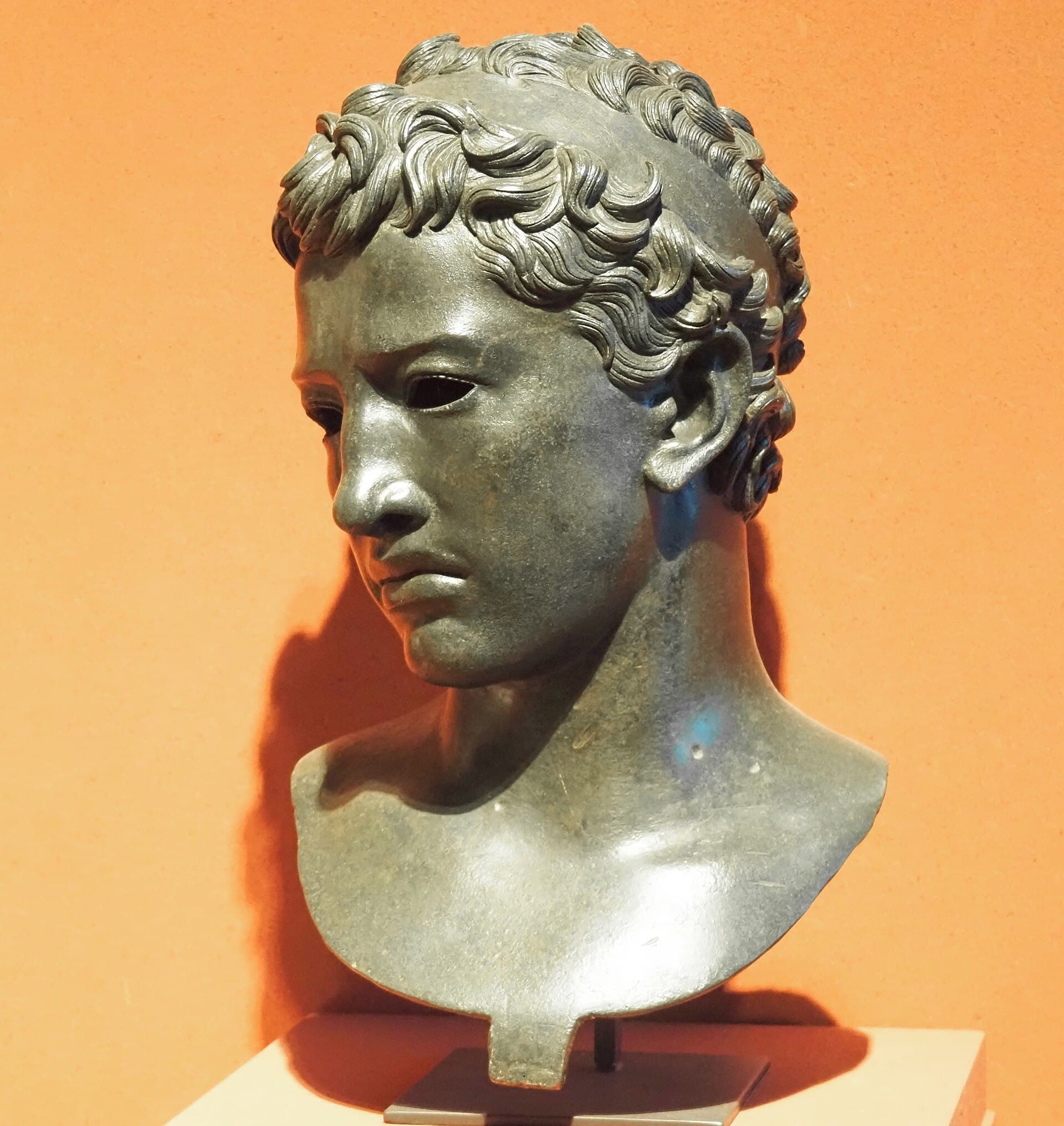 Museum of History and CivilizationsMorocco's national archaeological museum, founded in 1932 as the Rabat Archaeolo14 minutes walk
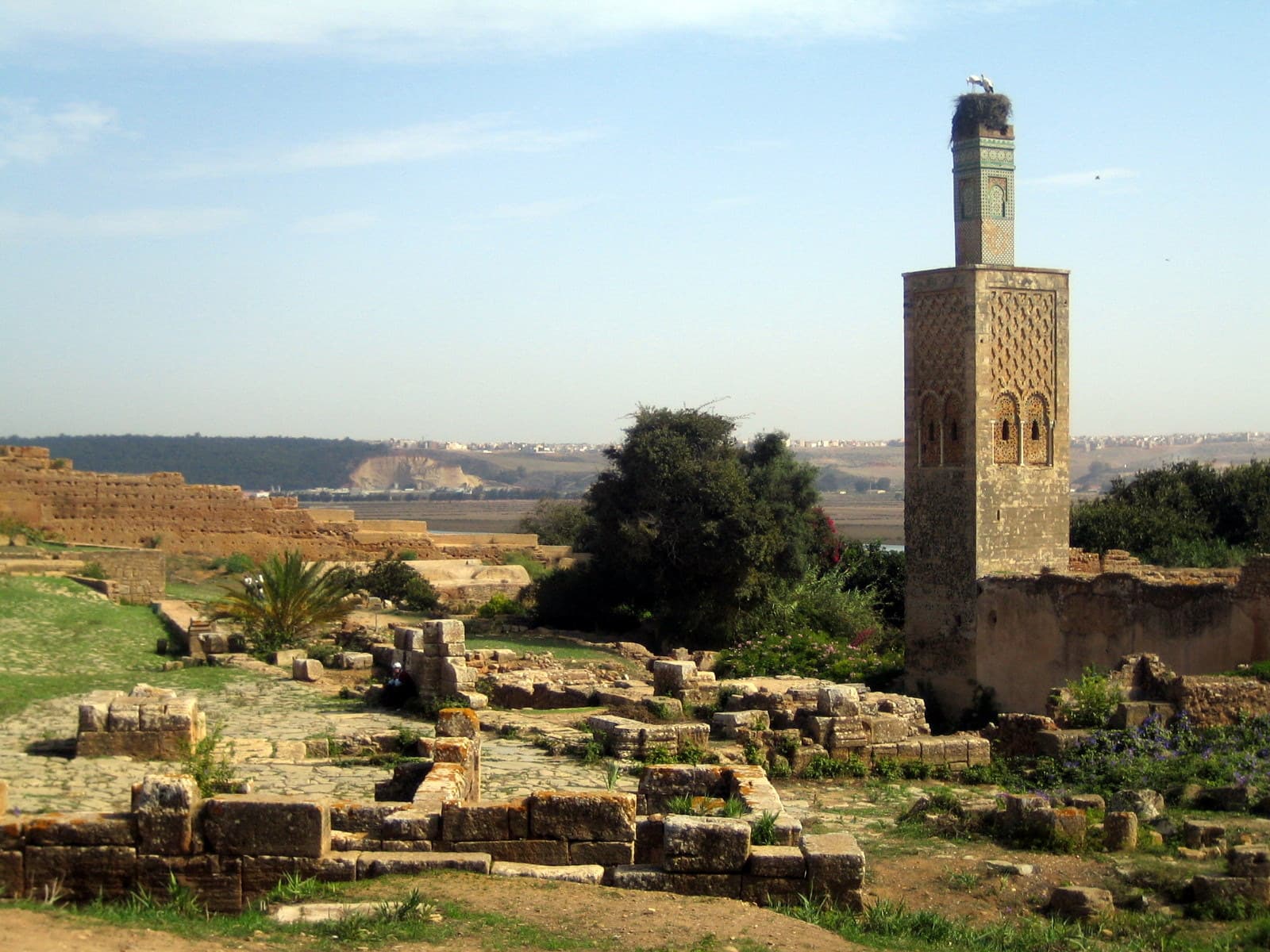 ChellahA walled archaeological site on the south bank of the Bou Regreg River where lay17 minutes walk
No, it is an official residence closed to visitors; people walk the Mechouar and see its facade when the square is open.