
Juba II
Bronze bust of a king.
Laci3 — CC0 · Laci3 — CC0 · Laci3 — CC0 · Ángel M. Felicísimo from Mérida, España — CC BY 2.0 · Laci3 — CC0 · Laci3 — CC0 · Ángel M. Felicísimo from Mérida, España — CC BY 2.0 · Ideophagous — CC BY-SA 4.0
Morocco's national archaeological museum, founded in 1932 as the Rabat Archaeological Museum and reopened under its present name in April 2017 after a full renovation. Its collections trace Morocco's history from prehistory through the Phoenician, Mauretanian and Roman eras to the Islamic period. Its best-known treasures are the Roman bronzes found at Volubilis, among them the bronze bust of King Juba II of Mauretania, the bust of Cato the Younger, the ephebe statues and the bronze dog of Volubilis, some of the finest ancient bronzes in North Africa. Other rooms hold prehistoric stone tools, ancient human remains, pottery, inscriptions, coins and objects from the Islamic era, in a clear modern display. An adult ticket costs twenty dirhams according to the National Museums Foundation; it opens from ten to six and closes on Tuesdays. It is ideal before or after a visit to Volubilis, to understand what was found there.
Bronze bust of a king.
Roman bronze.
Ancient stone tools.
Rue al-Brihi, near the Sunna Mosque, Rabat
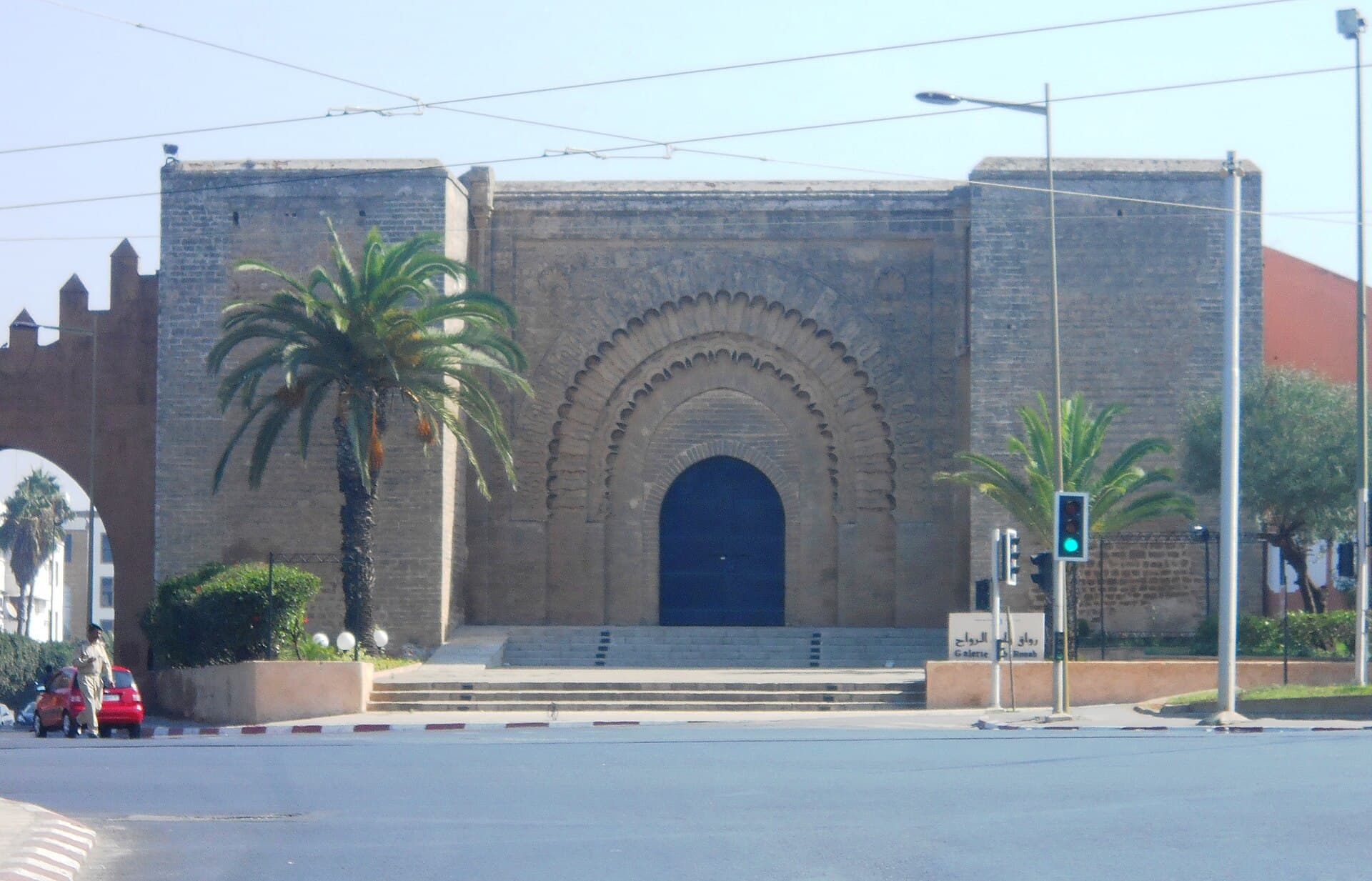 Bab er-RouahA monumental gate in Rabat's Almohad walls, built by Caliph Yaqub al-Mansur in t7 minutes walk
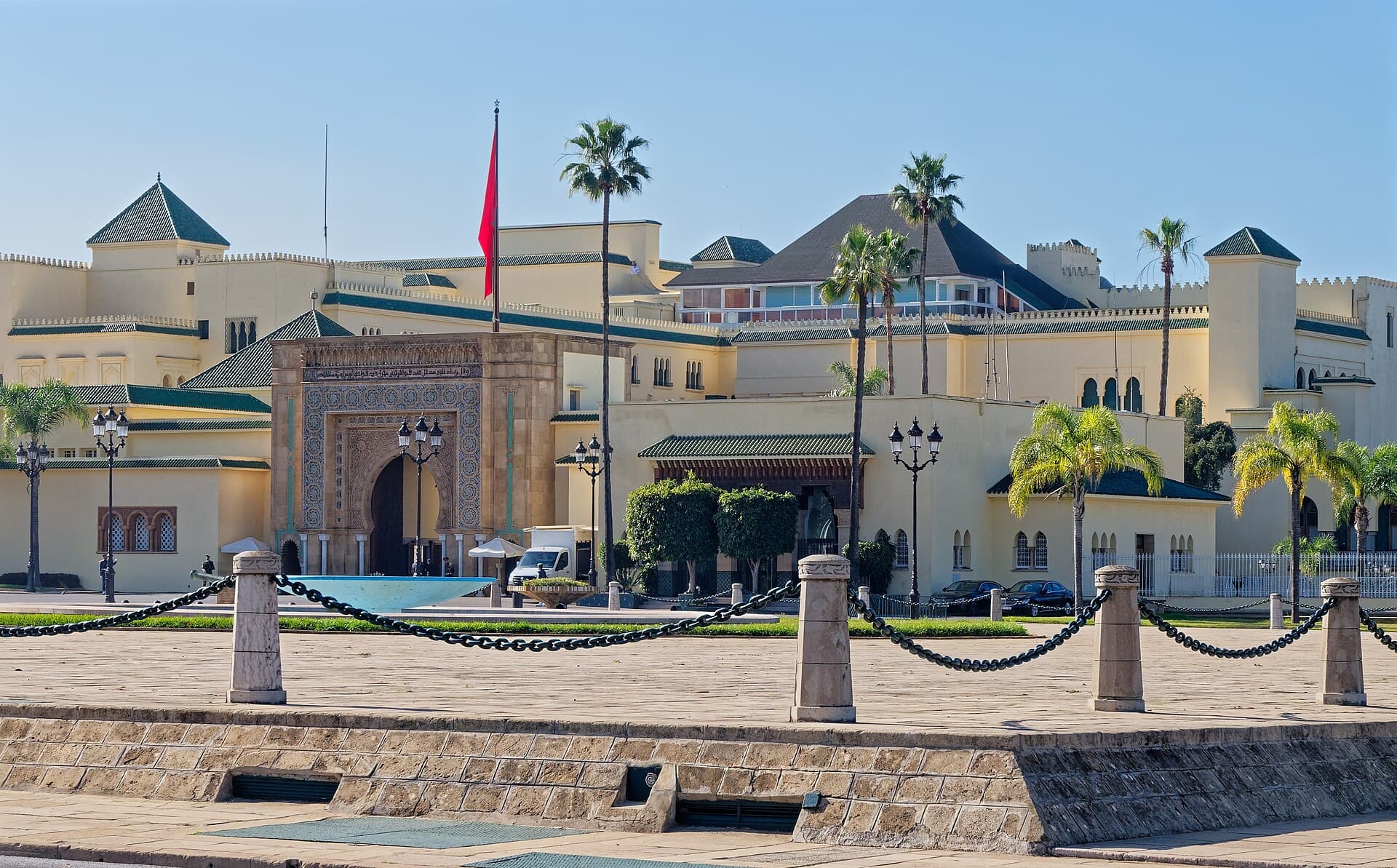 Royal Palace of Rabat (Dar al-Makhzen)The King of Morocco's main official residence in Rabat, in the Touarga district,14 minutes walk
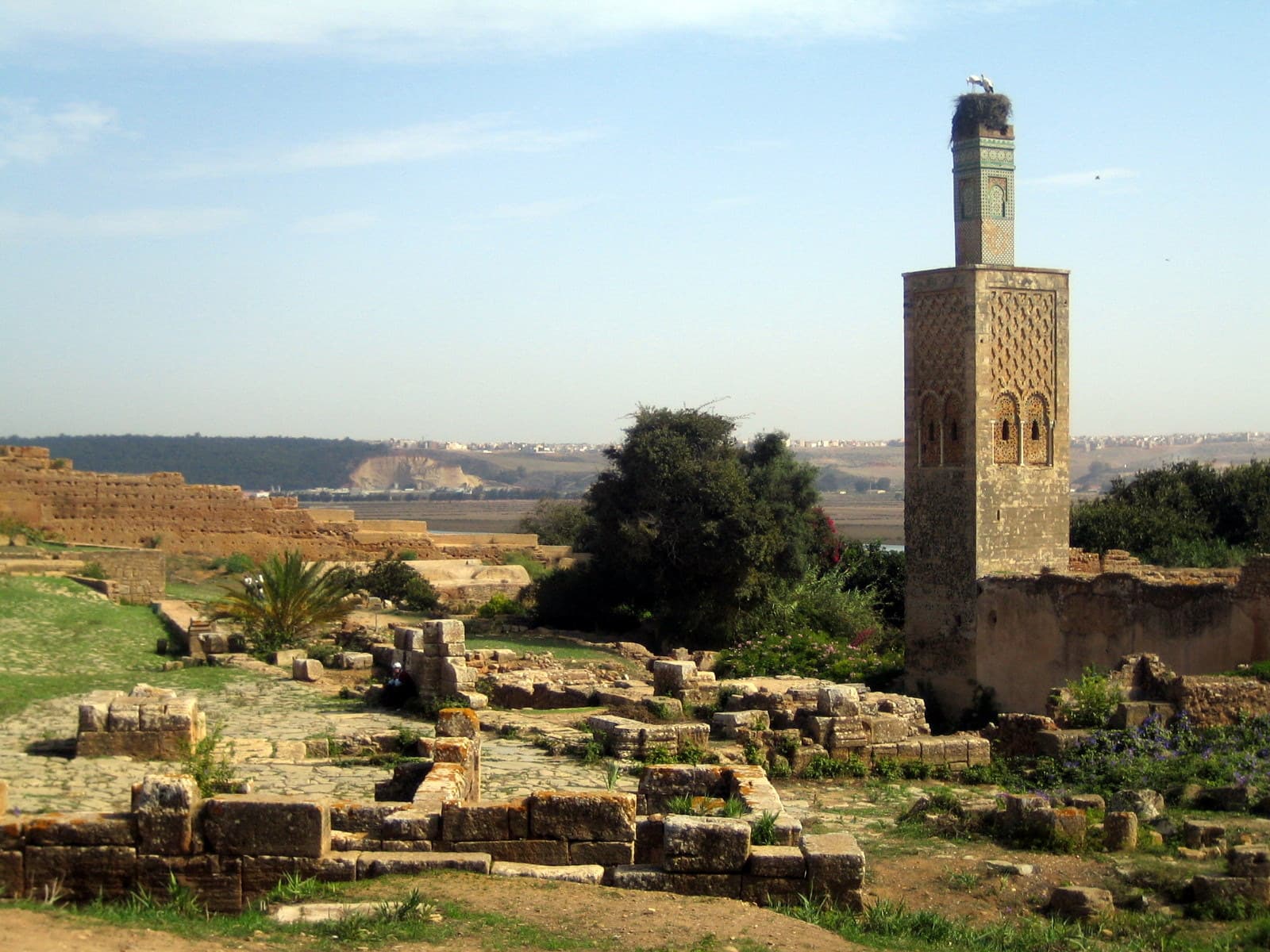 ChellahA walled archaeological site on the south bank of the Bou Regreg River where lay16 minutes walk
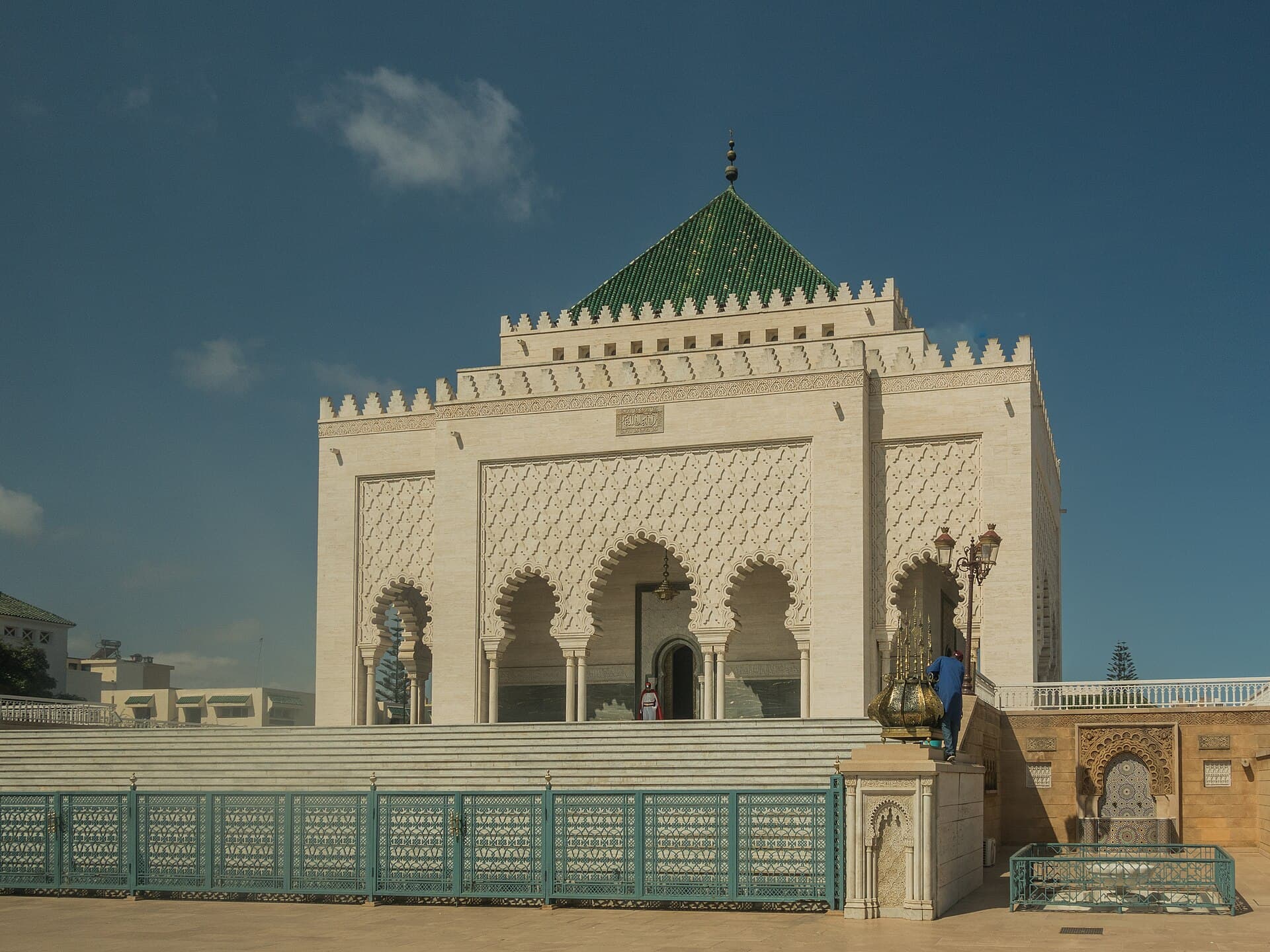 Mausoleum of Mohammed VA royal mausoleum facing the Hassan Tower, holding the tomb of King Mohammed V, 17 minutes walk
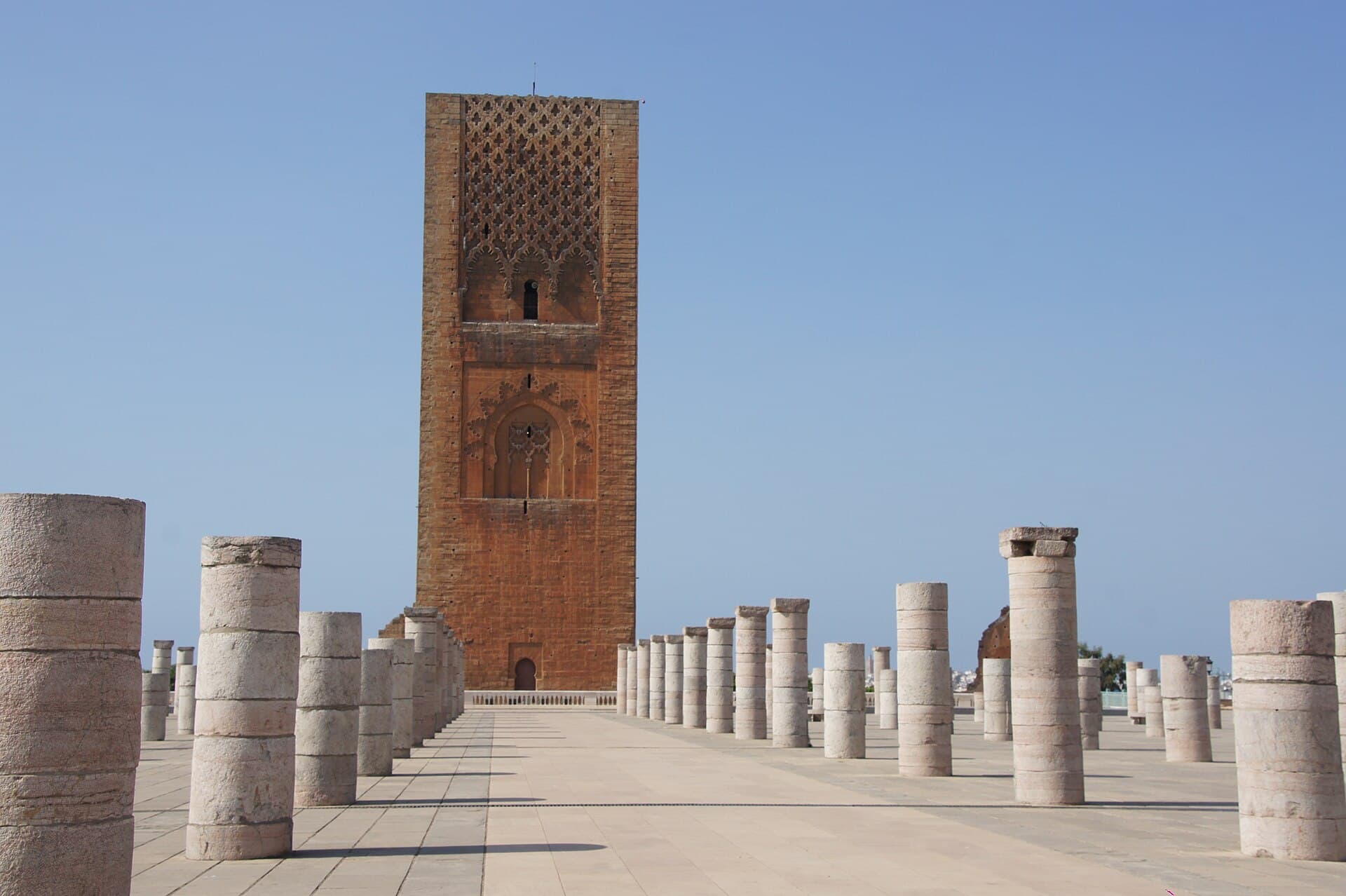 Hassan TowerThe minaret of an unfinished mosque commissioned by the Almohad caliph Yaqub al-17 minutes walk
Yes, the finest bronzes found at Volubilis are shown here, and the museum completes the picture you see at the site.