Ho Kham Luang
A royal Lanna pavilion.
Iain Cameron — CC BY 2.0 · Iain Cameron — CC BY 2.0 · Iain Cameron — CC BY 2.0 · This Photo was taken by Supanut Arunoprayote. Feel free to use any of my images, but please mention me as the author and may send me a message. (สามารถใช้ภาพได้อิสระ แต่กรุณาใส่เครดิตผู้ถ่ายและอาจส่งข — CC BY 4.0 · Iain Cameron — CC BY 2.0
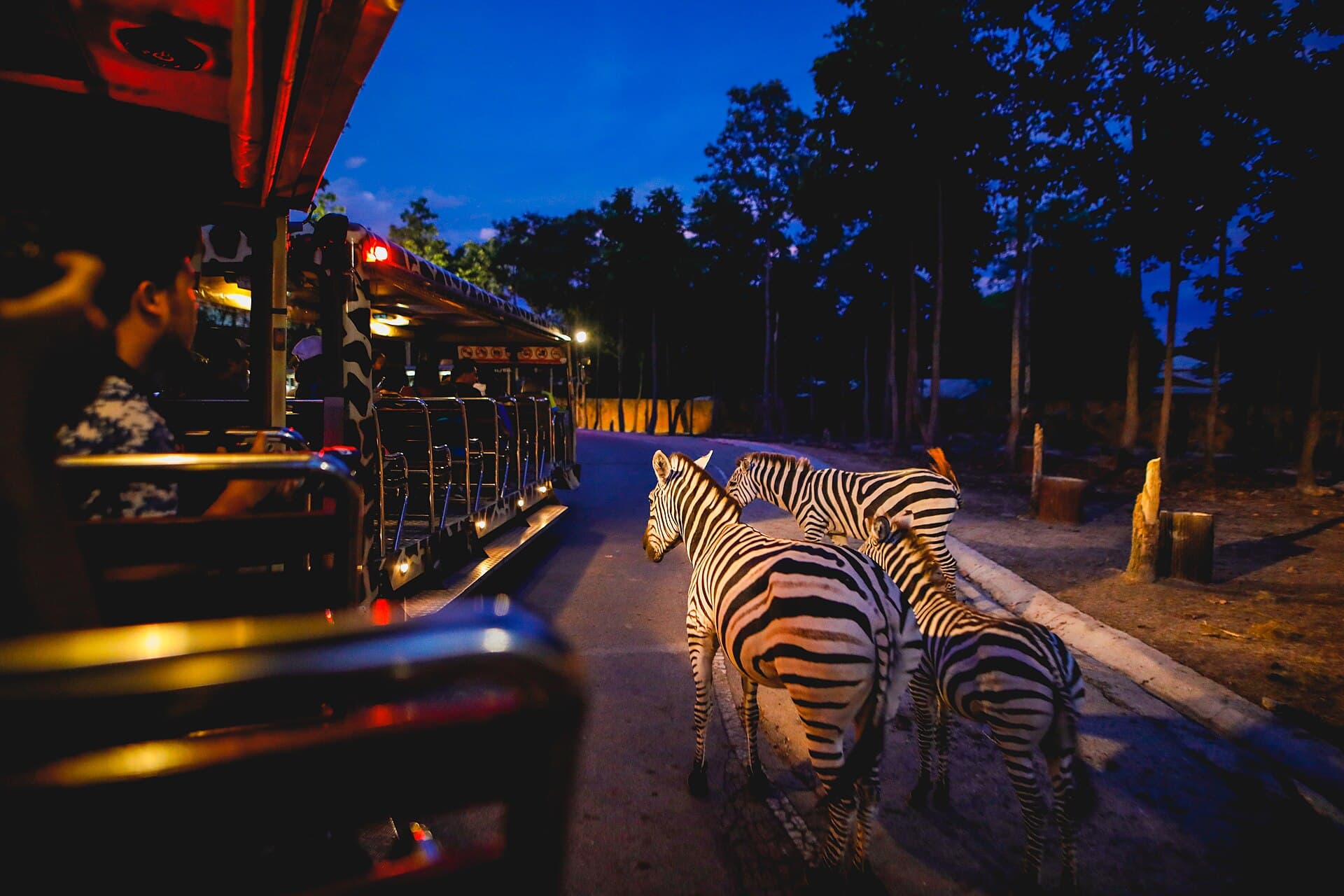
A large park south-west of Chiang Mai, created for the international flower expo held in 2006 to mark sixty years of King Bhumibol's reign, and kept as a public garden afterwards. It is named after the ratchaphruek tree with its yellow blossom, Thailand's national tree. At its centre stands Ho Kham Luang, a superb royal pavilion in northern Lanna style with carved, tiered timber roofs, fronted by colourful flower beds and broad walks. Around it lie gardens representing countries that took part in the expo, among them Japanese, Bhutanese and Chinese gardens with their own architecture, orchid and tropical plant houses, and shaded walks under flower-covered pergolas. Entry is about two hundred baht per adult and a hundred per child, it opens from eight in the morning until six in the evening, and a small tram runs between sections. The grounds are open and sunny, so bring a hat and water; morning and late afternoon are best. The park is at its finest in the cool season from November to February, when the flowers are full and a flower festival is held. It is near the Chiang Mai Night Safari, so the two make one day: the park in the afternoon, then the night safari in the evening.
A royal Lanna pavilion.
Japanese, Bhutanese, Chinese.
At their peak in the cool season.
Mae Hia, south-west Chiang Mai near the Night Safari
In the cool season from November to February, when the flowers bloom and the flower festival is held.