The walls
And courtyards.
Diego Delso — CC BY-SA 3.0 · You may re-use this image under the terms of the license using the following reference: Image: Wikipedia / Tobias Klenze / CC-BY-SA 4.0. The license must be a link! — CC BY 3.0 · DGA05 — CC BY-SA 4.0 · DGA05 — CC BY-SA 4.0 · Gerimema2 — CC BY-SA 4.0 · Reading and parsing — CC BY-SA 4.0 · Arianit Dobroshi — CC BY-SA 4.0 · Arianit Dobroshi — CC BY-SA 4.0
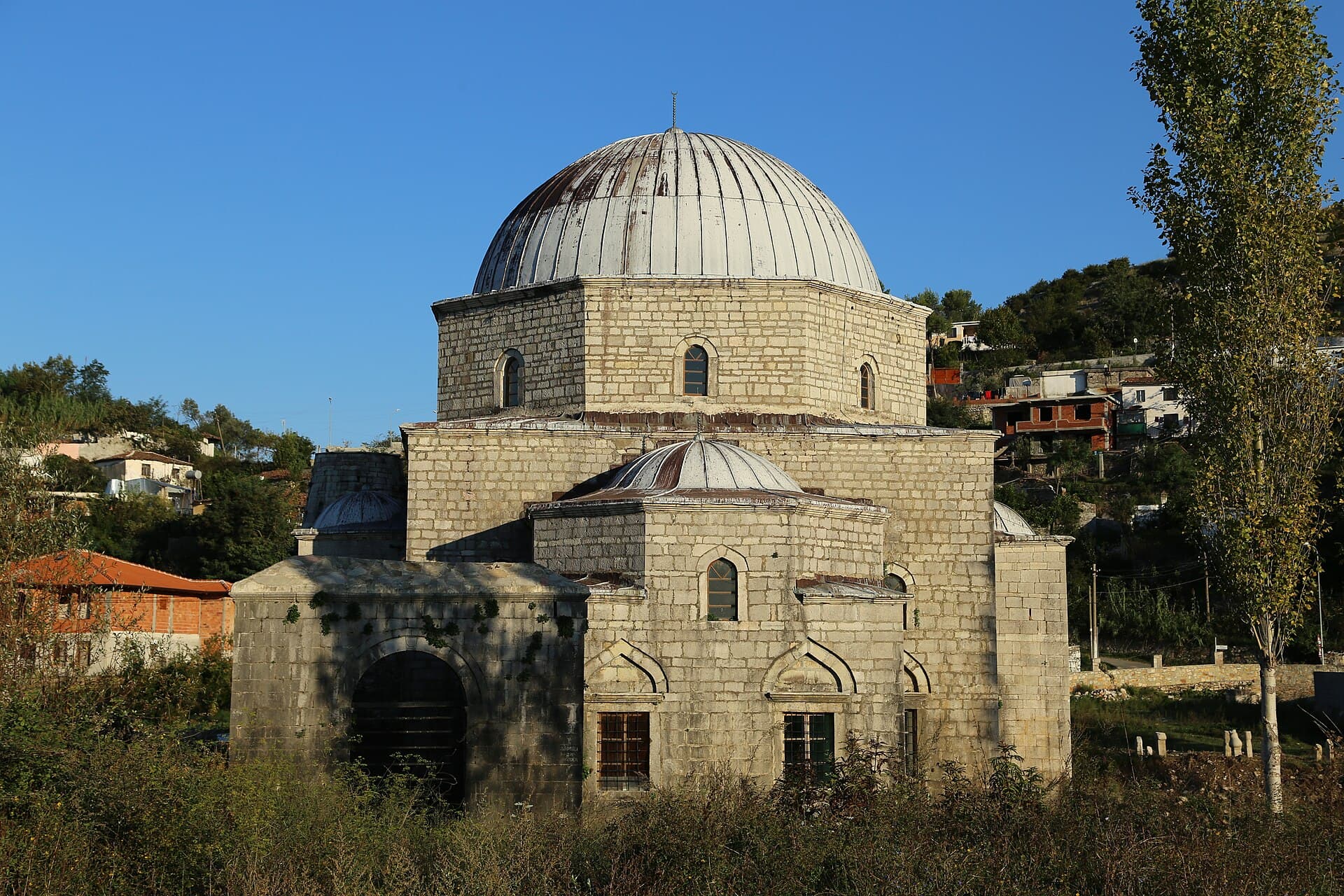
A castle on a rocky hill 130 m above Shkodër in northwest Albania, ringed by the Buna and Drin rivers. The hill has been settled since the Early Bronze Age, and its oldest walls date from the fourth and third centuries BC. It was the heart of the Illyrian city of Skodra and passed through many hands; what you see today is mostly Venetian and Ottoman, with long walls, gates and a series of courtyards. Inside are the remains of a church turned mosque, cisterns and a small museum, and the top gives wide views over Shkodër, its great lake, the rivers and the surrounding mountains. The castle is tied to a famous folk legend about a woman named Rozafa. Entry is about 400 lek, per visitor guides, with the museum extra. The way up is a steep cobbled road, and the best time is just before sunset over the lake.
And courtyards.
From above.
Of Rozafa.
On the hill southwest of Shkodër
Shkodër and its great lake, the Buna and Drin rivers and the surrounding mountains, best just before sunset.