
Newer than they look
The style is neoclassical but the gardens were made in the 1930s on the palace stables' site.
r0x sm — CC BY-SA 2.0 · Carlos Delgado — CC BY-SA 3.0 · Jules Verne Times Two — CC BY-SA 4.0 · Américo Toledano — CC BY-SA 4.0
Formal gardens on the north side of Madrid's Royal Palace, laid out in the neoclassical manner with symmetrical beds, straight walks and a rectangular pool at the centre. Although they carry the name of the Italian architect Francesco Sabatini, who worked on the palace in the eighteenth century, the gardens themselves are far more recent: they were created in the 1930s on the site of the palace's former stables and opened to the public in the 1960s. Their practical value to a visitor is double. First, they are free and open, while entering the palace itself means a ticket and queues. Second, they are the best place to photograph the palace's whole northern facade, an angle you do not get from the Plaza de Oriente in front of the entrance. The gardens step down with the ground, so walking them involves stairs. Sunset is the best hour: the sun drops behind the Guadarrama mountains and the palace lights up, one of the finest sights in Madrid and among the cheapest.
The style is neoclassical but the gardens were made in the 1930s on the palace stables' site.
The lit palace from the gardens is among Madrid's best sights, and it costs nothing.
The gardens step down with the ground, so walking them involves stairs.
Calle de Bailén, north side of the Royal Palace, Madrid
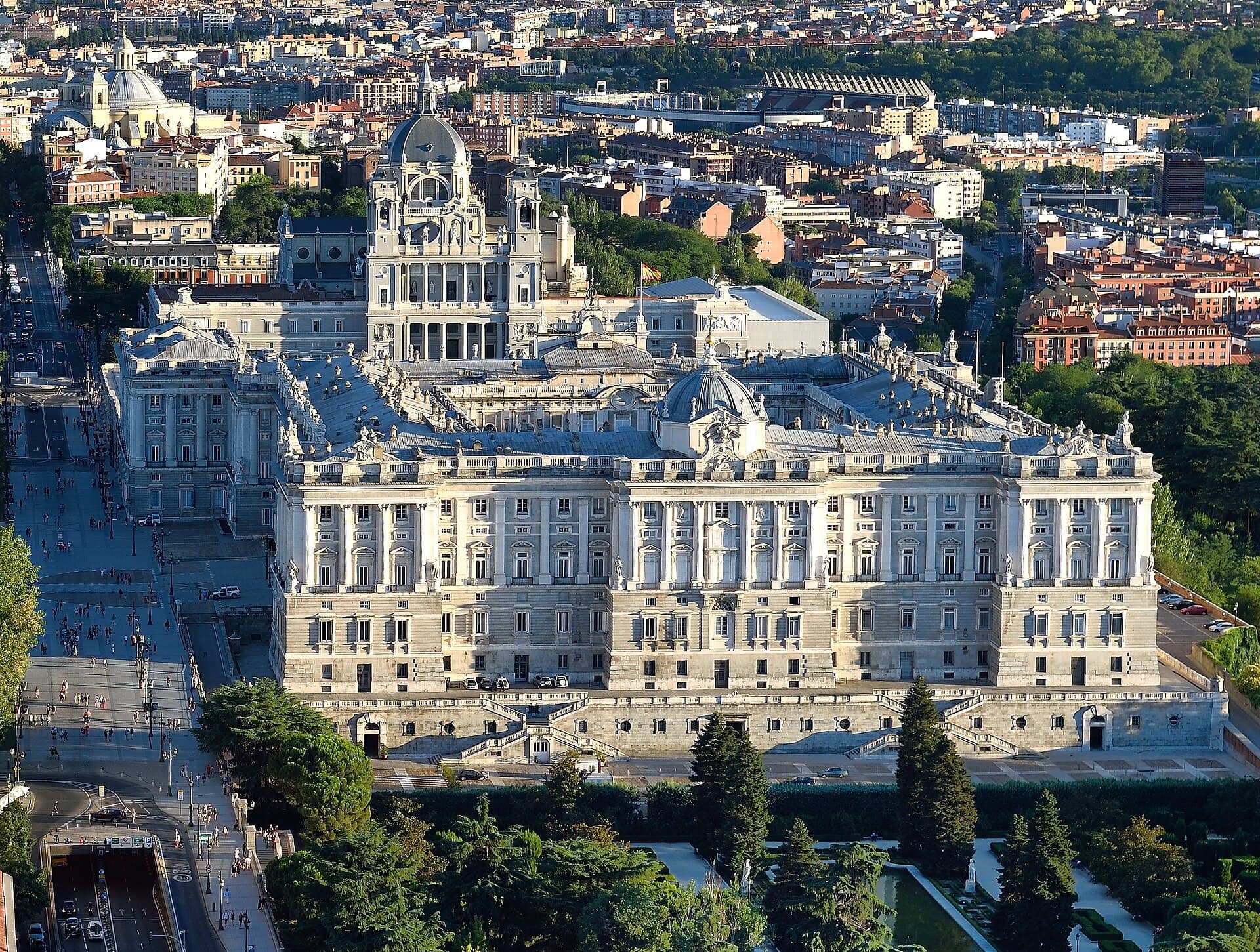 Royal Palace of MadridMadrid's Royal Palace is western Europe's largest working palace: 135,000 square3 minutes walk4.6
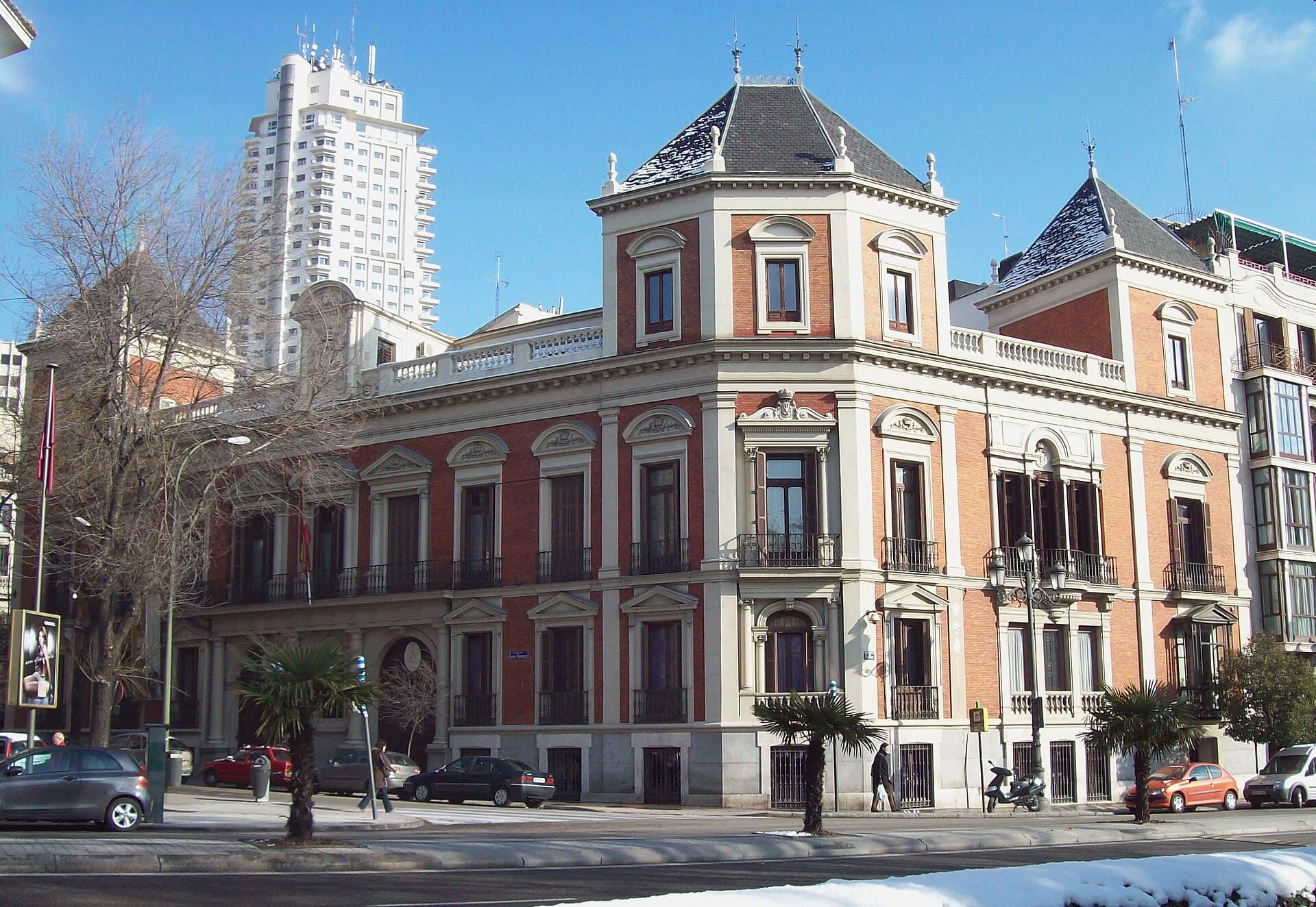 Cerralbo MuseumCerralbo is an aristocratic house near Plaza de España. The marquis built it to 5 minutes walk4.6
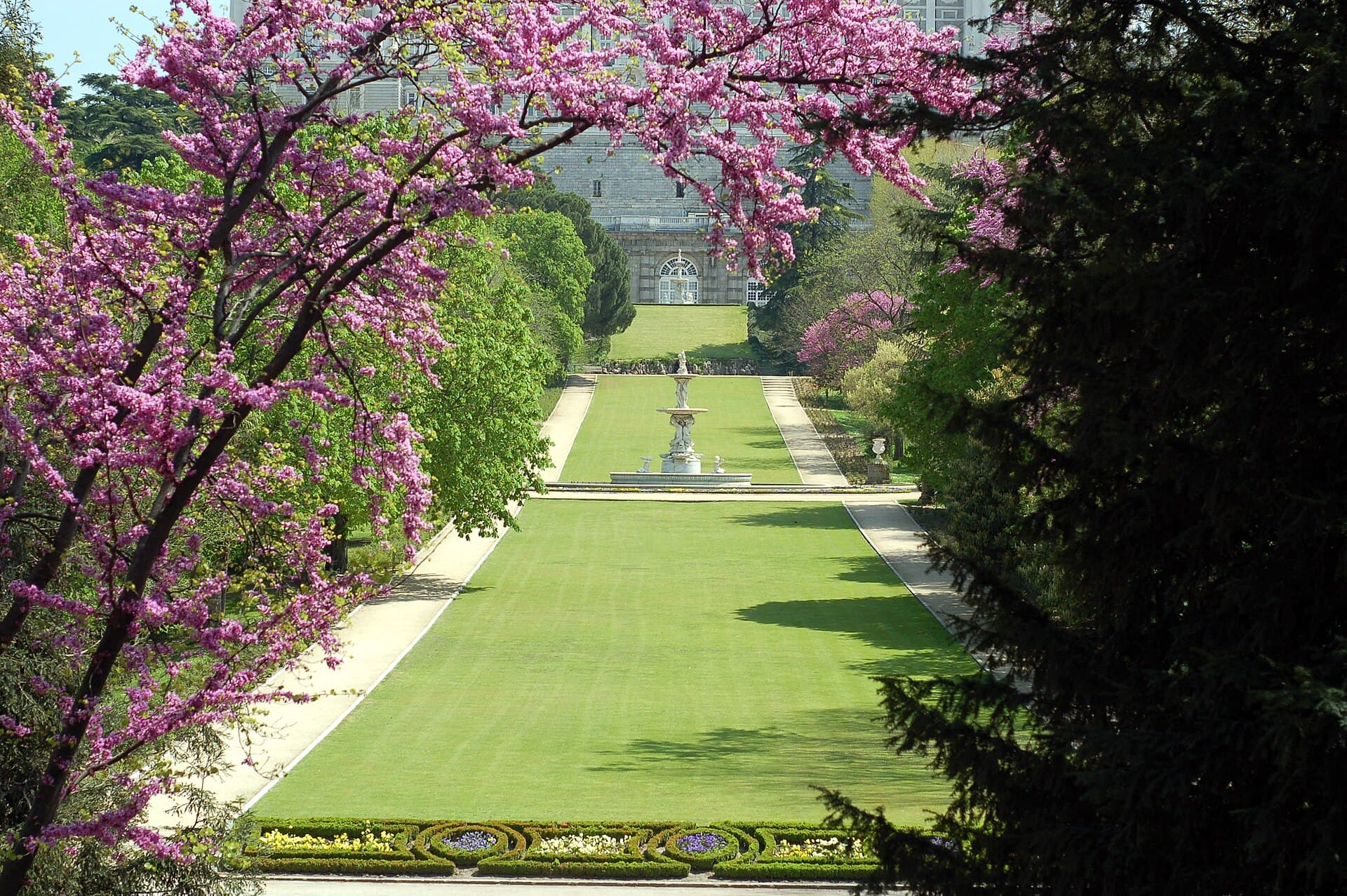 Campo del Moro GardensThe Campo del Moro — "the Moor's field" — is the Royal Palace's garden falling t6 minutes walk4.7
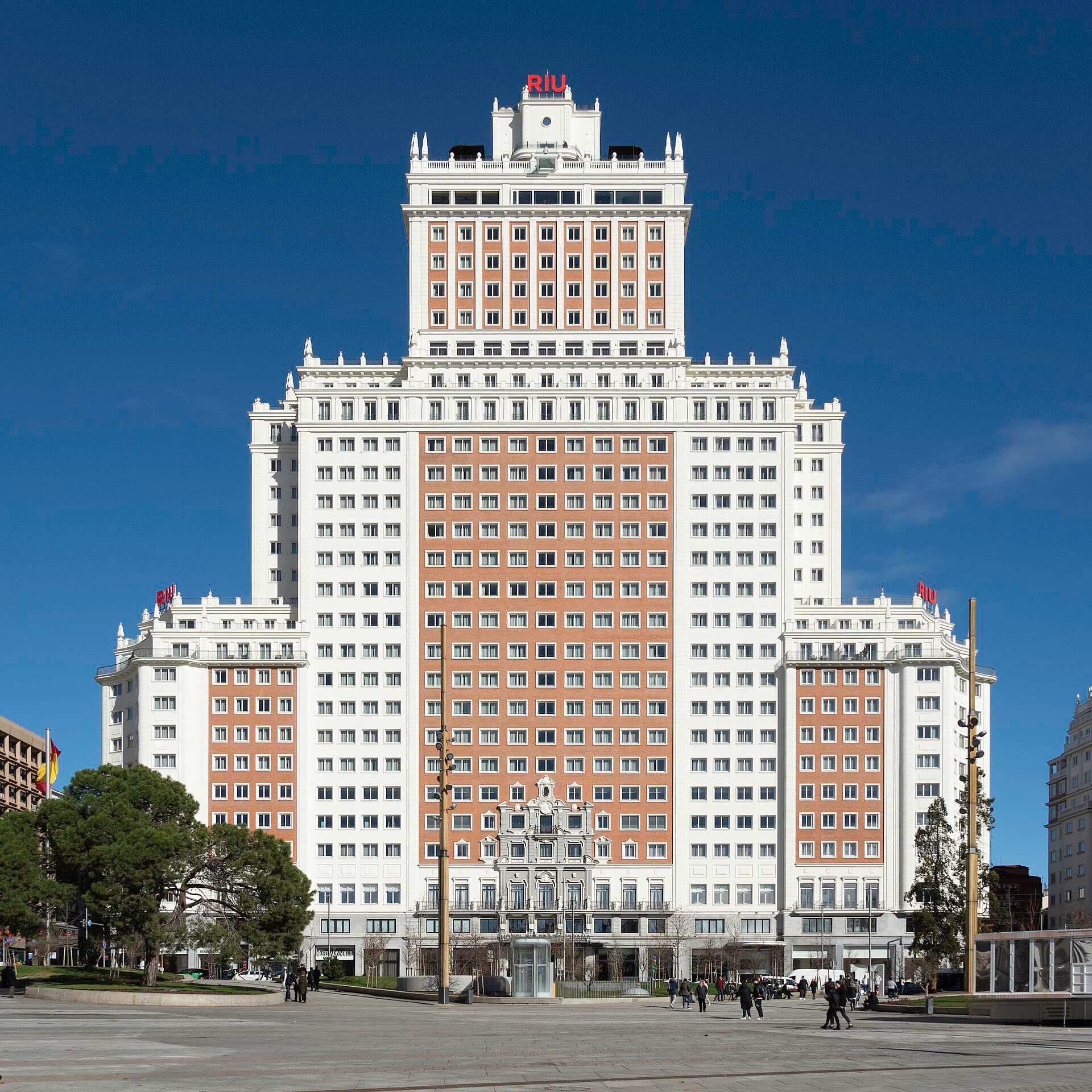 Edificio EspañaA heavy brick tower on a stone base dominates Plaza de España, built between 1946 minutes walk4.8
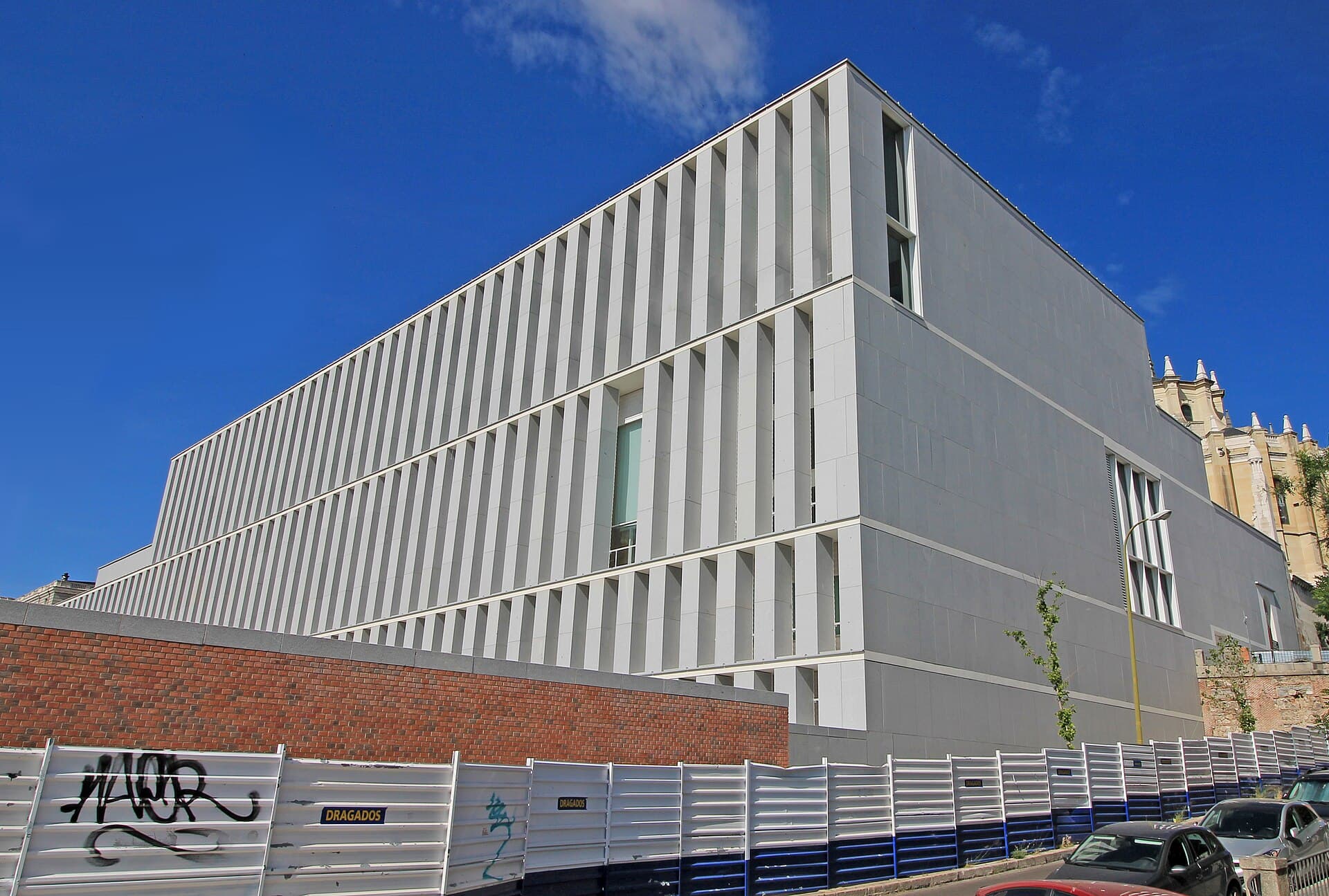 Royal Collections GalleryThe gallery opened in summer 2023 beside the Royal Palace. From the palace espla6 minutes walk4.7
No. The gardens are a free public space with their own entrance on Calle de Bailén, and you can visit with no connection to the palace at all. Many visitors do exactly that when the palace queues are long.
Campo del Moro lies on the palace's western side and is larger and more naturalistic in the English manner; Sabatini is on the north, smaller and more formal. Sabatini is easier to reach from the centre, while Campo del Moro gives a wider view of the palace from below.