
Green dome
Onion-shaped.
uuooioi — CC BY-SA 4.0 · EditQ — CC BY-SA 4.0 · Photo by Lin Yang — CC BY-SA 3.0 · Nemo-captian — CC BY-SA 3.0 · EditQ — CC BY-SA 4.0 · 闫恩铭 / Enming Yan — CC BY-SA 4.0 · 董辰兴 — CC BY-SA 4.0 · ping lin — CC BY-SA 3.0
Harbin's best-known landmark, a former Russian Orthodox church crowned by a huge green onion dome 53.3 metres high and described as the largest Orthodox church in the Far East; today it is an architecture museum where no services are held. It began in 1907 as a timber church for a Russian infantry division and was rebuilt in brick between 1923 and 1932 in a Russian-Byzantine style; closed in 1958, it was damaged and used as a department store's warehouse until its restoration in 1997 as the Harbin Architecture Art Museum. Inside, an exhibition of old photographs tells the story of the city that grew up with the Russian railway, and around it lies a wide square full of pigeons; lit up at night, the cathedral becomes one of the city's loveliest sights. Tickets are about CNY 20, with opening from 8:30 to 21:00, per visitor guides. The square is free, and for many the floodlit exterior at night is reason enough to come.
Onion-shaped.
Inside.
And its pigeons.
Sophia Square, Daoli District, Harbin
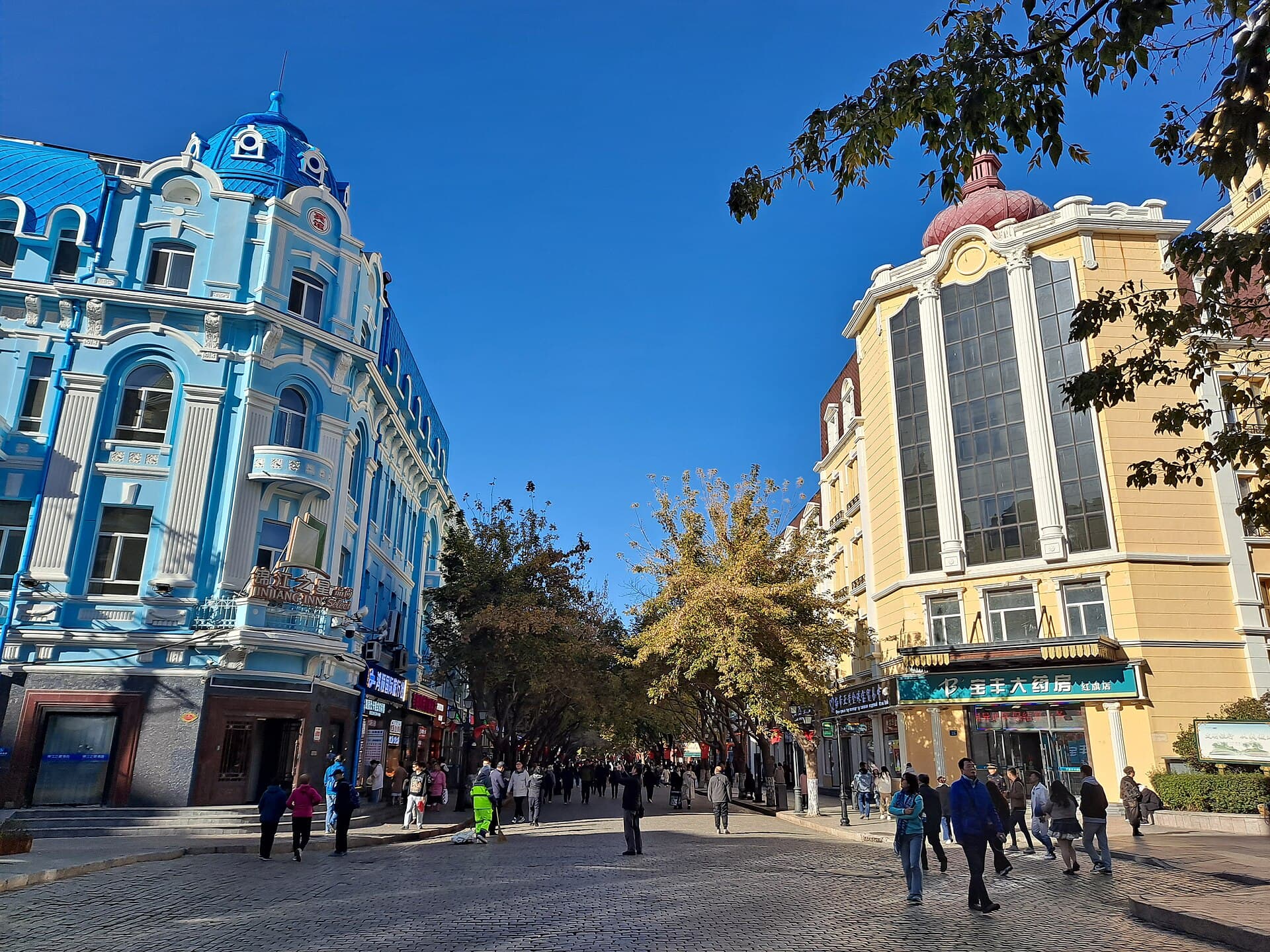 Central Street (Zhongyang Street)Harbin's best-known street, a cobbled pedestrian street 1,450 metres long runnin9 minutes walk4.4
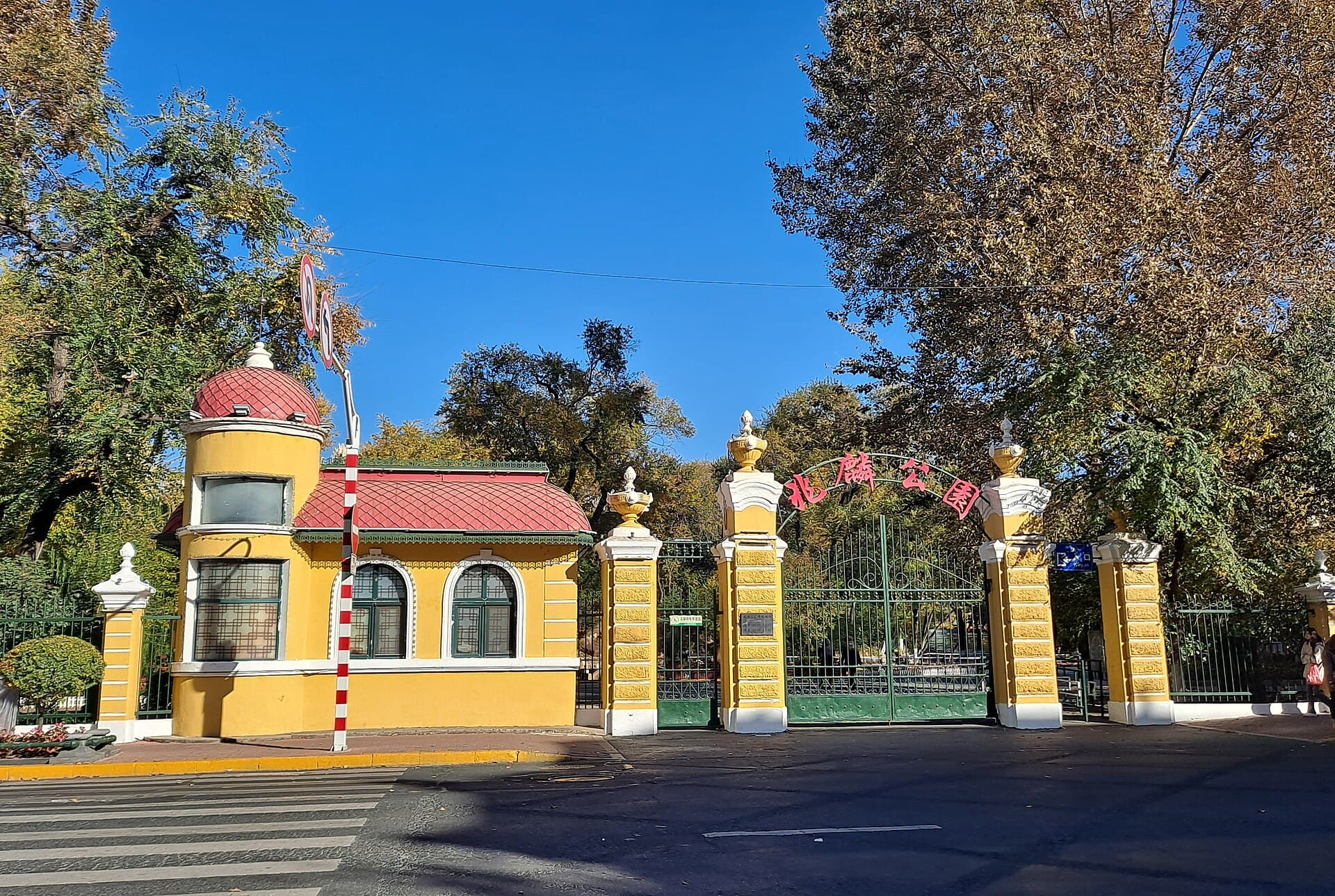 Zhaolin ParkHarbin's oldest park, laid out by the Chinese Eastern Railway administration in 11 minutes walk4.1
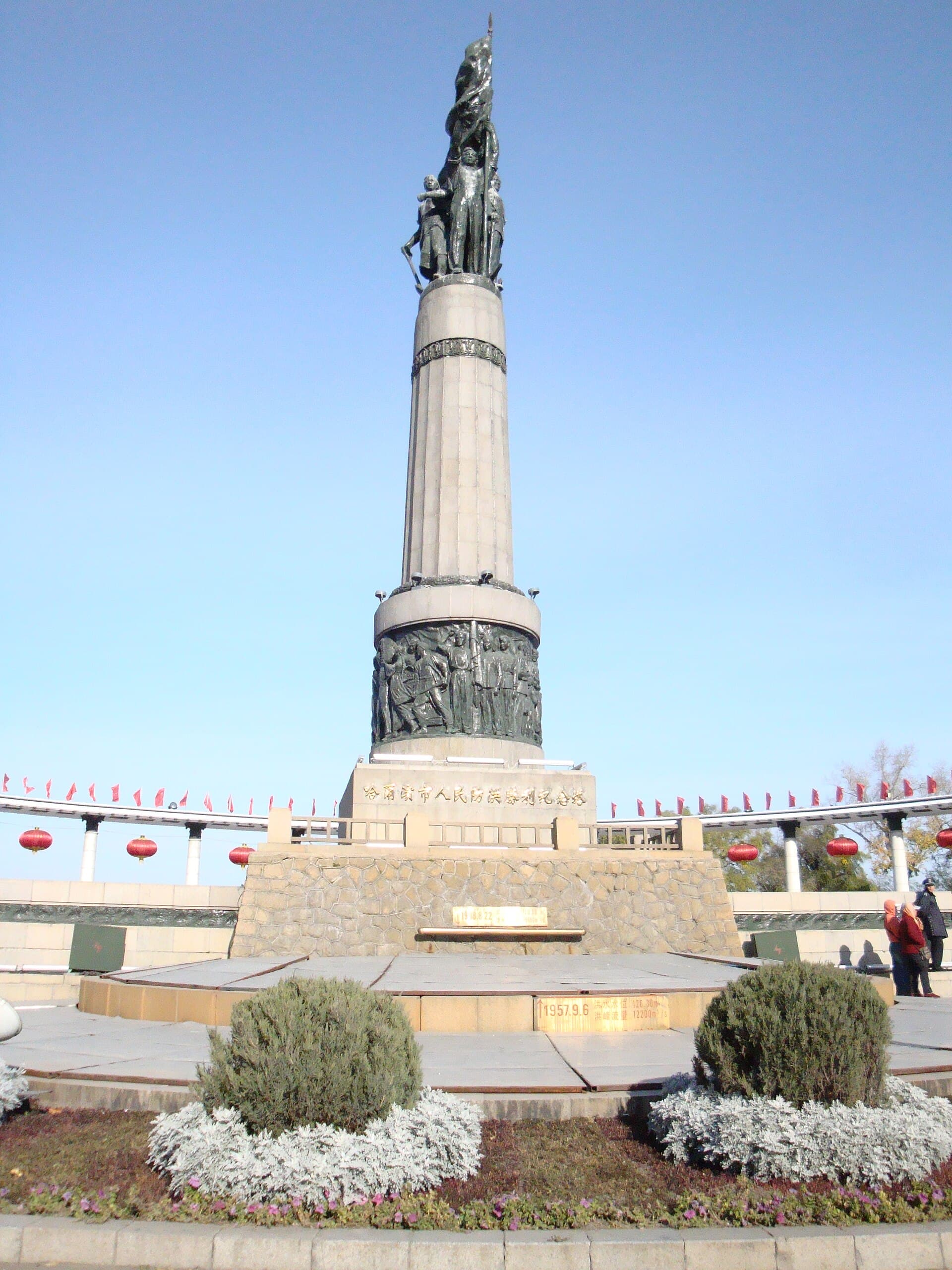 Flood Control Monument and Stalin ParkA landmark on the bank of the Songhua River right at the end of Central Street, 18 minutes walk4.5
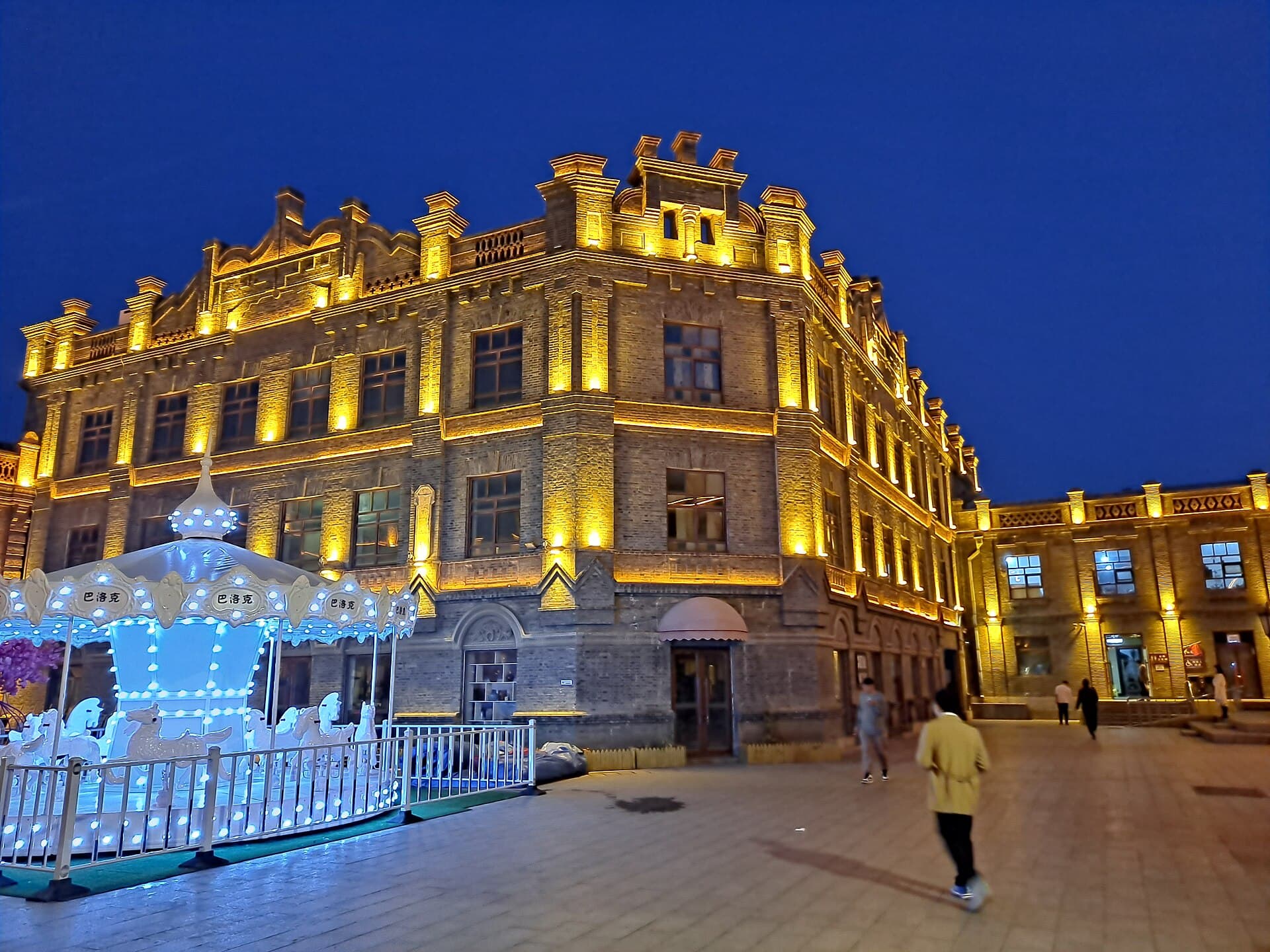 Laodaowai Chinese Baroque QuarterHarbin's old Chinese quarter, where Chinese residents lived in the 1920s apart f21 minutes walk4.3
No, since 1997 it has been an architecture museum showing old photographs of Harbin; tickets are about CNY 20, per visitor guides.