St Nino's home
Where Georgian Christianity began.
Zysko serhii — CC BY-SA 4.0 · Zysko serhii — CC BY-SA 4.0 · Marcin Konsek — CC BY-SA 4.0 · Stefano Bolognini (uploader Giorgi Balakhadze) — CC BY-SA 2.0 · Lasha ge — CC BY-SA 4.0
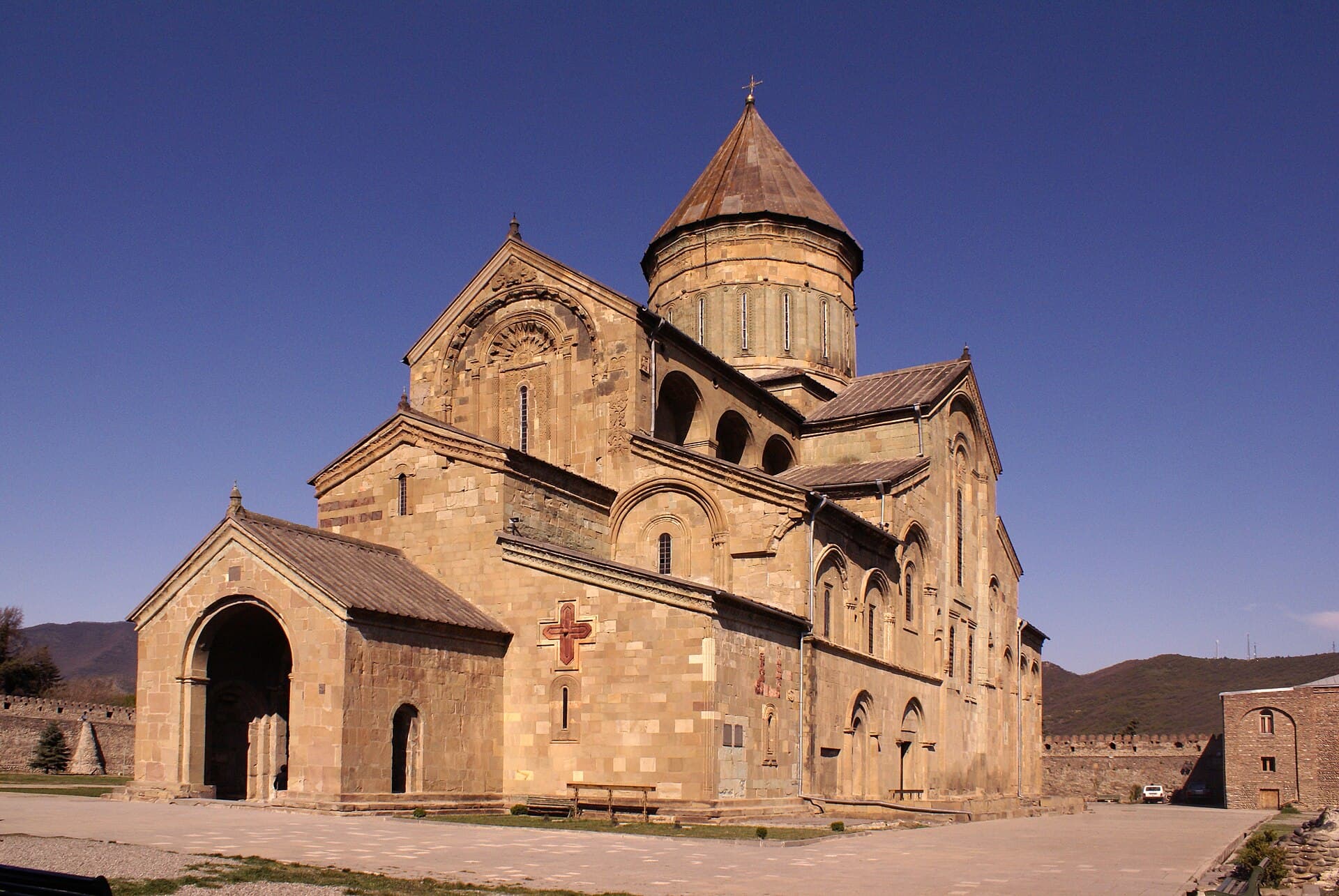
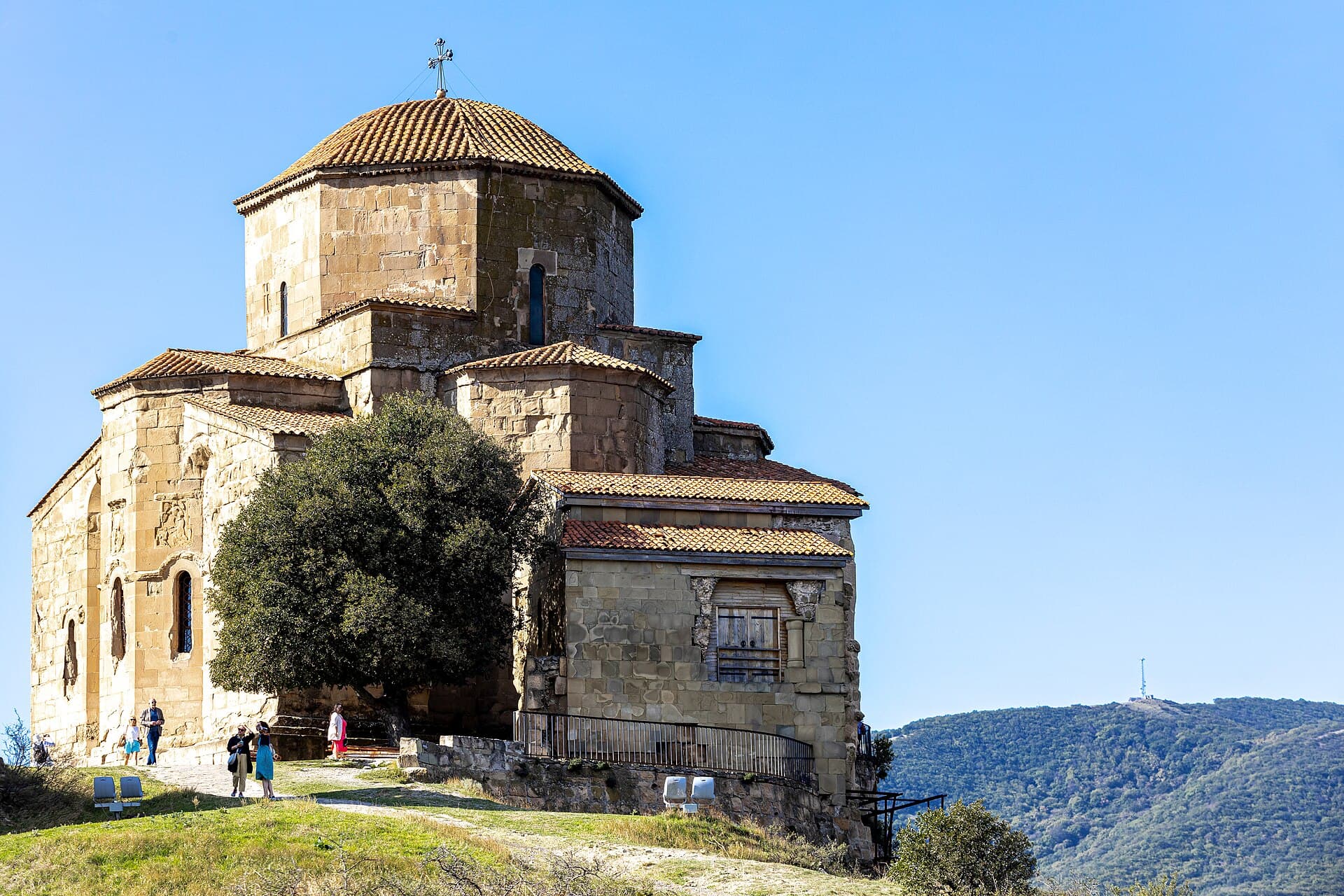
A nunnery in Mtskheta, Georgia's ancient capital and a UNESCO World Heritage Site, standing where tradition says St Nino, who brought Christianity to Georgia in the fourth century, lived in a small hut under a mulberry tree. It holds the tombs of King Mirian III and Queen Nana, the first rulers to convert. Its landmark is the eleventh-century stone Cathedral of the Transfiguration, with a tall dome and carved façades, and a small chapel of St Nino in the garden. The monastery also holds the tomb of the monk St Gabriel, who died in 1995 and draws many Georgian pilgrims seeking blessings, so the place is often busy with worshippers. Entry is free. Modest dress is expected at monasteries: shoulders and knees covered, and women cover their hair; scarves and wraps are usually lent at the gate. It is an active place of worship, so keep your voice down and do not photograph inside the churches during services. It is ten minutes' walk from Svetitskhoveli Cathedral, so pair them with Jvari monastery in one day from Tbilisi.
Where Georgian Christianity began.
From the eleventh century.
Mirian and Nana.
North of central Mtskheta, the old capital, about 20 km north of Tbilisi
Svetitskhoveli is the town's great cathedral; Samtavro is a nunnery tied to St Nino and the first Christian rulers' tombs, minutes apart.