
The top gallery
After 287 steps that narrow to a one-person stone tube, you look straight over the castle, the Old Town and the Firth of Forth.
Enrohm1963 — CC BY-SA 4.0 · Mike McBey — CC BY 2.0 · bryan... — CC BY-SA 2.0 · Olliebailie — CC BY-SA 4.0
The second-largest monument to a writer anywhere on earth, and nobody quite believes a novelist earned it. A soot-black Gothic spire climbs 61 metres out of Princes Street Gardens like a rocket carved from stone, all in honour of Sir Walter Scott, the man behind 'Ivanhoe' and 'Rob Roy' who invented the romantic Scotland that tourists still buy today. Its designer, George Meikle Kemp, was a self-taught joiner who entered the competition under a false name and then drowned in the Union Canal one foggy night in 1844, two years before his tower was inaugurated in August 1846. The black is not a design choice. It is a century and a half of chimney smoke baked into Binny sandstone, and in the early 1990s the council decided cleaning would do more damage than the grime, so it stays. From the ground you can count 64 statuettes of Scott's characters scattered across the pinnacles (there are 68 in all; four more hide up beside the top gallery), and at the base sits the author himself in white Carrara marble with his deerhound Maida, cut by John Steell from a single block. The exterior costs nothing and is genuinely the main event; plenty of people stop there and lose little. Going inside now means a short guided tour, departing every half hour from the kiosk at the base (card only, no advance booking, and no children under five). Then the climb: 287 steps on spiral stairs that tighten as you rise until the last stretch is a stone tube built for one person at a time, and the top gallery holds only a handful of people at once. The reward is the castle, the Old Town, the length of Princes Street and the Firth of Forth beyond. If you are broad-shouldered or dislike enclosed spaces, stop at the first or second gallery; the view loses surprisingly little. For Gulf families in summer: pushchairs are impossible and under-fives are barred anyway, so one parent minds the children in the gardens while the other climbs. In August, festival month, the kiosk queue grows and tour groups are small, so come before eleven and remember tours pause for lunch between 12:30 and 13:45. It opens year-round, but in winter daylight is gone by half past three in December and the tower shuts in high wind without much notice. Waverley station is three minutes' walk, which makes this the easiest landmark in Edinburgh to reach.
After 287 steps that narrow to a one-person stone tube, you look straight over the castle, the Old Town and the Firth of Forth.
Characters from Scott's novels perch across the black Gothic pinnacles, 64 of them visible for free from the gardens.
The author and his deerhound in white Carrara marble from a single block, six years of John Steell's work.
East Princes Street Gardens, Princes Street, EH2 2EJ
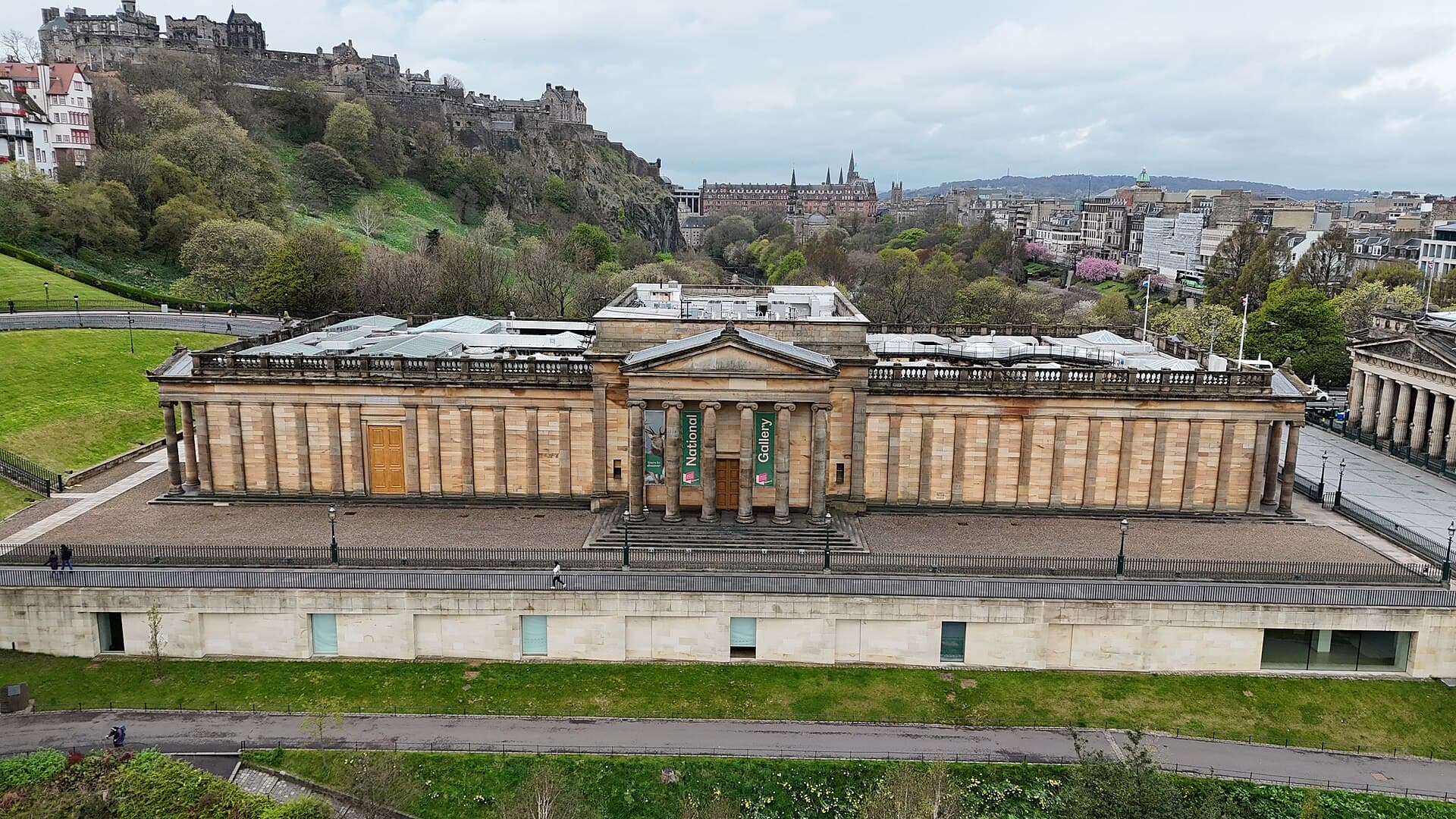 Scottish National GalleryThe most famous painting in Scotland is not a king or a battle but a thin clergy3 minutes walk4.8
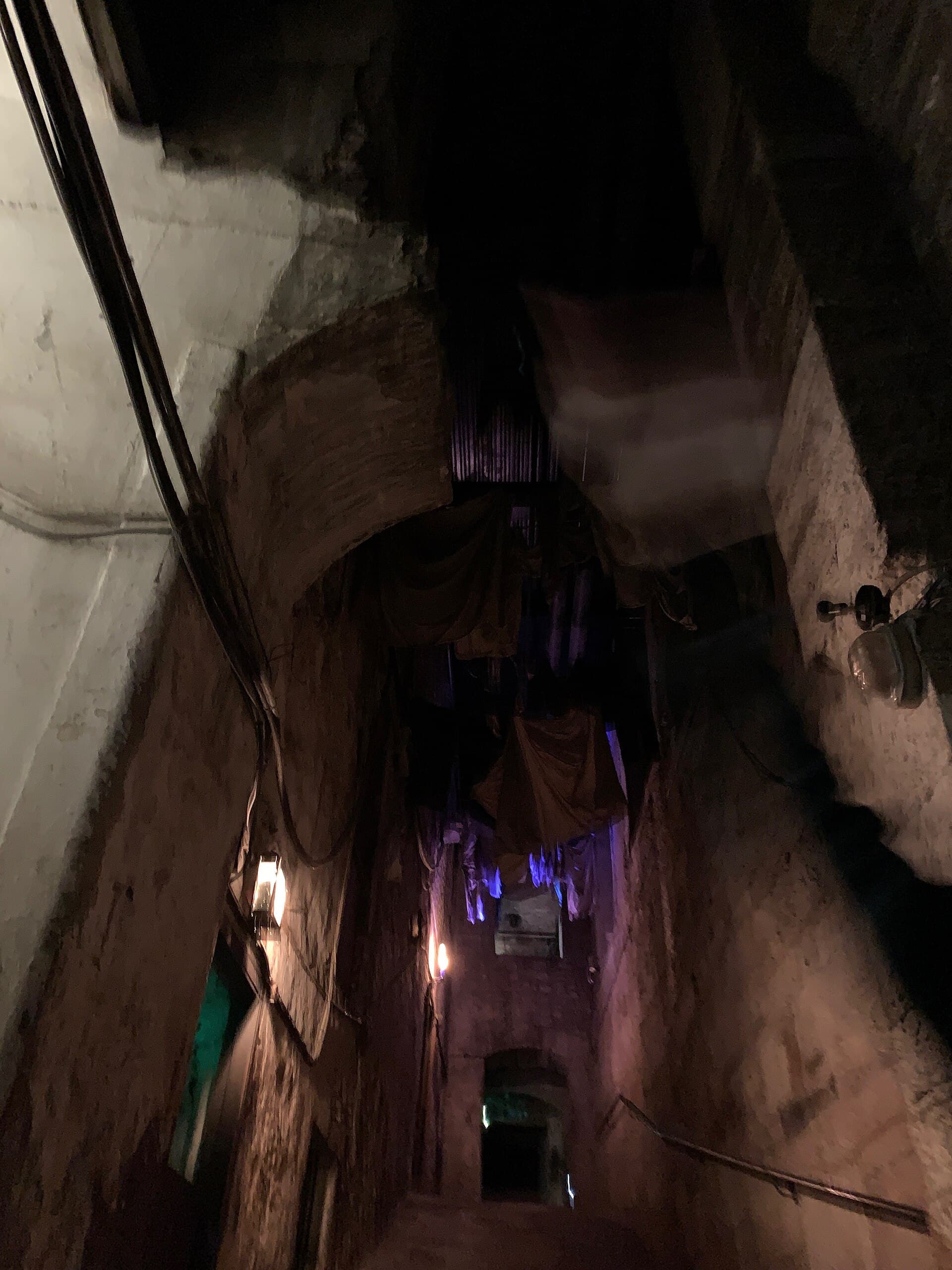 The Real Mary King's CloseBeneath the feet of the crowds on the Royal Mile, and directly under Edinburgh's4 minutes walk4.5
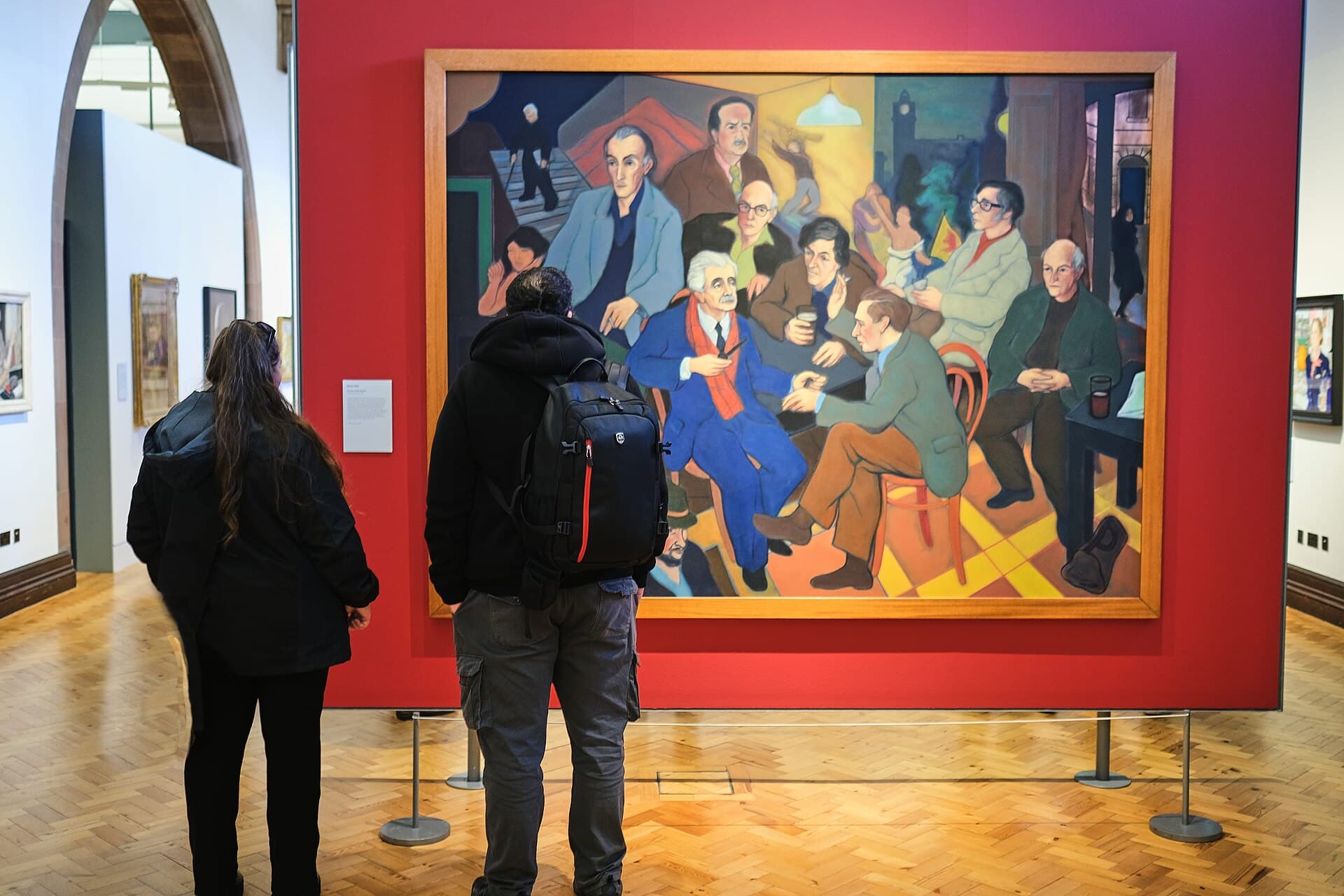 Scottish National Portrait GalleryA red-sandstone palace standing alone among the grey, disciplined terraces of th4 minutes walk4.6
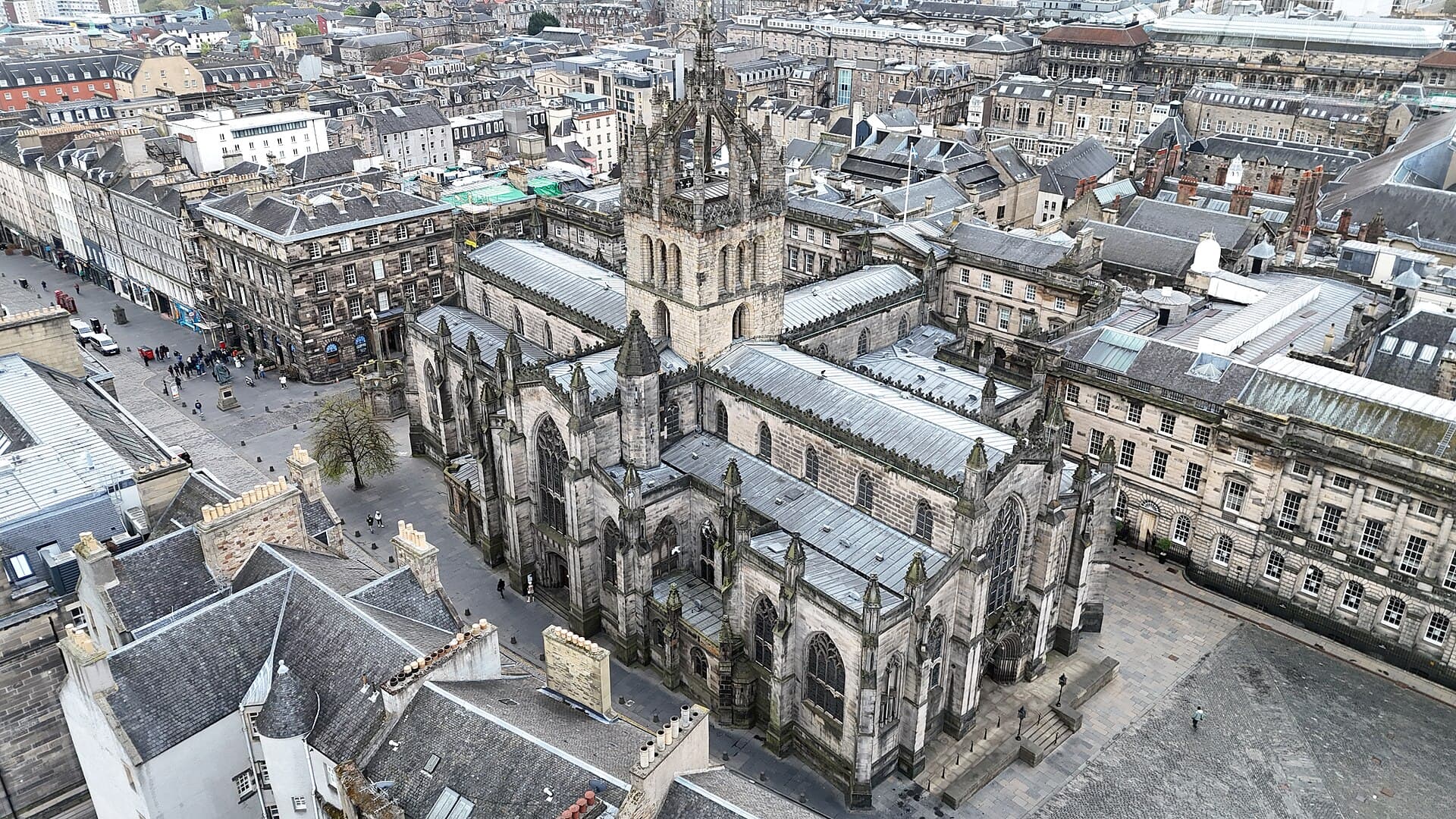 St Giles' CathedralThat stone crown floating over Edinburgh's Old Town is not a tower in the ordina5 minutes walk4.7
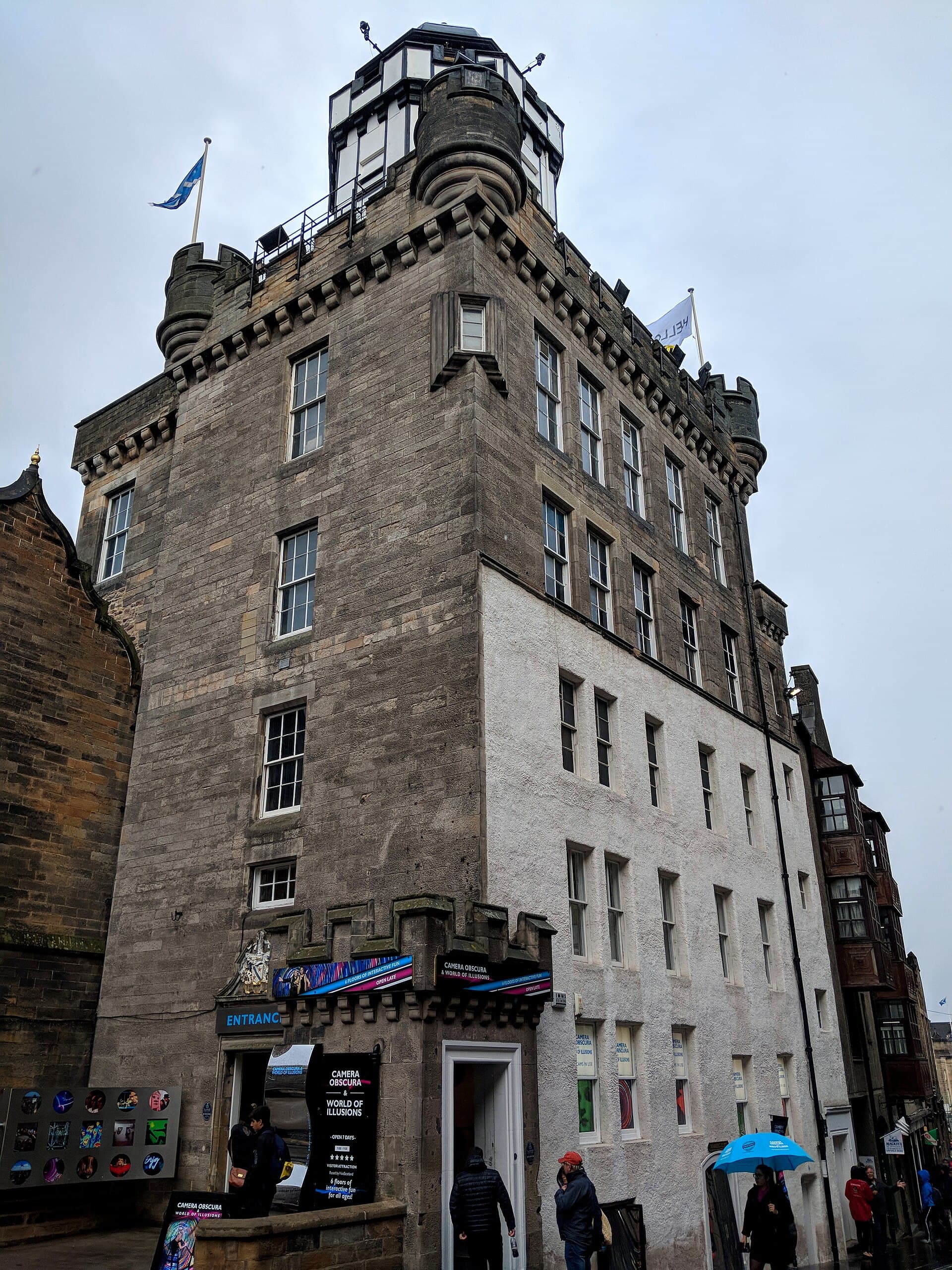 Camera Obscura & World of IllusionsIn a darkened room at the top of a Victorian tower, daylight falls through a len5 minutes walk4.7
The exterior is free and honestly the best part. The climb is worth it if you are nimble and not claustrophobic: the view over the castle and Princes Street is hard to beat. If you dislike tight spaces or have small children, walk up Calton Hill instead: the hilltop view costs nothing, and the Nelson Monument there is a little roomier with fewer steps.