
The Skating Minister
Raeburn's small, famous portrait of a clergyman gliding over Duddingston Loch, one of the best-known and most reproduced images in Scotland.
瑞丽江的河水 — CC BY-SA 4.0 · Lewis Clarke — CC BY-SA 2.0 · Anthony O'Neil — CC BY-SA 2.0 · Anthony O'Neil — CC BY-SA 2.0
The most famous painting in Scotland is not a king or a battle but a thin clergyman gliding across a frozen loch with his arms folded across his chest. Henry Raeburn's 'Skating Minister' hangs here, in a collection that is far bigger than the building suggests: Botticelli, Titian, Vermeer, Rembrandt, Velázquez and Monet under one roof, with nothing to pay at the door. That settles the 'is it worth it' question: yes, because it is free and it sits at the exact centre of the city. The building, with its Ionic columns and sandstone walls, is William Henry Playfair's work and opened in 1859 on The Mound, the ridge dividing the Old Town from the New. Since autumn 2023 it has officially been called simply 'National', and the new Scottish galleries were added at the level of Princes Street Gardens, with the main entrance now from the gardens and wide windows framing the castle. The Playfair rooms upstairs hold the European masters up to 1900; the lower level covers Scottish art from 1800 to 1945. If time is short, start upstairs. Ninety minutes is enough; two hours if you linger over the run of Impressionists and, when it is in Edinburgh, Titian's 'Diana and Callisto', which alternates between here and London. It is an easy building for families: lifts, a buggy park, baby-changing, and free downloadable trails for under-fives and older children. There is no prayer room, and the in-house Scottish Cafe and Restaurant serves ordinary Scottish fare with no advertised halal options. In July and August, especially during the Festival, the rooms fill by midday, so arrive at the 10:00 opening. In winter it is the ideal refuge from rain and early dark, but it shuts at 17:00 sharp. The permanent collection is free; some temporary exhibitions are ticketed separately. The neighbouring Royal Scottish Academy shares Playfair's design and the same ridge but hosts paid shows of up to roughly £14, so do not confuse the two. Waverley station is a five-minute walk, and the Princes Street tram stop at the Mound is right outside.
Raeburn's small, famous portrait of a clergyman gliding over Duddingston Loch, one of the best-known and most reproduced images in Scotland.
Titian, Vermeer, Rembrandt and Velázquez in the red-walled upper rooms, all without a ticket.
Opened in 2023 at garden level, with castle-facing windows and paintings by McTaggart and Anne Redpath.
The Mound, Edinburgh EH2 2EL
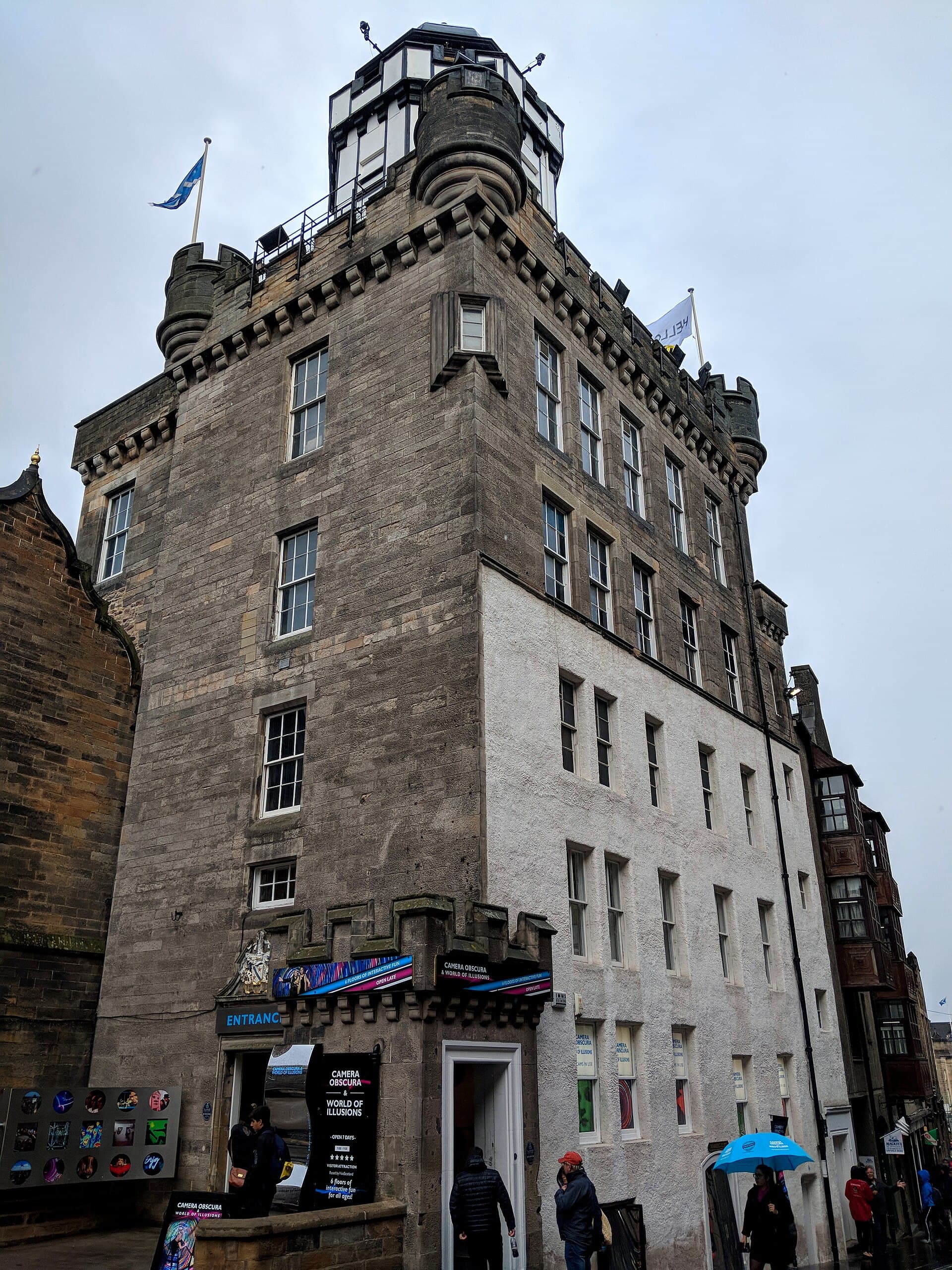 Camera Obscura & World of IllusionsIn a darkened room at the top of a Victorian tower, daylight falls through a len3 minutes walk4.7
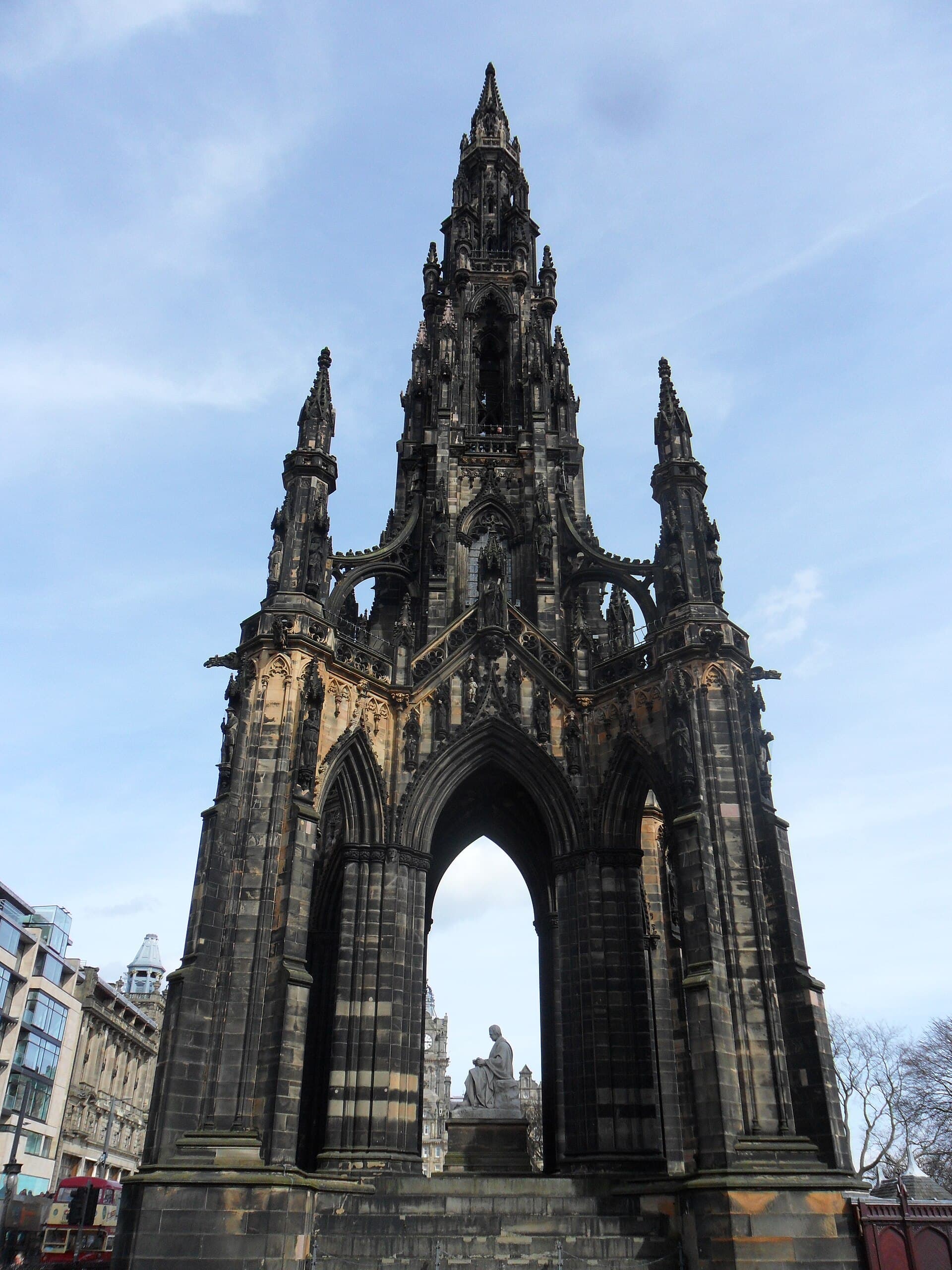 Scott MonumentThe second-largest monument to a writer anywhere on earth, and nobody quite beli3 minutes walk4.6
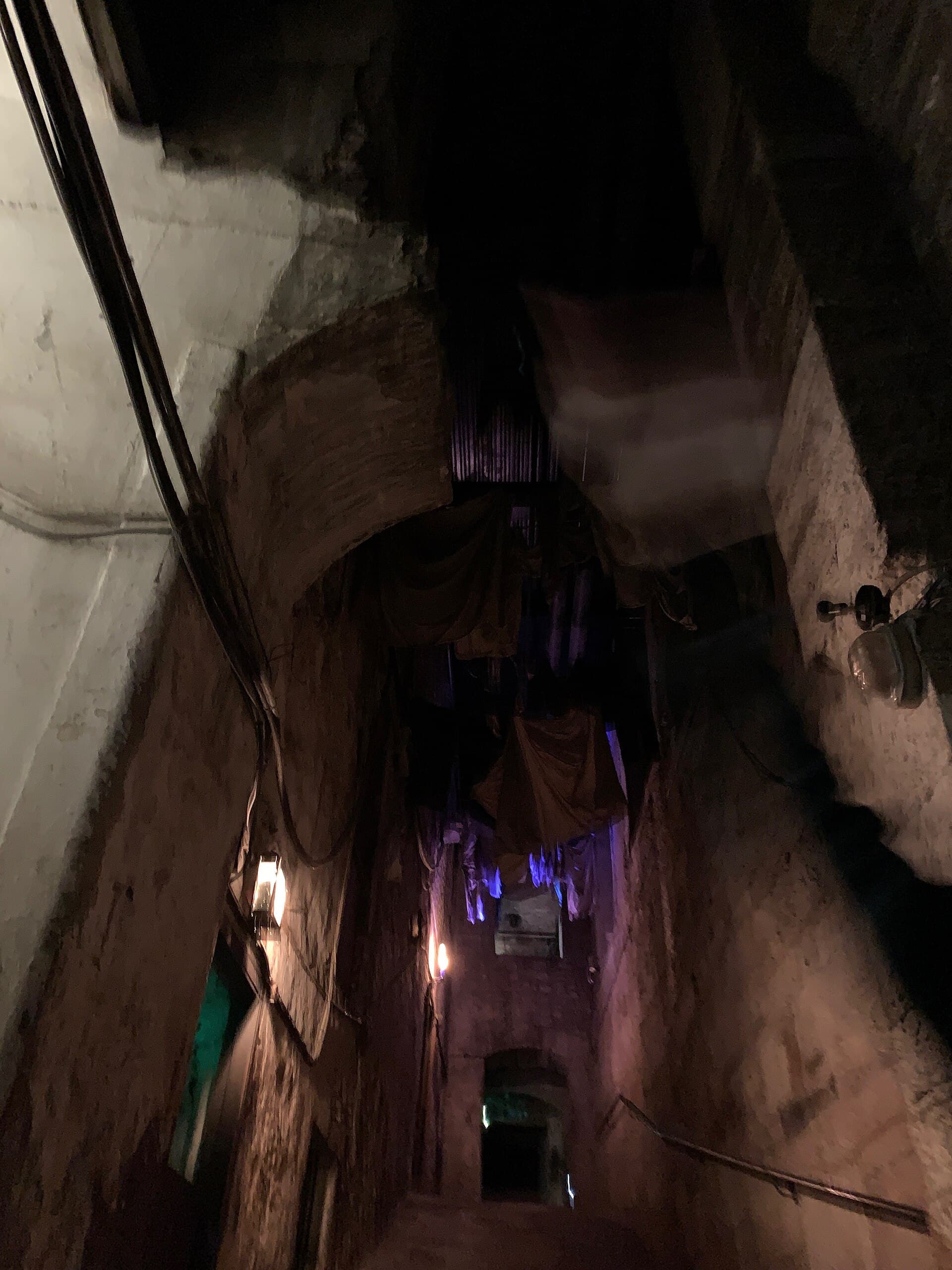 The Real Mary King's CloseBeneath the feet of the crowds on the Royal Mile, and directly under Edinburgh's4 minutes walk4.5
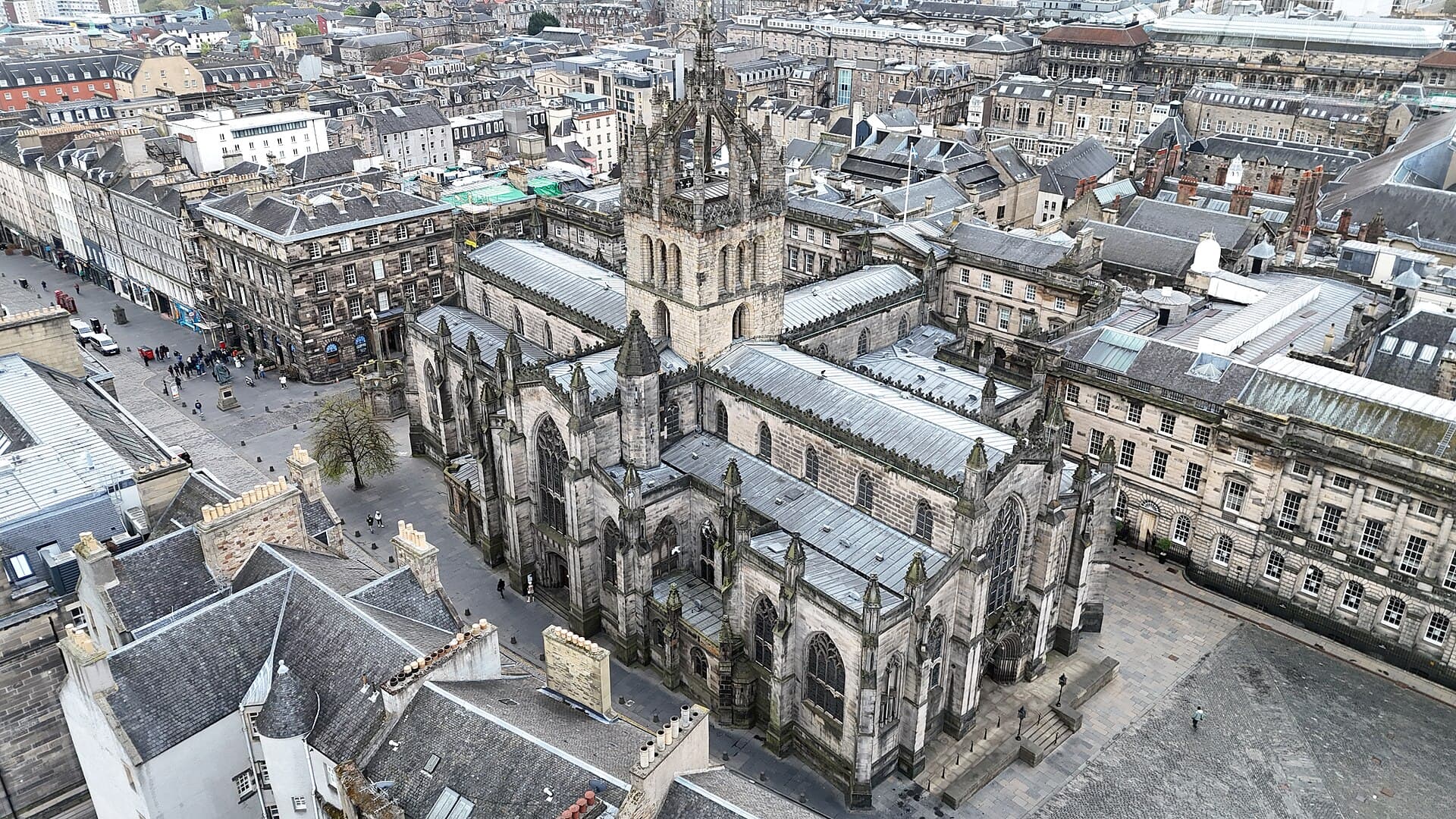 St Giles' CathedralThat stone crown floating over Edinburgh's Old Town is not a tower in the ordina4 minutes walk4.7
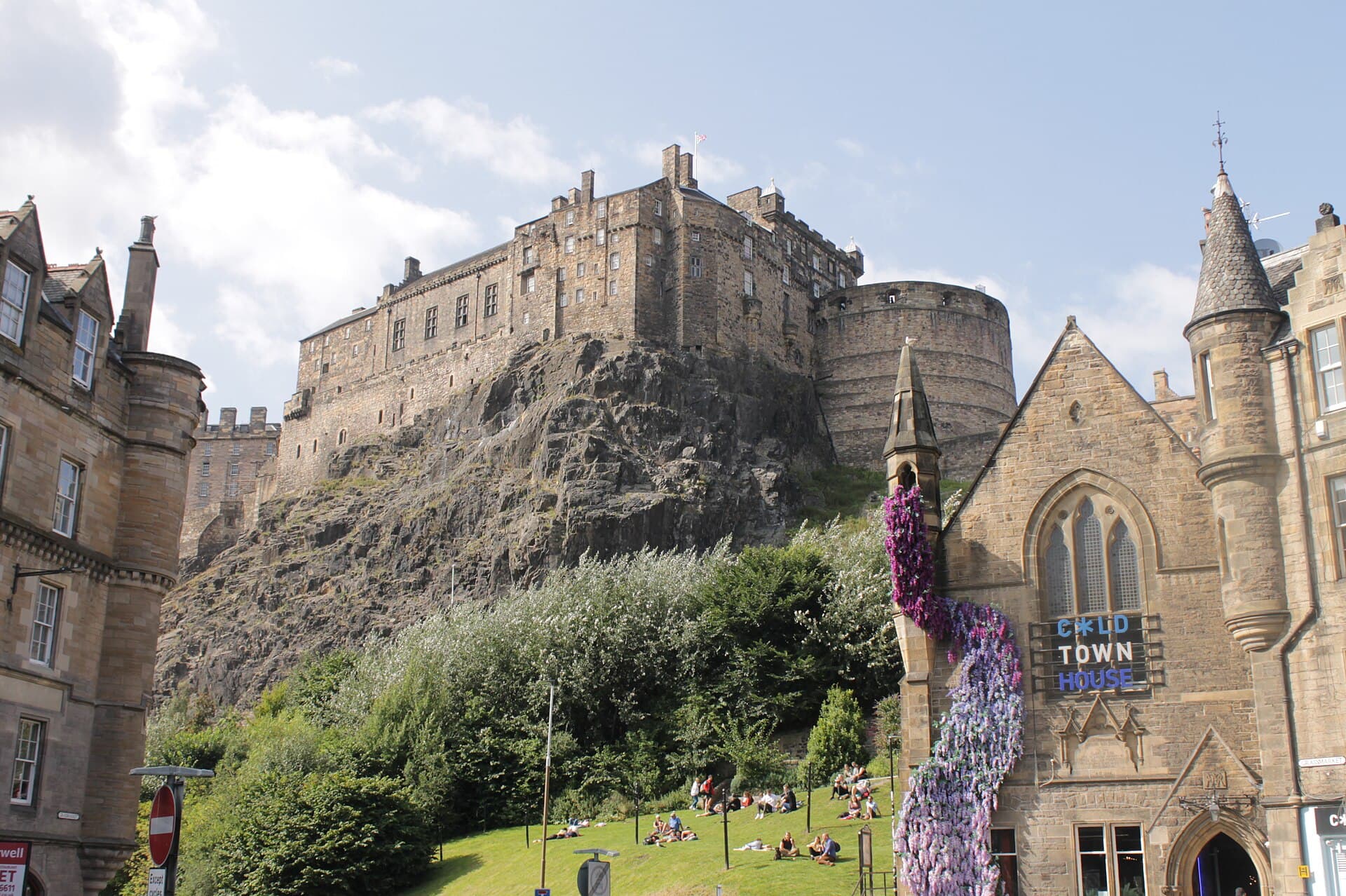 Edinburgh CastleThe castle sits on the plug of a volcano that went cold millions of years ago, a5 minutes walk4.5
Yes, but budget an hour, no more. Entry is free and the lifts, buggy park and children's trails make it painless, and it is minutes from the castle so it slots into the same morning without planning. If your children simply do not like paintings, the National Museum of Scotland on Chambers Street will suit them far better.
Two matching buildings by the same architect on the same ridge, but 'National' holds the permanent national collection for free, while the Academy hosts temporary exhibitions, most of them charged at up to roughly £14. If you are only going into one, make it National.