
The golden dome
Gilded laurel leaves the Viennese call the golden cabbage.
C.Stadler/Bwag — CC BY-SA 4.0 · Ray Swi-hymn from Sijhih-Taipei, Taiwan — CC BY-SA 2.0 · Ray Swi-hymn from Sijhih-Taipei, Taiwan — CC BY-SA 2.0 · Ray Swi-hymn from Sijhih-Taipei, Taiwan — CC BY-SA 2.0
An exhibition hall of 1898 built as the home of the Vienna Secession, a group of artists led by Gustav Klimt who broke from the official art establishment and wanted a space to show work on their own terms. The building is itself a statement: a plain white block topped by a dome of gilded laurel leaves that Viennese call the golden cabbage. Above the entrance the movement's motto is carved: to every age its art, to art its freedom. The piece people come for is Klimt's Beethoven Frieze, a thirty-four metre mural painted in 1902 for a single exhibition, then preserved and restored, and shown today in a basement built for it. It is not one of his famous gilded canvases but it is among his most important works. The rest of the building is a changing contemporary exhibition space, so the frieze is the constant. The location is near the Naschmarkt and Karlsplatz station, within walking distance of the opera house.
Gilded laurel leaves the Viennese call the golden cabbage.
To every age its art, to art its freedom — the movement's statement carved in stone.
The frieze is not one of his famous gilded canvases, but it is among his most important works.
Friedrichstraße, near the Naschmarkt, Vienna
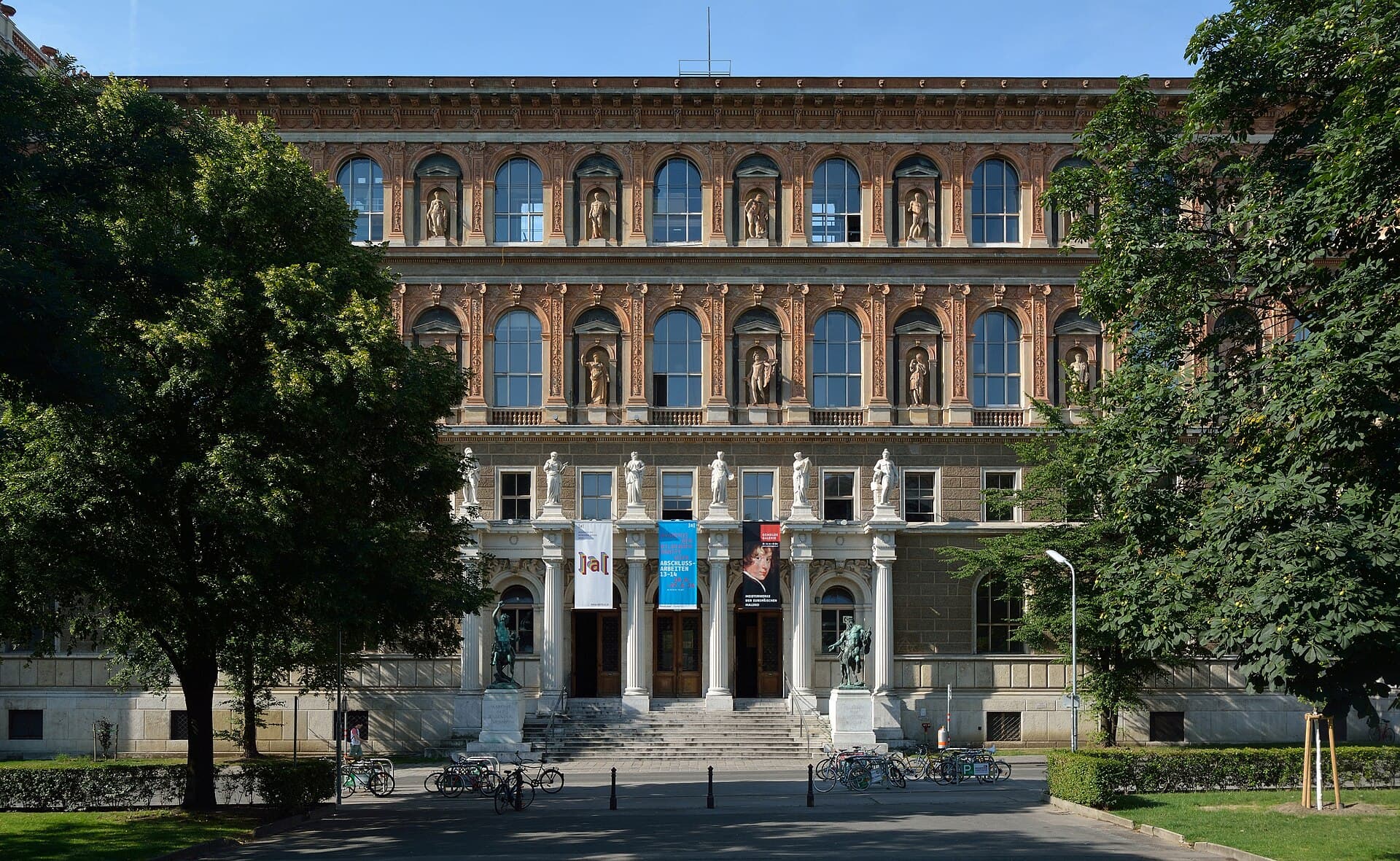 Academy of Fine Arts Picture GalleryA picture gallery inside the Academy of Fine Arts Vienna, an old teaching instit2 minutes walk4.4
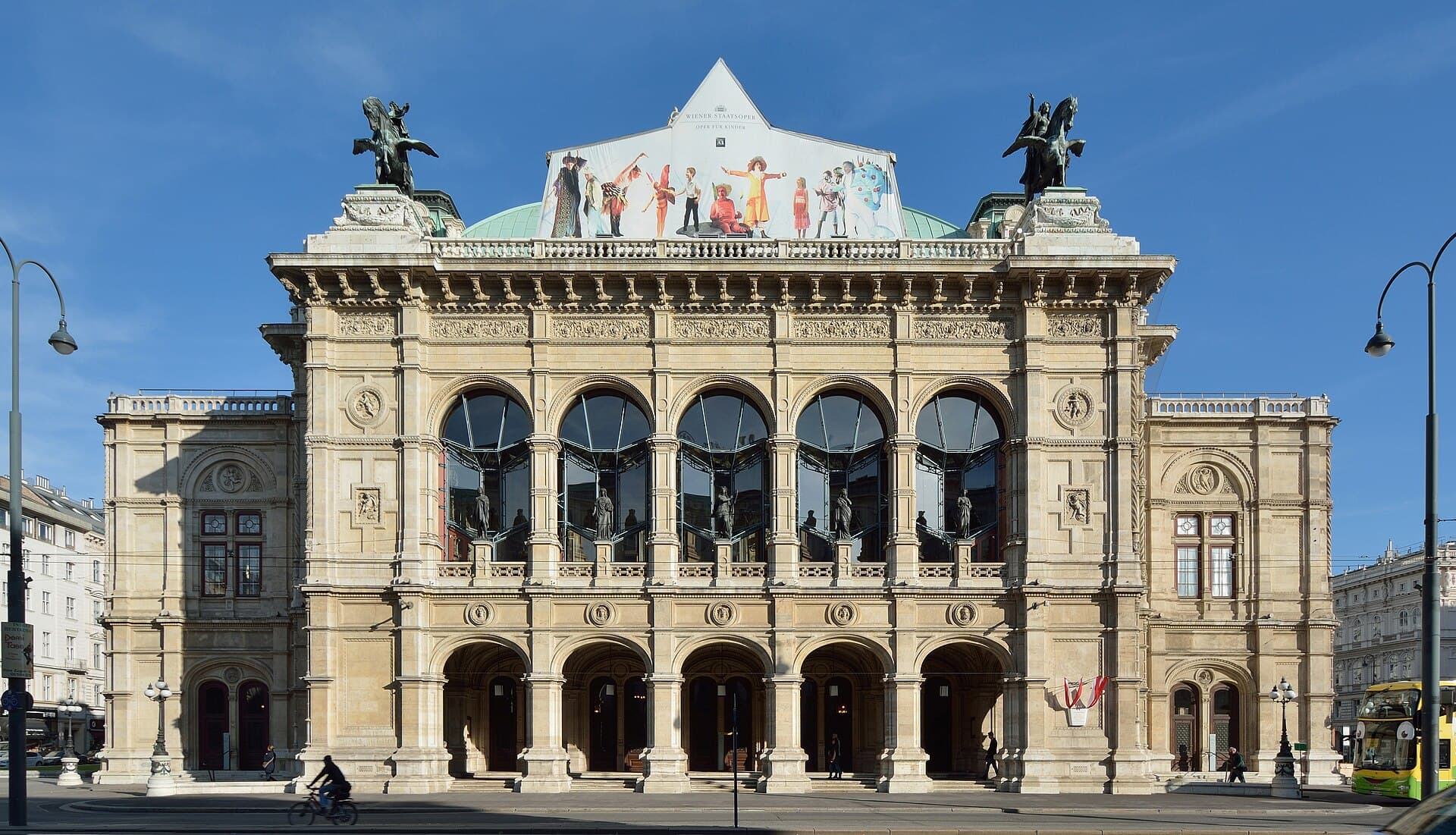 Vienna State Opera houseThe world's most famous opera house, and its most productive: some fifty differe5 minutes walk4.6
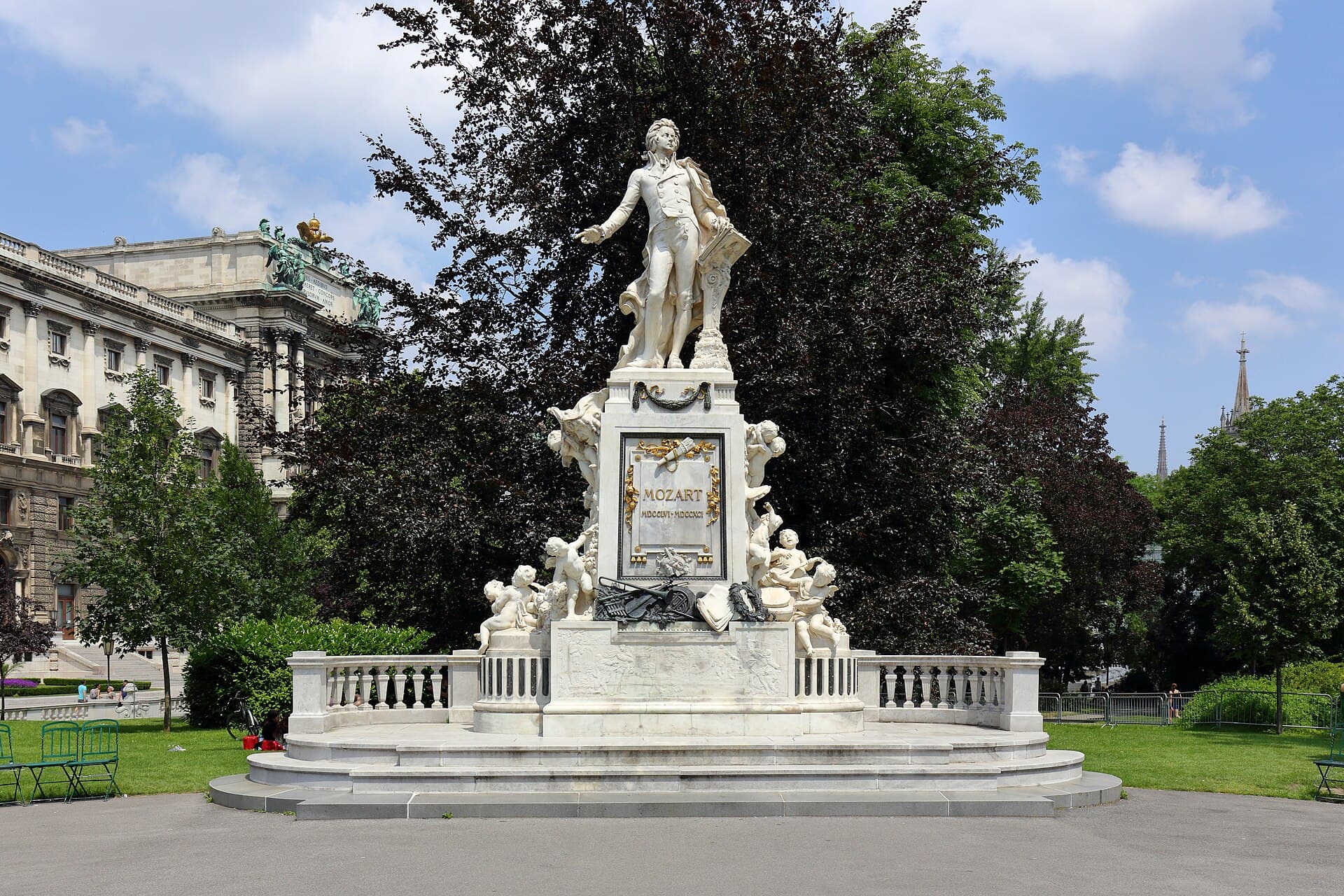 Mozart Monument, ViennaMozart's marble monument in the Burggarten: the composer standing on a tall plin5 minutes walk4.8
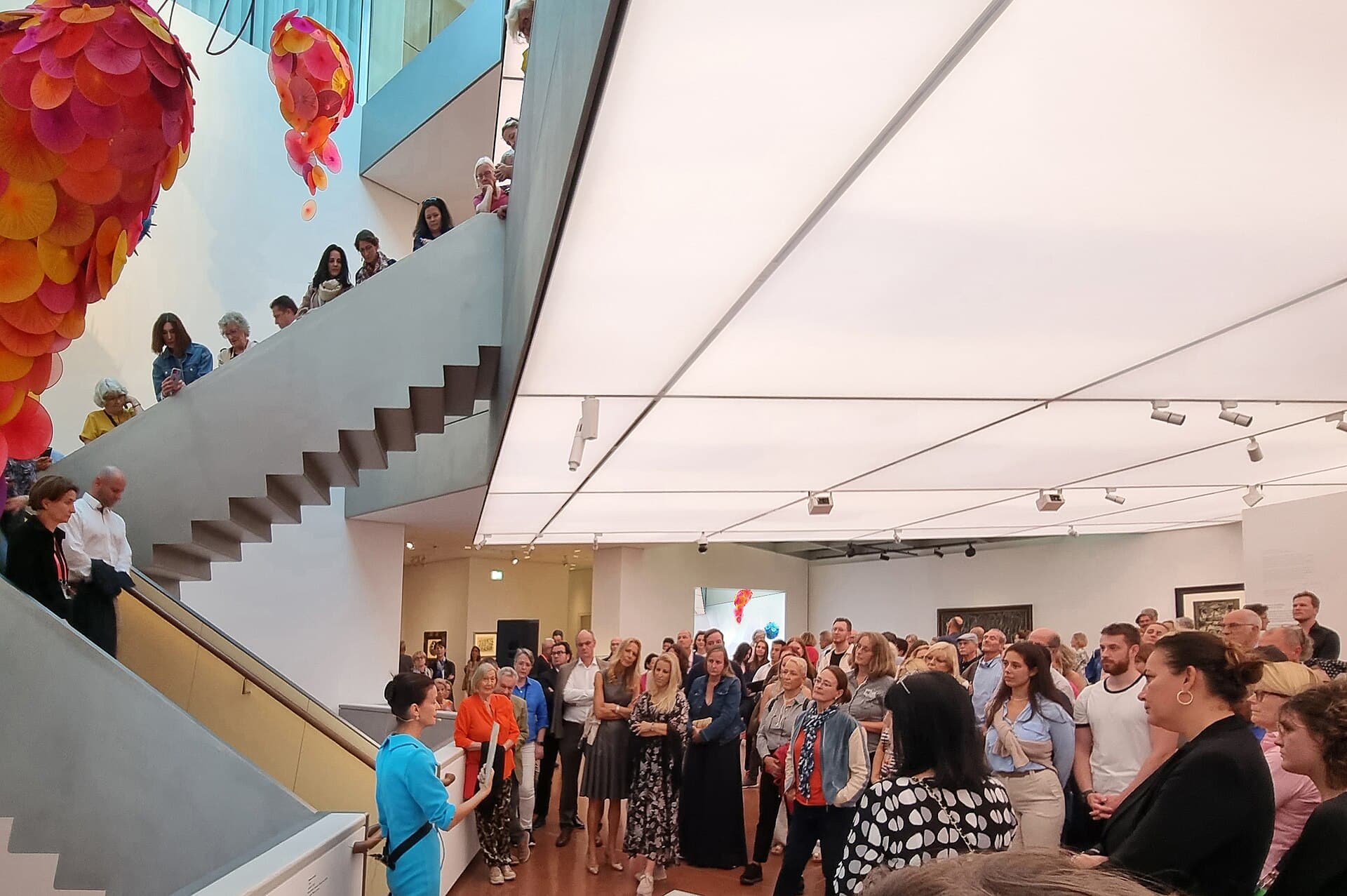 Heidi Horten CollectionA private museum of modern and contemporary art opened in 2022 in a rehabilitate5 minutes walk4.5
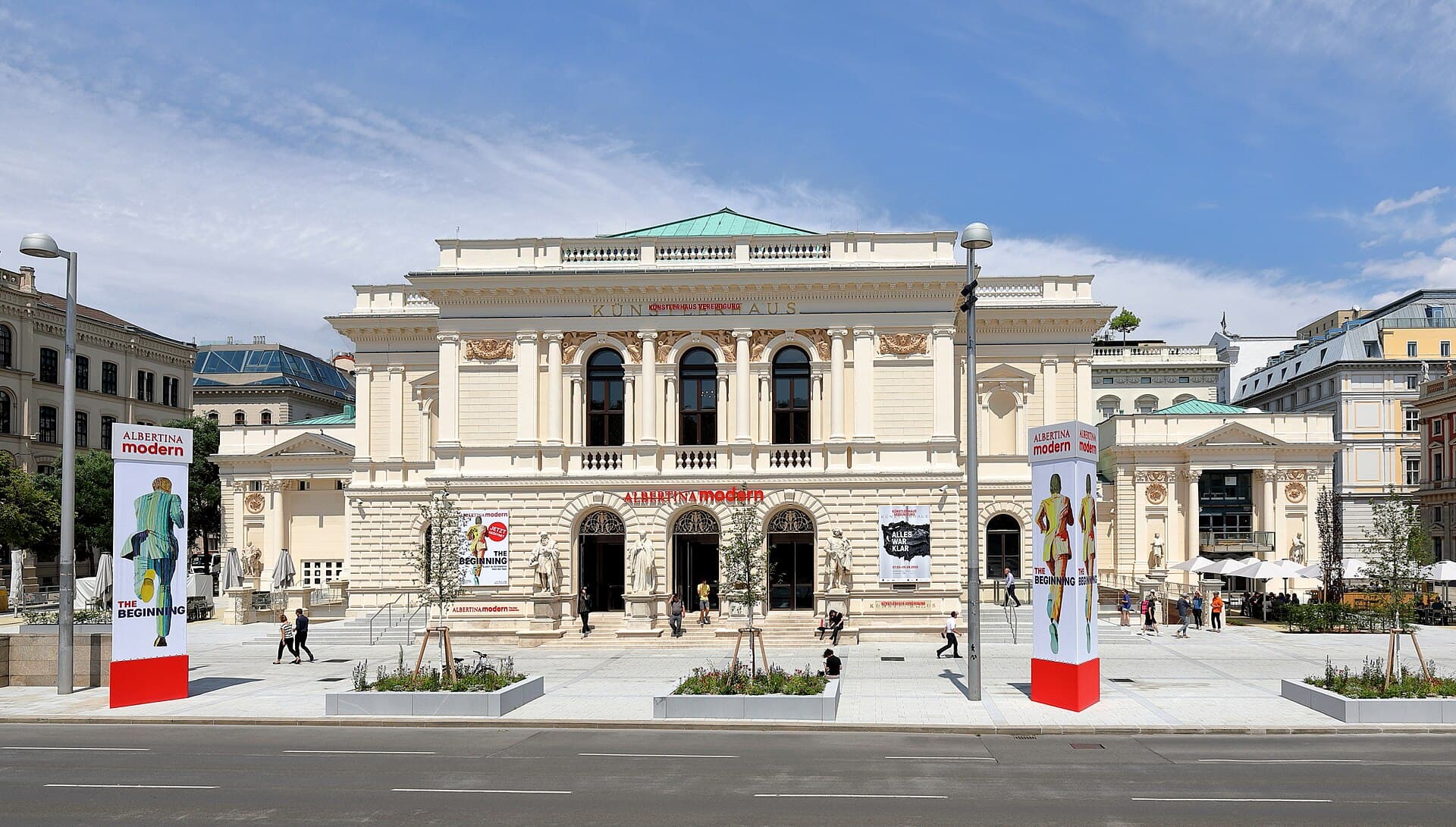 Albertina ModernThe Albertina's modern branch, opened in 2020 inside the Künstlerhaus: an 1868 b5 minutes walk4.6
The Kiss and his best-known gilded works are in the Upper Belvedere, a separate museum with its own page. The Secession holds only the frieze. If Klimt is why you came to Vienna, see both — the Belvedere first, then the Secession.
The building is an architectural landmark and its motto is part of Vienna's cultural history, but the visit inside turns on one artwork. If time is short, seeing the facade and dome from outside is free and enough for many people.