
The floral treble clef
A large flowerbed shaped as a music key — the image of Vienna everyone recognises.
C.Stadler/Bwag — CC BY-SA 4.0 · Hubertl — CC BY-SA 4.0 · Hubertl — CC BY-SA 4.0 · Hubertl — CC BY-SA 4.0
Mozart's marble monument in the Burggarten: the composer standing on a tall plinth carved with scenes from Don Giovanni, small angels around him. Erected in 1896 on a different square, it was moved here after the war. Its most famous feature is not the statue but what lies before it: a giant treble clef planted in flowers on the slope, replanted by the city each season in different colours. That corner specifically is what visitors come to photograph, and it appears in images of Vienna more often than the statue itself. The irony is that Mozart died poor in Vienna in 1791 and was buried in a common grave whose exact location is unknown — and the same city raised him this monument a century later. The visit is short, free, and lies on your route between the Opera and the Hofburg.
A large flowerbed shaped as a music key — the image of Vienna everyone recognises.
Opera scenes carved into the plinth — worth stepping close to see.
Burggarten, Vienna
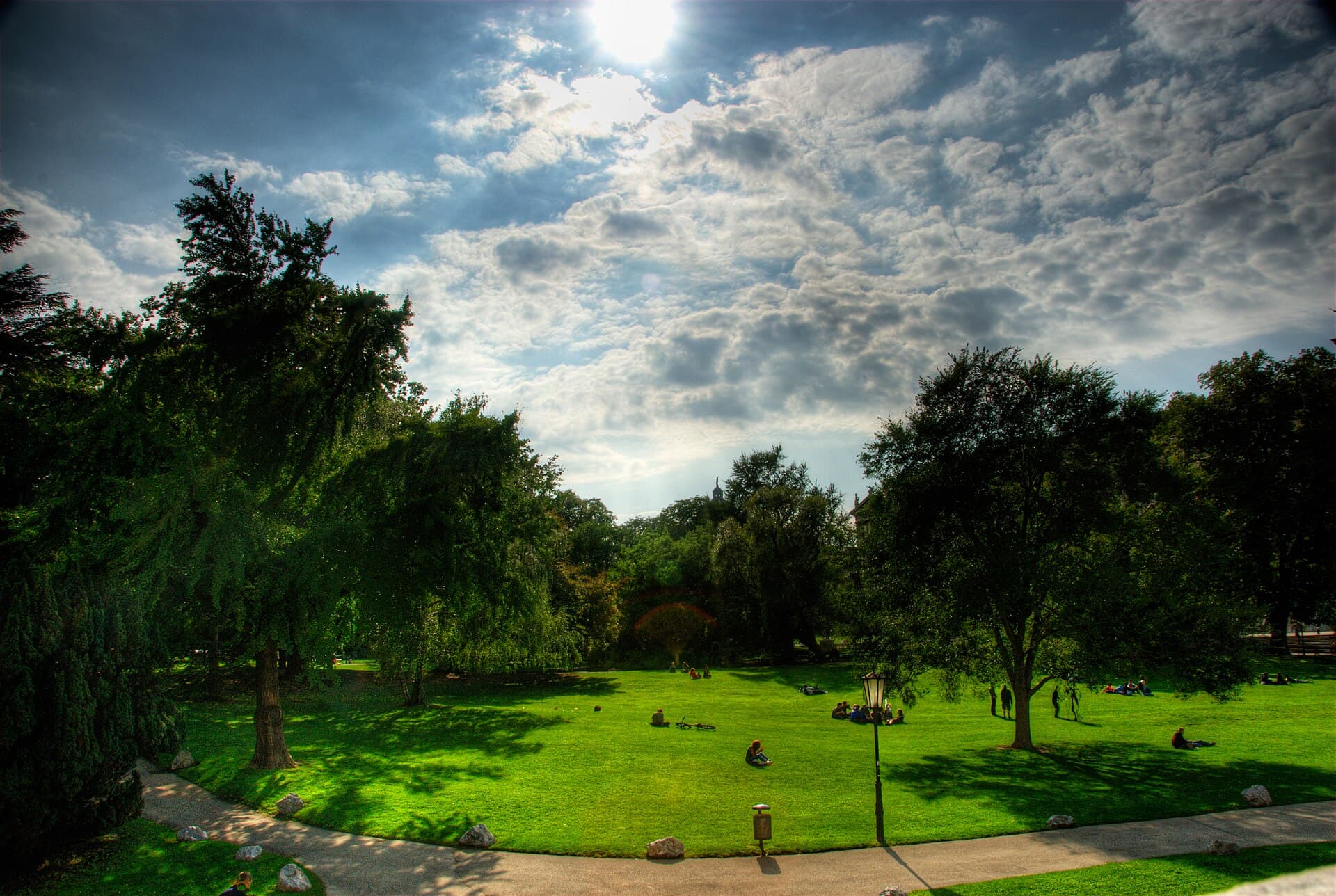 BurggartenThe palace's private garden: Emperor Franz I laid it out for himself after Napol1 minute walk4.8
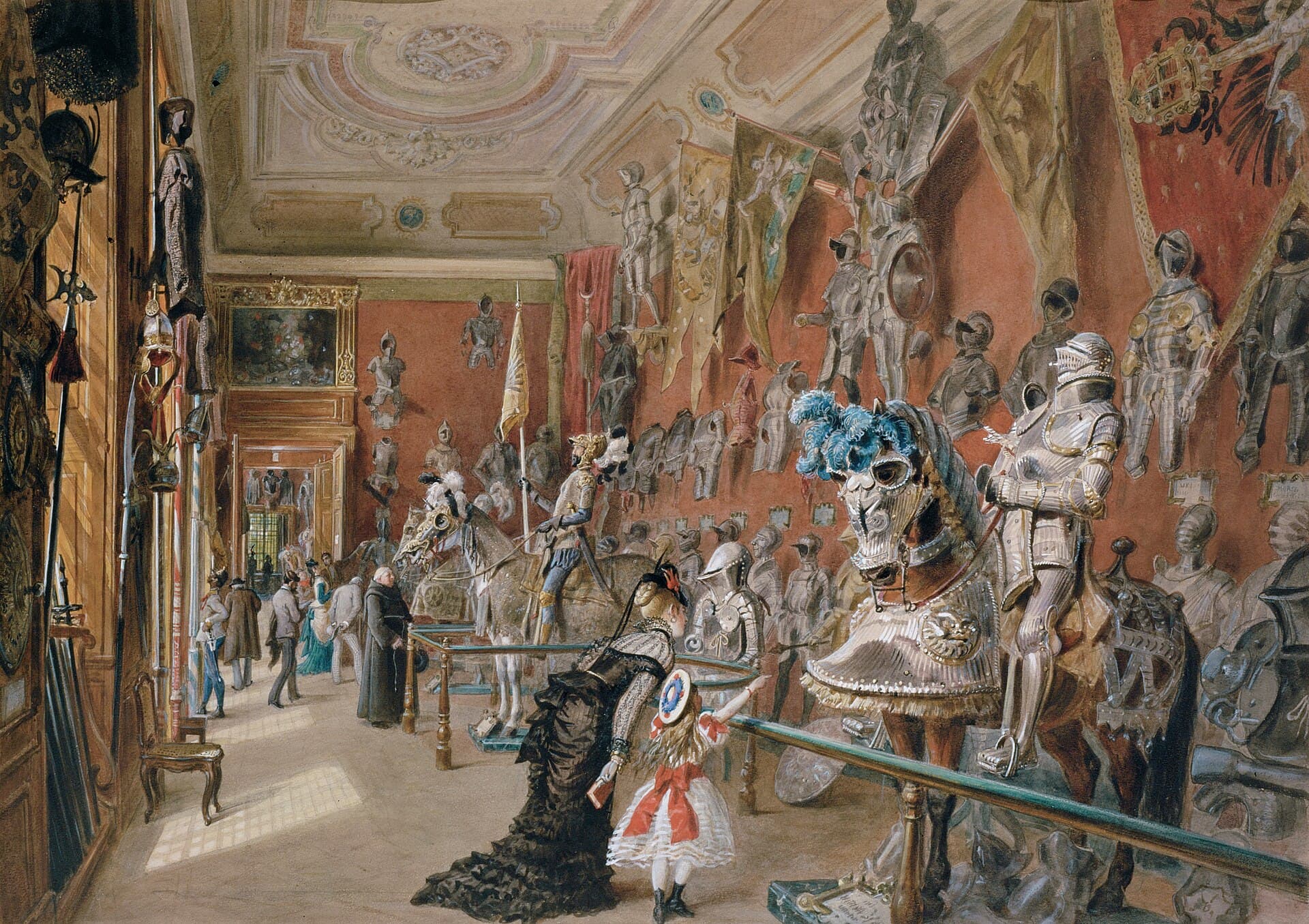 The Imperial ArmouryOne of the world's most important collections of arms and armour, shown in the N1 minute walk4.9
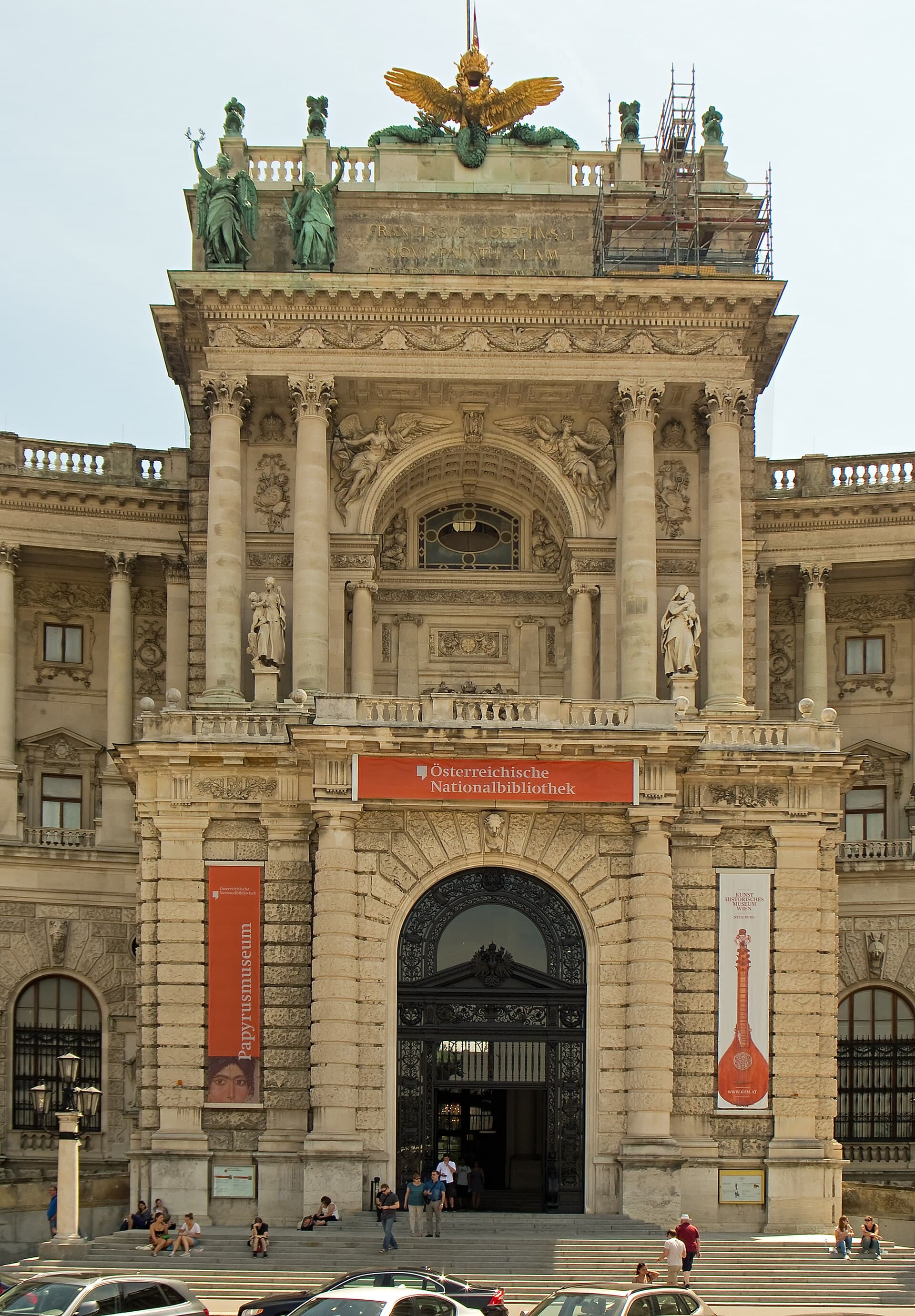 House of Austrian HistoryA museum opened in 2018 inside the Neue Burg wing of the Hofburg palace, coverin2 minutes walk4.4
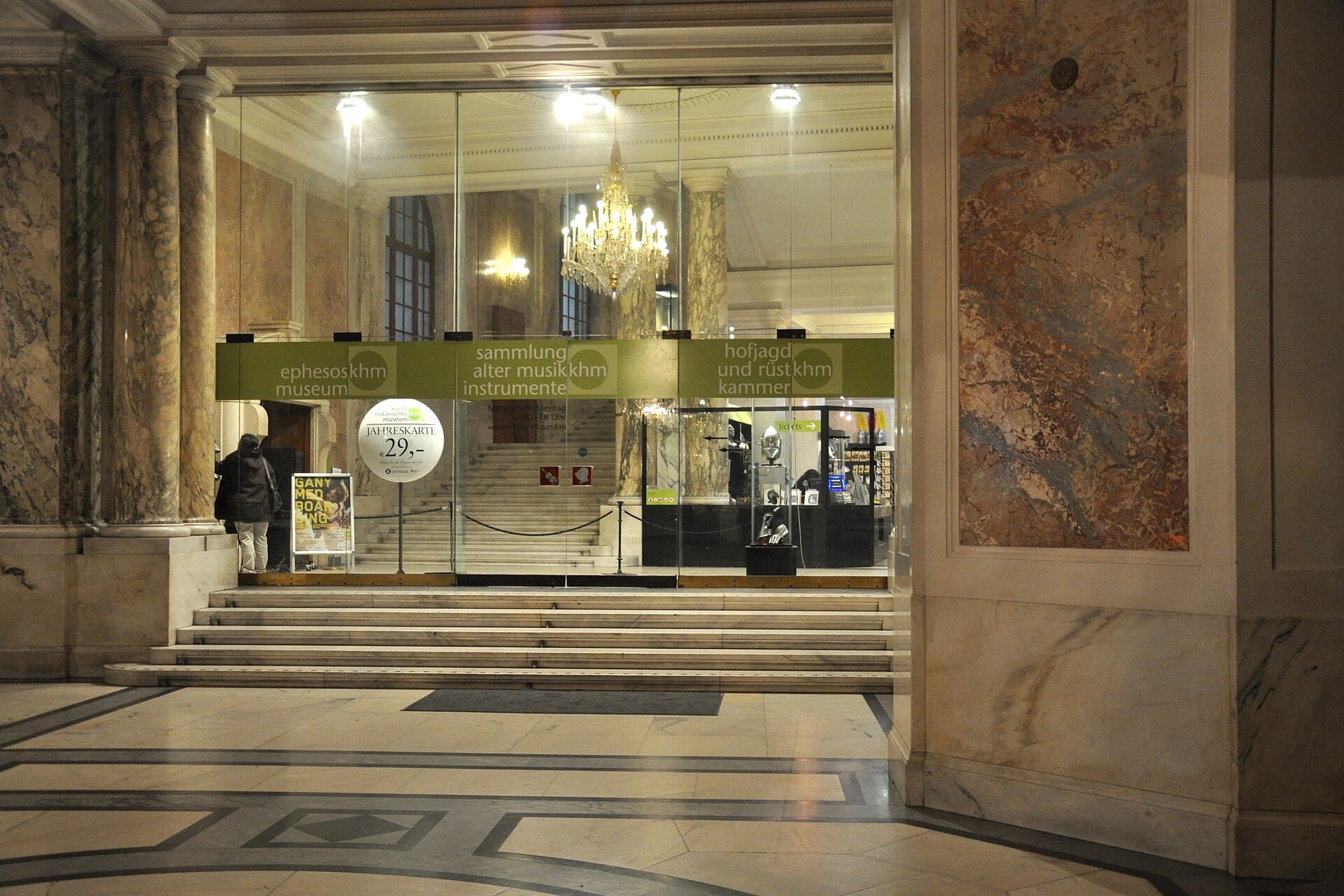 Collection of Historic Musical InstrumentsOne of the world's most important collections of historic musical instruments, i2 minutes walk4.5
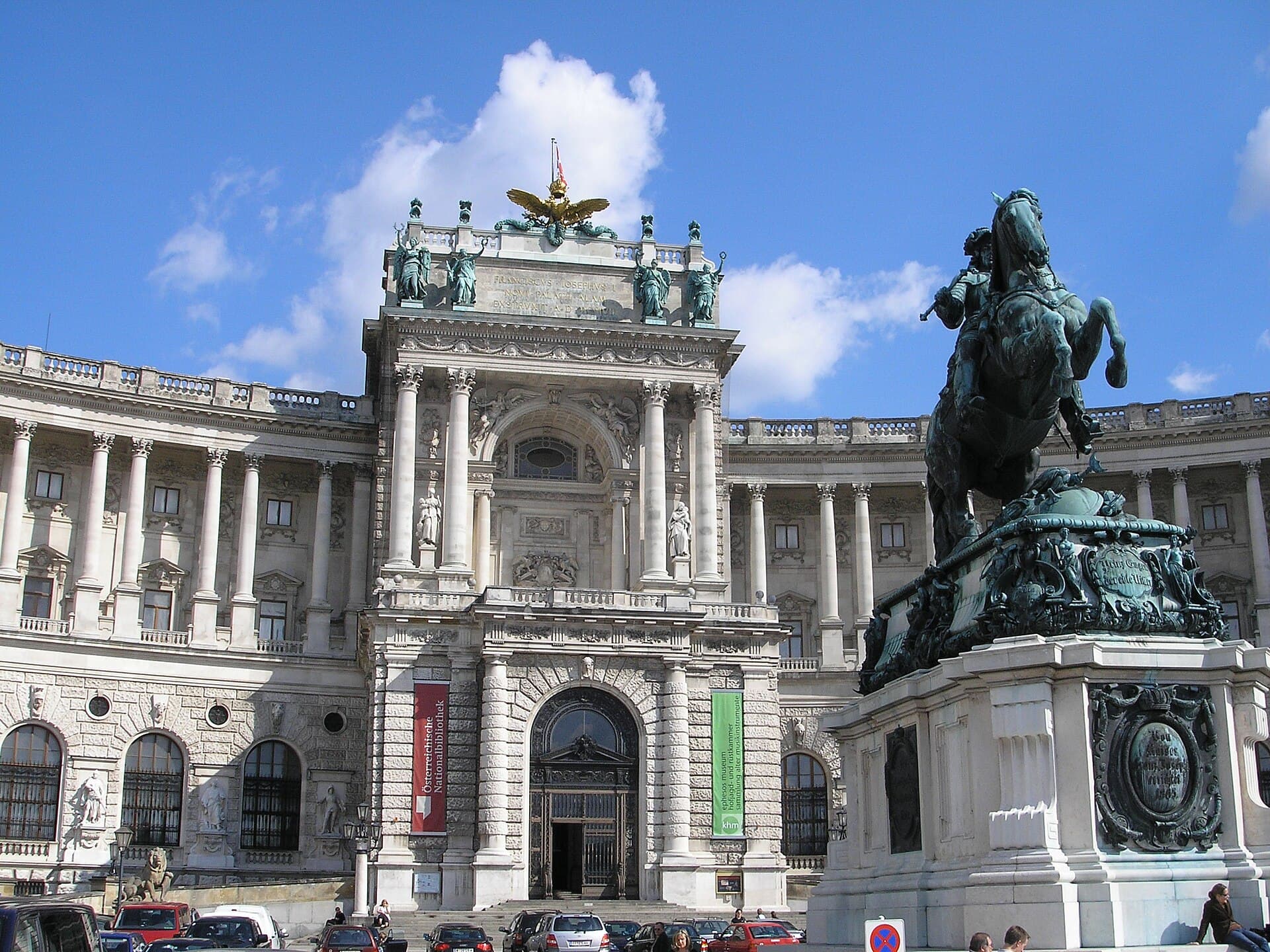 Ephesos MuseumA small museum inside the Hofburg's Neue Burg showing what Austrian expeditions 2 minutes walk4.5
In St Marx cemetery south of Vienna, where a memorial stone marks an approximate spot — the burial was communal and its exact place was never recorded.