
Café des Nattes
Mint tea with pine nuts.
Habib M'henni — CC BY 4.0 · سليم ابراهمي — CC0 · Elh Katcha — CC BY 4.0 · روتانا مبارك — CC BY 4.0
A white village on a cliff above the Gulf of Tunis, known for its blue doors and shutters and its walls draped in bougainvillea. It takes its name from the Sufi saint Abu Said al-Baji, who founded his sanctuary here and died in 1231; before him the hill was called Jebel el-Menar. In the eighteenth century wealthy families of Tunis built summer houses here, and in the 1920s Baron Rodolphe d'Erlanger popularised the blue-and-white colour scheme. On 25 July 2026 the village was inscribed on the UNESCO World Heritage List, Tunisia's tenth site. Climb the cobbled main street to the Café des Nattes for mint tea with pine nuts, then go down to the Café des Délices, hanging on the cliff above the sea. The side lanes hold traditional houses and art galleries, among them Dar El Annabi, open to visitors, and the Ennejma Ezzahra palace. In January 2026, very heavy rain caused landslides and cracks on the hillside, so watch for closed paths near the cliff edge. The TGM train from Tunis makes the trip easy, and the best times are early morning or just before sunset.
Mint tea with pine nuts.
On the cliff above the sea.
Studded doors and shutters.
Sidi Bou Said, about 20 km north-east of Tunis
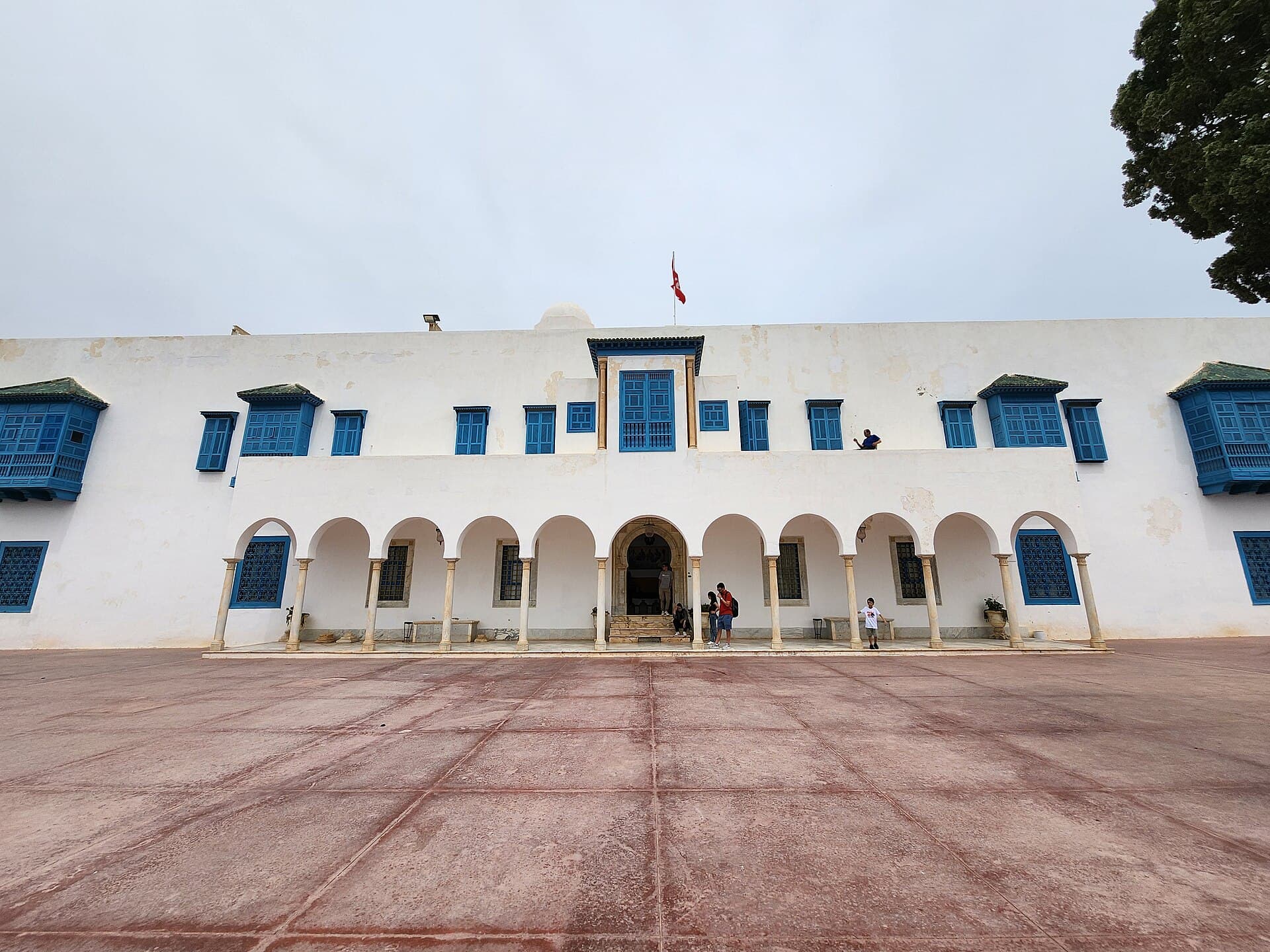 Ennejma Ezzahra PalaceThe palace of Baron Rodolphe d'Erlanger, a painter and musicologist who fell for7 minutes walk
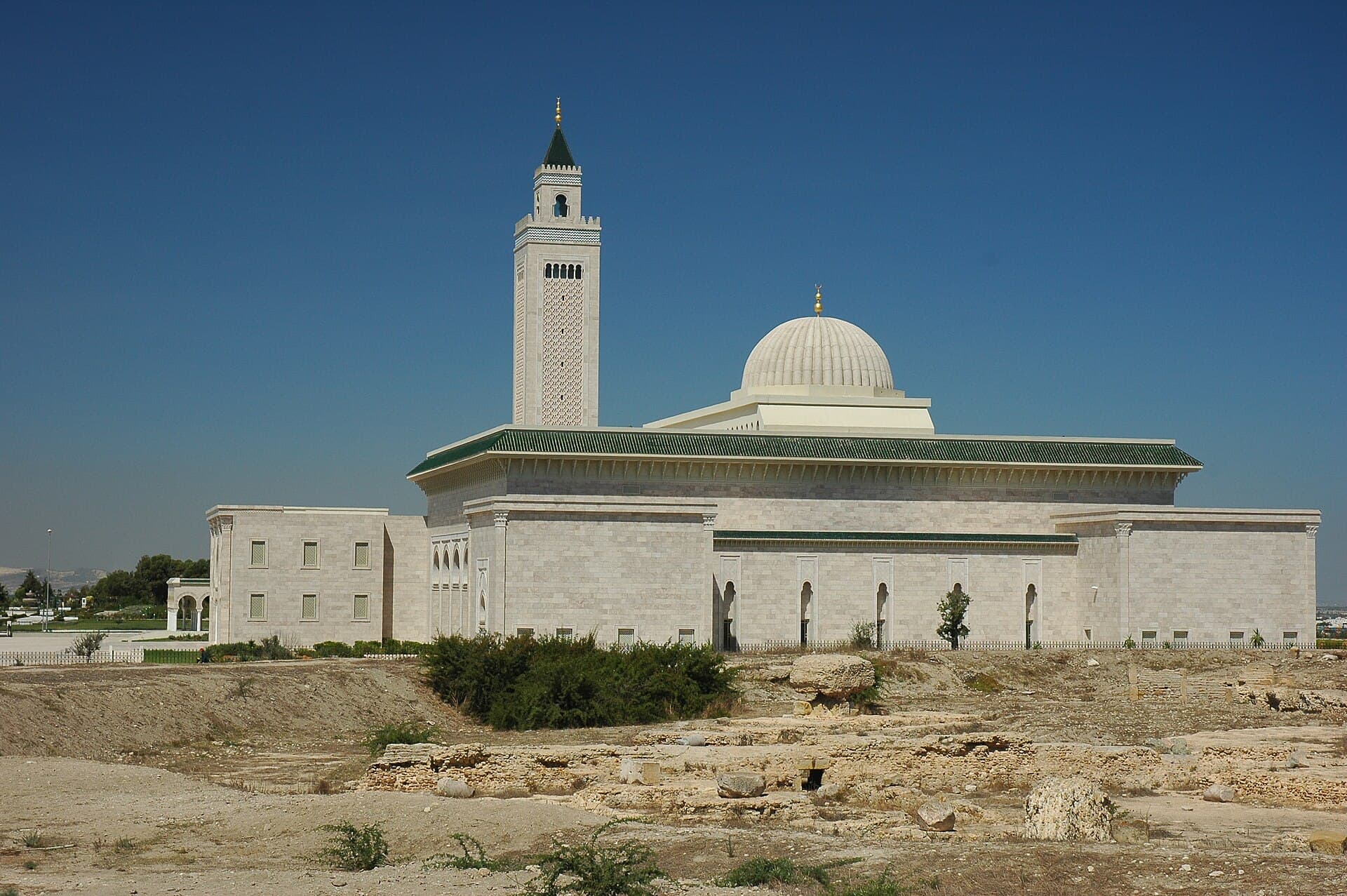 Malik ibn Anas Mosque, CarthageA large modern mosque on Odeon Hill in Carthage, built between 2000 and 2003 and20 minutes walk4.9
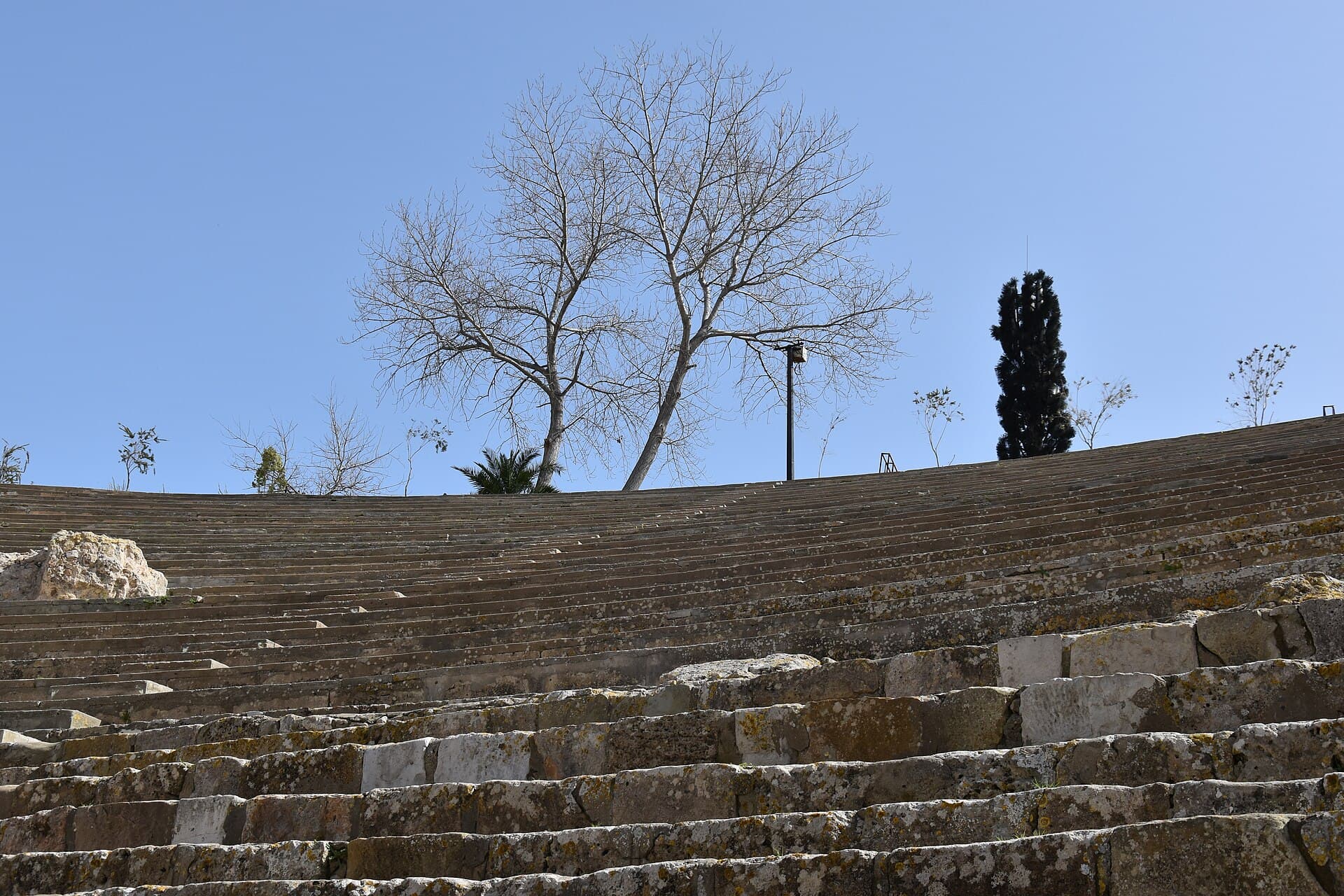 Theatre of Carthage and Roman Villas ParkA second-century Roman theatre on Odeon Hill in Carthage, extensively restored i21 minutes walk4.3
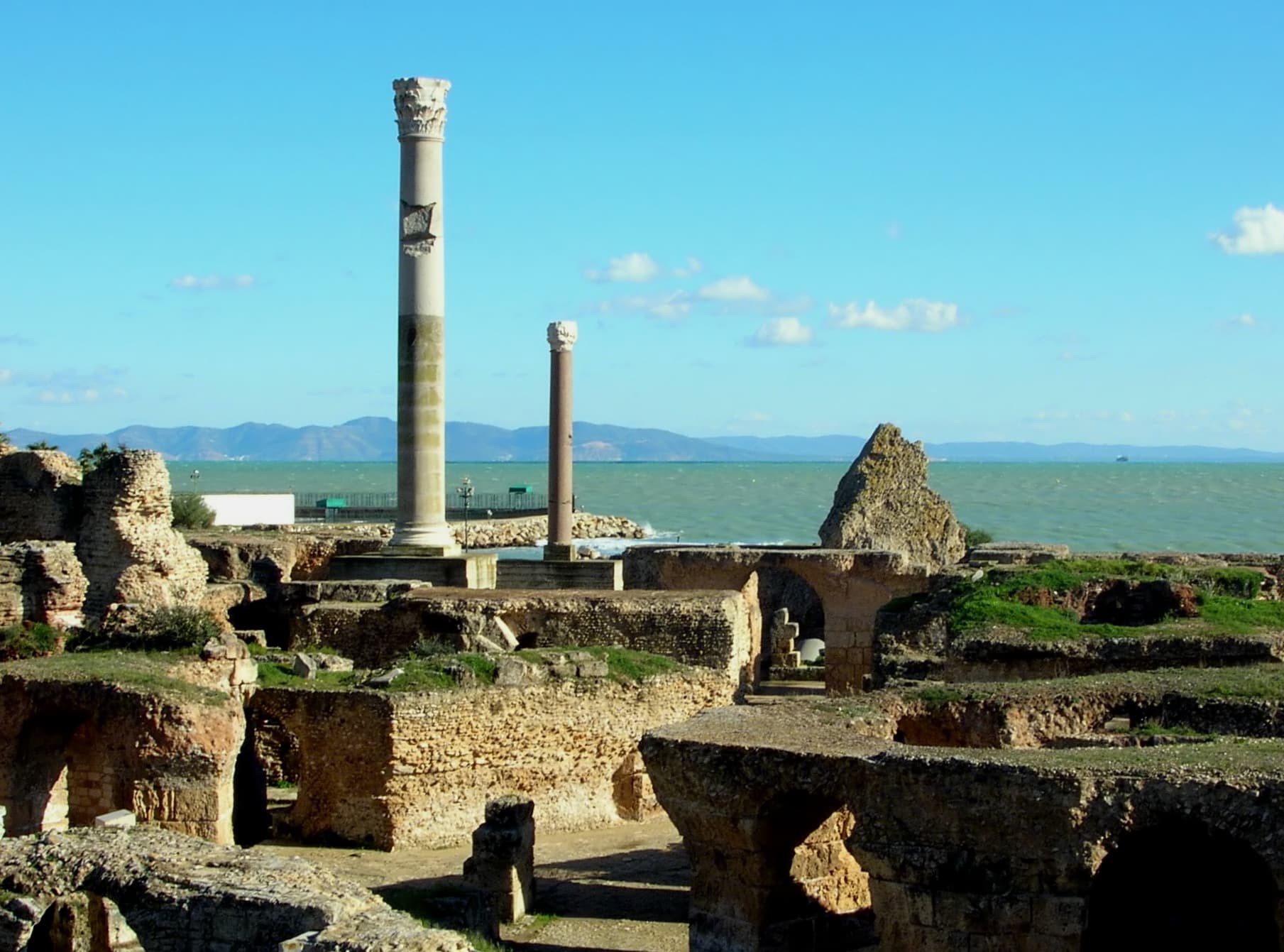 Antonine BathsThe largest Roman baths built on the African continent and one of the three larg23 minutes walk4.7
Take the TGM train from Tunis Marine to Sidi Bou Said station, about 35 minutes, then a short climb up to the village.
Yes, it was inscribed on the World Heritage List on 25 July 2026, Tunisia's tenth site.