
The great column
About 15 metres tall.
Bernard Gagnon — CC BY-SA 3.0 · User:SvenZ — CC BY-SA 2.5 · Emnamizouni — CC BY-SA 3.0 · Emnamizouni — CC BY-SA 3.0
The largest Roman baths built on the African continent and one of the three largest in the whole Roman Empire. They rose on the seafront in the middle of the second century AD, took the name of Emperor Antoninus Pius, and stayed in use until the Vandals wrecked them after their invasion in 439. What survives is mostly the lower level, the service floor where the furnaces burned and the water channels ran, while the grand bathing halls stood above it. A single re-erected column, about 15 metres tall, gives a sense of the original building's scale. Around the baths spreads an archaeological park scattered with the remains of houses, tombs, early churches, columns and capitals, among palm trees and against the blue of the sea. The site borders the presidential palace of Carthage, so do not point your camera towards it, as guards will remind you. Shade is scarce: come in the morning, or late in the day in summer, and carry water.
About 15 metres tall.
Furnaces and water channels.
Between palms and sea.
Avenue des Thermes d'Antonin, Carthage, on the seafront
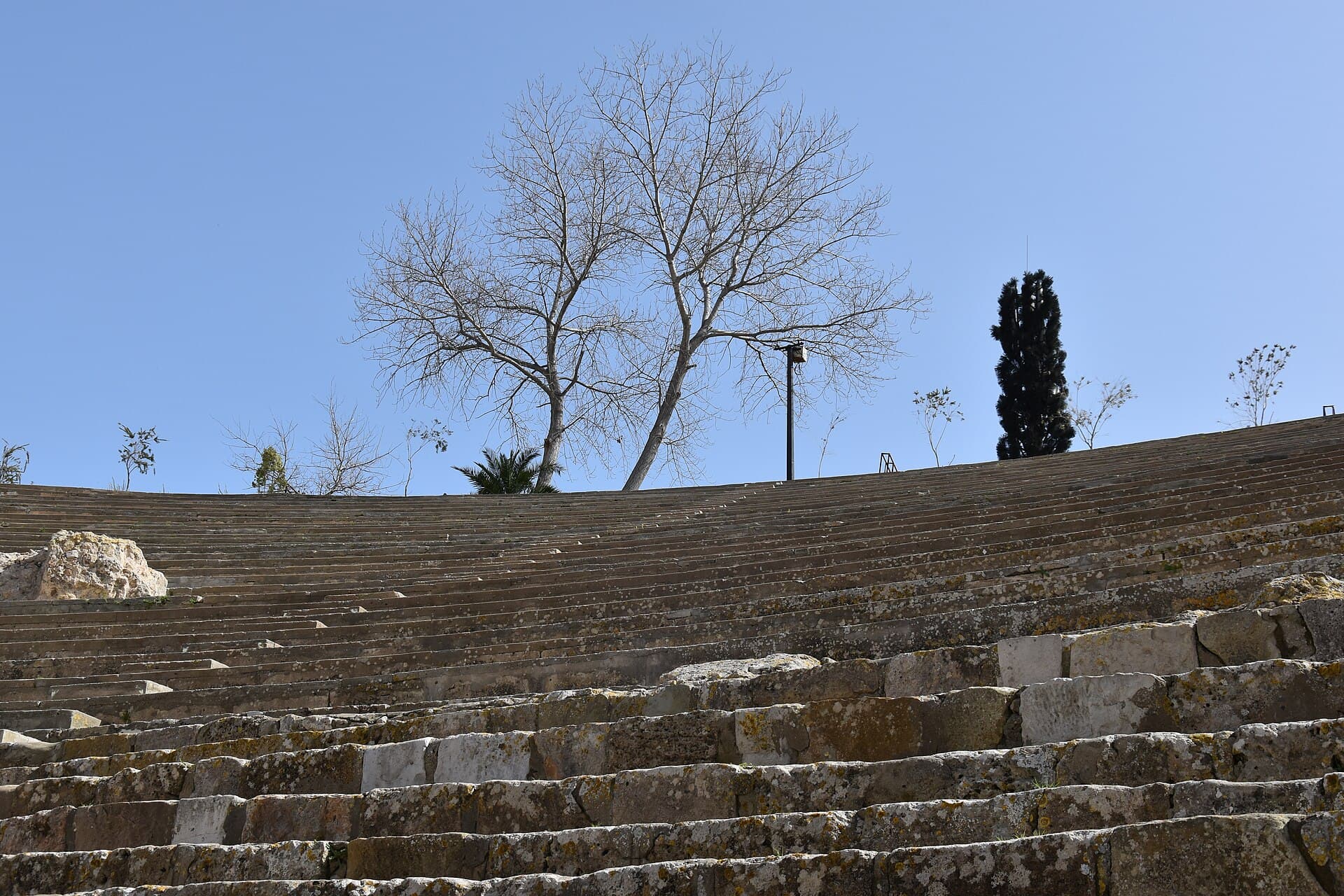 Theatre of Carthage and Roman Villas ParkA second-century Roman theatre on Odeon Hill in Carthage, extensively restored i8 minutes walk4.3
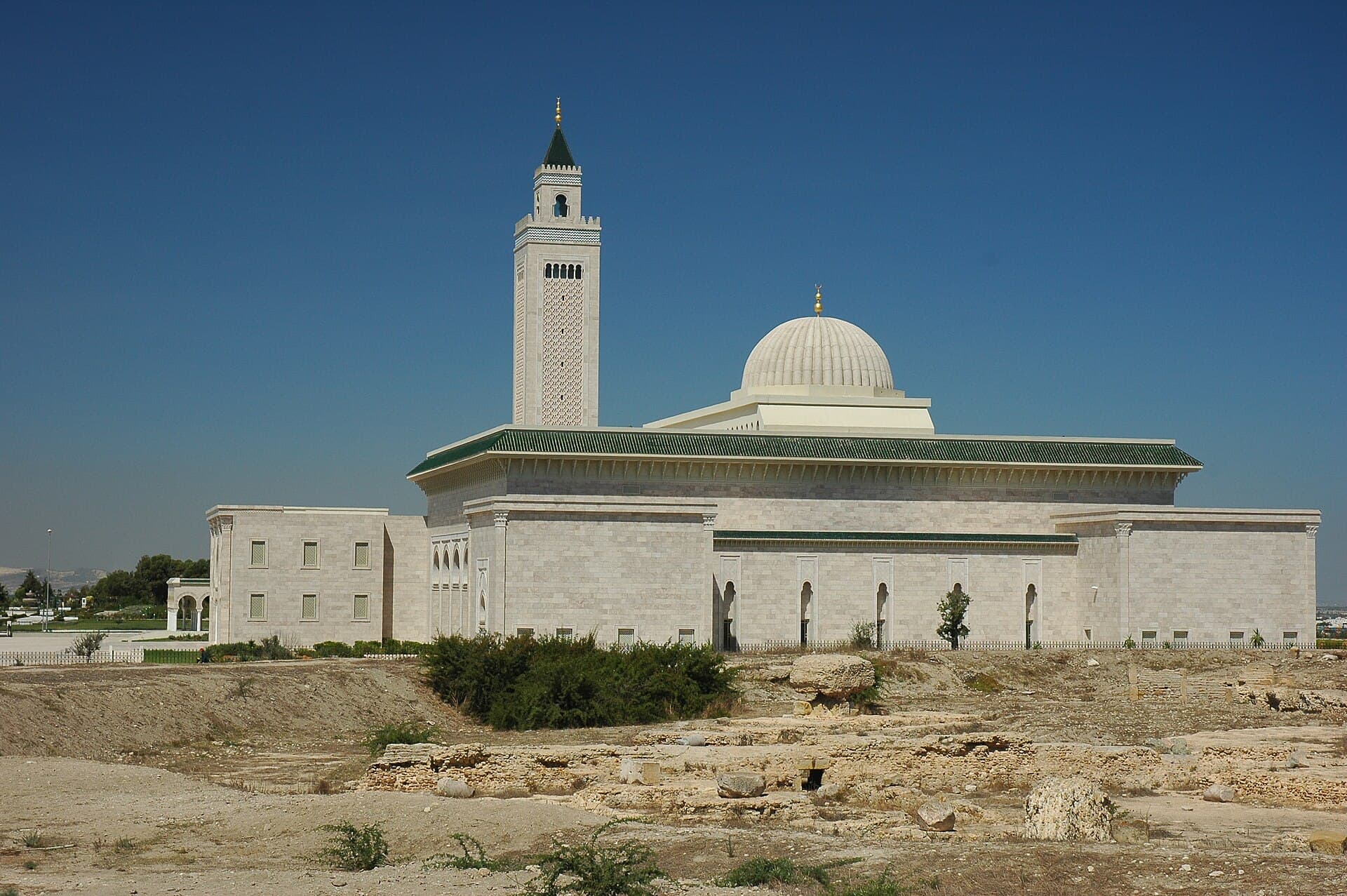 Malik ibn Anas Mosque, CarthageA large modern mosque on Odeon Hill in Carthage, built between 2000 and 2003 and10 minutes walk4.9
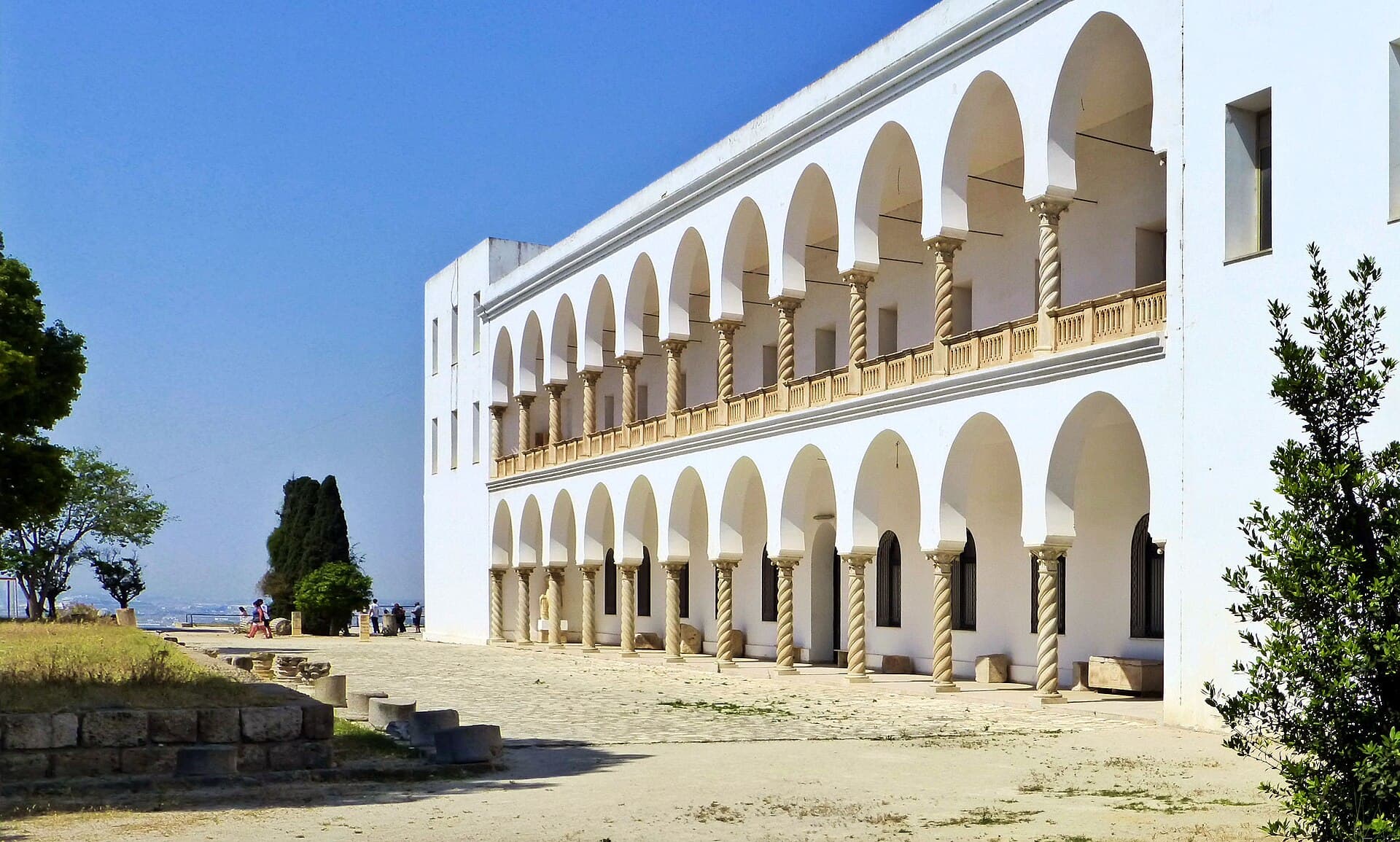 Carthage National Museum and Byrsa HillAn archaeological museum on top of Byrsa Hill, where Phoenician Carthage had its12 minutes walk4.0
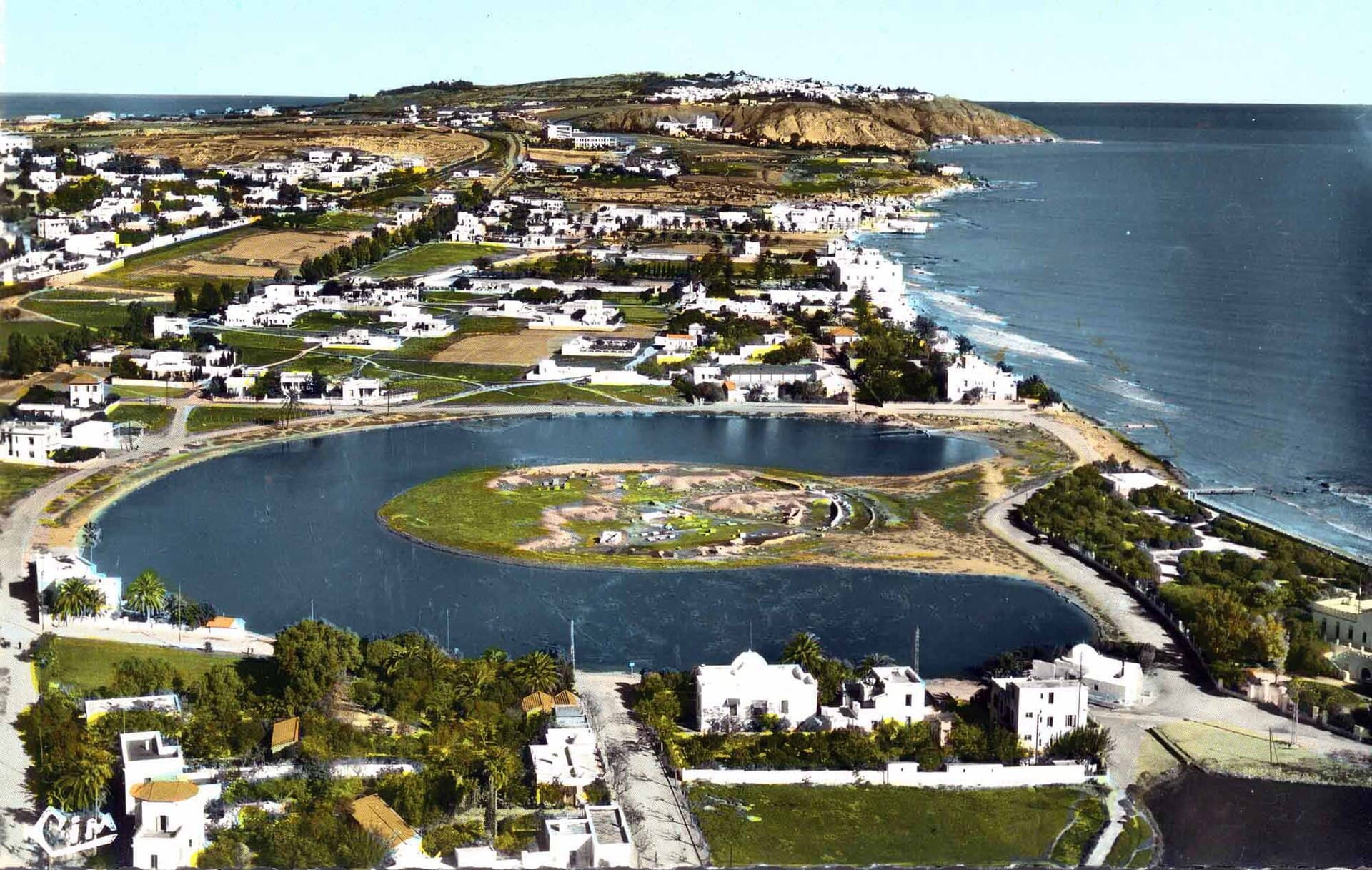 Punic Ports of CarthageThe remains of the two harbours that made Carthage a sea power: a rectangular me17 minutes walk4.2
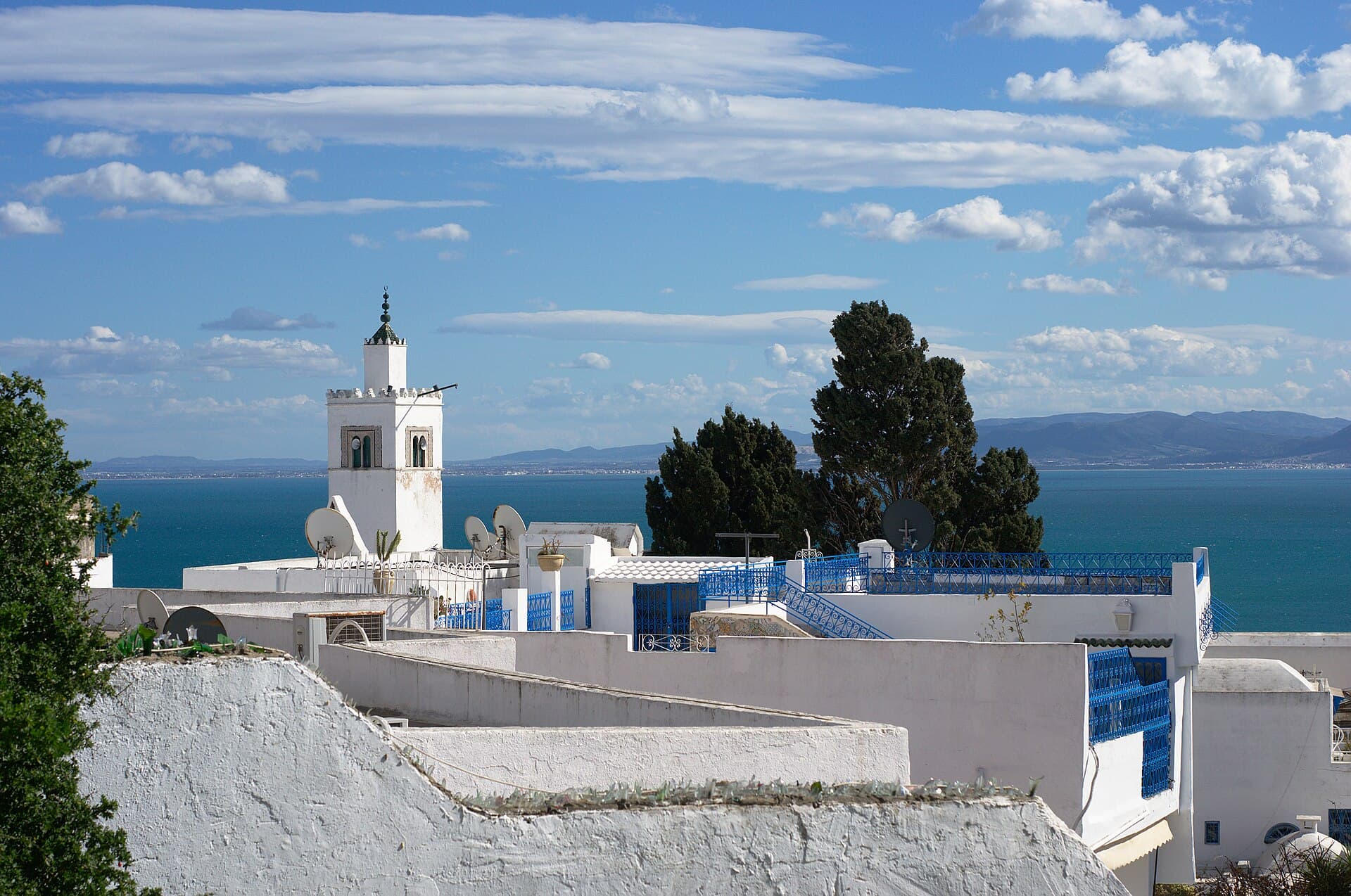 Sidi Bou SaidA white village on a cliff above the Gulf of Tunis, known for its blue doors and23 minutes walk
Between 45 minutes and an hour and a quarter for the baths and the park around them.