
Low instead of tall
Broad earth absorbs shot rather than shattering under it.
Melilac — CC BY-SA 4.0 · N. Nylander — CC BY-SA 4.0 · Photograph by Mike Peel (www.mikepeel.net). — CC BY-SA 4.0 · Maa-amet / Estonian Land Board — CC BY-SA 4.0
An earthwork bastion from the Swedish period north of the Old Town, known today as Rannamägi and a public hill anyone can climb. Bastions represent a break in the history of fortification. The tall stone towers Tallinn's wall was built from were designed before artillery spread, and as guns improved through the sixteenth century those towers became a liability: high, exposed and easy to hit. The answer was the bastion — a low, broad earth mass with sharp angles, absorbing cannon shot rather than shattering under it, and providing a platform for defending guns. Tallinn was ringed with a belt of these bastions in the Swedish period, and Skåne is one of them. Its name comes from the province of Skåne in southern Sweden. Today most of the belt has become parks and grass slopes, a common transformation in European cities: fortifications that lost their function became the green breathing space. Practical points: the hill is public, free and always open, and the climb is short. The view from the top takes in the Old Town and the harbour. The slopes are grassy and can be slippery after rain.
Broad earth absorbs shot rather than shattering under it.
Fortifications that lost their purpose are the city's green space now.
From the province of Skåne, dating to Swedish rule.
Rannamägi, north of the Old Town, Tallinn
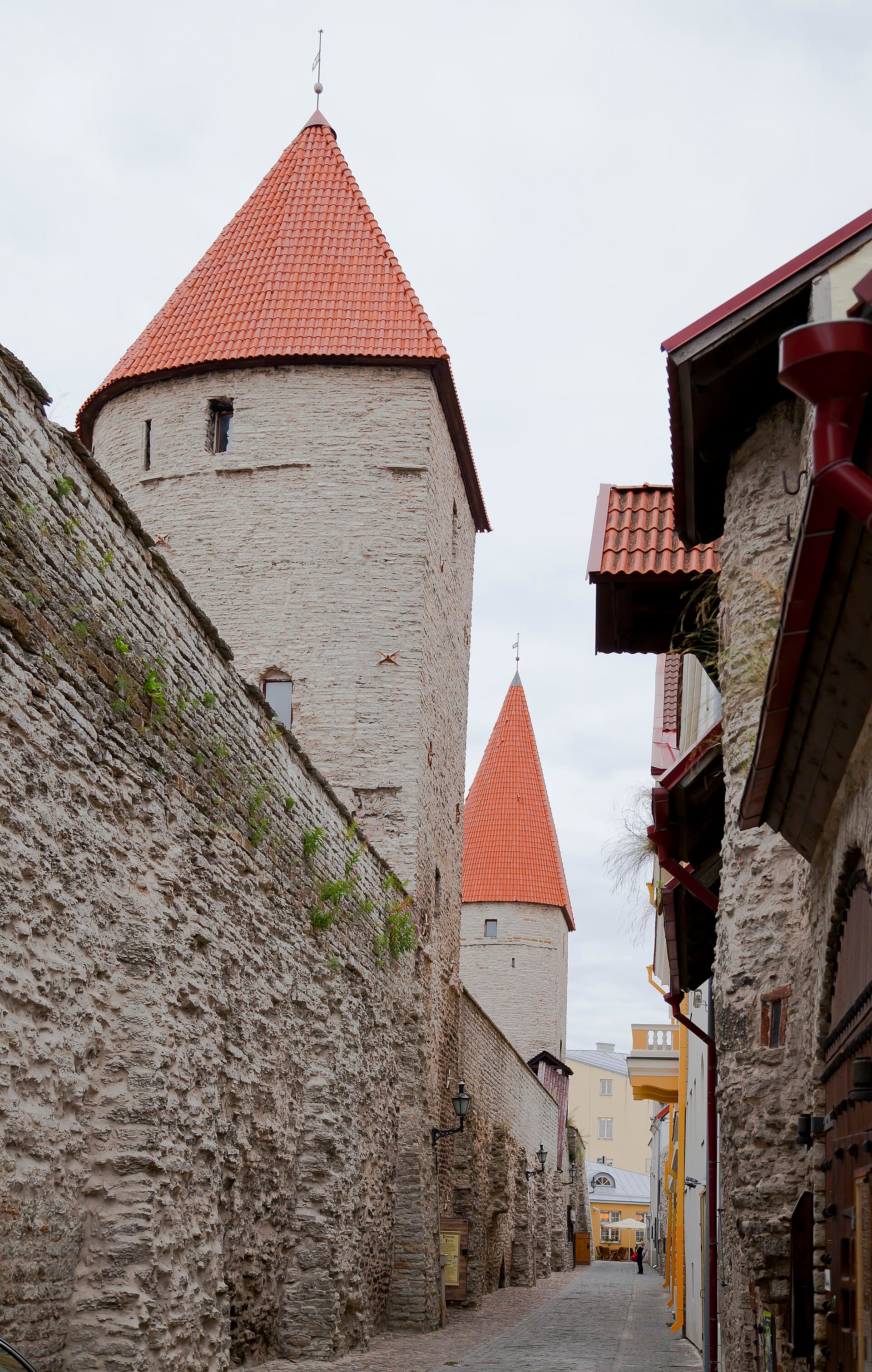 Epping TowerA defensive tower of the Tallinn town wall in the north-east of the Old Town, wo2 minutes walk4.4
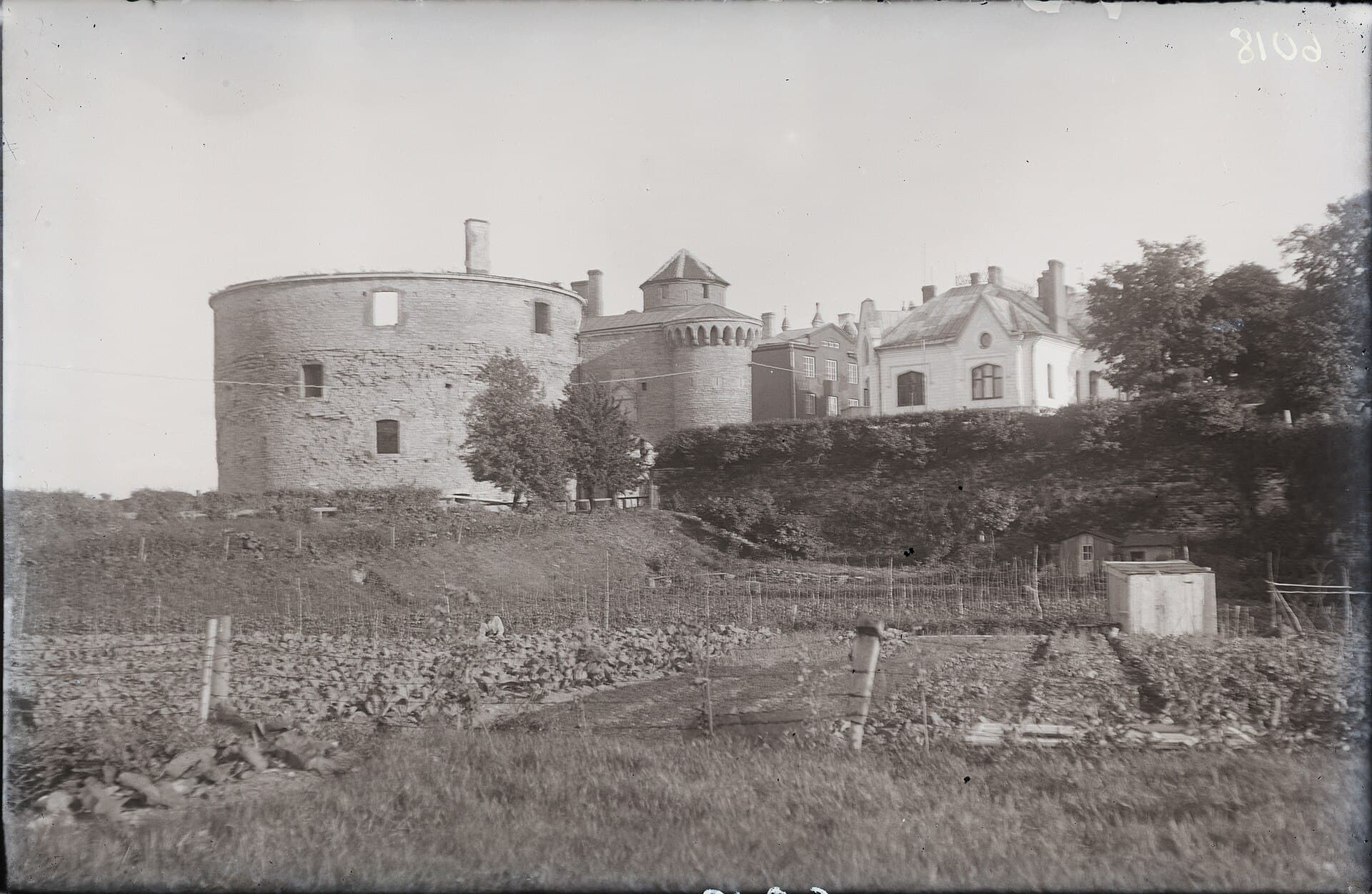 Fat MargaretAn artillery tower with walls five metres thick at the sea gate: Fat Margaret wa2 minutes walk4.7
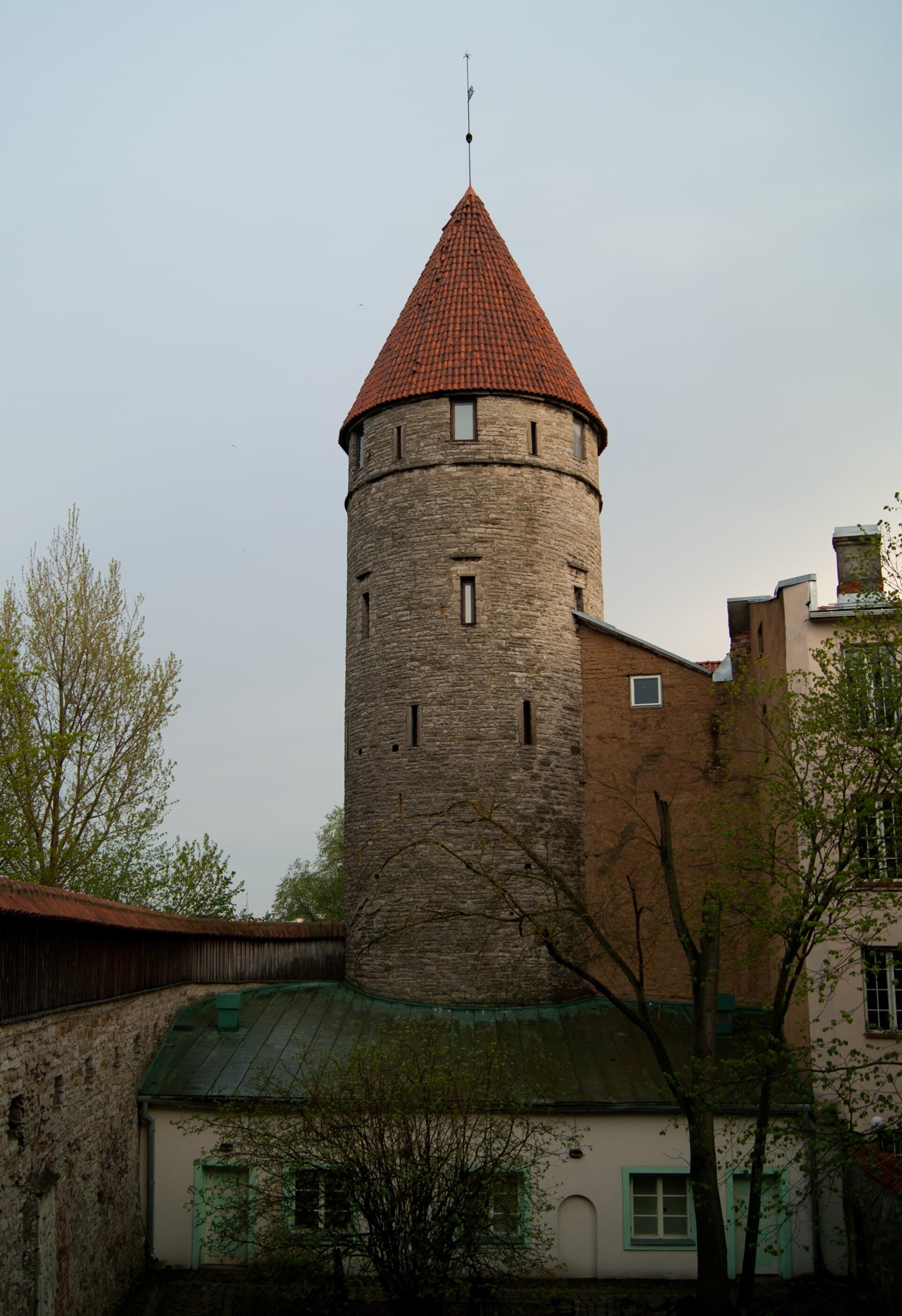 Stolting TowerA tower in the north-eastern sector of the Tallinn town wall on Laboratooriumi s2 minutes walk4.4
 Tower behind NunsA tower in the northern sector of the Tallinn town wall, one of three connected 5 minutes walk4.6
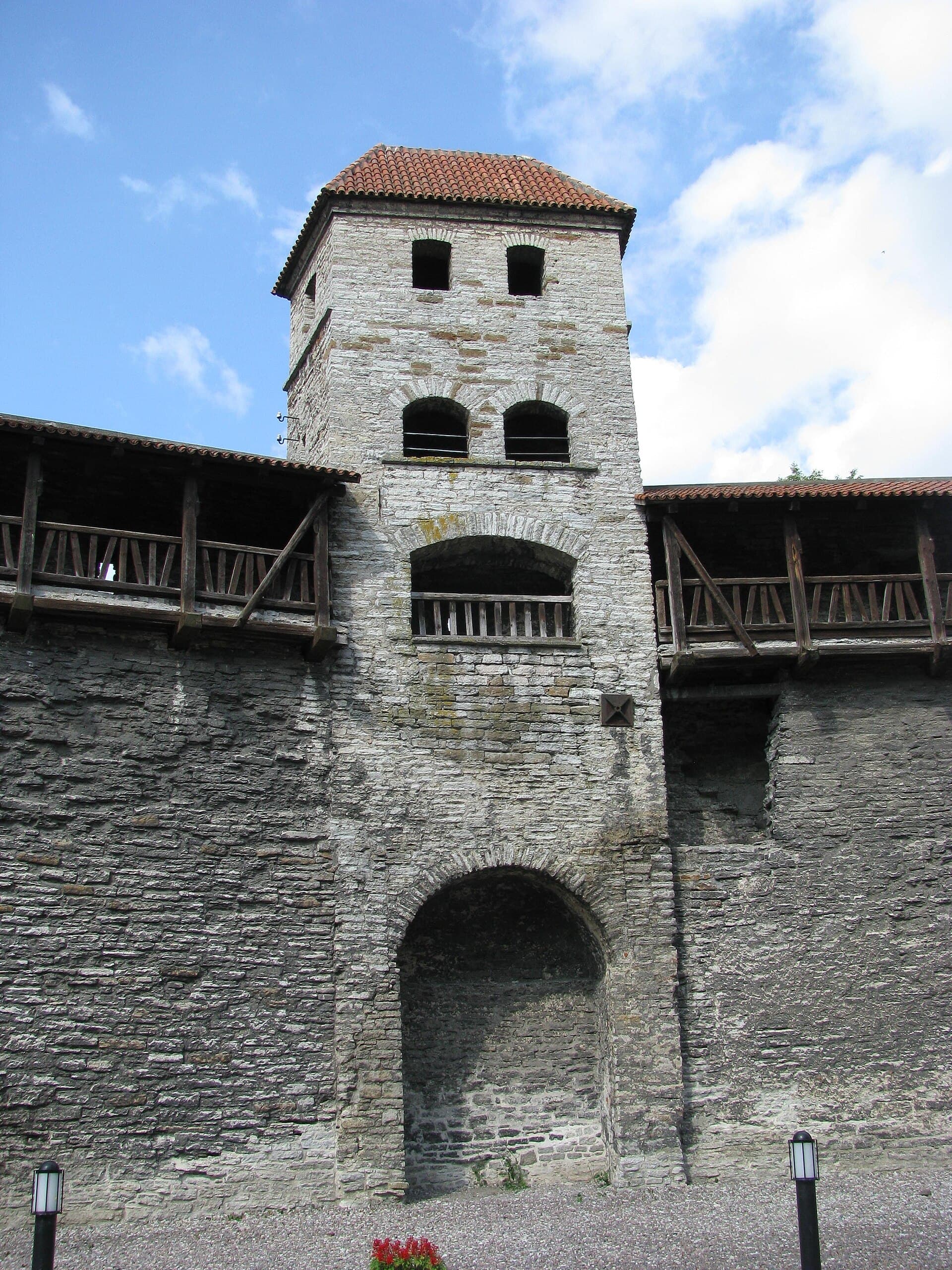 Sauna TowerA tower in the northern sector of the Tallinn town wall, connected to the Tower 6 minutes walk4.6
Because artillery changed the rules. A tall thin wall was excellent against ladders and siege engines but collapses under cannon fire. A low, broad, sharply angled bastion does three things: it absorbs the impact, it is hard to hit from a distance, and it lets the defenders' guns cover the flanks of the neighbouring bastions. That star-shaped form spread across Europe within a century.
For a few minutes, yes — it is free and on the route between the Old Town, the railway station and the Telliskivi district. The view is good, if not better than Toompea's. Do not make a trip of it, but do not walk past without going up if you are passing.