
The tower's void
Boats hung inside the stone cylinder.
Adolf Purve — Public domain · Adolf Purve — Public domain · Photograph by Mike Peel (www.mikepeel.net). — CC BY-SA 4.0 · Photograph by Mike Peel (www.mikepeel.net). — CC BY-SA 4.0
An artillery tower with walls five metres thick at the sea gate: Fat Margaret was built between 1511 and 1531 to guard Tallinn's entrance from the sea — twenty-five metres across with walls among the heaviest in northern Europe, and from that bulk came the popular name. It served as an arsenal, then a prison in the nineteenth century, was burned in the revolution of 1917 and stood ruined for decades. Restored and reopened in 2019 as a branch of the Estonian Maritime Museum, its display is entirely modern: Estonia's history by sea from Viking ships to the Hanseatic League to today's ferries, with interactive screens and boats hung in the tower's void. Its roof is a terrace over the harbour and the old town's roofs, and beside it stand the Great Coastal Gate and the memorial to the ferry Estonia, which sank in 1994 — postwar Europe's worst maritime disaster. Combine it with the Seaplane Harbour on a joint ticket.
Boats hung inside the stone cylinder.
Postwar Europe's worst maritime disaster.
Pikk 70, Tallinn
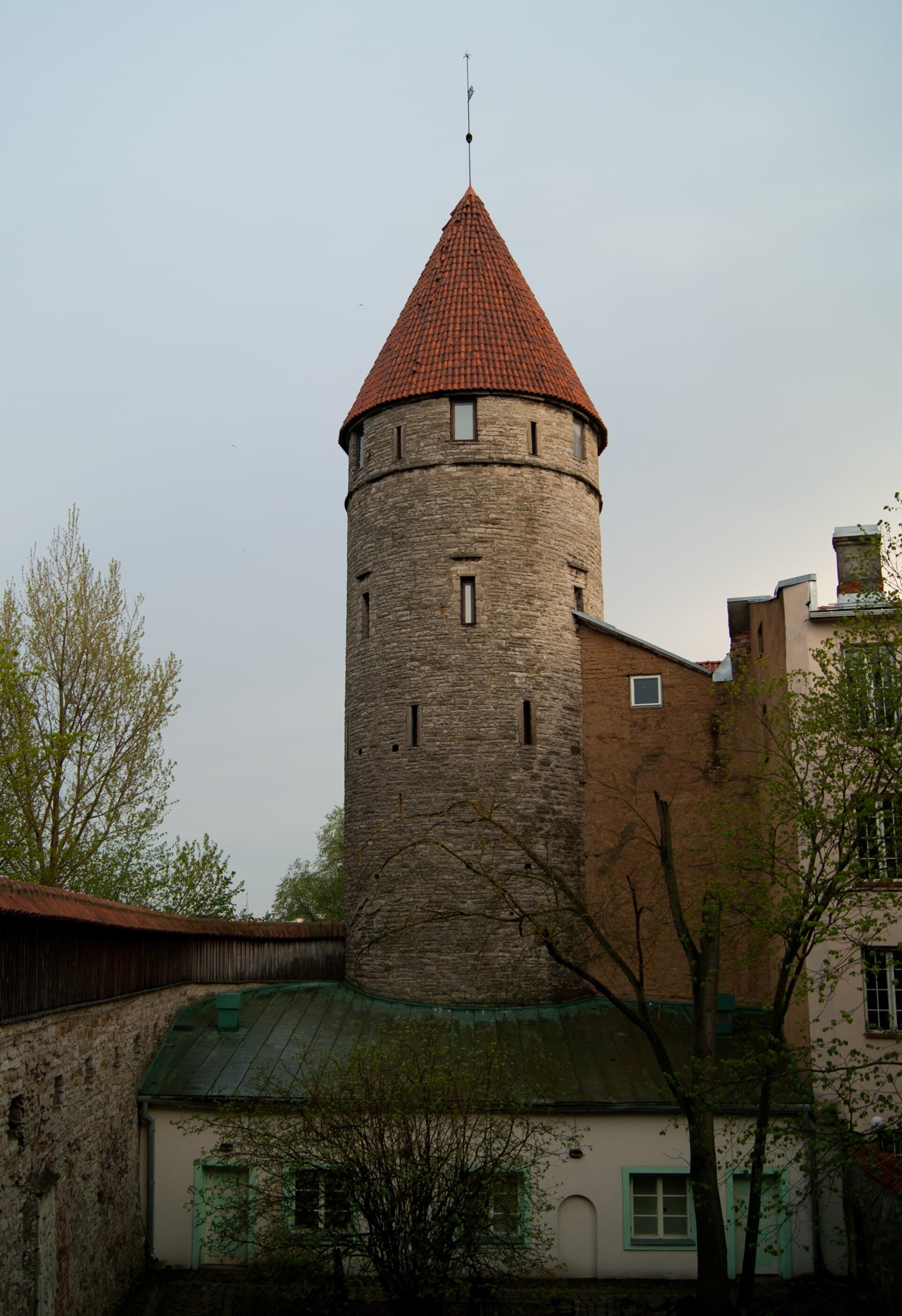 Stolting TowerA tower in the north-eastern sector of the Tallinn town wall on Laboratooriumi s1 minute walk4.4
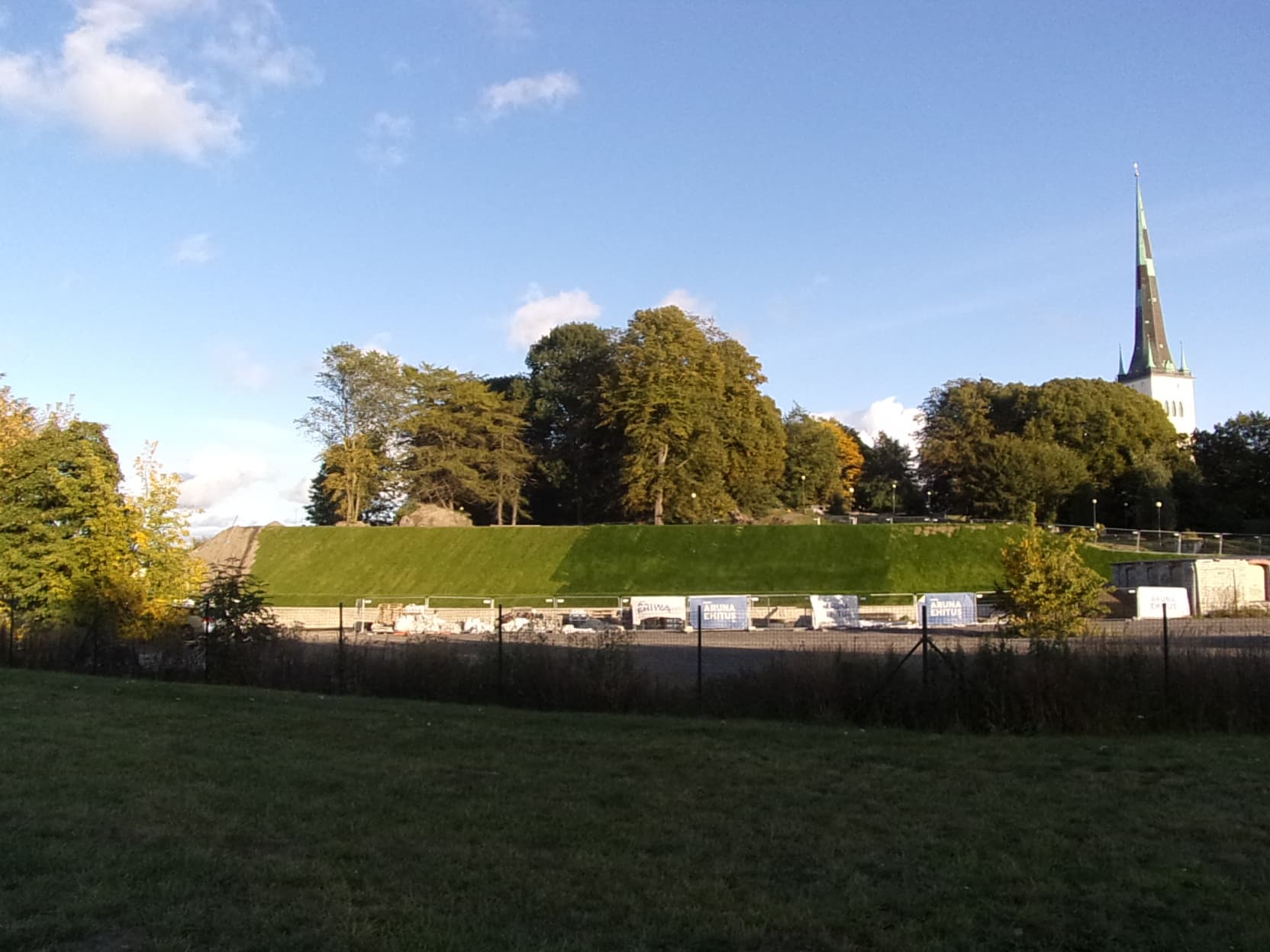 Skåne BastionAn earthwork bastion from the Swedish period north of the Old Town, known today 2 minutes walk4.1
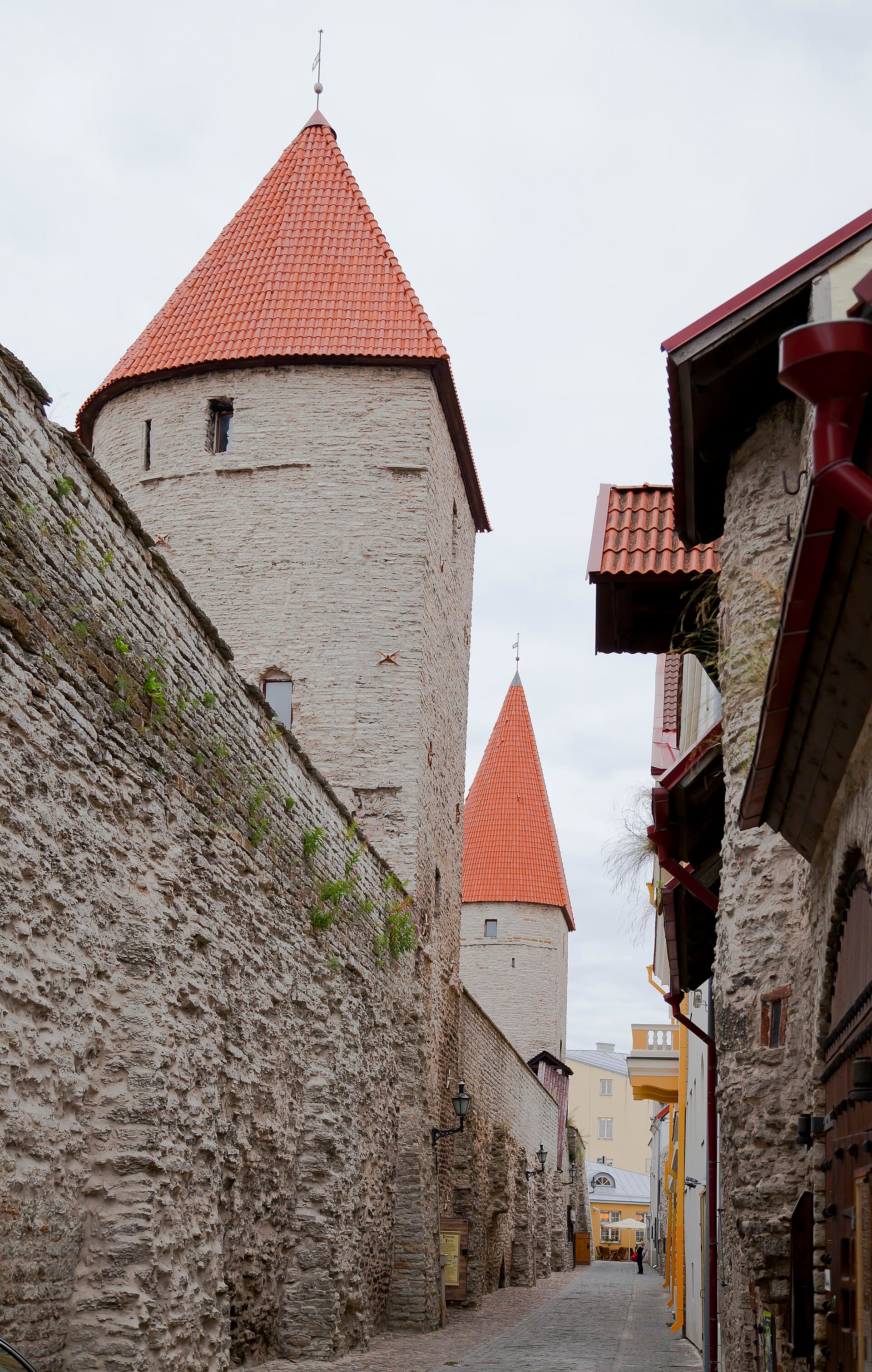 Epping TowerA defensive tower of the Tallinn town wall in the north-east of the Old Town, wo3 minutes walk4.4
 Tower behind NunsA tower in the northern sector of the Tallinn town wall, one of three connected 6 minutes walk4.6
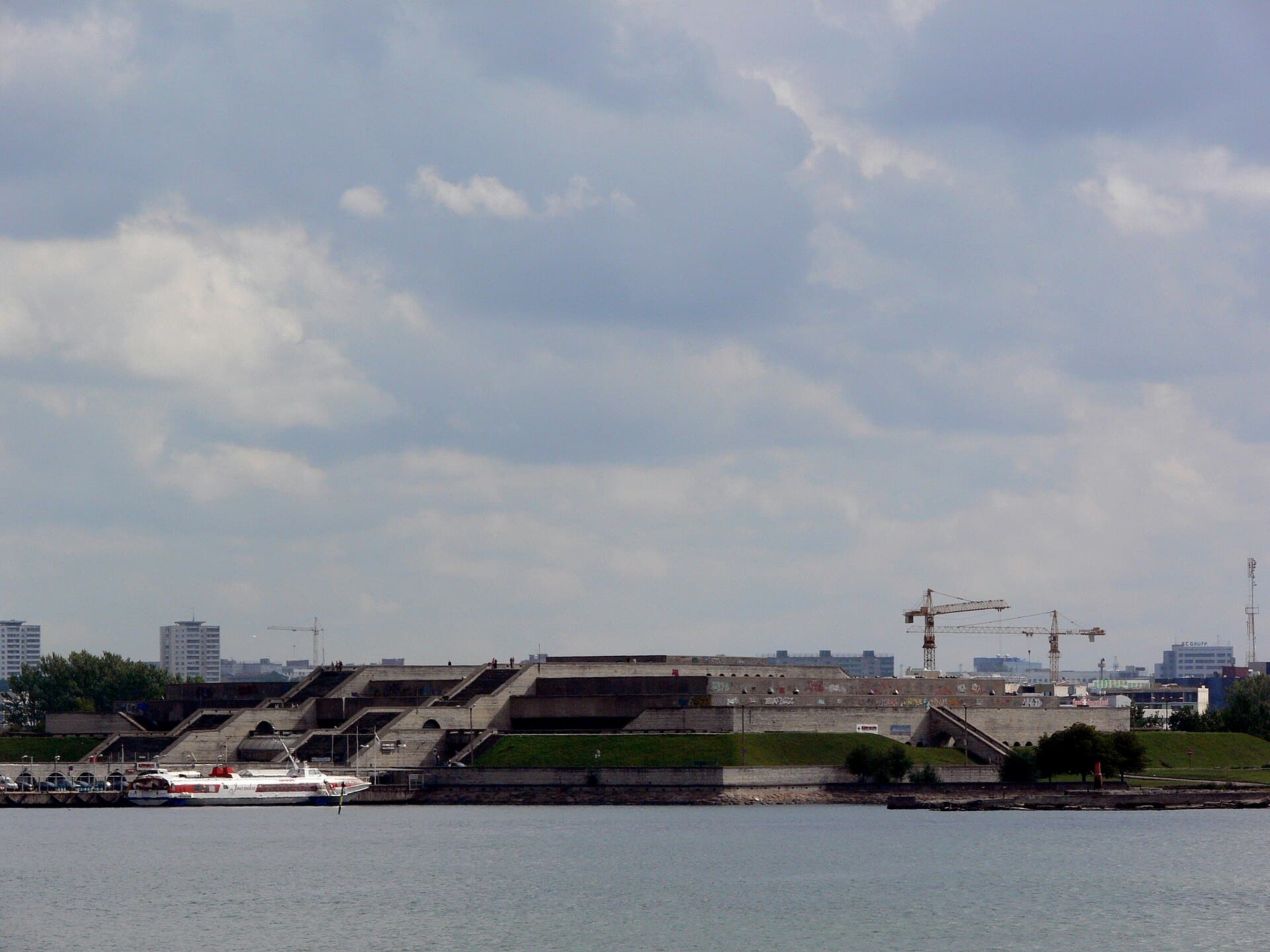 LinnahallA vast concrete building between the old town and the sea, built for the 1980 Mo6 minutes walk4.3
The ferry sank in the Baltic on the night of 28 September 1994 en route from Tallinn to Stockholm after its bow door opened in a storm; 852 people died — and the memorial beside the tower takes the form of a broken line.