Kashubian culture
A Slavic people with their own living language in northern Poland.
Artur Andrzej — CC0 · Andrzej Otrębski — CC BY-SA 4.0 · Joanna Kalecińska — CC BY-SA 3.0 pl · Artur Andrzej — CC0
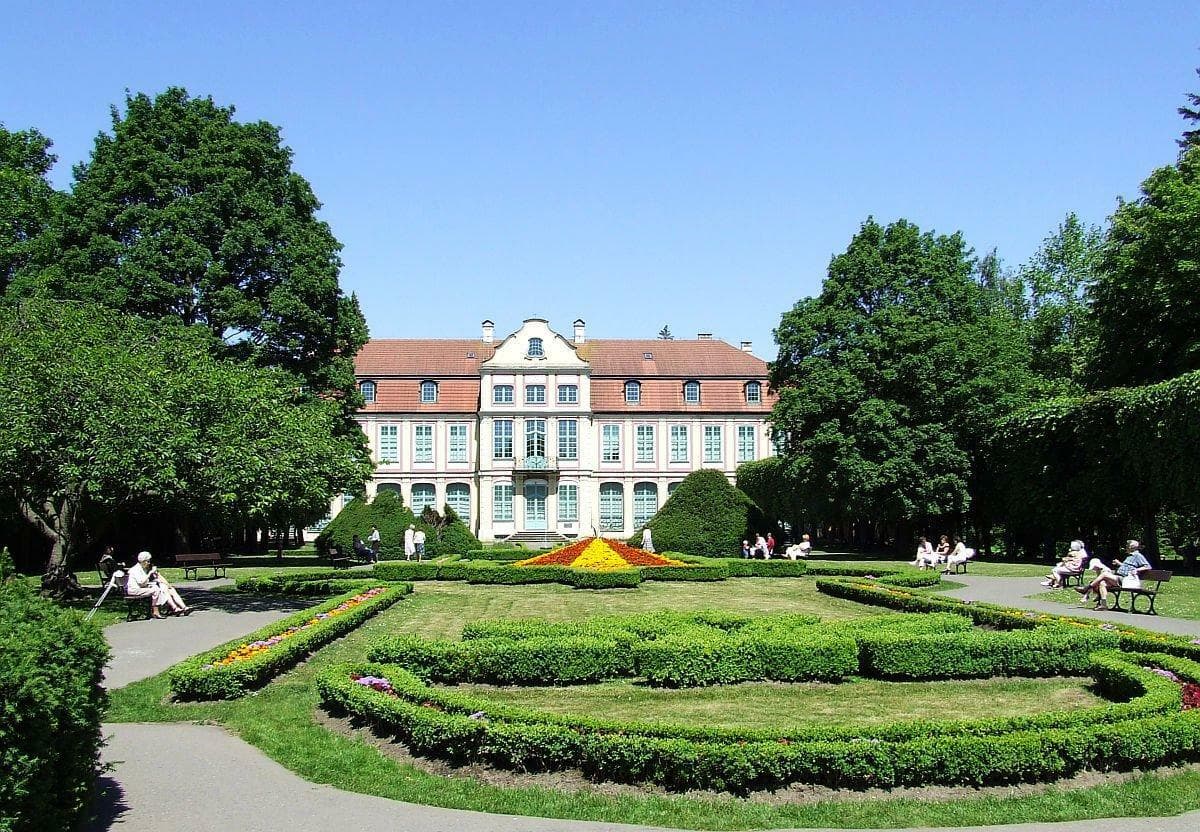
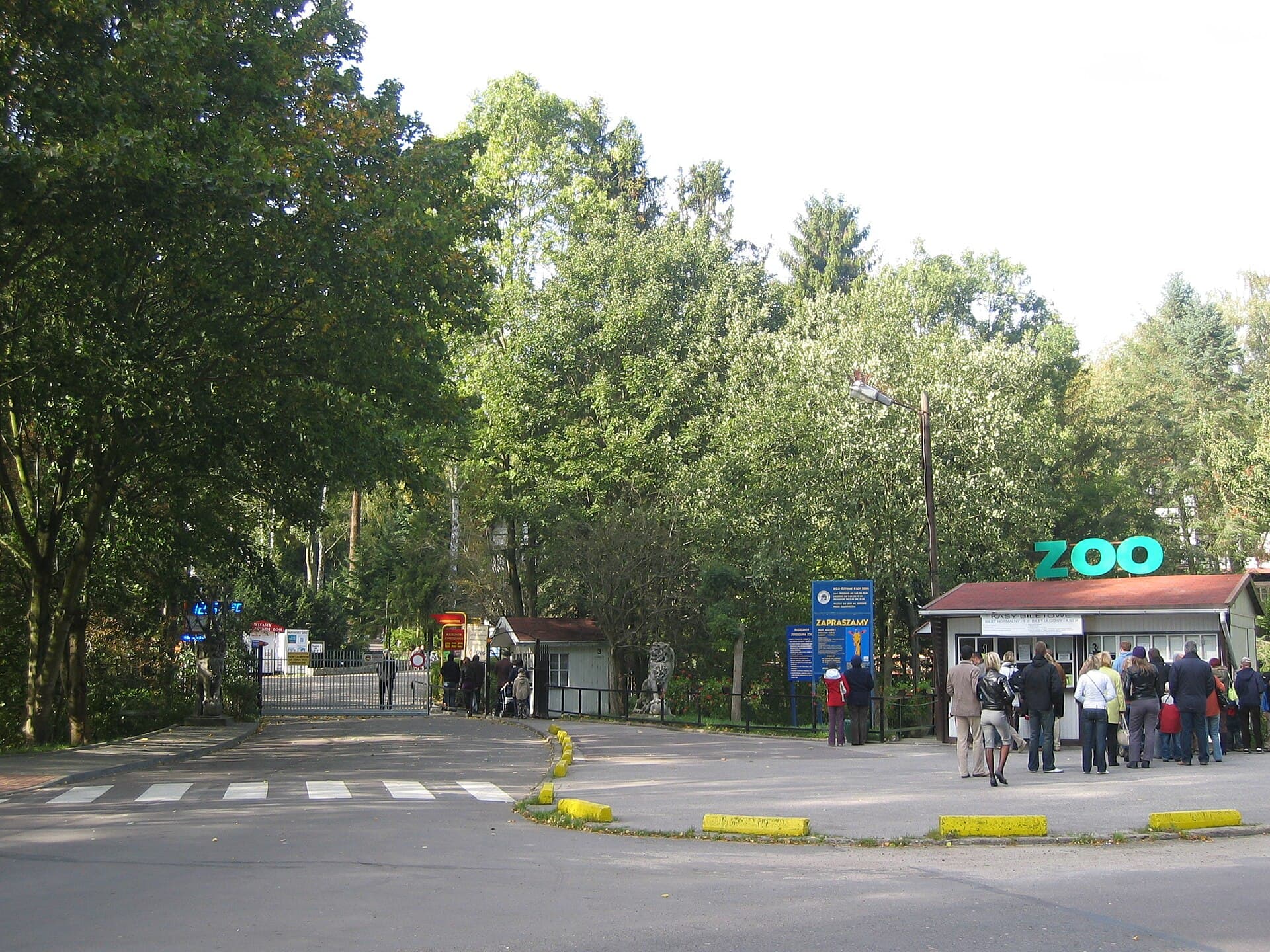
An ethnographic museum inside an old grain store that belonged to the Oliwa abbey, within the palace park in the same district. The building is eighteenth century and stored the abbey's harvest, itself a document of the monastic economy of the region before its properties were confiscated. The displays cover rural life and folk crafts in Pomerania and Kashubia: farming and fishing tools, traditional dress, carved wooden furniture, textiles and pottery. The Kashubians are a Slavic people with their own language, still living in northern Poland, and a culture distinct from mainstream Polish. That makes the museum more than a folklore display: it is a way into a population a visitor would not otherwise know exists. It stands inside the wide Oliwa park beside the cathedral and the zoo, so the whole area is visited in one day, and that is its best use.
A Slavic people with their own living language in northern Poland.
Tools, dress and carved furniture from Pomerania before industry.
The building itself explains how abbeys held land and stored its harvest.
Oliwa park, northwest of Gdańsk
A Slavic people of northern Poland around Gdańsk, with their own officially recognised language, still taught and spoken. Their culture — embroidery, musical instruments, tales — differs from mainstream Polish, and this museum is among the best introductions to it.
Start with Oliwa cathedral and its organ recitals, then walk the palace park — free, wide and attractive — then the museum inside it, and finish at the zoo if you have children and time. The tram from Gdańsk reaches the area in about half an hour.