
A four-century tree
Still coming into leaf each spring, its trunk held by props.
A.Schneider83 — CC BY-SA 3.0 · GFreihalter — CC BY-SA 4.0 · xiquinhosilva from Cacau — CC BY 2.0 · Celette — CC BY-SA 4.0
A small garden on the Left Bank directly opposite Notre-Dame, holding the oldest tree in Paris. The tree is the reason: a false acacia (robinia) planted in the early seventeenth century, meaning it has seen four centuries of the city's history. Its trunk now leans and is held up by concrete props, and it still comes into leaf every spring. Standing before a living thing that predates the French Revolution by a century and a half is a different experience from looking at old stone. The garden is also one of the best vantage points on Notre-Dame: from here you see the flank and the flying buttresses across the river, an angle far less crowded than the square in front of the cathedral. Beside it stands the church of Saint-Julien-le-Pauvre, among the oldest in Paris, small and quiet and rarely entered by visitors. Practical points: free and open during daylight hours. The visit is short and lies on the route of any walk between the Latin Quarter and the island.
Still coming into leaf each spring, its trunk held by props.
The flying buttresses and flank across the river, without the crowd.
Among Paris's oldest churches, small, quiet and rarely visited.
Left Bank, directly opposite Notre-Dame
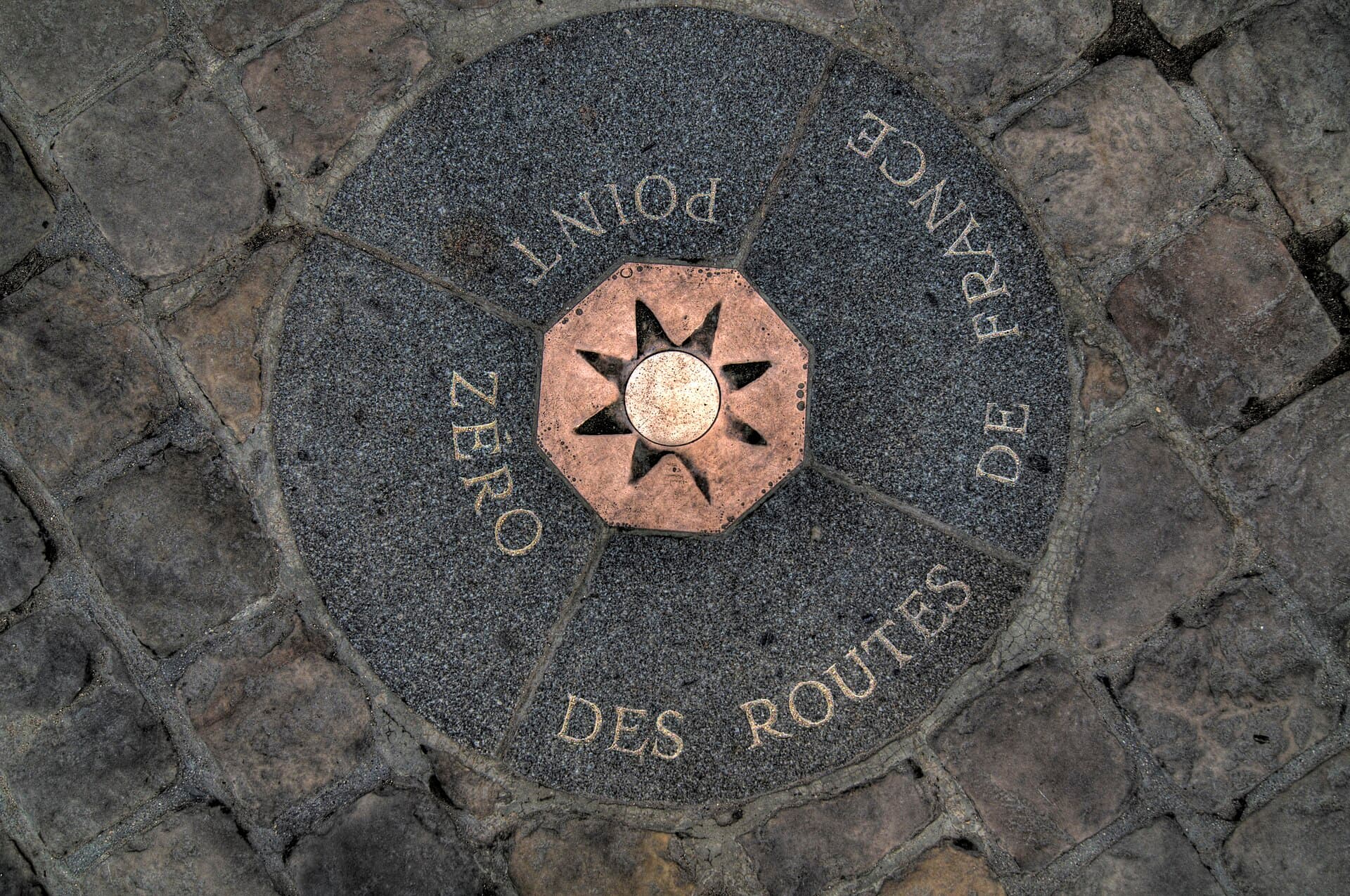 Point Zero of the French RoadsAn octagonal bronze plaque set into the paving of the square before Notre-Dame c2 minutes walk4.6
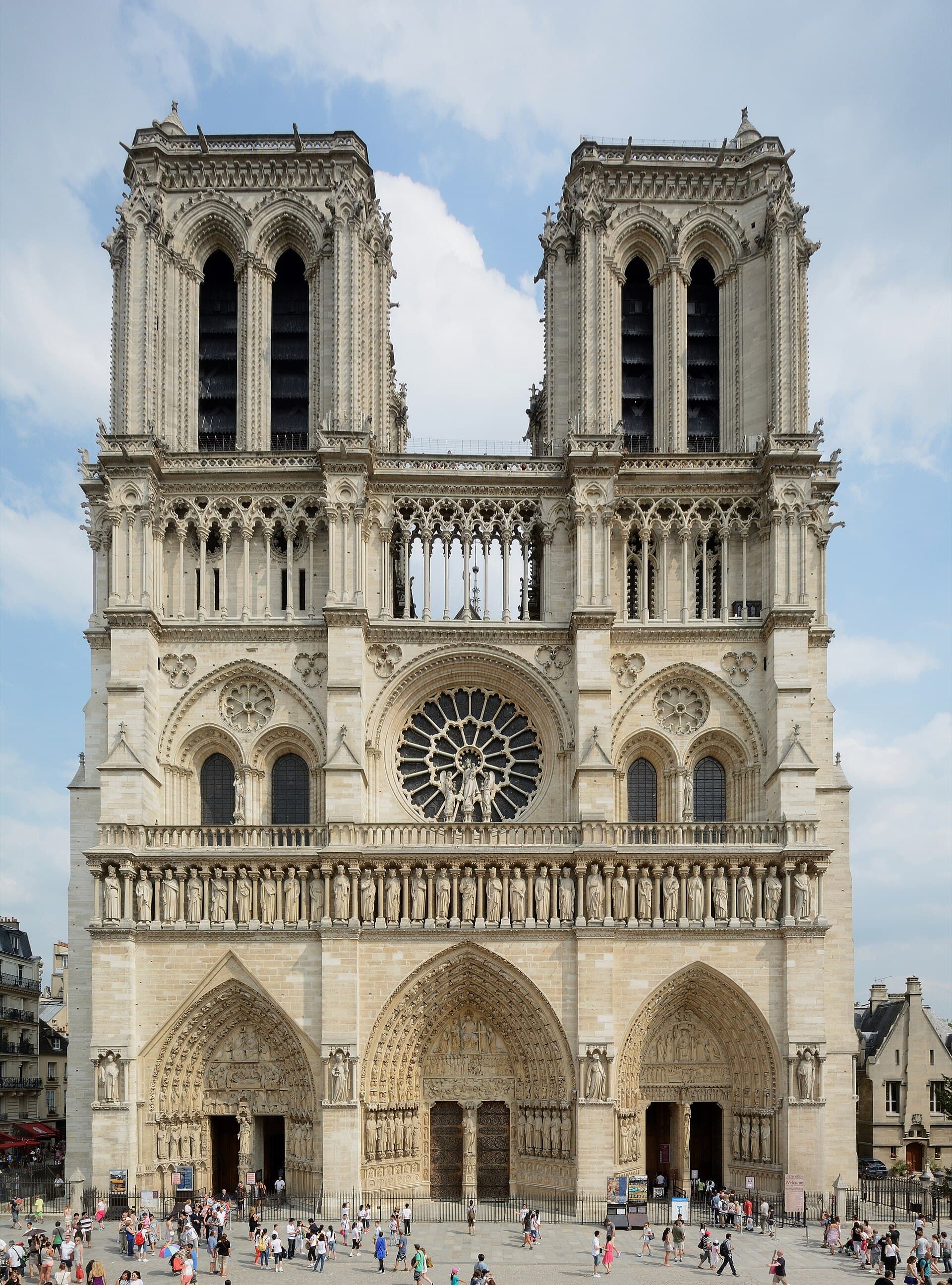 Notre-Dame de ParisWhen Notre-Dame's roof burned before the world's eyes in April 2019, Paris seeme2 minutes walk4.6
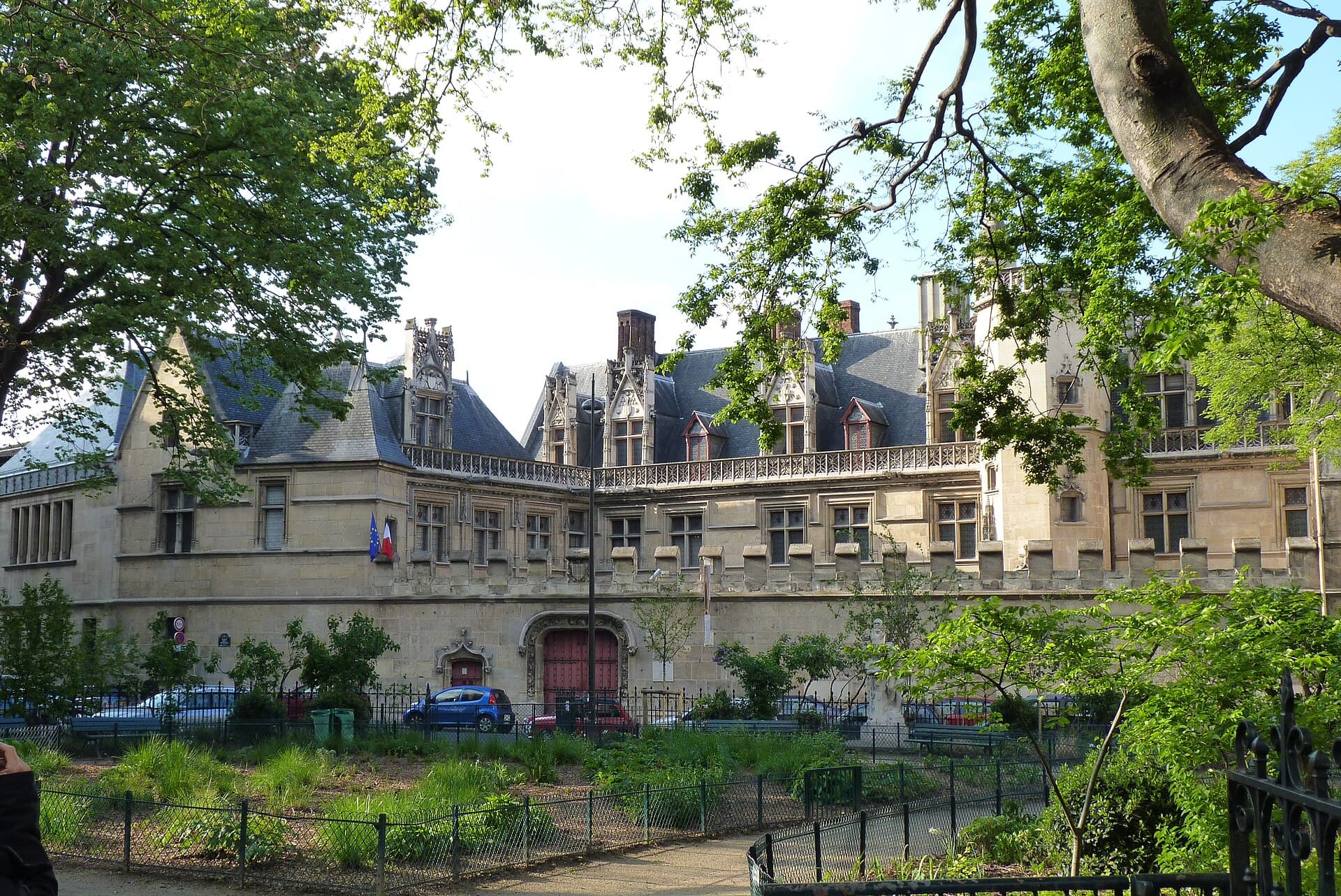 Musée de ClunyIn the heart of the Latin Quarter two ages meet under one roof: the Roman baths 4 minutes walk4.6
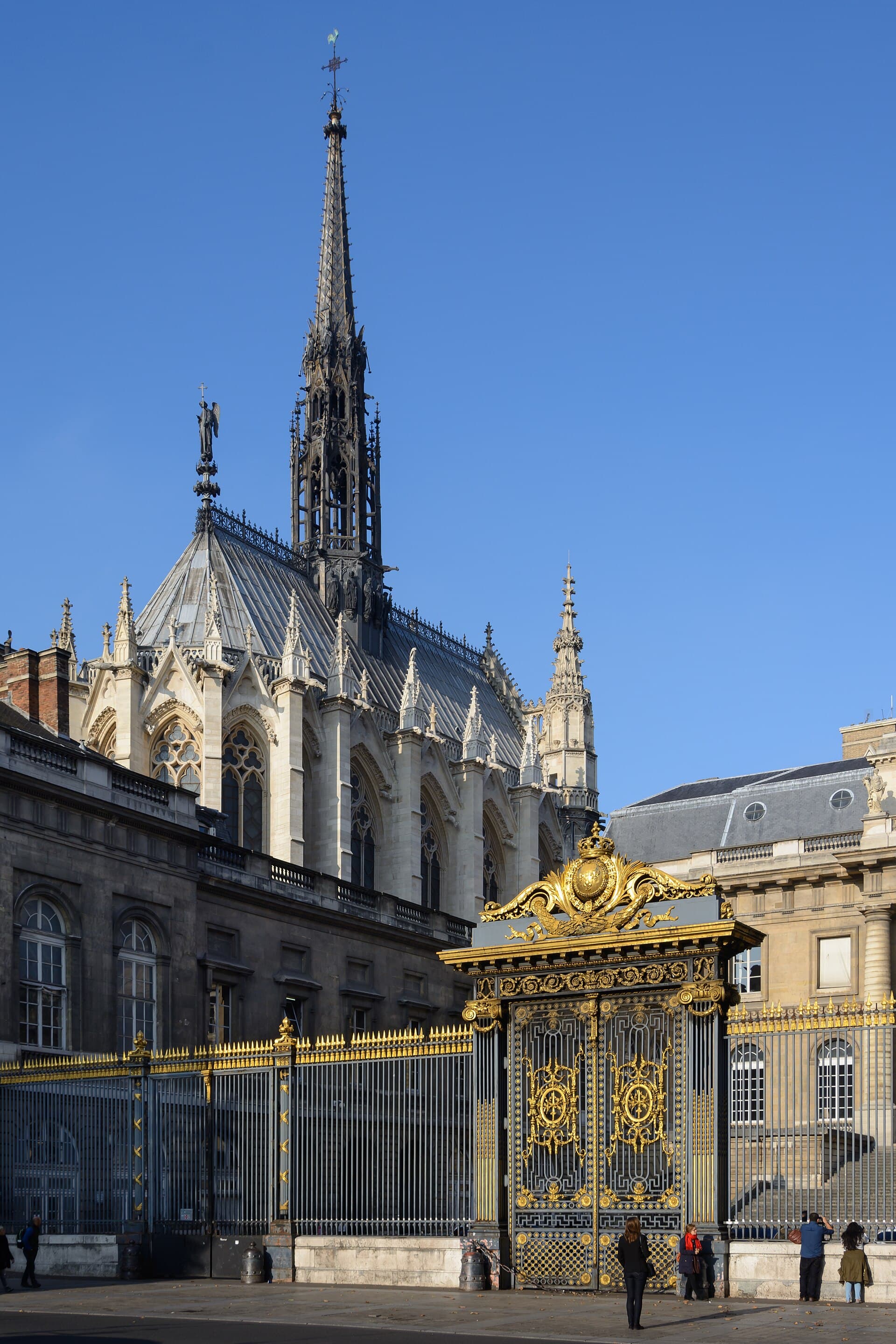 Sainte ChapelleNo photograph does Sainte-Chapelle justice, and no description either. You enter5 minutes walk4.5
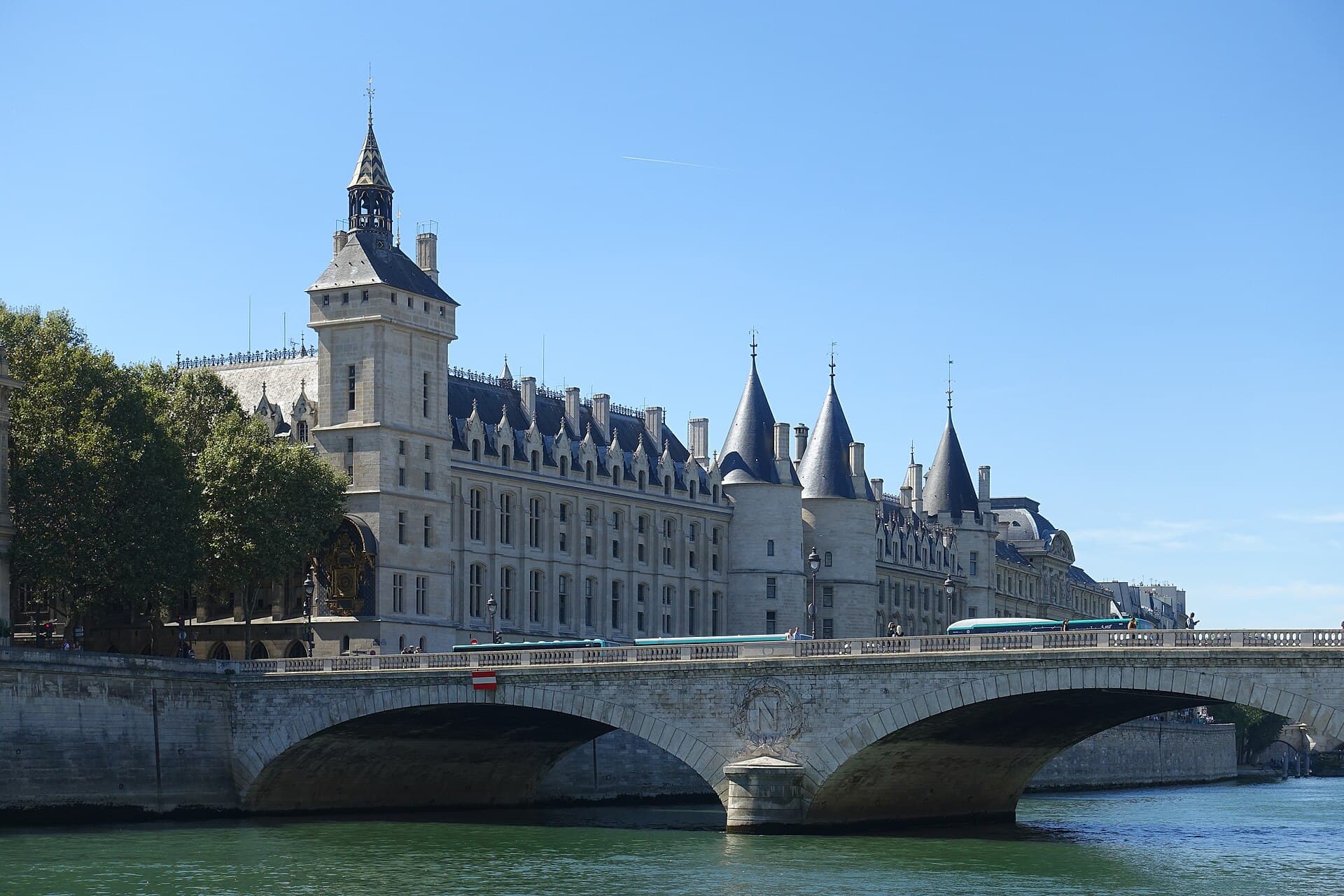 The Clock Tower of the Palais de la CitéA square tower at the corner of the Palais de la Cité on the Île de la Cité, car6 minutes walk4.7
Looking for halal food near Square René Viviani? There are several options nearby, from Moroccan and Indian kitchens to quick casual spots and places with a view. Confirm the halal status and opening hours before you go — these can change.
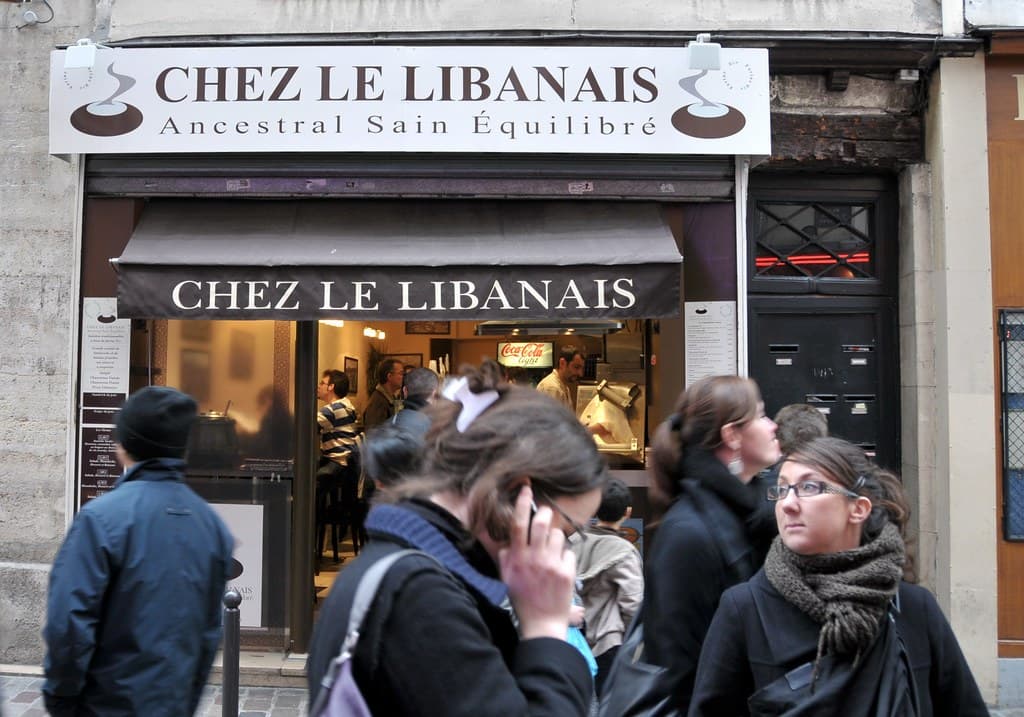 Chez le LibanaisHalalA small counter on Rue Saint-André des Arts, one of the busiest pedestrian stree6 minutes walk · $4.5Al DarHalalAl Dar is a Lebanese restaurant in the Latin Quarter, a few minutes on foot from3 minutes walk · $$4.1AssanabelHalalAssanabel is a small Lebanese restaurant on Rue Jacob, one of the prettiest and 13 minutes walk · $$4.9
It was planted in the early seventeenth century, so it is over four hundred years old and is considered the oldest tree in Paris. The exact age is debated, but the order of events is not: it was standing a century and a half before the French Revolution.
The cathedral is across the river, minutes away over the bridge. This garden is the best place to see it from outside and photograph it calmly before or after visiting. Combine the two rather than settling for the crowded forecourt.