
Time as authority
The king's clock rivalled the church bells for the city's rhythm.
Guilhem Vellut from Paris, France — CC BY 2.0 · xiquinhosilva from Cacau — CC BY 2.0 · Giuseppe Canella — Public domain · d'après Boisseau, Israel Silvestre — Public domain
A square tower at the corner of the Palais de la Cité on the Île de la Cité, carrying the oldest public clock in Paris — installed in 1371 by order of King Charles V. Owning a public clock that struck the hour was then a political matter: time belonged to the Church, marked by the bells of the offices, and a clock placed by the king on his palace meant the state set the city's rhythm too. The present clock face dates from 1585, surrounded by sculpted decoration by Germain Pilon showing two figures representing law and justice, with Latin inscriptions. The palace itself was the seat of the kings of France until the fourteenth century and then became the seat of the courts, and part of it is the Conciergerie — the prison where Marie Antoinette was held before her execution. The clock was restored in 2012 and runs again after decades stopped. Seen free from the street at any time.
The king's clock rivalled the church bells for the city's rhythm.
Germain Pilon's 1585 sculpture around the face.
After decades stopped.
The corner of Quai de l'Horloge, Île de la Cité
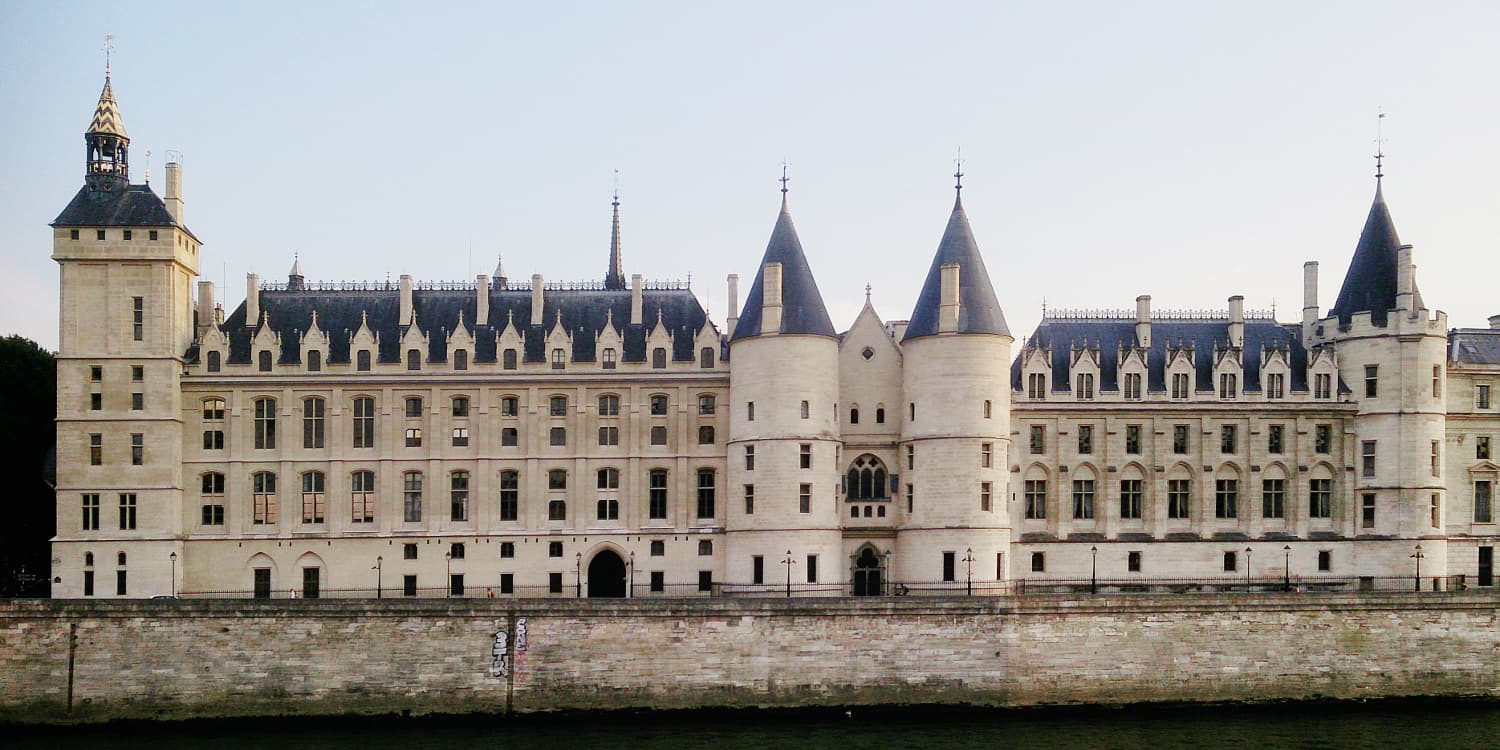 ConciergerieThe fortress façade with conical towers on the Seine embankment is the oldest an1 minute walk4.3
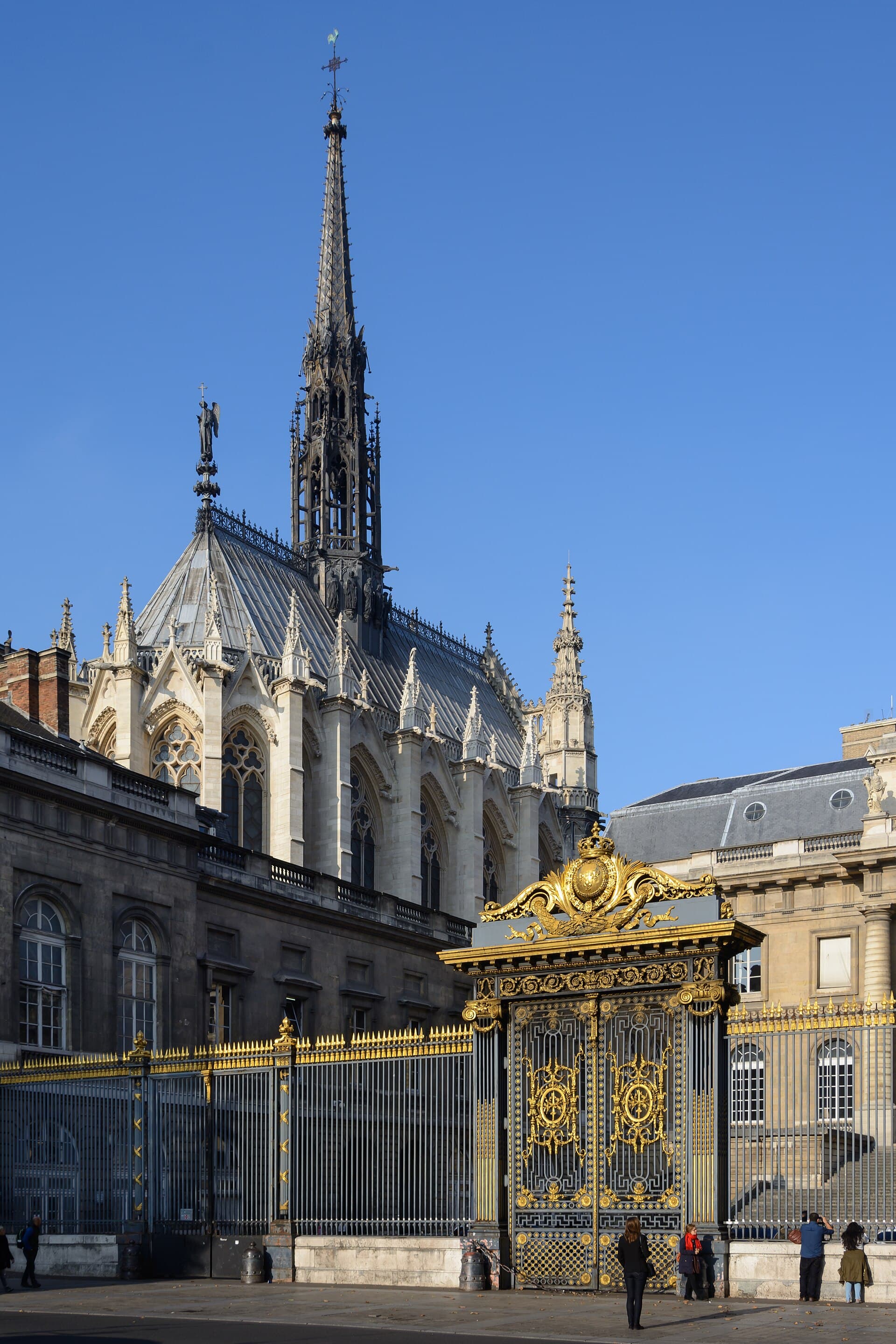 Sainte ChapelleNo photograph does Sainte-Chapelle justice, and no description either. You enter2 minutes walk4.5
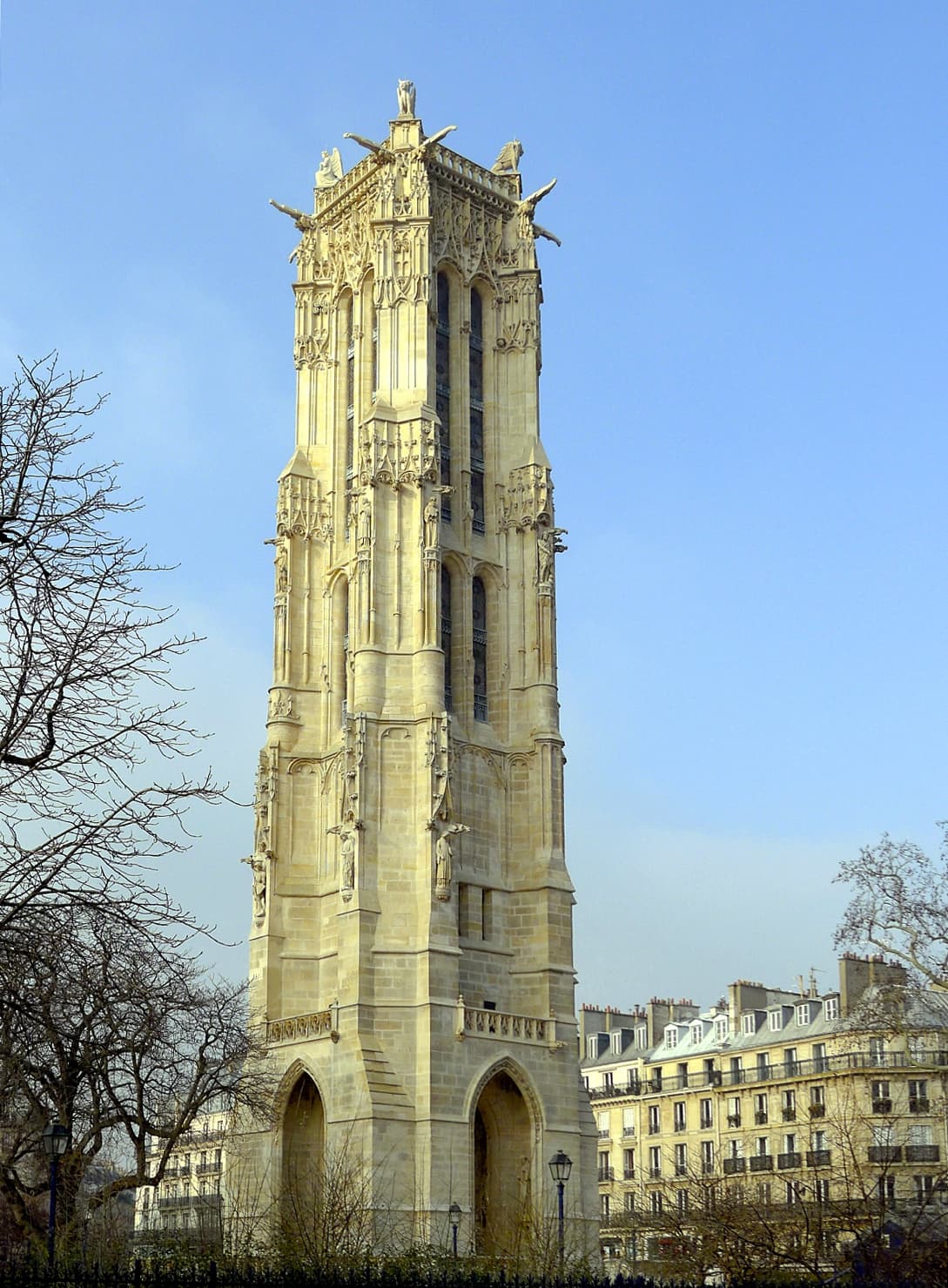 Tour Saint-JacquesIn a small garden between Châtelet and the Hôtel de Ville stands a flamboyant Go3 minutes walk4.3
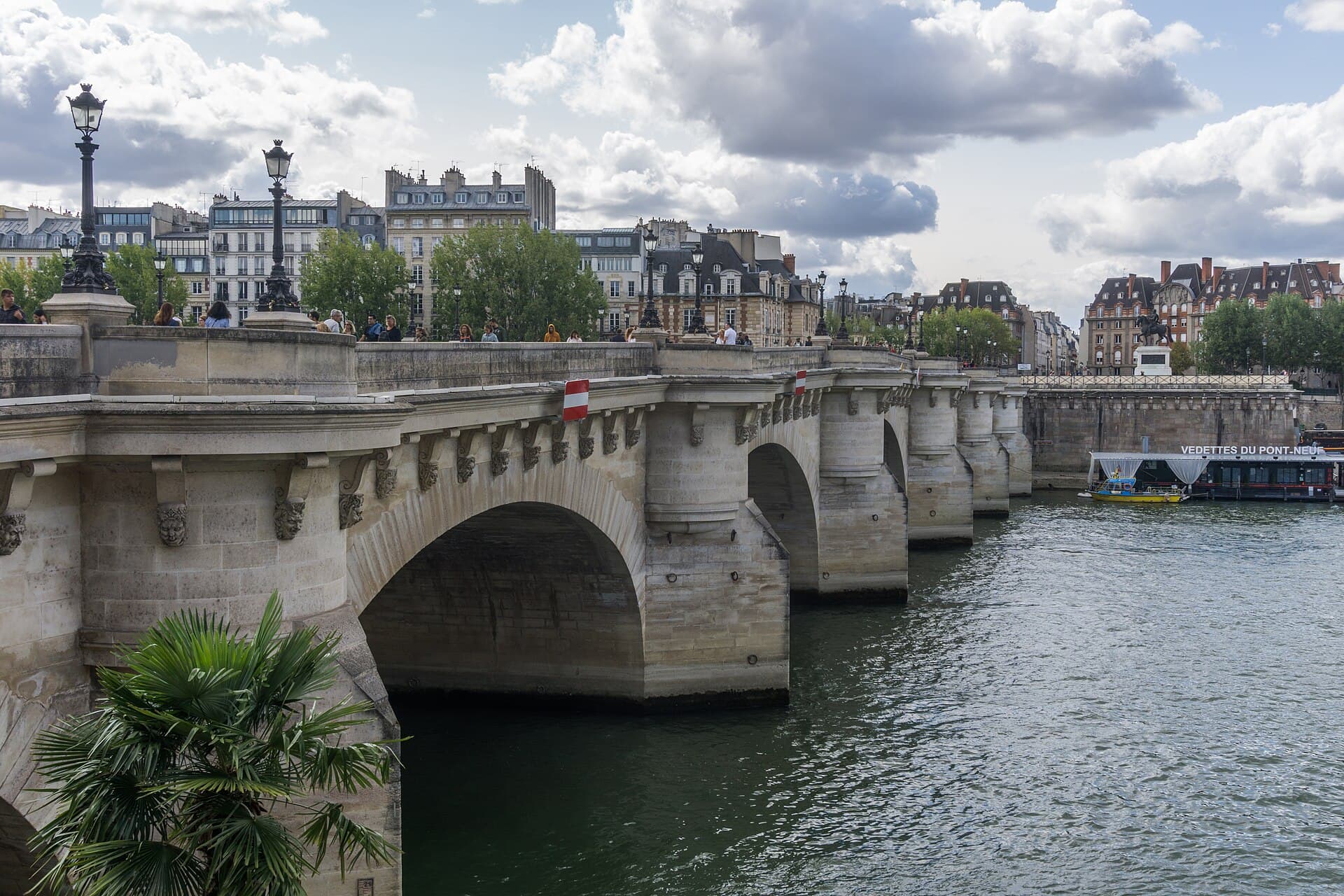 Pont NeufIts name means "New Bridge," and it is the oldest standing bridge in Paris — a f5 minutes walk4.7
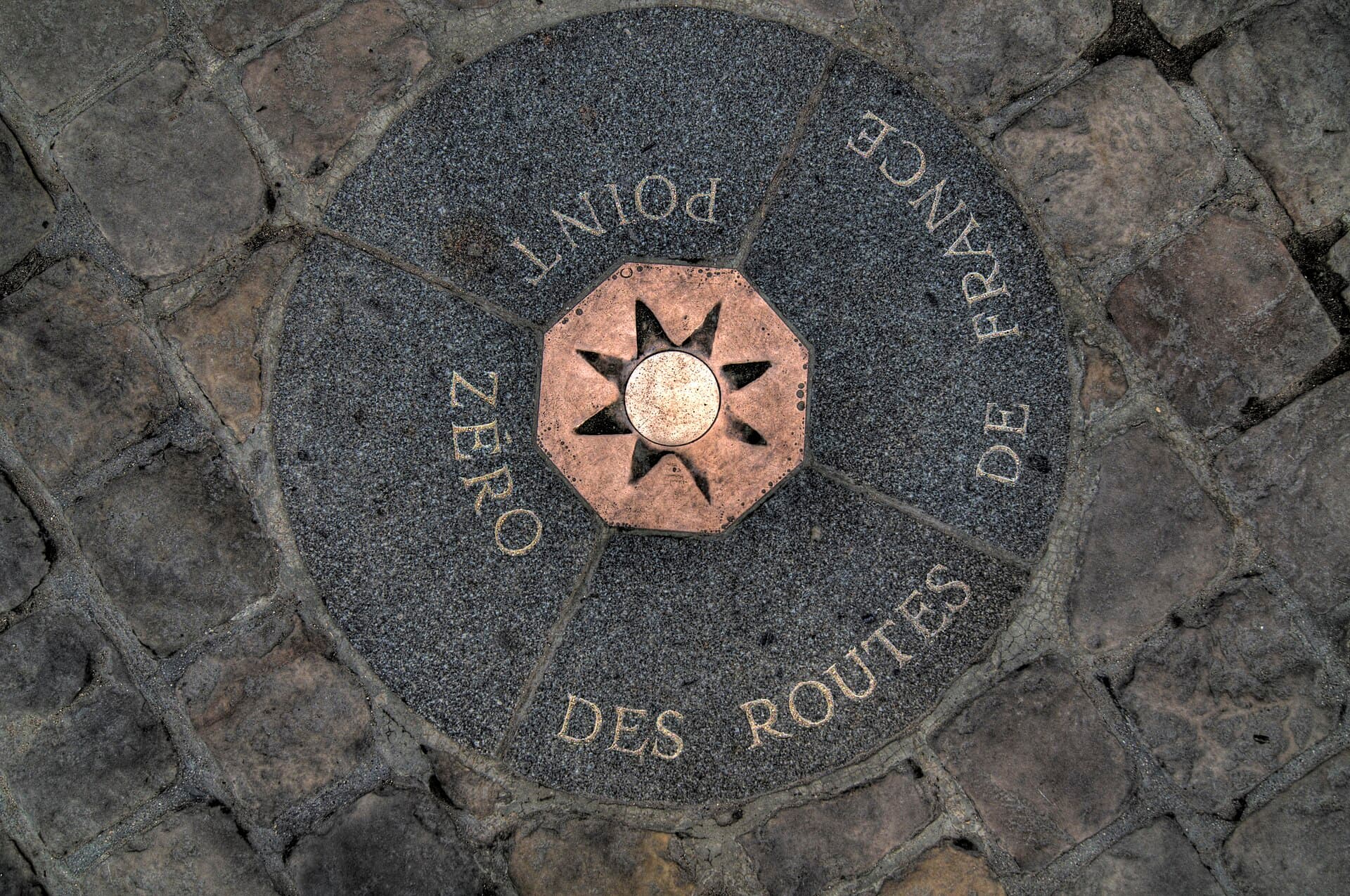 Point Zero of the French RoadsAn octagonal bronze plaque set into the paving of the square before Notre-Dame c5 minutes walk4.6
Looking for halal food near The Clock Tower of the Palais de la Cité? There are several options nearby, from Moroccan and Indian kitchens to quick casual spots and places with a view. Confirm the halal status and opening hours before you go — these can change.
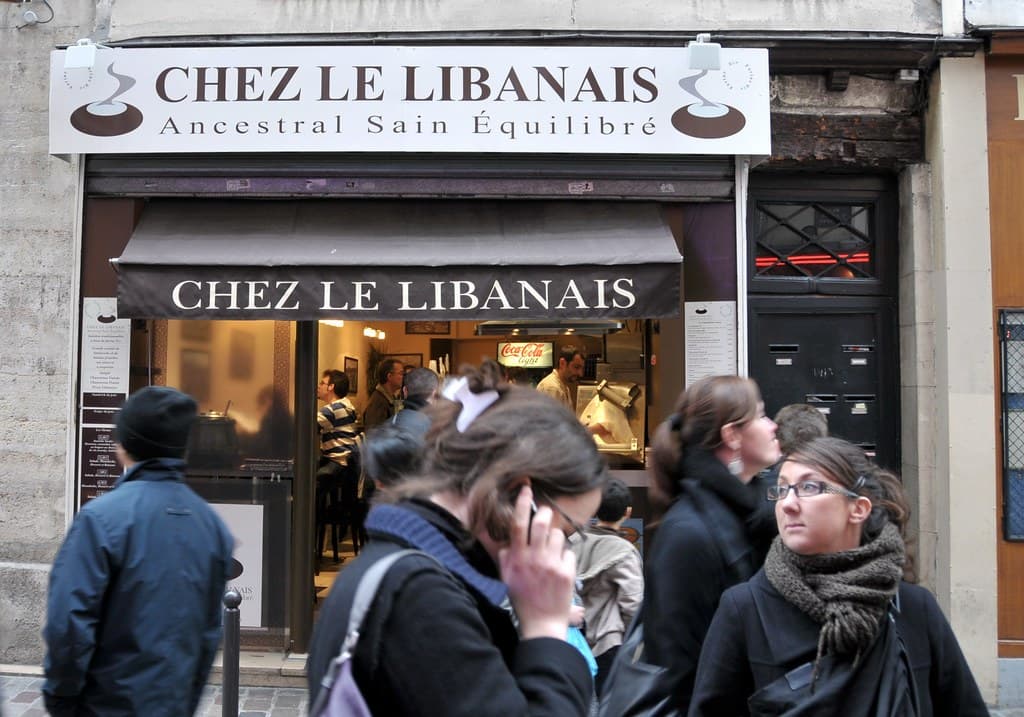 Chez le LibanaisHalalA small counter on Rue Saint-André des Arts, one of the busiest pedestrian stree6 minutes walk · $4.5Al DarHalalAl Dar is a Lebanese restaurant in the Latin Quarter, a few minutes on foot from8 minutes walk · $$4.1AssanabelHalalAssanabel is a small Lebanese restaurant on Rue Jacob, one of the prettiest and 12 minutes walk · $$4.9
The surviving part of the old palace of the kings of France on the Île de la Cité. After the court moved to the Louvre it became the seat of the courts and a prison. During the Revolution it became the antechamber of the guillotine: more than two thousand seven hundred people passed through it on their way to execution, among them Marie Antoinette, Charlotte Corday and Robespierre himself. The Gothic halls on the ground floor are among the finest surviving fourteenth-century civil architecture in Europe.
Notre-Dame — reopened in December 2024 after the restoration following the 2019 fire, with free entry but heavy crowding and booking advised. The Sainte-Chapelle with its thirteenth-century stained glass, among the most astonishing interiors in Europe. The Conciergerie. And the flower market. The island is small and walked end to end in an hour.