
The layers
A Roman temple, Celtic ramparts and monasteries on one hill.
Kuebi = Armin Kübelbeck — CC BY-SA 3.0 · Radosław Drożdżewski (Zwiadowca21) — CC BY-SA 3.0 · Moleskine — CC BY-SA 4.0 · Moleskine — CC BY-SA 4.0
The ruins of St Stephen's Monastery lie on the slope of the Heiligenberg north of the river, the remains of a small Benedictine house founded in the eleventh century as a dependency of the larger monastery at the mountain's summit. What survives today is low walls, foundations and collapsed arches among dense woodland. The mountain itself is the wider story: it was a sacred site for centuries before Christianity — carrying the traces of a Roman temple, Iron Age Celtic ramparts and two medieval monasteries, making it one of the most densely layered archaeological sites in south-west Germany. The name, the holy mountain, predates Christianity. Reaching it means walking a climbing forest path from the Philosophers' Walk or from the district below, about half an hour uphill. The ruins themselves are modest and will not impress anyone looking for a grand monument, but the combination of forest, silence and historical layering makes the climb worthwhile for anyone who likes walking. The site is free and always open.
A Roman temple, Celtic ramparts and monasteries on one hill.
Complete silence half an hour from the town.
Heiligenberg, 69120 Heidelberg
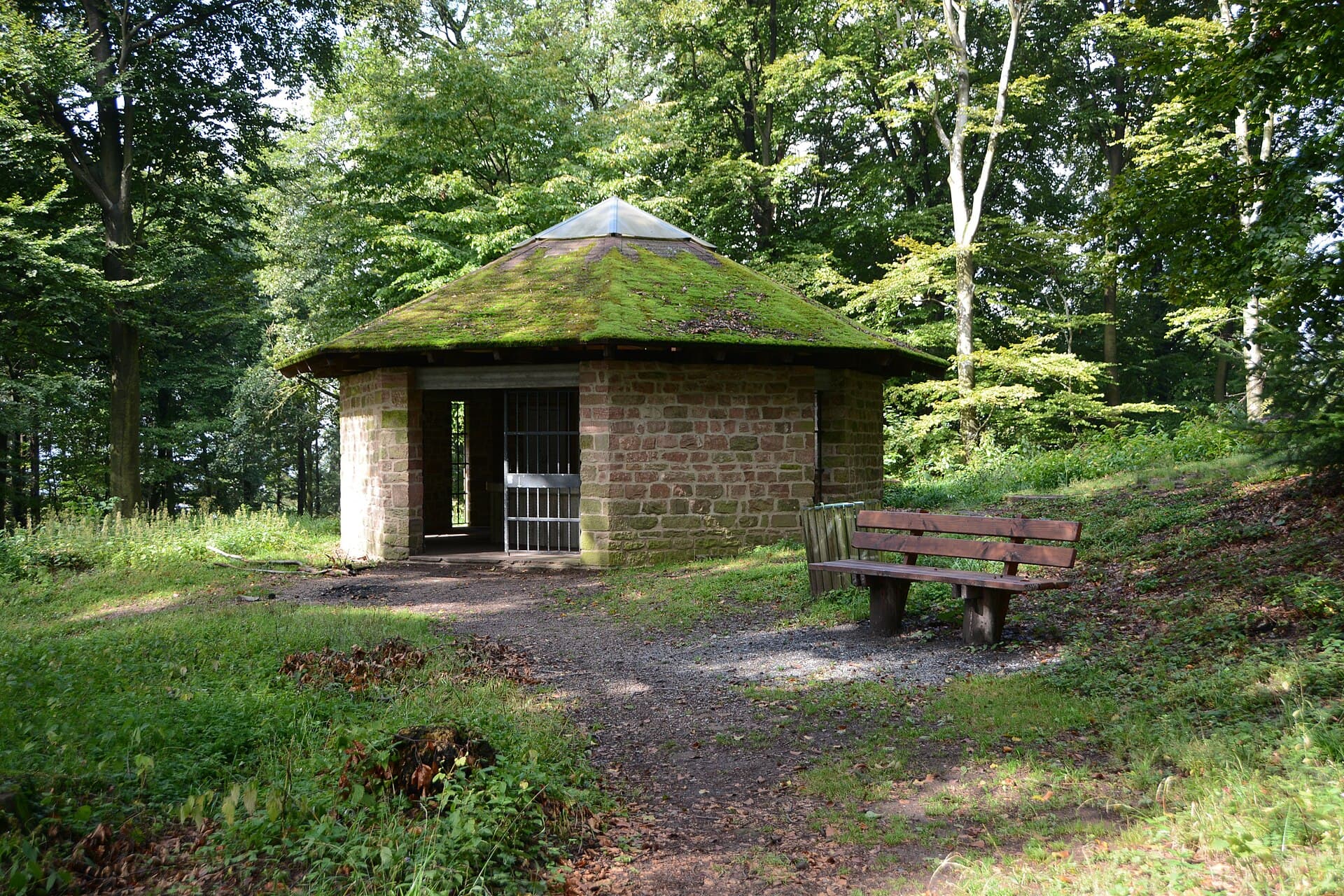 HeidenlochThe Heidenloch is a deep stone shaft on the Heiligenberg hill in the forest abov1 minute walk4.8
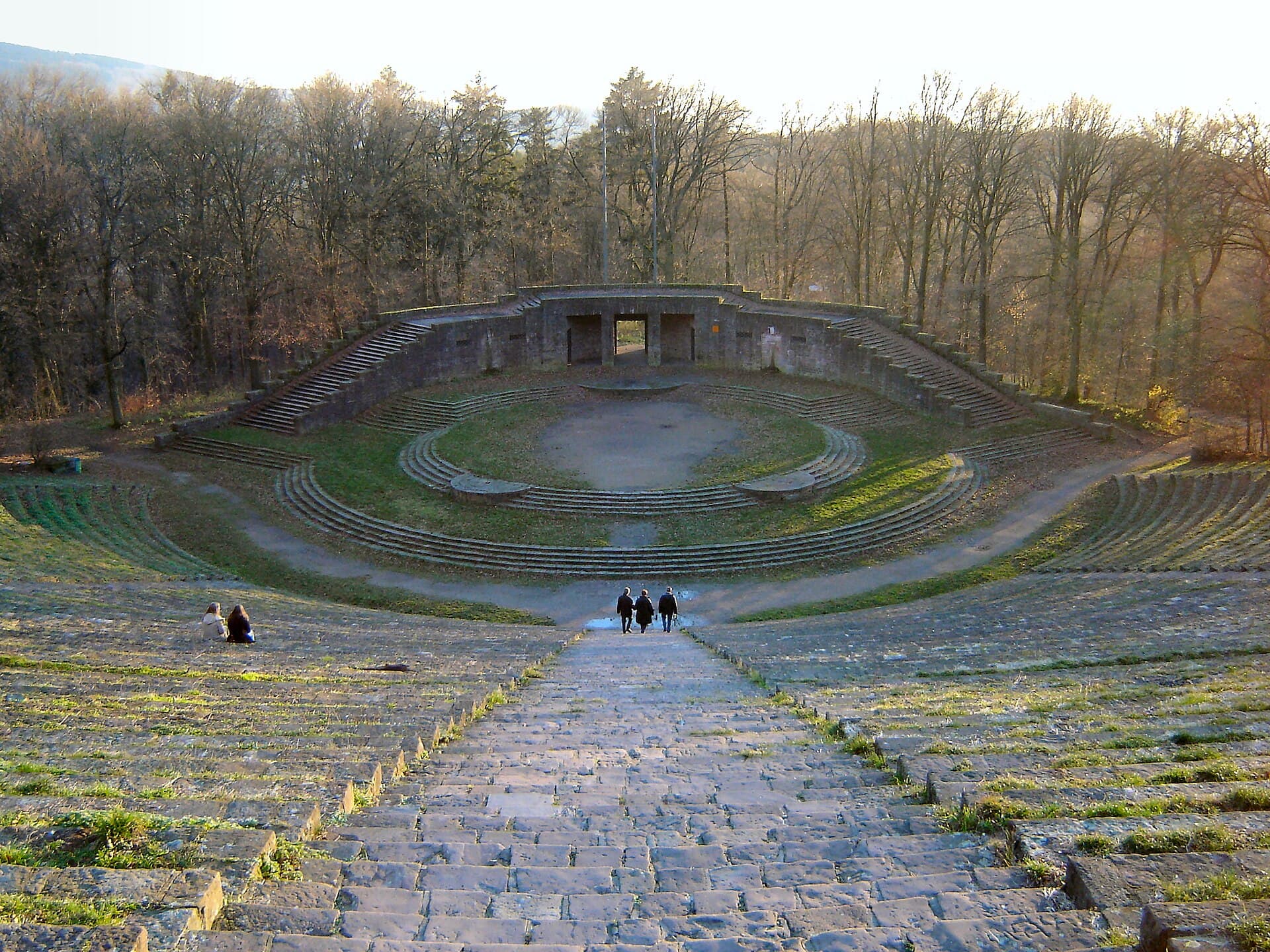 Thingstätte & the Holy MountainAbove the bank facing Heidelberg's castle rises the Heiligenberg — the "holy mou6 minutes walk4.8
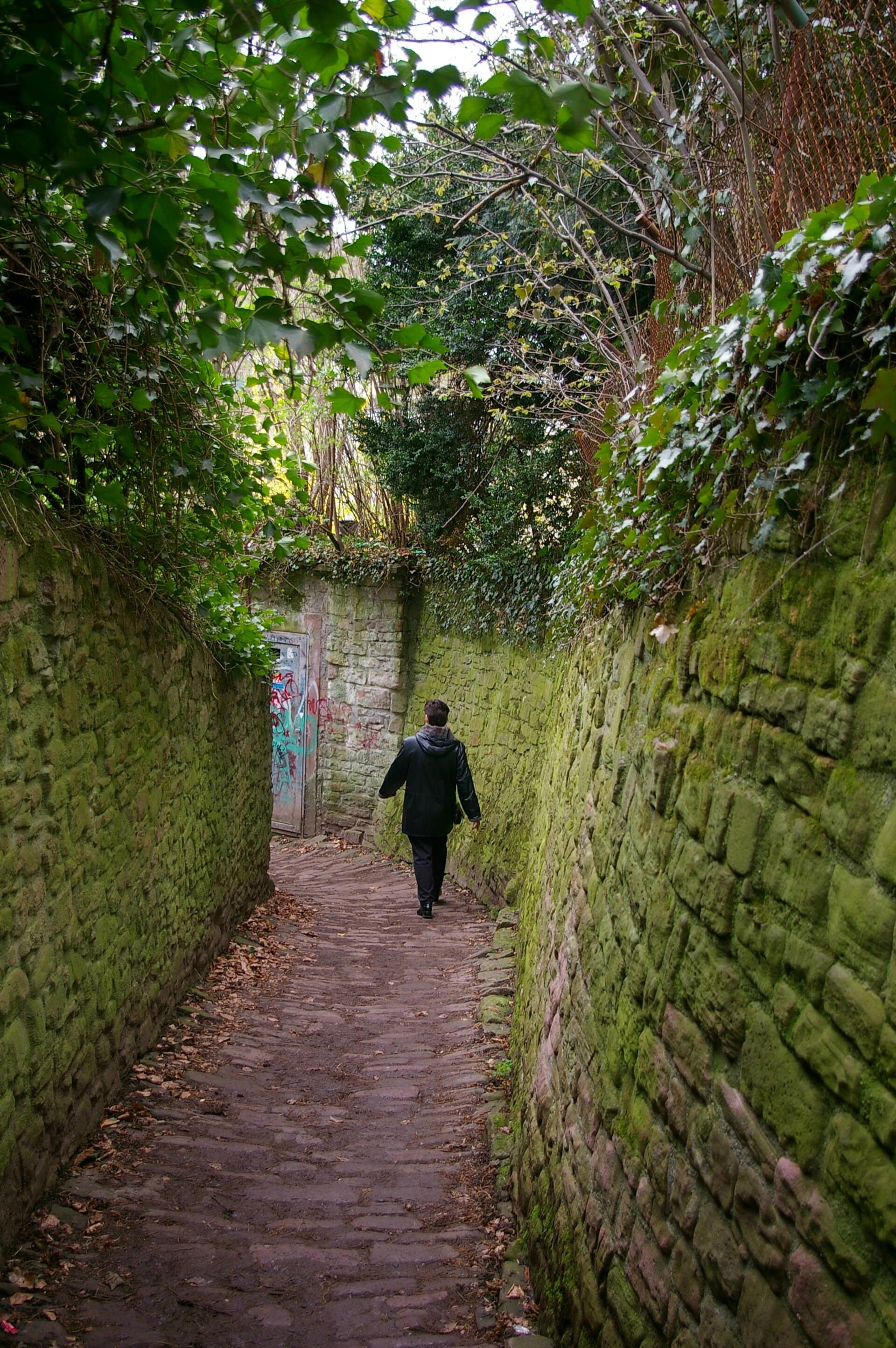 The SchlangenwegThe Schlangenweg, the snake path, is a narrow stone lane climbing the slope of t6 minutes walk4.9
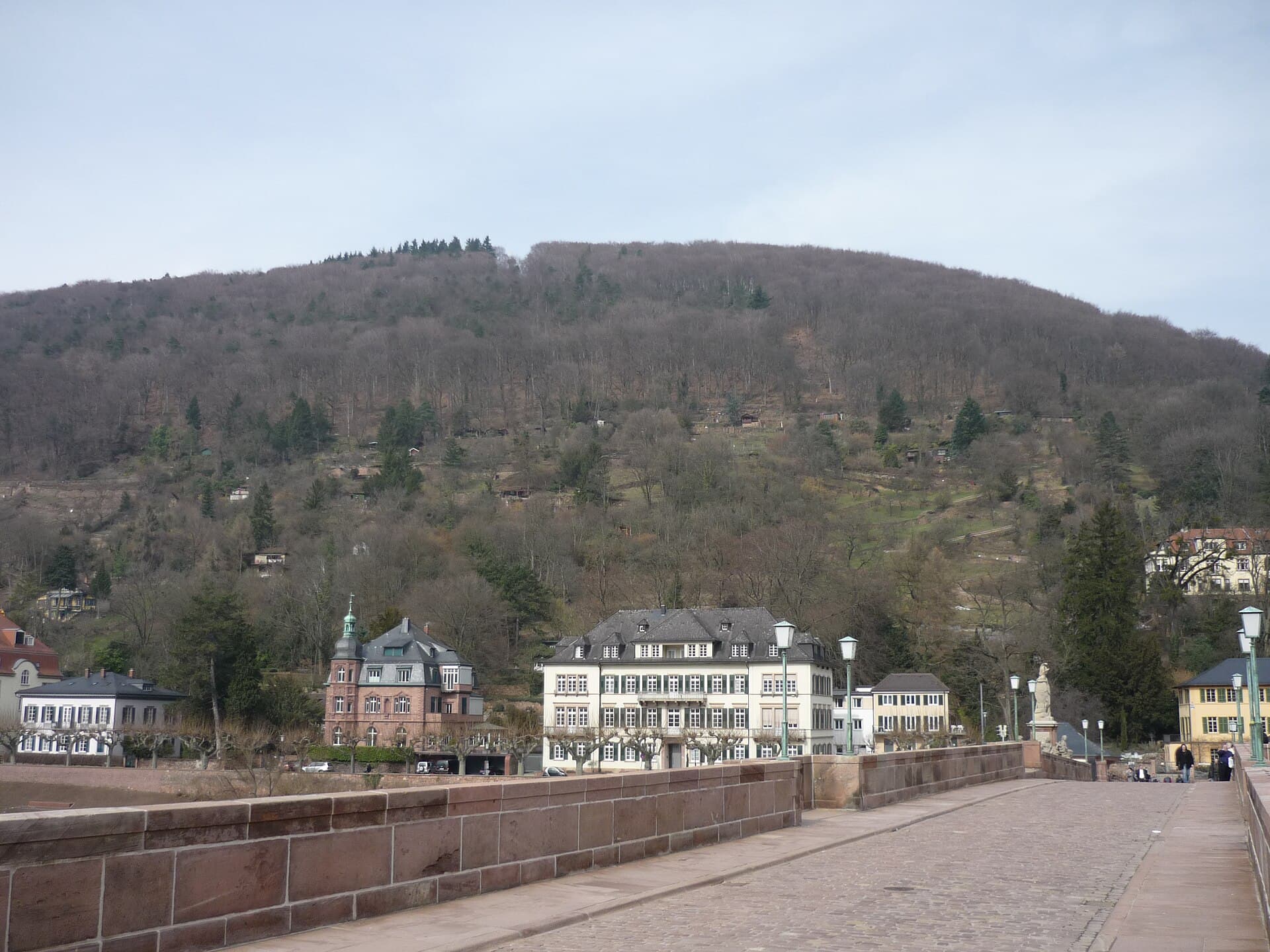 Philosophers' WayThe Philosophers' Way is a walking path on the hillside across the river from th7 minutes walk4.8
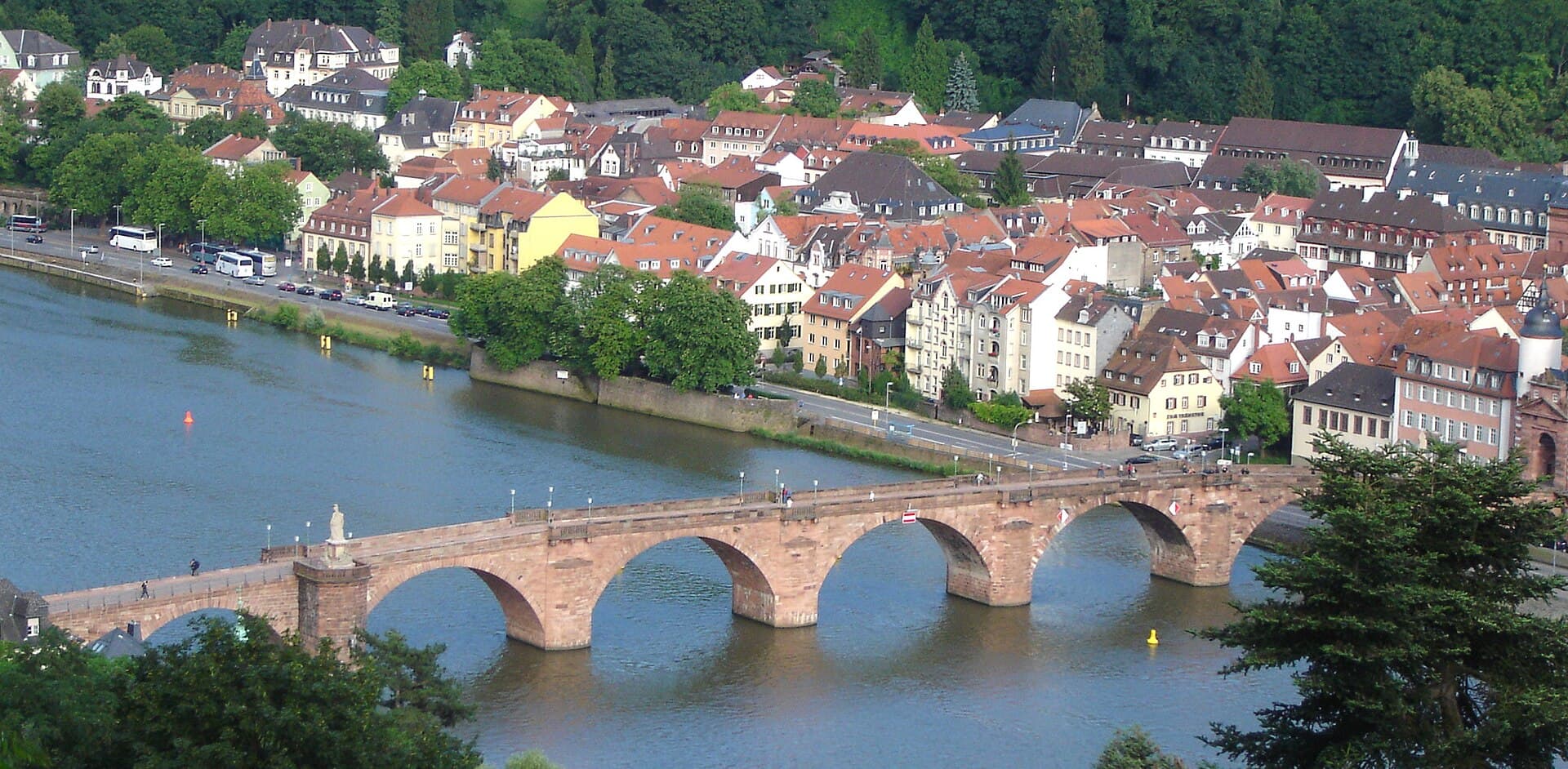 Old BridgeThe Old Bridge crosses the Neckar and links the old town with the far bank. Its 9 minutes walk4.9
This smaller house is on the slope and was a dependency, while St Michael's at the summit is larger, older and better preserved, built over the site of a Roman temple to Mercury. If you are going to climb, make the summit your goal and treat the St Stephen ruins as a stop along the way — the difference in effort is another half hour.