
The surreal amphitheatre
Eight thousand stone seats in forest — heavy history turned hikers' ground.
BishkekRocks — CC BY-SA 3.0 · Radosław Drożdżewski (Zwiadowca21) — CC BY-SA 3.0 · Radosław Drożdżewski (Zwiadowca21) — CC BY-SA 3.0 · Christian Maurer — CC BY-SA 3.0
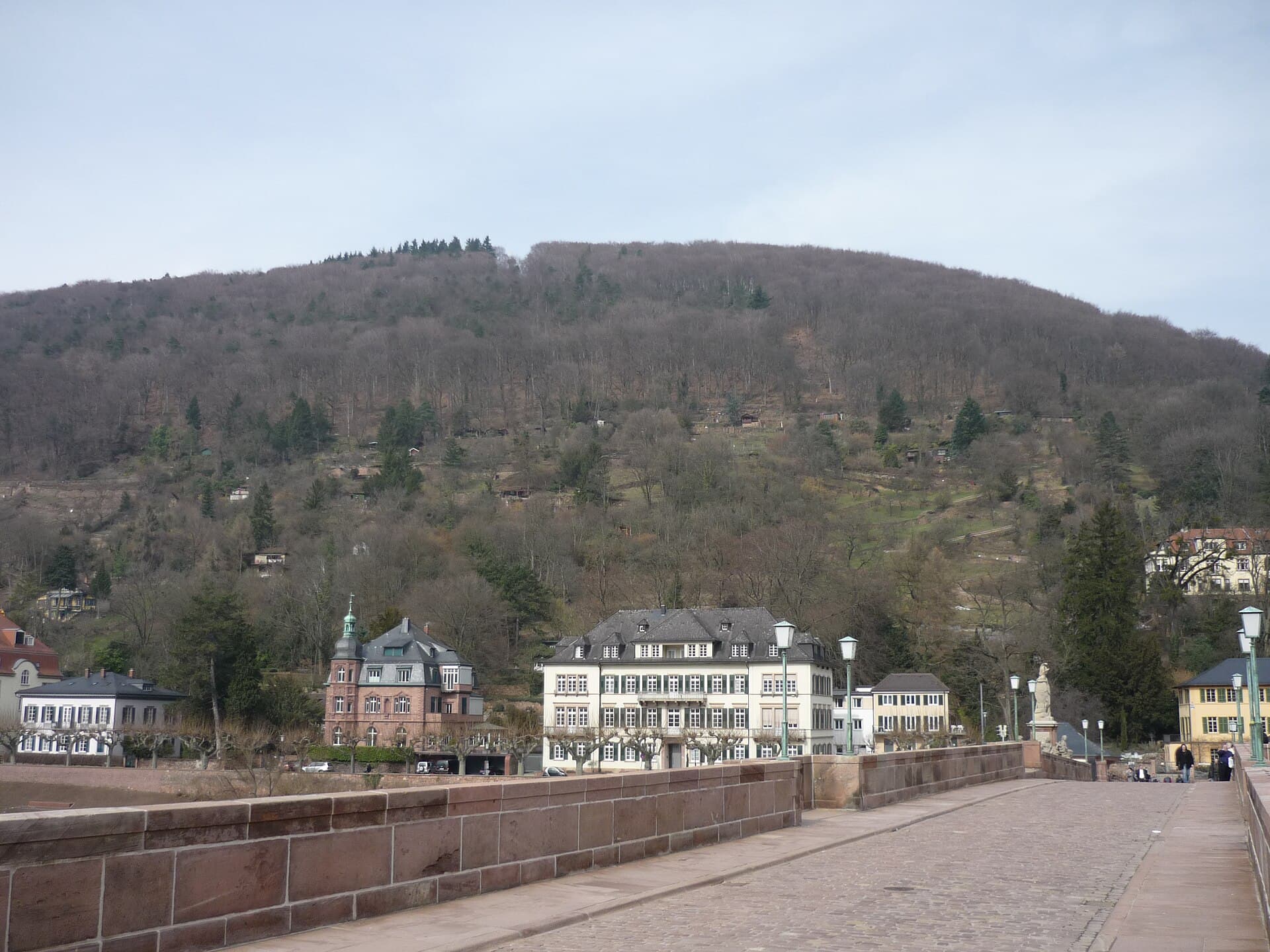
Above the bank facing Heidelberg's castle rises the Heiligenberg — the "holy mountain" — its summit layered with two thousand years: a vanished Roman temple, two medieval monasteries surviving as lovely wooded ruins, and strangest of all, a huge stone amphitheatre built by the Nazi regime in 1935 for open-air propaganda rites and abandoned within a few years. The Thingstätte seats eight thousand, and its grey tiers climbing through the forest are a surreal sight that today draws hikers rather than processions: a place of heavy history turned walkers' lookout and stage of views. The ascent is the journey: along the famous Philosophers' Way with its castle panoramas, then a rising forest path to ruins and amphitheatre. A genuine half-day walk in proper shoes — rewarded by the fact that most tourists never make it up.
Eight thousand stone seats in forest — heavy history turned hikers' ground.
Two medieval monasteries in the trees with a lookout tower — the summit's finest.
Heidelberg's famous walk with the castle panorama — the climb's beginning.
An ancient well by the monastery from the site's oldest layers.
Heiligenberg, 69121 Heidelberg
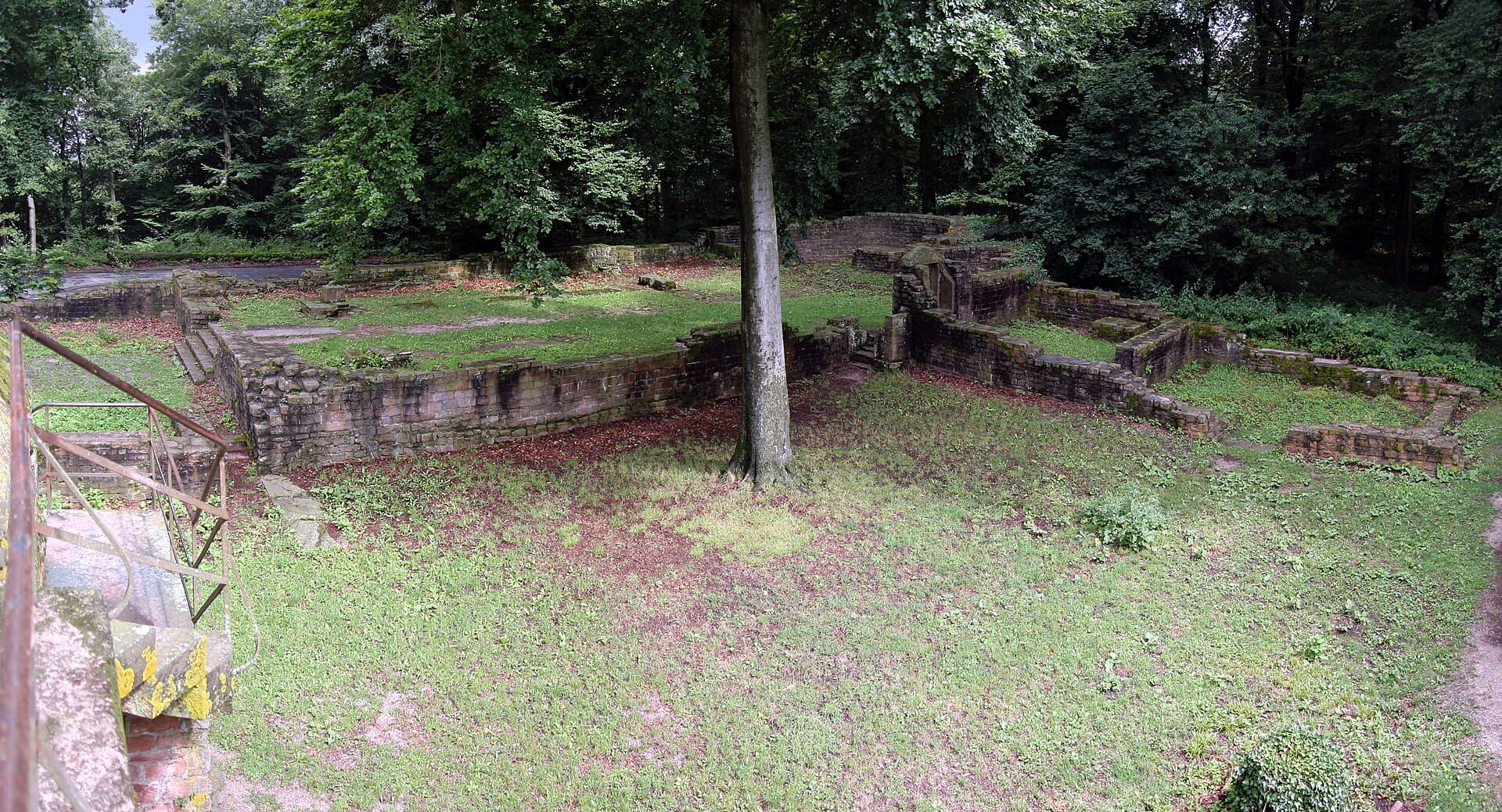 St Stephen's Monastery RuinsThe ruins of St Stephen's Monastery lie on the slope of the Heiligenberg north o6 minutes walk4.6
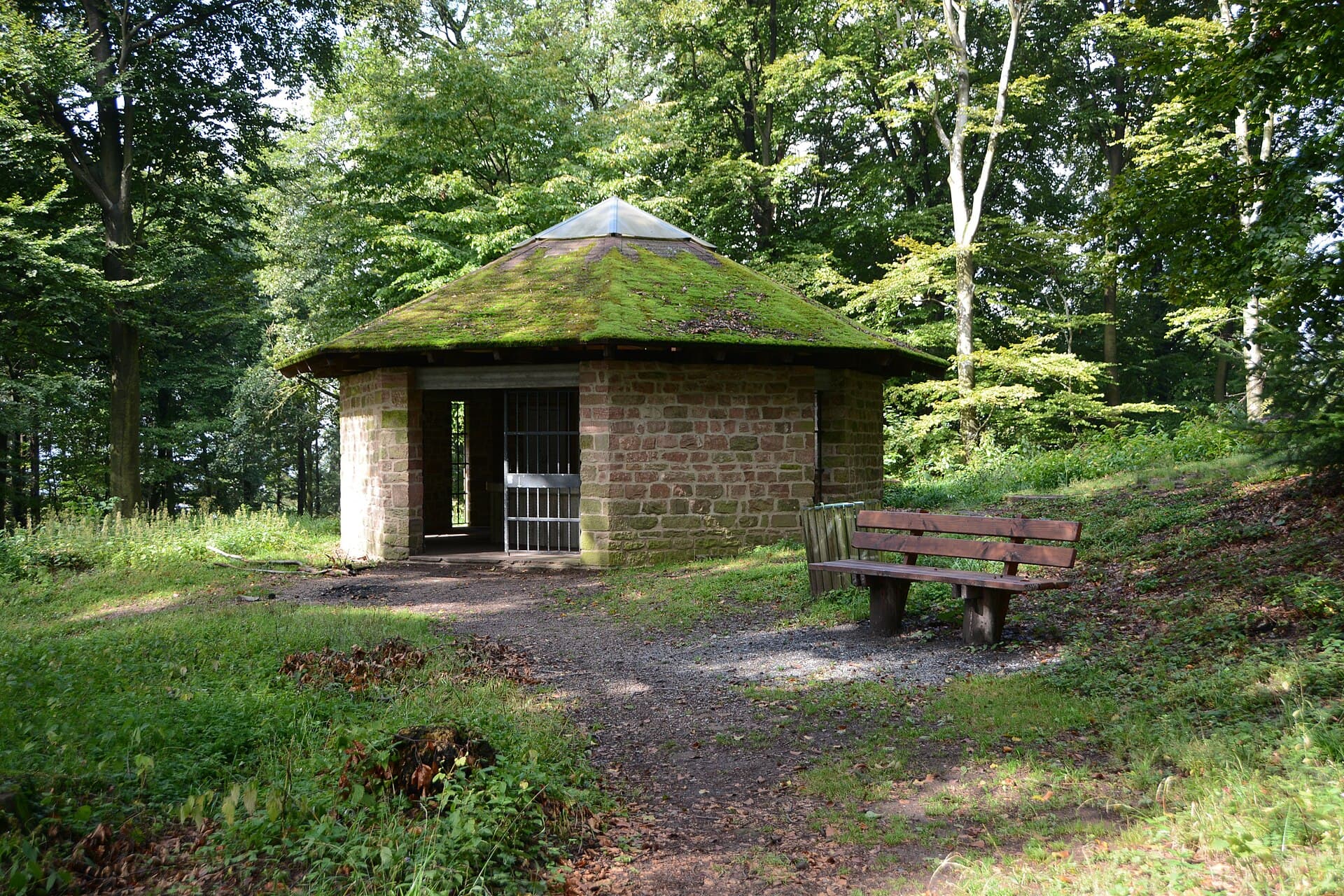 HeidenlochThe Heidenloch is a deep stone shaft on the Heiligenberg hill in the forest abov6 minutes walk4.8
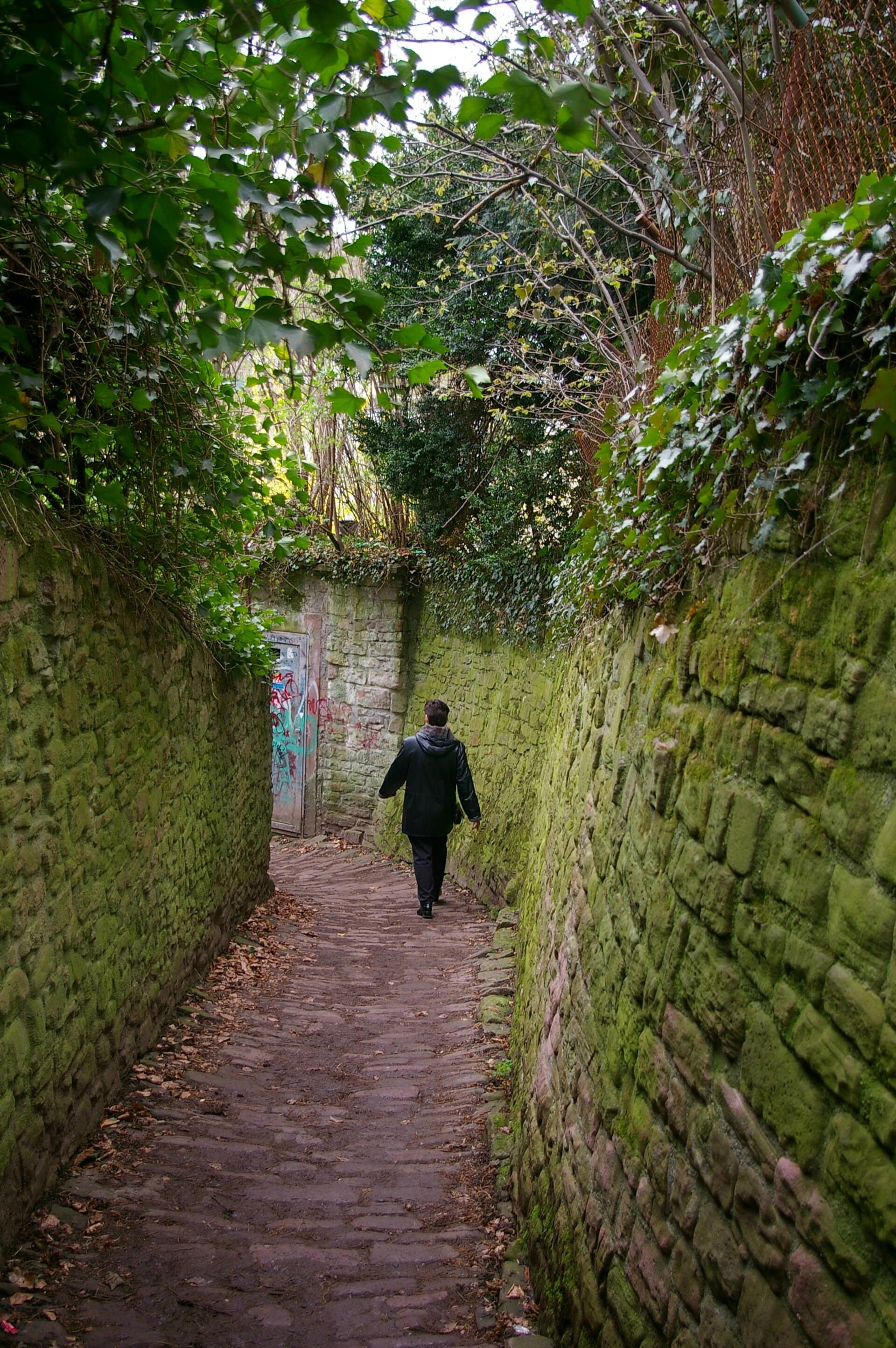 The SchlangenwegThe Schlangenweg, the snake path, is a narrow stone lane climbing the slope of t10 minutes walk4.9
 Philosophers' WayThe Philosophers' Way is a walking path on the hillside across the river from th13 minutes walk4.8
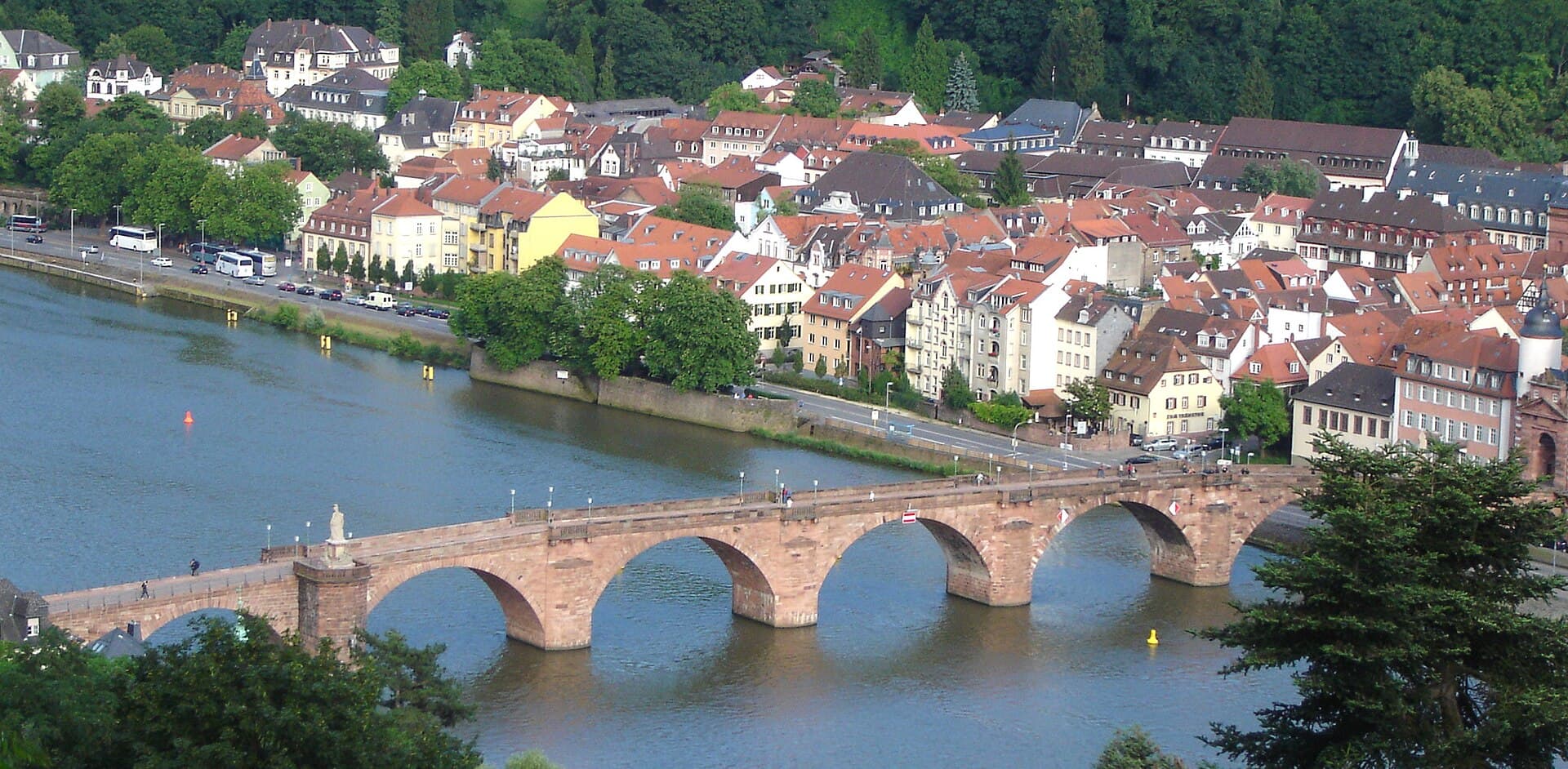 Old BridgeThe Old Bridge crosses the Neckar and links the old town with the far bank. Its 13 minutes walk4.9
Part of the 1930s propaganda 'Thing theatre' project, built for mass open-air rites, the mountain chosen deliberately for its ancient symbolism. The whole scheme failed and was soon abandoned, leaving the tiers as a witness to how the regime bent symbols — today a walking spot the city has consciously, carefully made peace with.
The classic: cross the Old Bridge, take the steep Snake Path up to the Philosophers' Way (the famous view), then continue through forest to amphitheatre and monasteries — an hour to seventy-five minutes up. Down is quicker, or a rare seasonal bus. Reversed it is kinder to knees and poorer in drama.
Walking children from about eight genuinely enjoy it — tiers to climb, ruins to explore. Younger ones tire on the distance and gradient; the Philosophers' Way alone is an excellent half-effort alternative.