
The Latern
Original issues of his satirical paper.
Thomas Liptak — CC BY-SA 4.0 · Thomas Liptak — CC BY-SA 4.0 · Dontworry — CC BY-SA 3.0
The Stoltze Museum is devoted to Friedrich Stoltze (1816-1891), the poet and journalist who wrote in the Frankfurt dialect and became the city's popular voice in the nineteenth century. His name means nothing outside Germany, but in Frankfurt he is a founding figure. His significance is as political as it is literary: he founded a satirical paper called the Frankfurter Latern that attacked the authorities sharply, was repeatedly prosecuted, and had to flee to Switzerland after the failed revolution of 1848. He wrote in dialect deliberately rather than in standard German, which was a political choice: addressing ordinary people in their own language rather than the elite. The museum is very small — two rooms — holding his manuscripts, issues of his paper, his tools and personal effects, and it is run by a civic association. Entry is usually free. This is a destination for anyone interested in local history or dialect literature, and it will mean little to a passing visitor who does not read German.
Original issues of his satirical paper.
Poems in his hand, in the local dialect.
Stoltzestrasse, 60311 Frankfurt
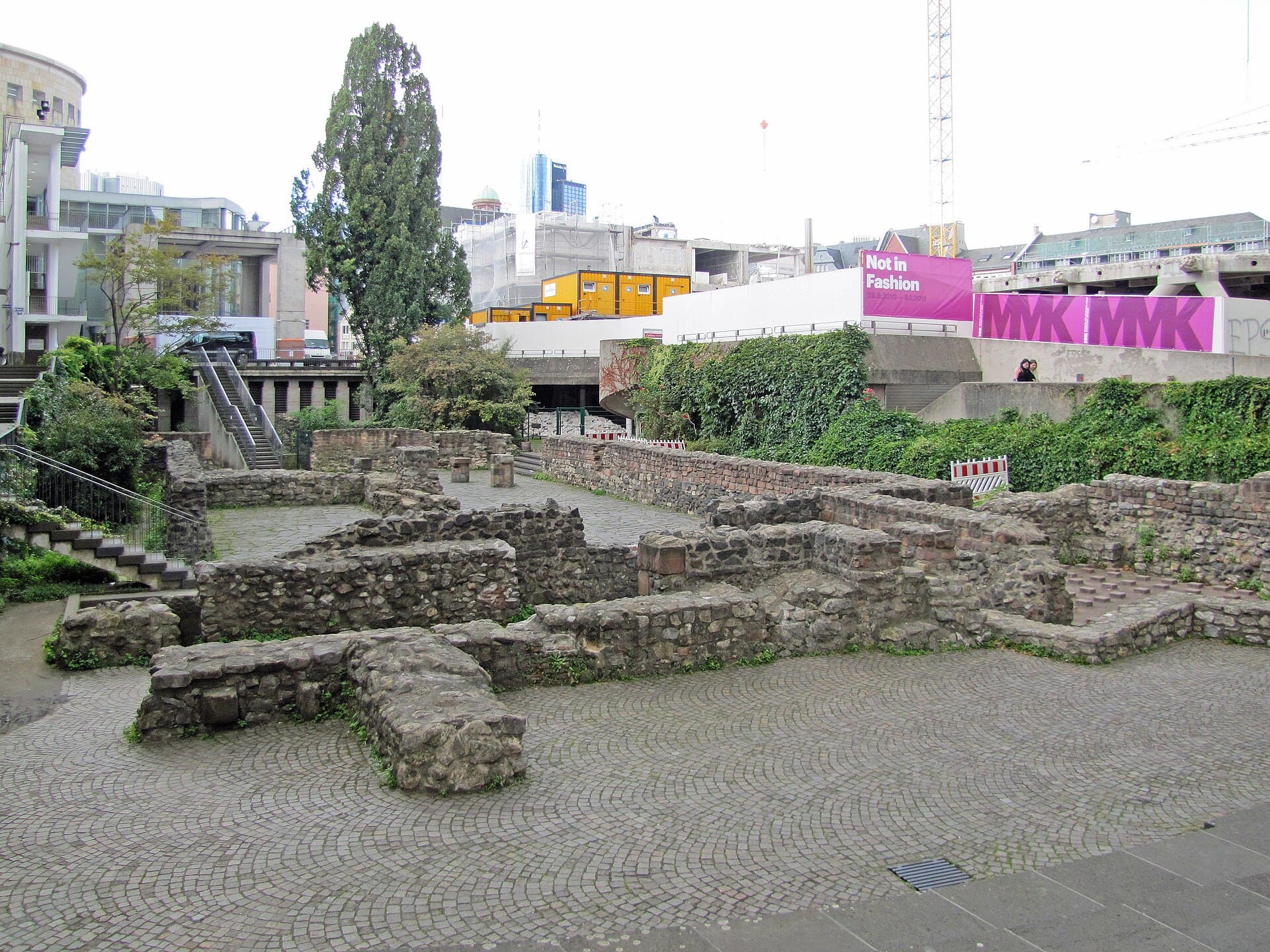 Kaiserpfalz FranconofurdThe Kaiserpfalz is an open archaeological site between the cathedral and the new1 minute walk4.5
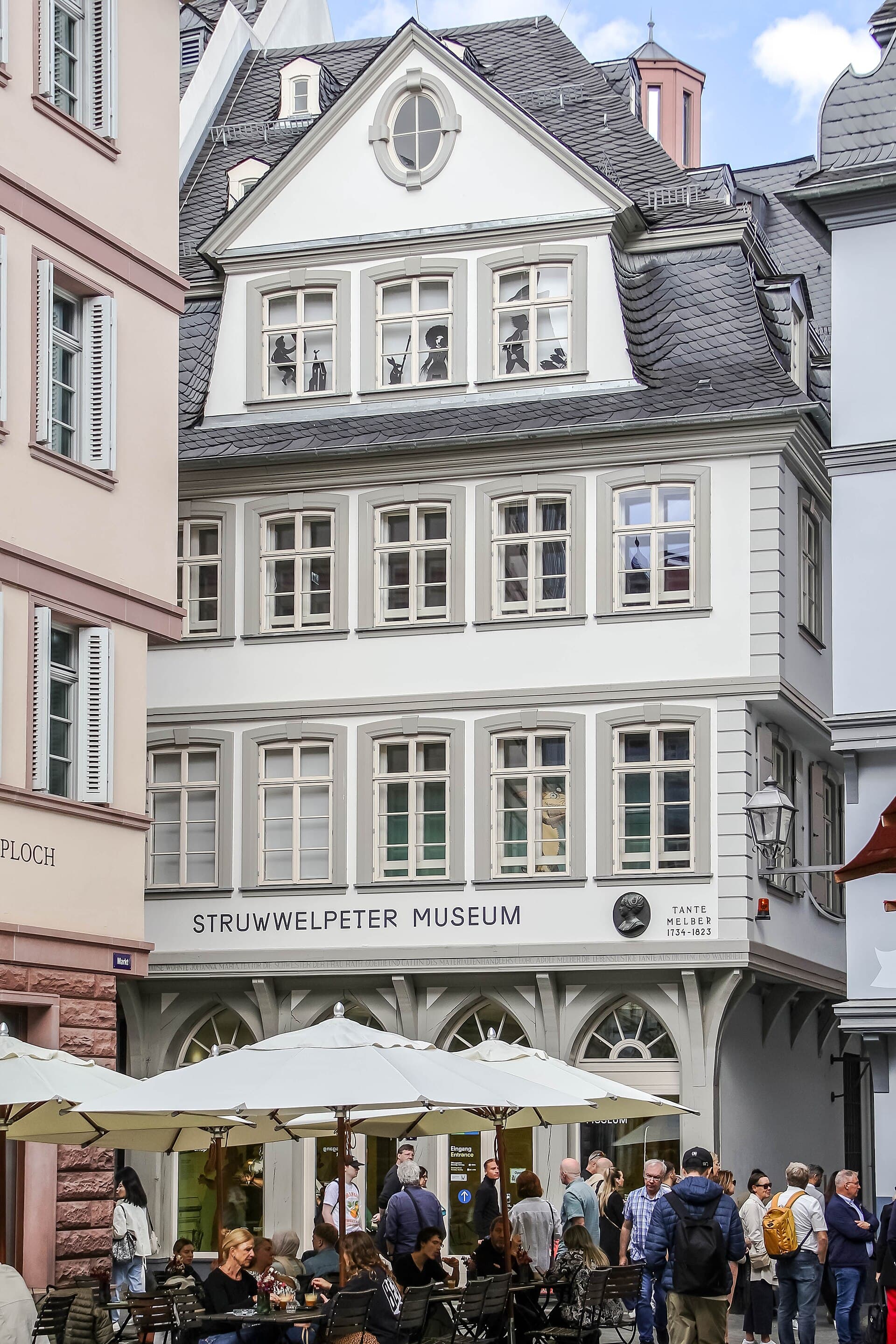 Struwwelpeter MuseumThe Struwwelpeter Museum is devoted to the most famous German children's book of1 minute walk4.6
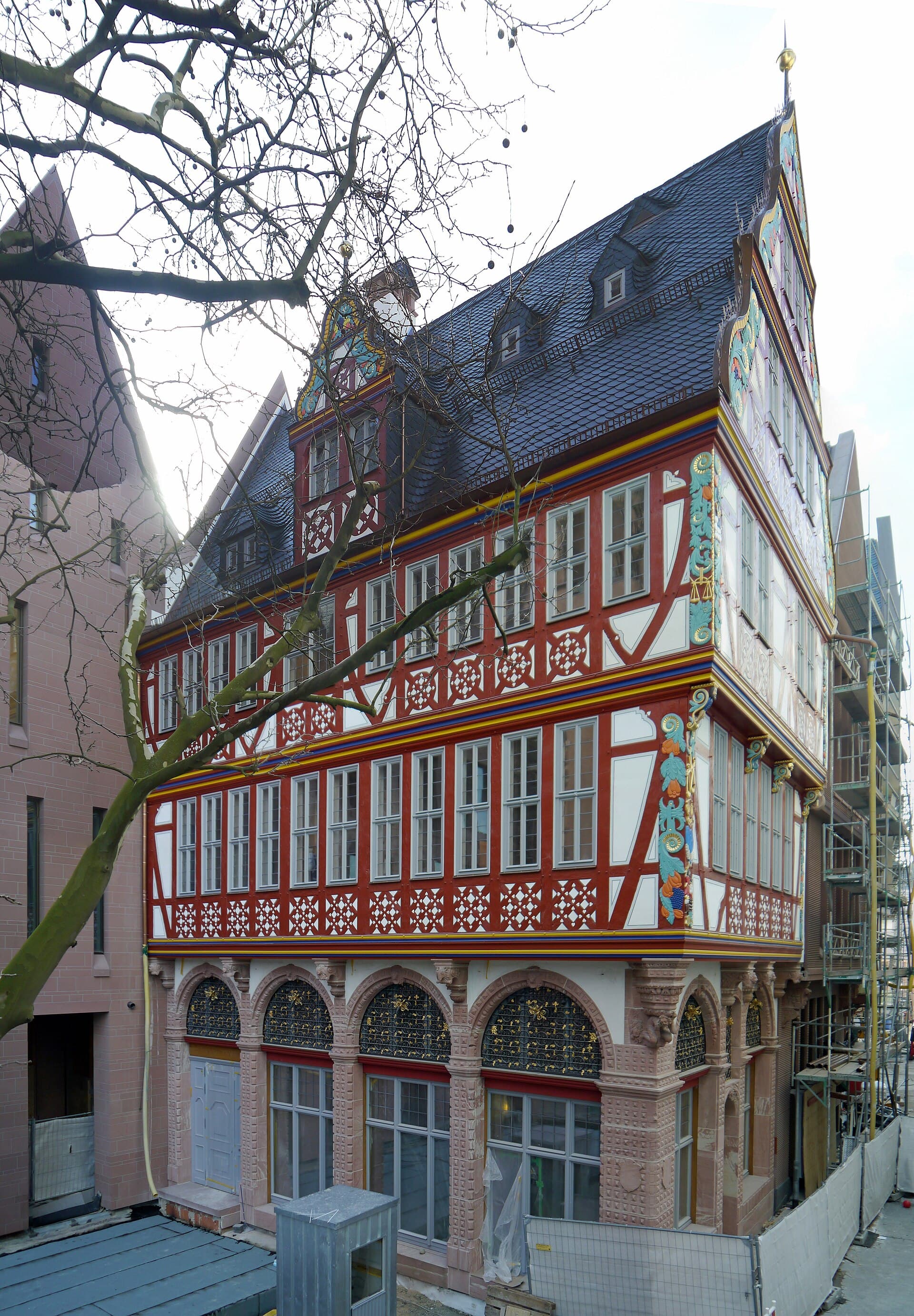 New Old TownThe New Old Town is a small quarter in the middle of Frankfurt that opened in 201 minute walk4.7
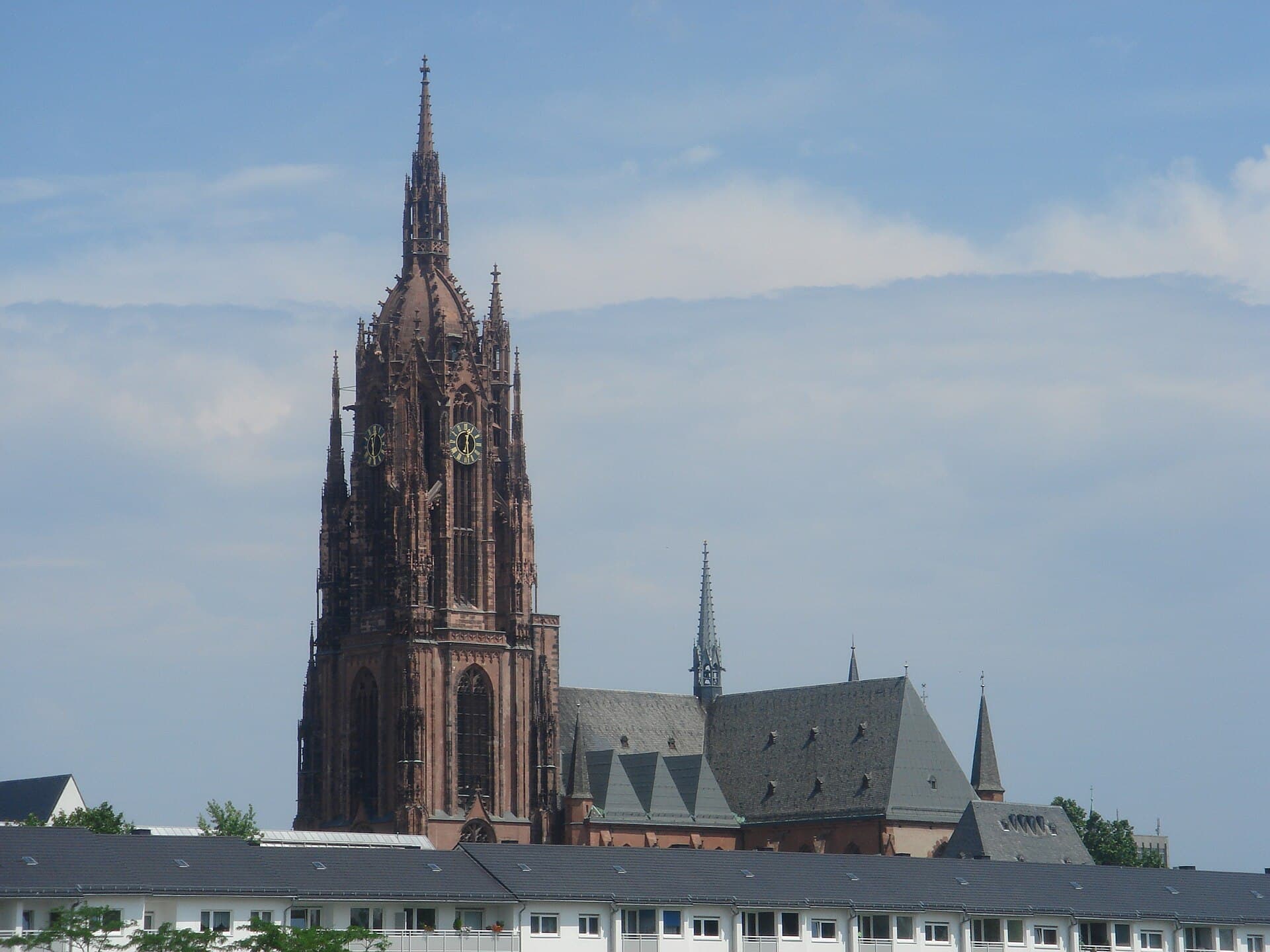 Frankfurt CathedralFrankfurt Cathedral is a red Gothic church in the middle of the old town, its ta1 minute walk4.5
 Schirn Kunsthalle FrankfurtThe Schirn is not a museum in the ordinary sense, because it owns no permanent c1 minute walk4.3
Because standard German in the nineteenth century was the language of administration and the educated elite, while most people spoke their local dialect. Writing in dialect meant addressing the worker and craftsman directly in their own speech, which carried political criticism to a far wider audience — and made it harder for the authorities to dismiss. That is why censors pursued Stoltze even though what he wrote looked like light popular verse.