
The first editions
Nineteenth-century printings and Hoffmann's own original drawings.
Dr. Thomas Liptak — CC BY-SA 4.0 · Dr. Thomas Liptak — CC BY-SA 4.0 · Dr. Thomas Liptak — CC BY-SA 4.0 · Dr. Thomas Liptak — CC BY-SA 4.0
The Struwwelpeter Museum is devoted to the most famous German children's book of all. The Frankfurt doctor Heinrich Hoffmann wrote it in 1845 for his son: a set of illustrated rhymes about children who will not listen and the consequences that follow. It has been translated into dozens of languages and is still in print. The museum shows early editions, original drawings and translations from around the world, and explains the life of Hoffmann, who was also a pioneering psychiatrist. The stories are plainly harsh by today's standards, and the museum does not hide that but discusses it and explains the historical context.
Nineteenth-century printings and Hoffmann's own original drawings.
The book in dozens of languages from around the world — comparing them is enjoyable.
The life of the doctor who wrote it, and who was also a pioneer of psychiatry in his day.
Hinter dem Lämmchen 2-4, 60311 Frankfurt
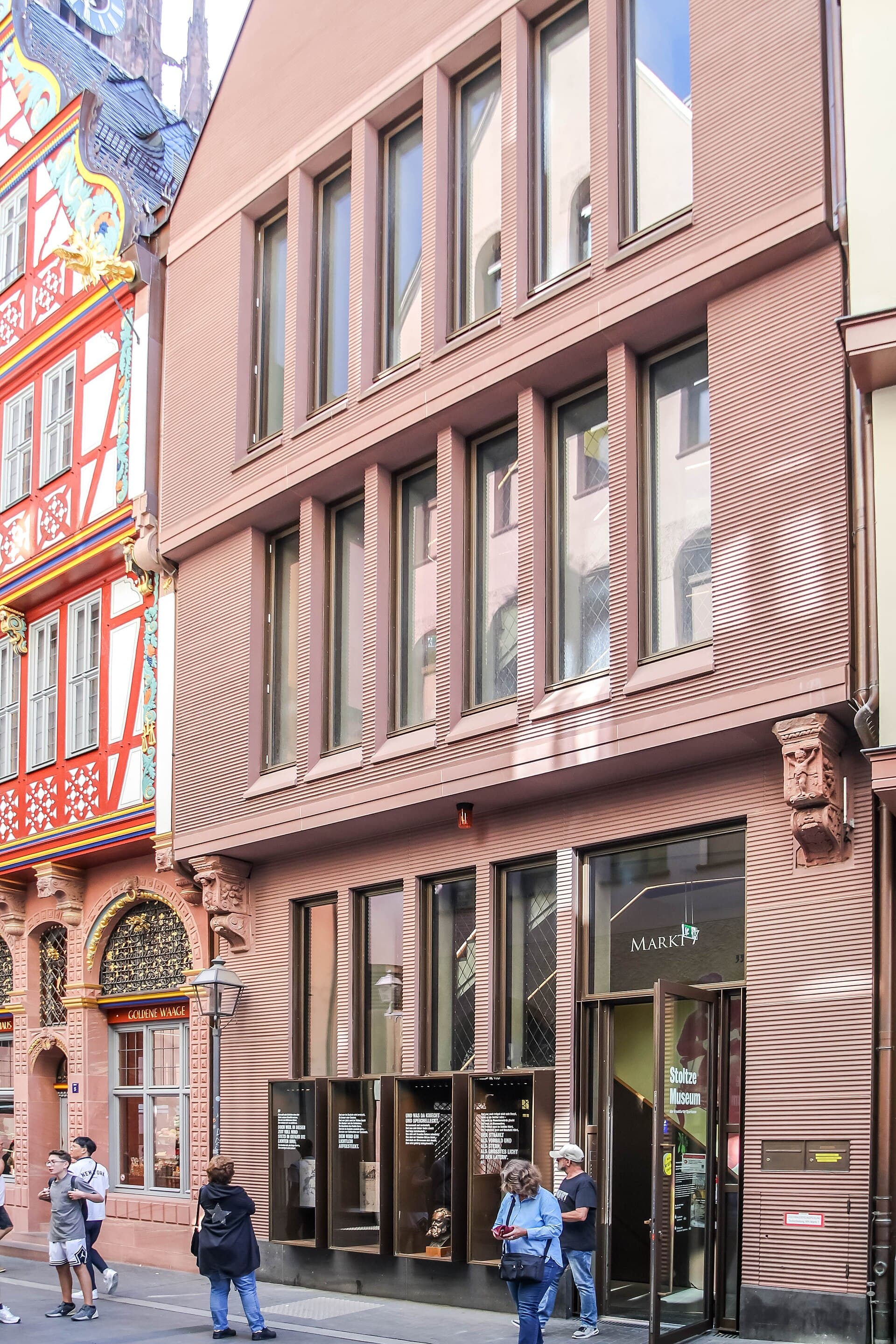 The Stoltze MuseumThe Stoltze Museum is devoted to Friedrich Stoltze (1816-1891), the poet and jou1 minute walk4.4
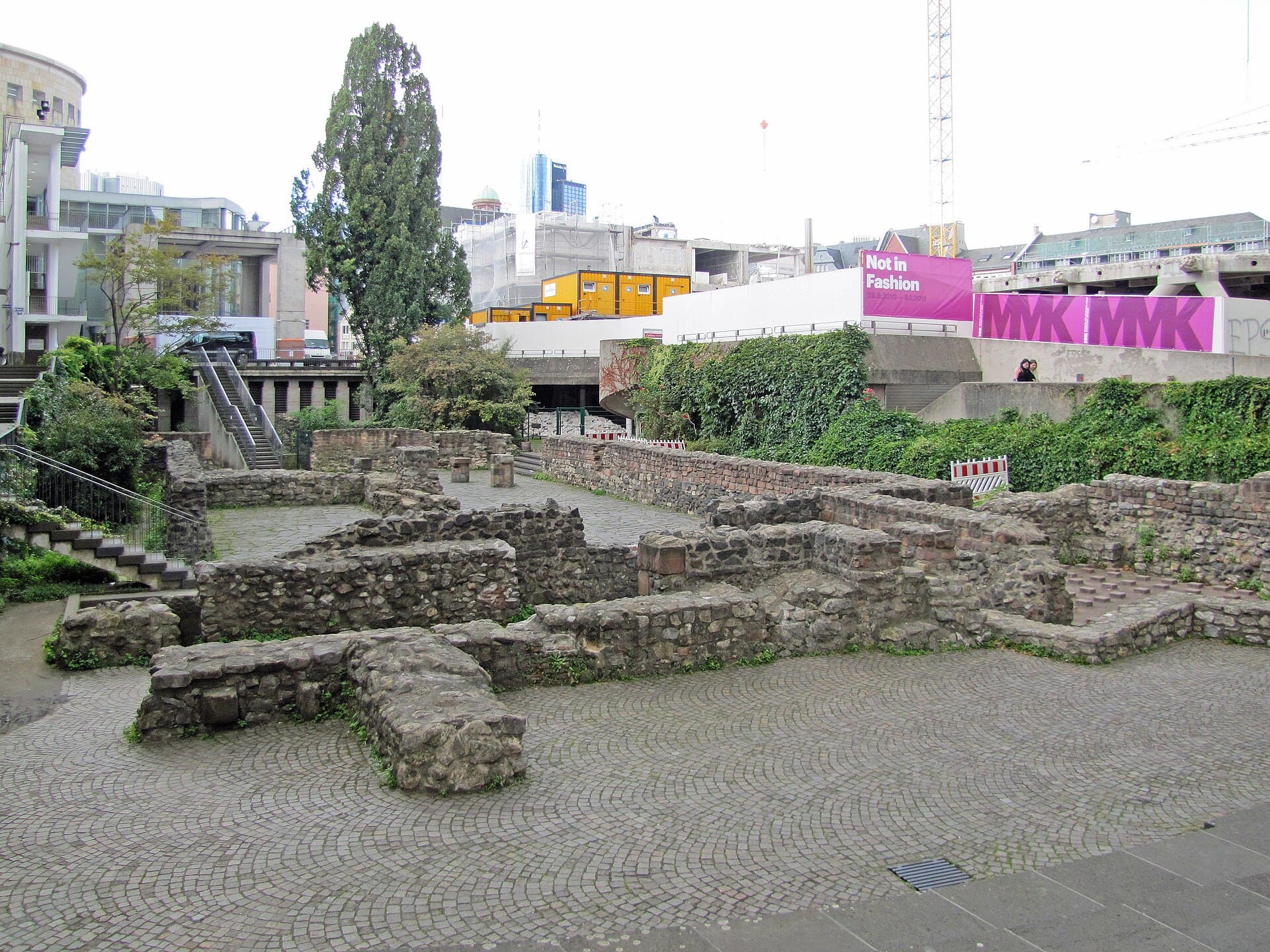 Kaiserpfalz FranconofurdThe Kaiserpfalz is an open archaeological site between the cathedral and the new1 minute walk4.5
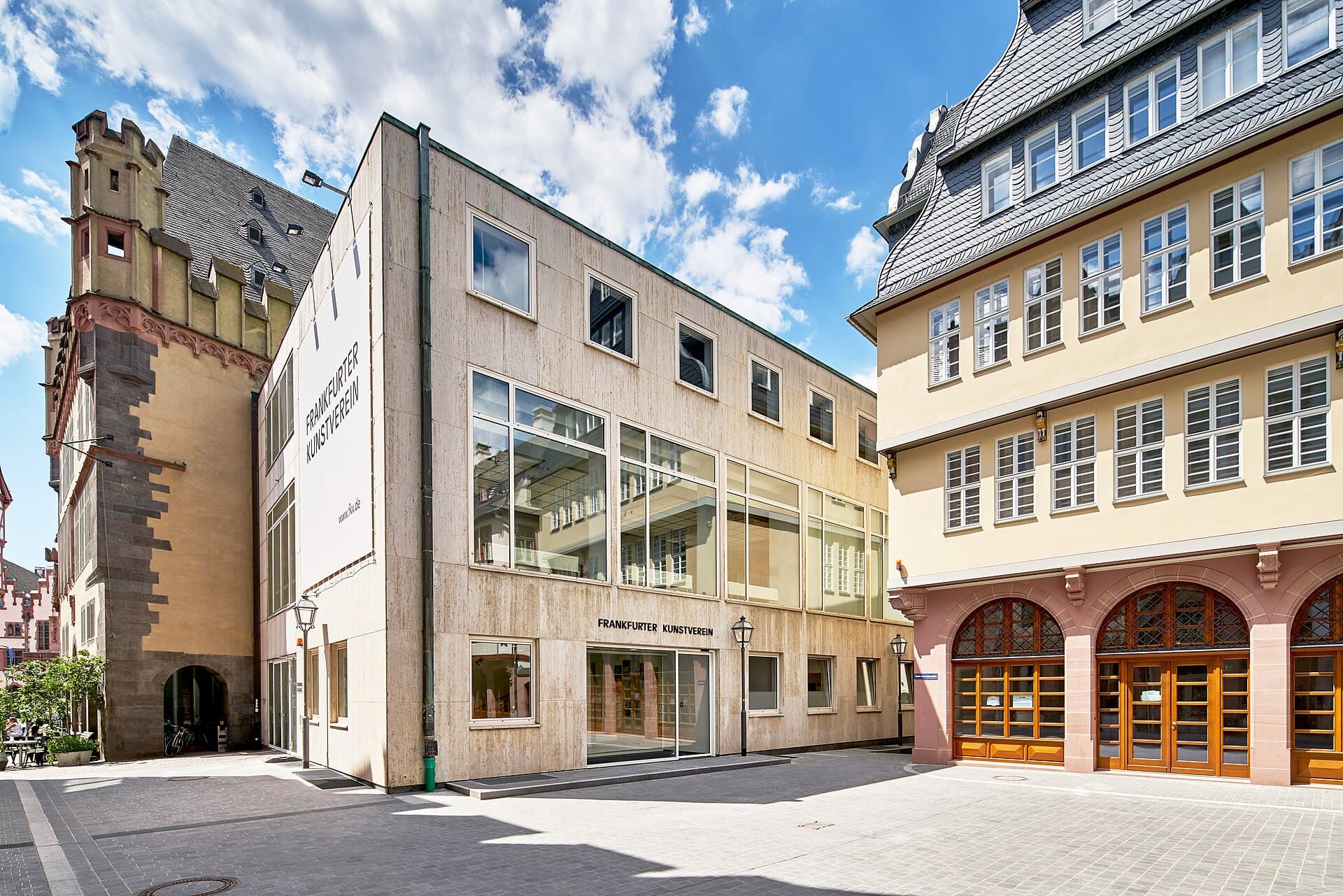 Frankfurter KunstvereinThe Frankfurter Kunstverein is a contemporary art institution in the Steinernes 1 minute walk4.4
 Schirn Kunsthalle FrankfurtThe Schirn is not a museum in the ordinary sense, because it owns no permanent c1 minute walk4.3
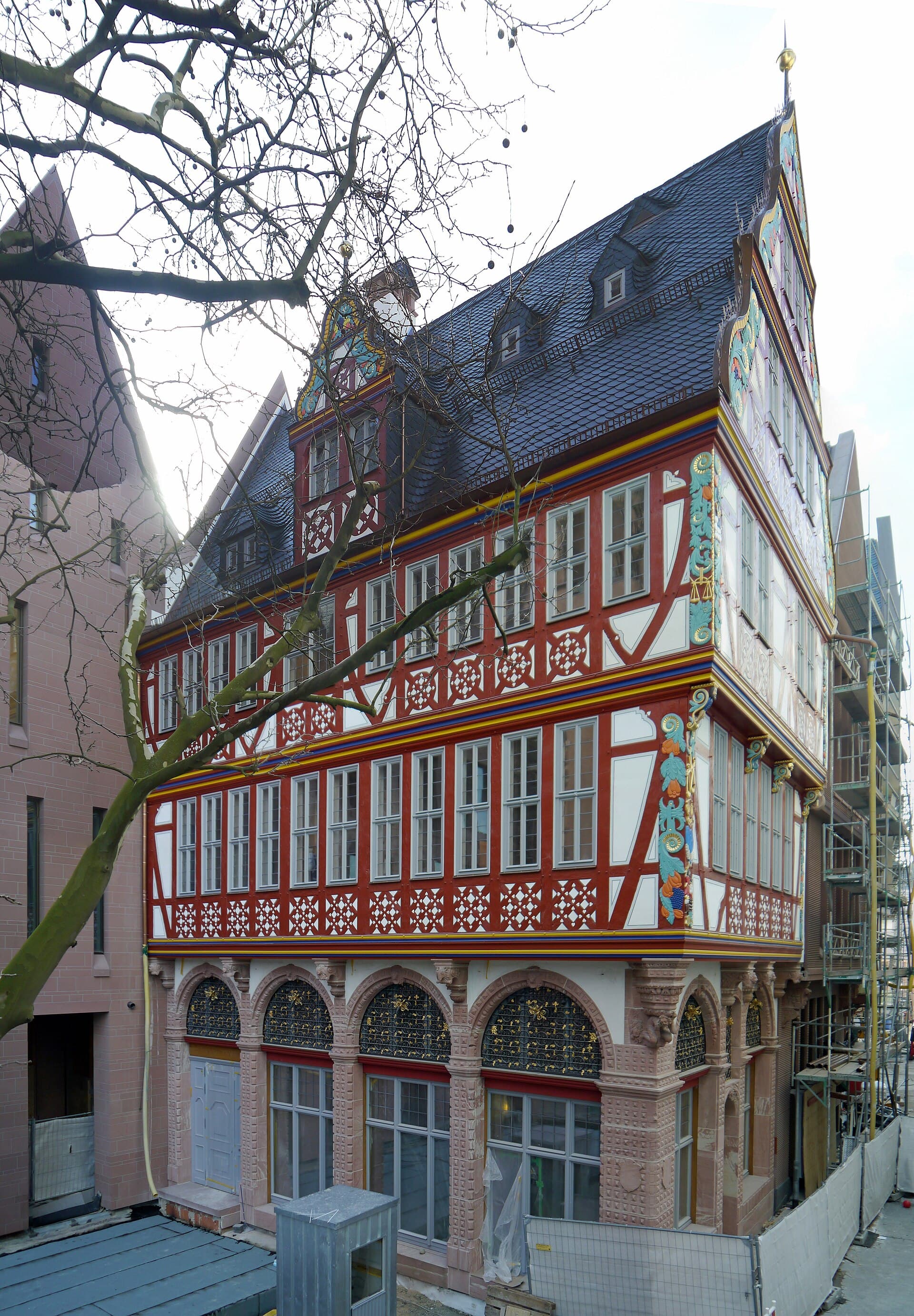 New Old TownThe New Old Town is a small quarter in the middle of Frankfurt that opened in 201 minute walk4.7
With care. The stories were written for children but are harsh by today's standards: children punished severely for small faults. Older children read them as tales from another age; younger ones may find them frightening. The museum itself explains that context.
Because it was among the first and most influential modern illustrated children's books, and it shaped European children's literature after it. It is also a document of how child-rearing was viewed in the nineteenth century.
An hour. It is small and focused, and folds easily into an old-town walk with Römerberg and the cathedral.