
The whole Stuttgart basin
The city in a bowl ringed by vineyards and forest — an unusual layout for a German city.
Julian Herzog (Website) — CC BY 4.0 · Julian Herzog (Website) — CC BY 4.0 · Wladyslaw, edit by Karlo — CC BY-SA 3.0 · Alexis88bg — CC BY-SA 4.0
A 217-metre tower on a wooded hill southeast of Stuttgart, and the first concrete television tower in the world. Its significance is not its height but that it was first: built in the mid-1950s, it was meant to be an ordinary steel mast until its engineer proposed a concrete tower with a visitor platform on top. The form succeeded so completely that it became the model television towers everywhere copied afterwards, from Berlin to Tokyo. The platform sits at around 150 metres and already stands on a hill, so the view runs across the whole Stuttgart basin: the city in the bowl below ringed by vineyards and forest, with the Swabian Alb and even the Black Forest showing on the very clearest days. The area around it is forest with walking paths, so the ascent can be folded into a short walk rather than made a stop on its own.
The city in a bowl ringed by vineyards and forest — an unusual layout for a German city.
Built in the 1950s and became the architectural model for television towers worldwide.
The surroundings are woodland with walking paths, so the visit folds into a walk.
Hoher Bopser, on a wooded hill southeast of the city
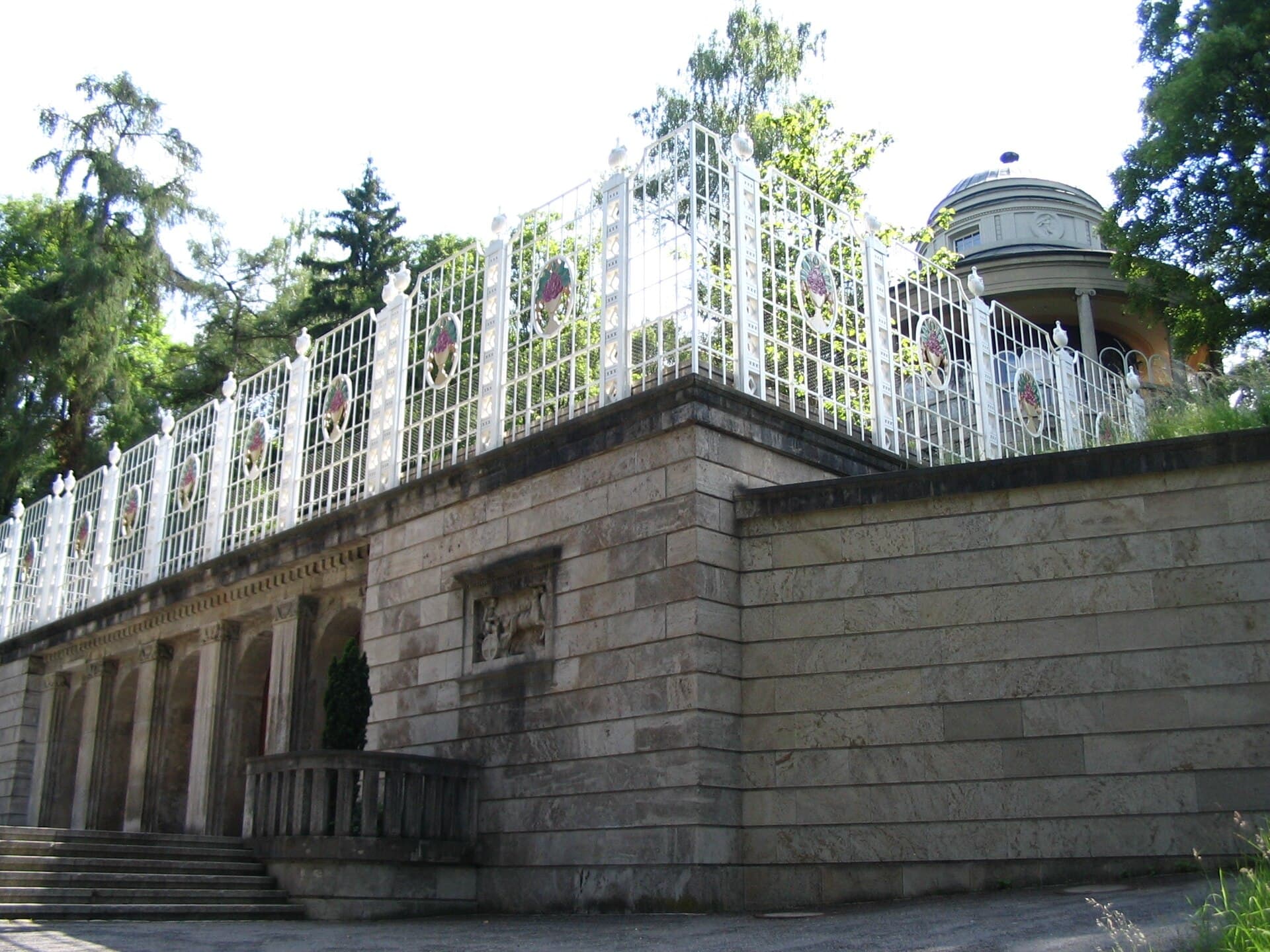 The Marble Hall, WeissenburgparkA classical colonnaded hall on the edge of the Weissenburgpark above Stuttgart, 14 minutes walk4.7
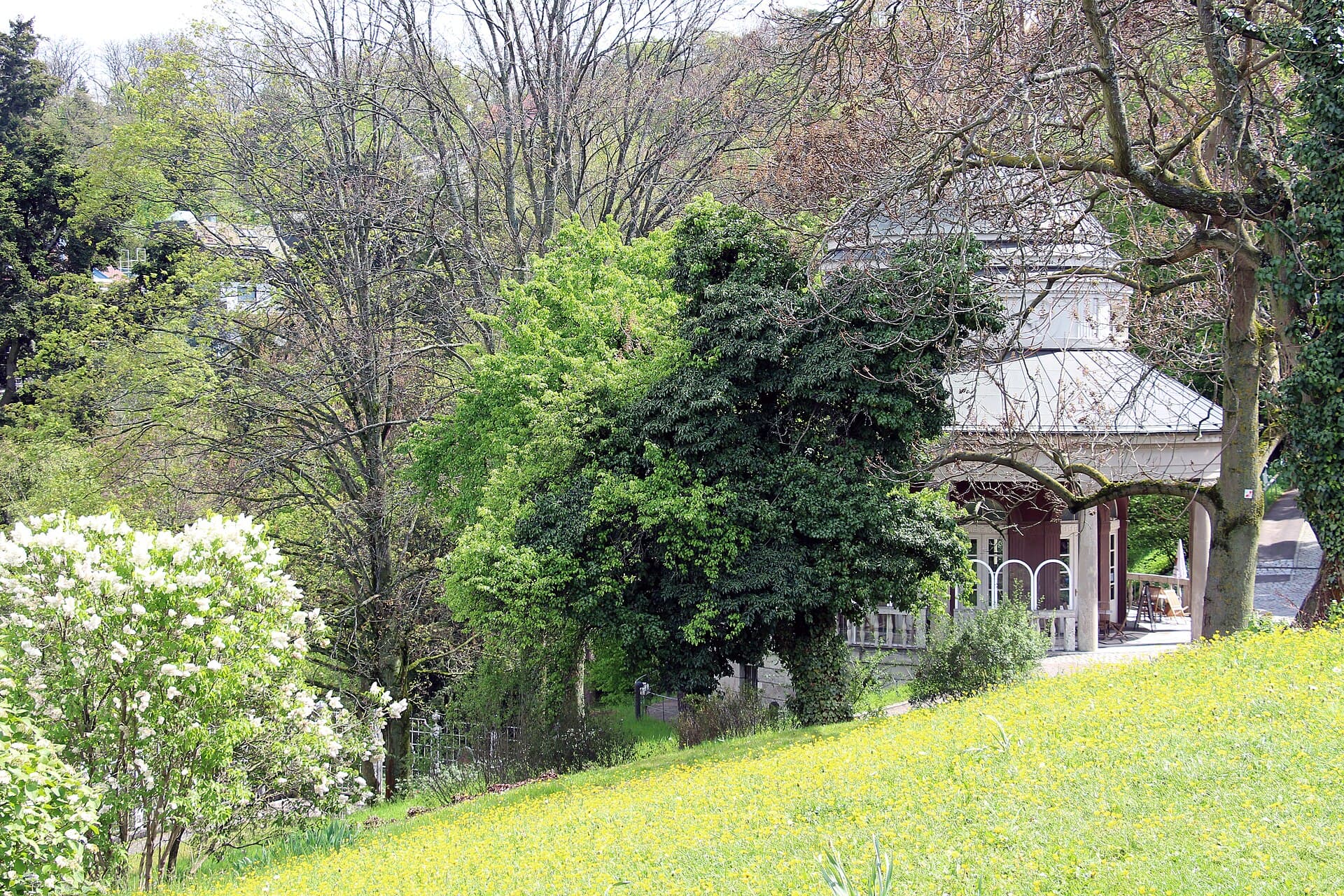 WeissenburgparkA five-hectare park on the Bopser slope in southern Stuttgart, rising above the 14 minutes walk4.7
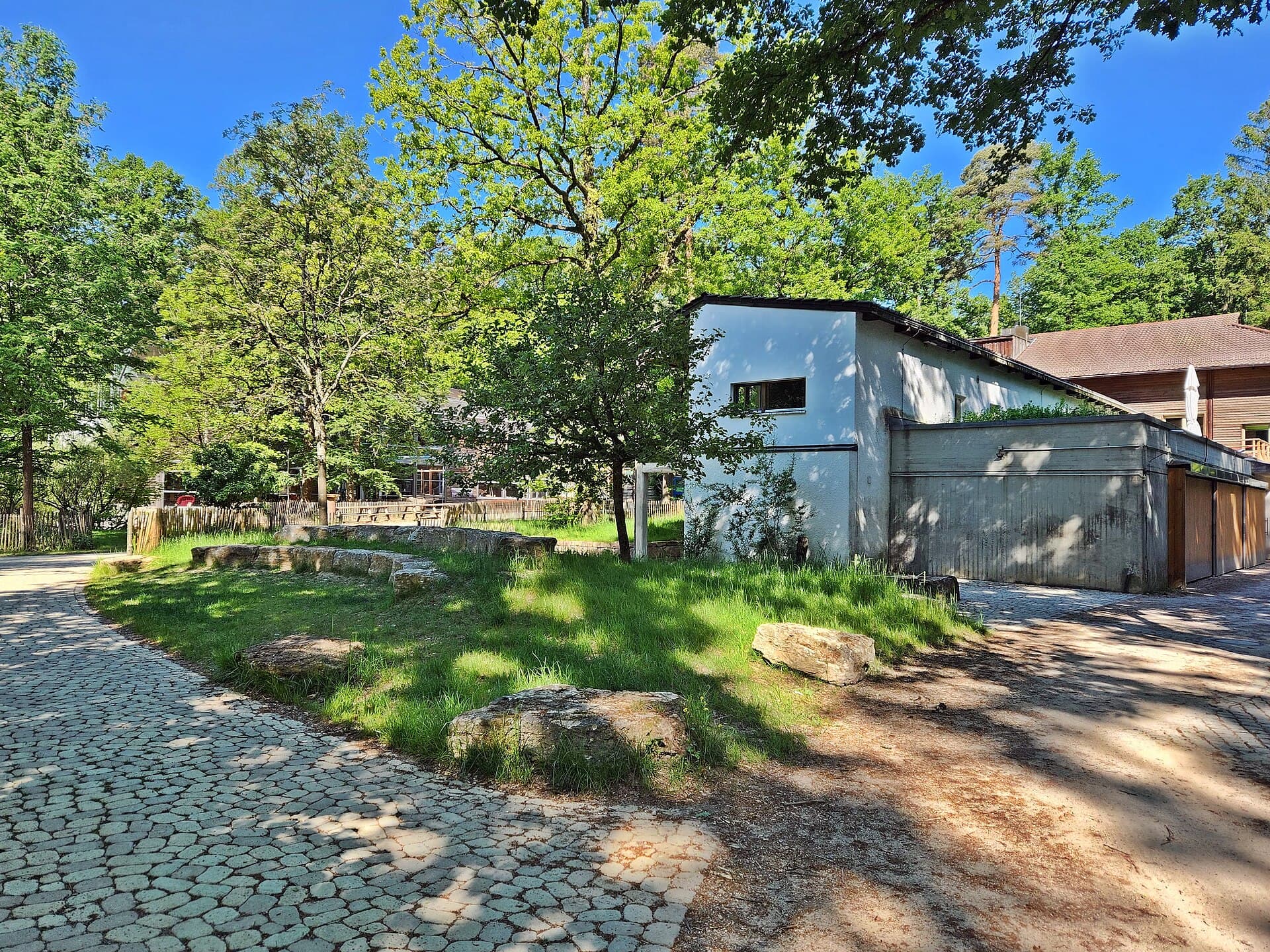 The House of the ForestA forest education centre run by the Baden-Württemberg forestry service on the e16 minutes walk4.5
By the tram line running south towards Degerloch, then a short uphill walk to the base. It is twenty to thirty minutes from the centre, and not a walk from the city core.
They are different experiences. The Mercedes and Porsche museums are what Stuttgart is known for internationally and each merits half a day. The tower is a short stop for a view of the city. With only one day, start with a car museum and add the tower if time and clear weather allow.