
The storybook castle
1898 towers built as museum — the building is exhibit one.
Gre regiment — CC BY-SA 4.0 · Burkhard Mücke — CC BY-SA 4.0 · Jules Verne Times Two — CC BY-SA 4.0 · Jules Verne Times Two — CC BY-SA 4.0
Opposite the main station stands what looks like a storybook castle of towers — the Swiss National Museum, built in 1898 deliberately 'historicist' to suit its task: telling all Switzerland under one roof, from prehistoric hunters to mountain democracy and banking wealth. The permanent 'History of Switzerland' answers the visitor's real question — how did these poor mountains become the richest ground on earth? — through mercenaries, watches, neutrality and bank secrecy, with creditable frankness. The Gothic art halls and complete transplanted wooden period rooms are its quiet treasures. A modern concrete wing embraces the old building by a bridge — and the garden behind, at the two rivers' meeting, is a free rest most visitors never find.
1898 towers built as museum — the building is exhibit one.
Poor mountains to richest land — told frankly, mercenaries and banks included.
Whole panelled village rooms moved intact — the centuries' warmth.
Museumstrasse 2, 8001 Zurich
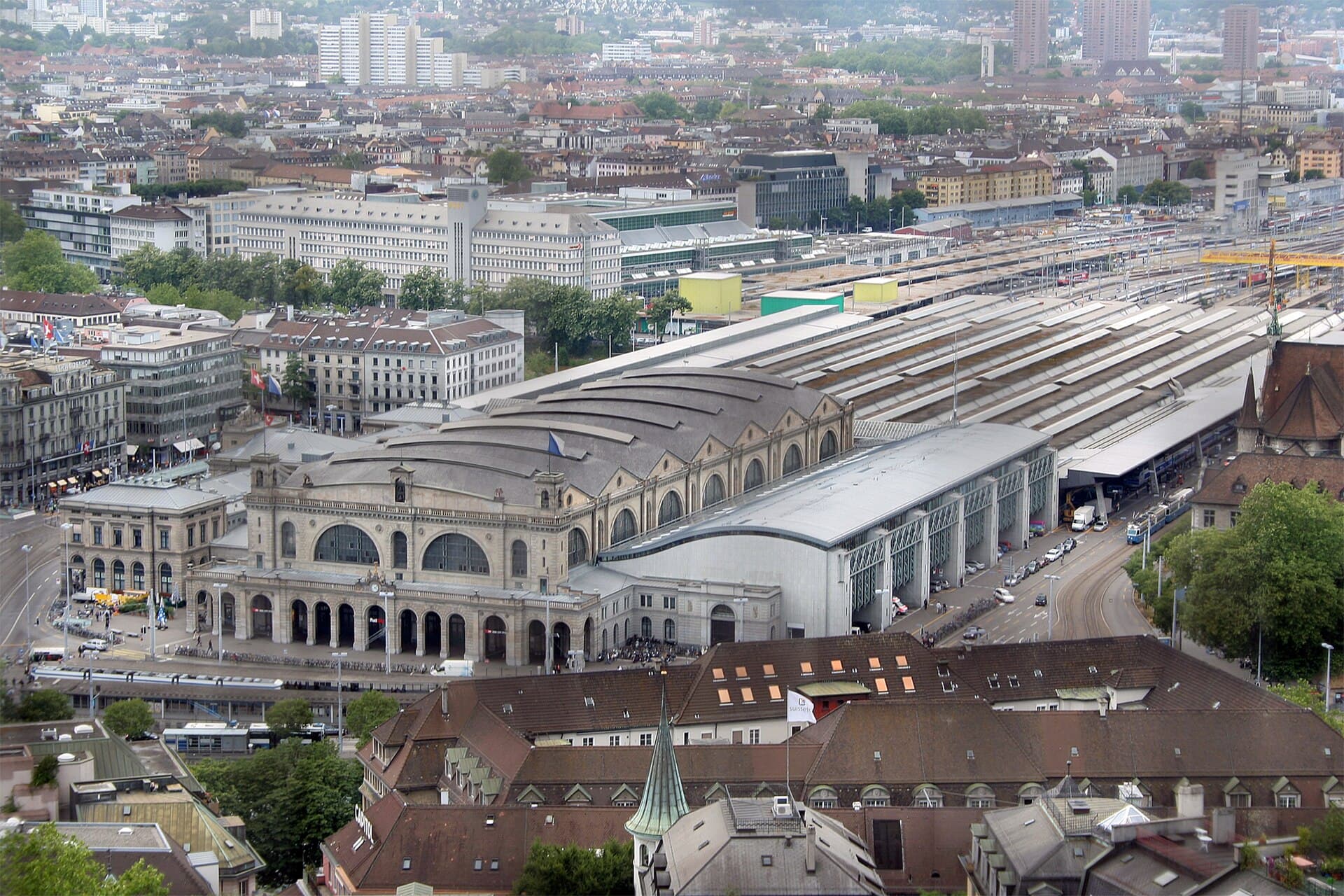 Zürich Main StationSwitzerland's largest railway station and one of Europe's busiest: twenty-six tr1 minute walk4.6
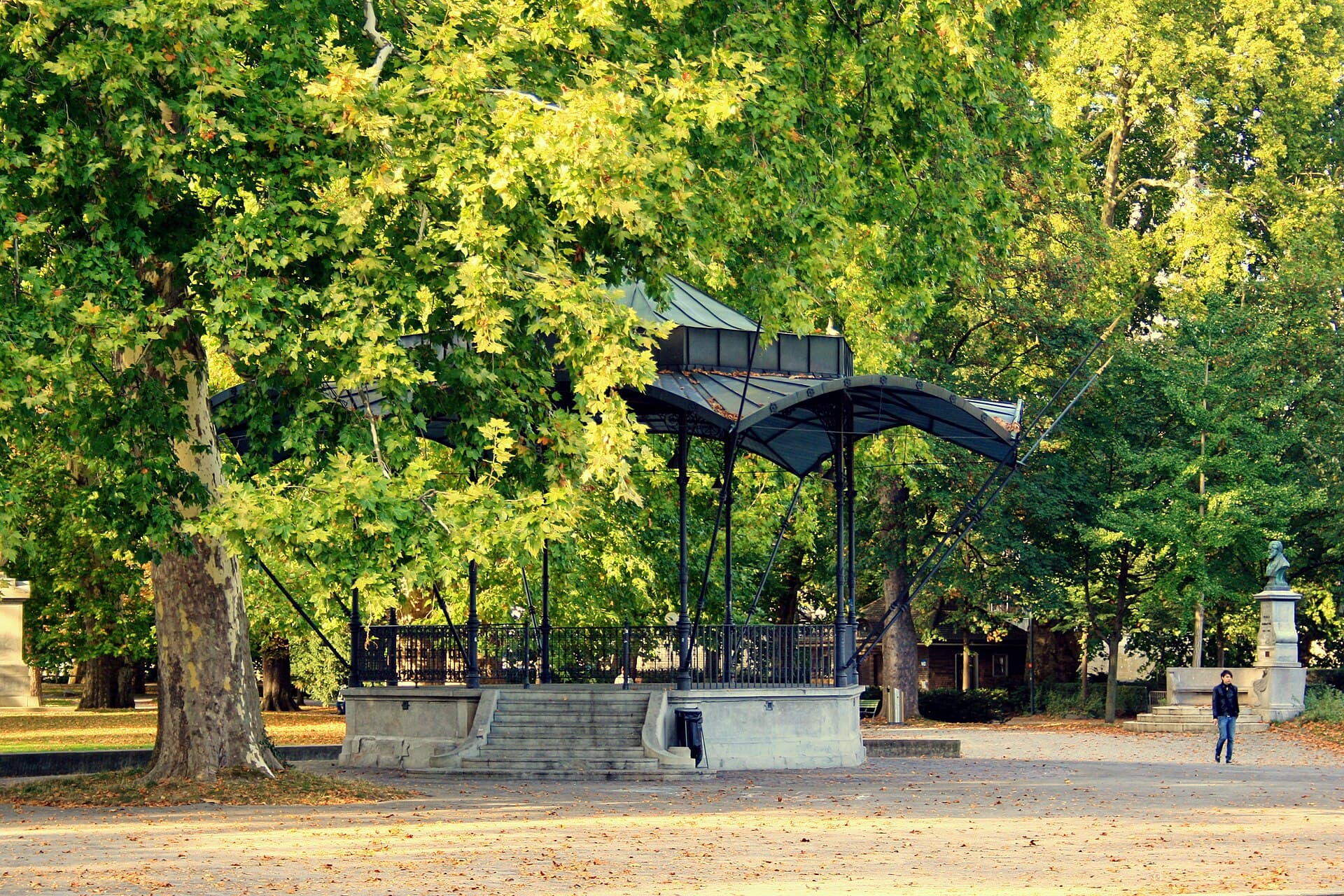 Platzspitz ParkA triangular park at the confluence of the **Limmat and the Sihl**, behind the S2 minutes walk4.6
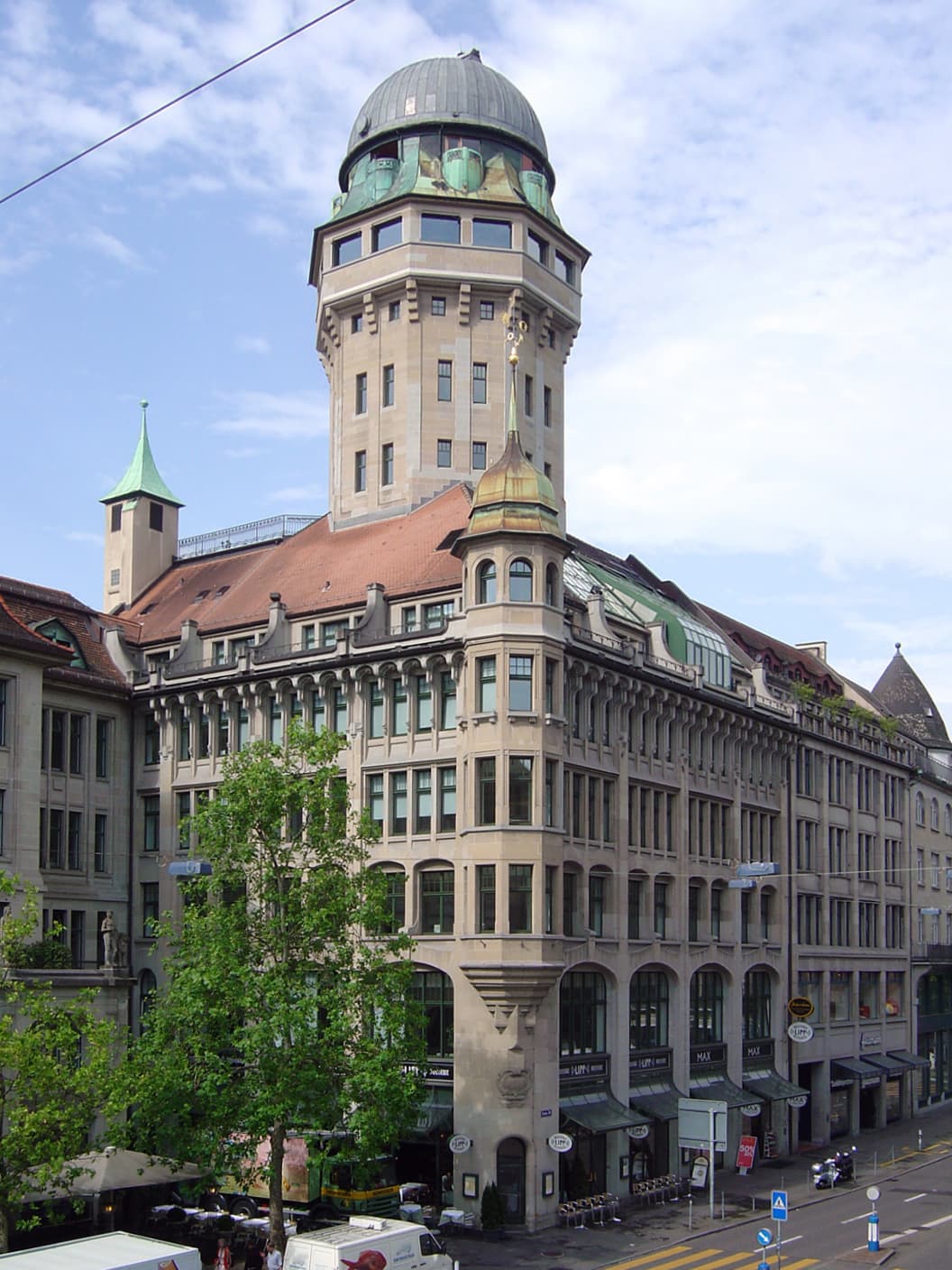 Urania ObservatoryA round tower rising some fifty metres above the western edge of Zurich's old to6 minutes walk4.4
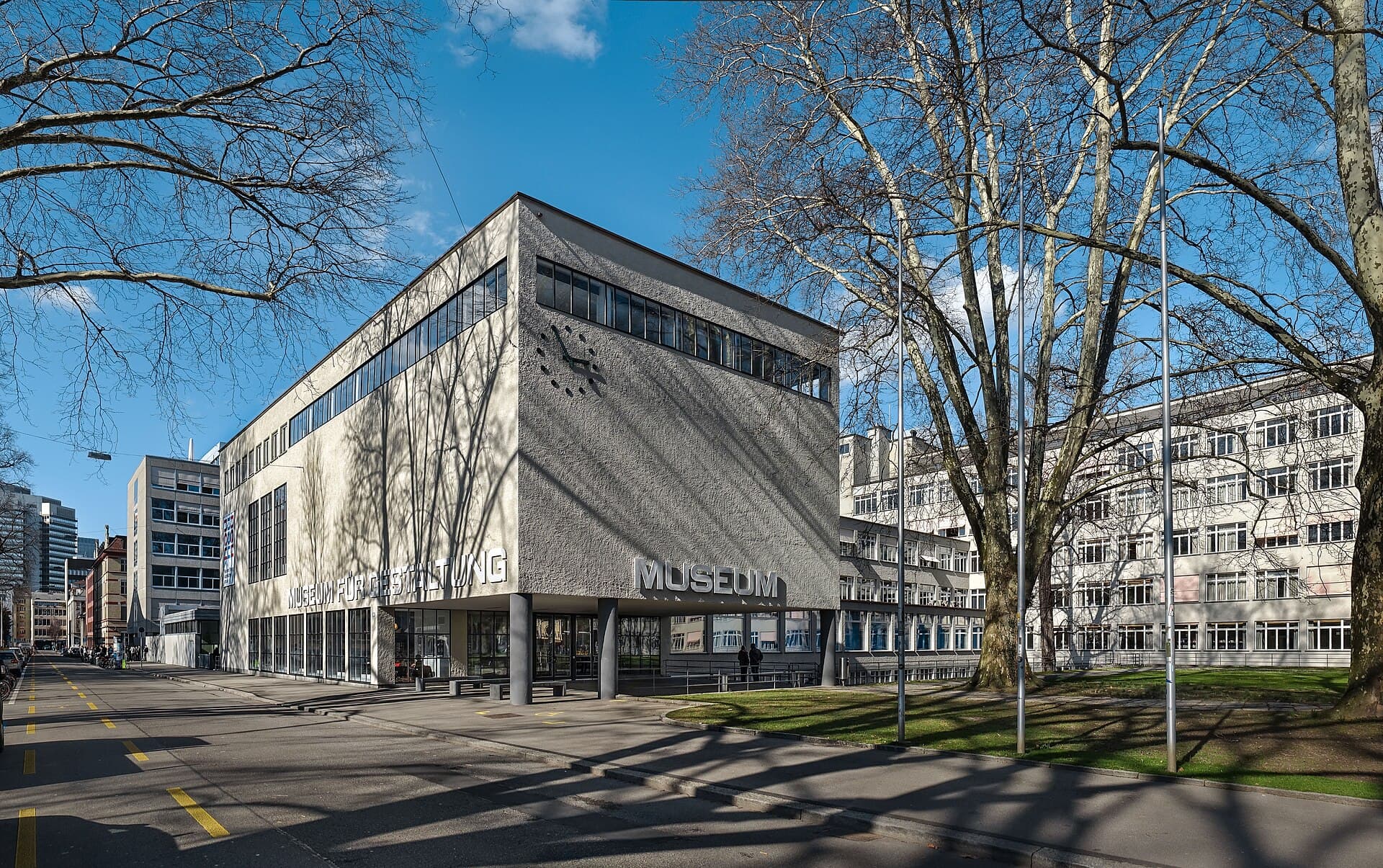 Museum für Gestaltung (Museum of Design)One of Europe's most important museums of design and visual communication, with 7 minutes walk4.6
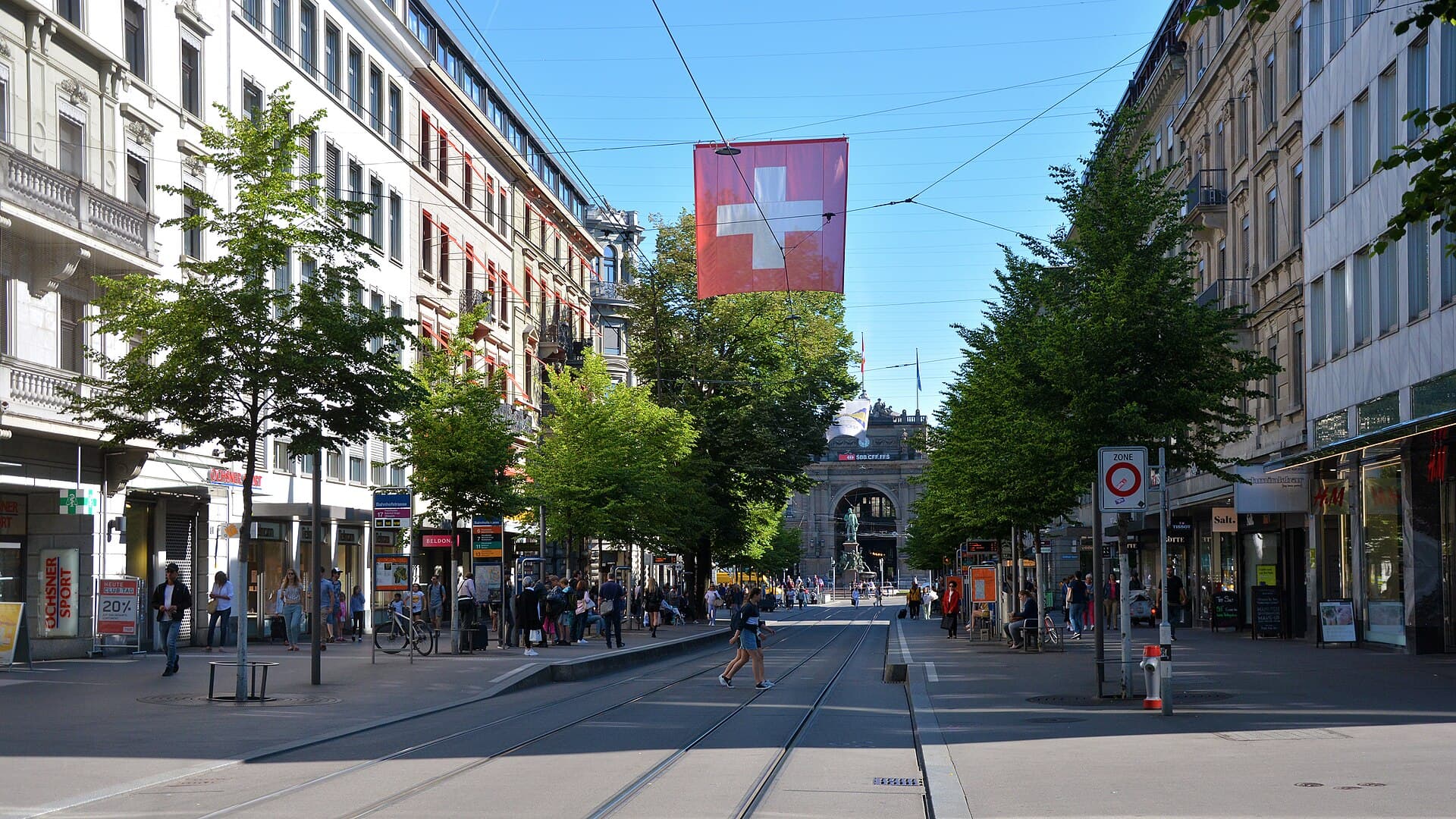 BahnhofstrasseZurich's main street: 1.4 kilometres running from the square in front of the cen8 minutes walk4.6
More than expected: the telling is modern, short-dosed, screen-and-sound rich, and the building itself is a towers-and-stairs outing. One hour on the highlights route satisfies non-museum people honestly.
The transplanted panelled rooms (ask for their map — they scatter), the old terrestrial and celestial globes, and the watch section where Swiss precision's story starts. With children: the arms and armour floor settles everything, always.
Bags in station lockers and an opening hour here on arrival morning, or a rainy closer before the departing train — few European museums are so logistically placed. The back garden serves thermos coffee between two rivers.