
The poster collection
A world archive reaching back to the mid-nineteenth century.
Photones — CC BY-SA 4.0 · albinfo — CC BY 4.0 · EinDao — CC BY-SA 4.0 · EinDao — CC BY-SA 4.0
One of Europe's most important museums of design and visual communication, with roots in the arts-and-crafts museum founded in Zurich in **1875**. It belongs today to the **Zurich University of the Arts (ZHdK)**, and shows in a main building that is itself a landmark: designed by Adolf Steger and Karl Egender and completed in **1933**, it counts among the purest examples of Swiss architectural modernism, is a protected monument, and reopened after restoration in spring 2018. The real strength is in the collections: **more than half a million objects** across four holdings — poster, graphics, design and applied art. The **poster collection** alone exceeds 380,000 sheets and ranks among the most comprehensive poster archives anywhere, running from the mid-nineteenth century to the present with particular weight on Switzerland, Europe, Japan and Cuba. It is here that you understand why the Swiss school of graphic design — the grid and the clean letterform — became a visual language the whole world now uses. Practically: alongside permanent displays such as the Swiss design lounge, the programme rests on **changing temporary exhibitions, five to seven a year**, so the experience varies a great deal by season — check what is on before you go. The building is five minutes on foot from Zurich main station, and it is an excellent choice on a wet day.
A world archive reaching back to the mid-nineteenth century.
Among the purest examples of Swiss architectural modernism.
Five to seven exhibitions a year — check what is on.
Ausstellungsstrasse 60, 8005 Zurich
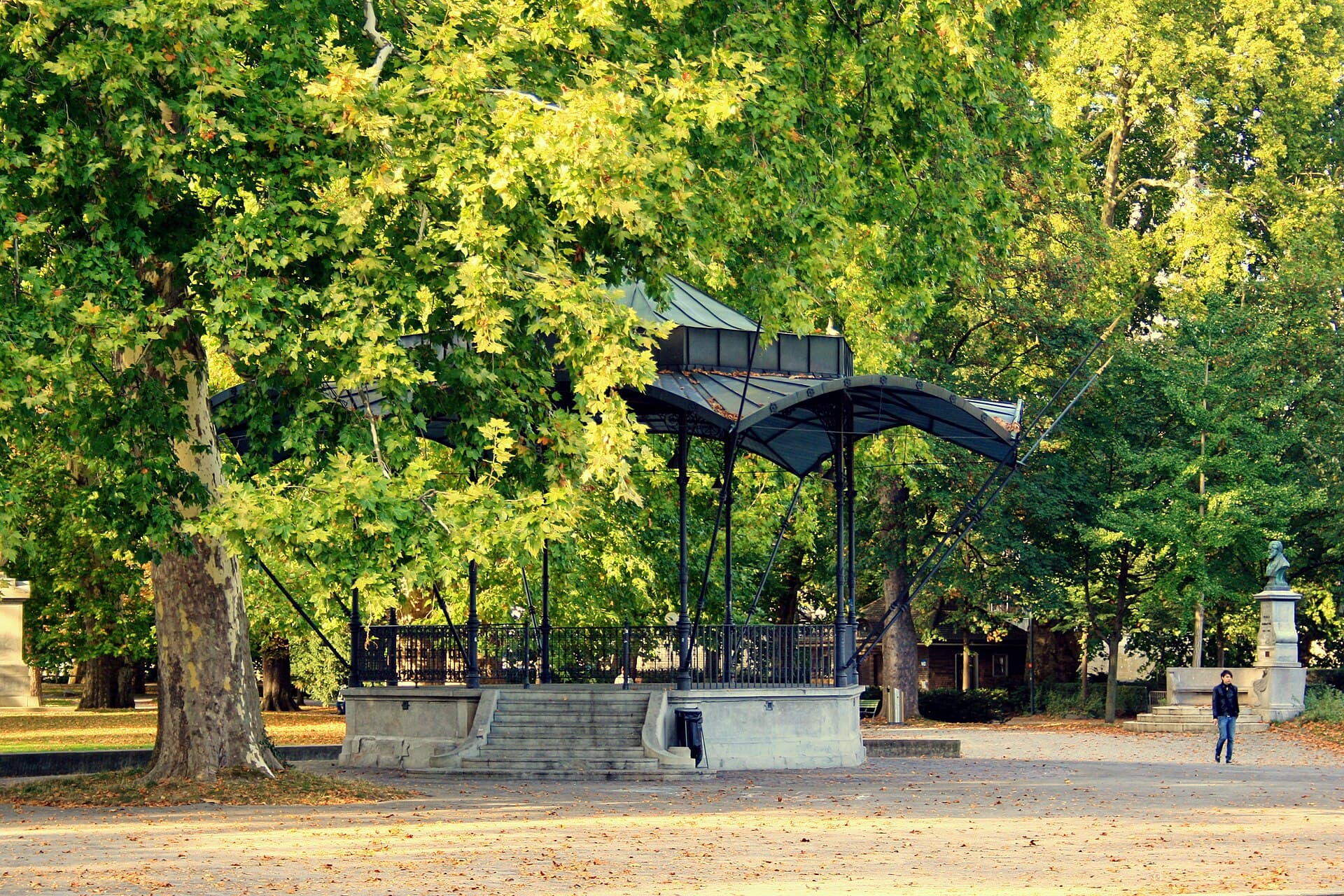 Platzspitz ParkA triangular park at the confluence of the **Limmat and the Sihl**, behind the S5 minutes walk4.6
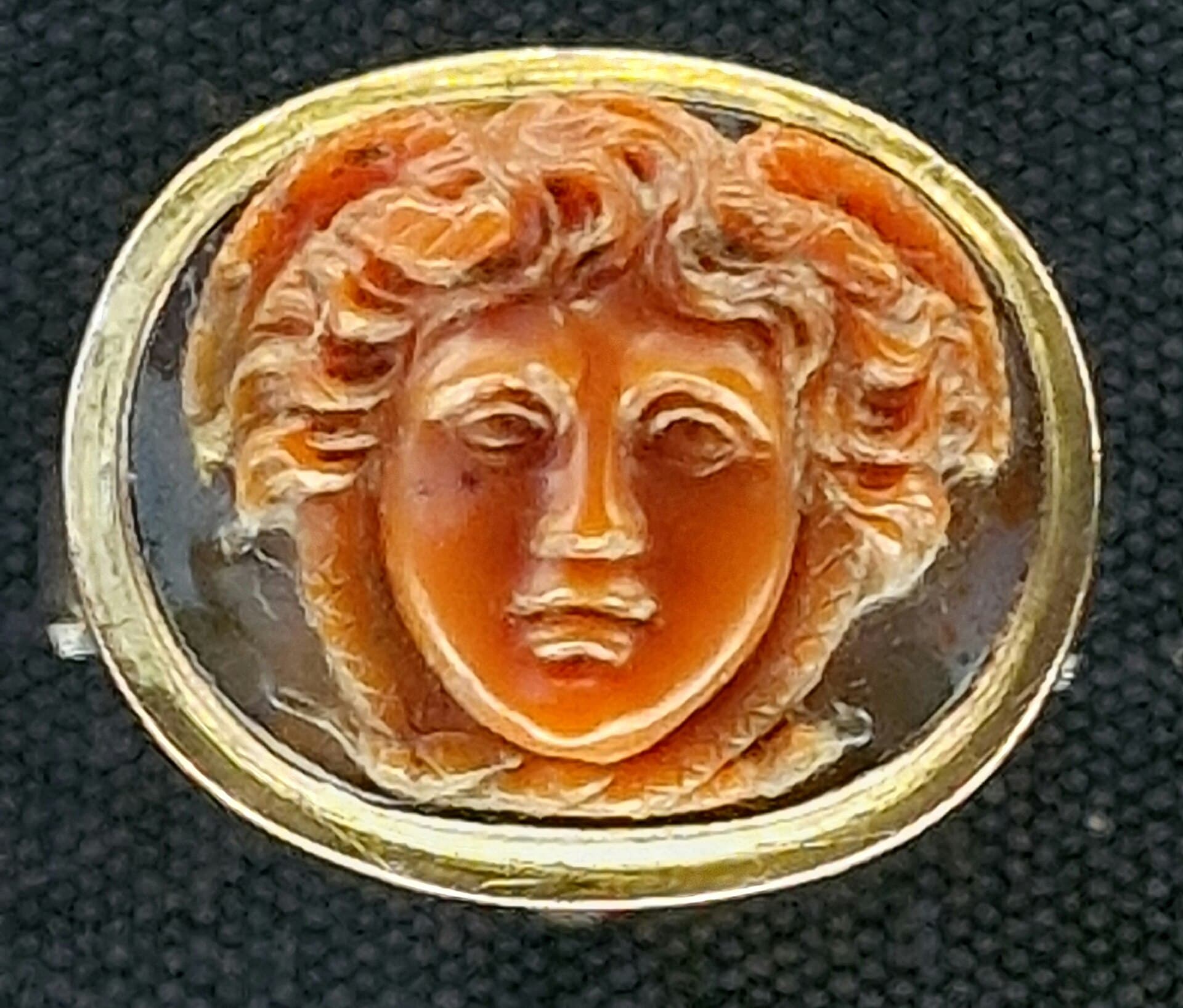 Swiss National MuseumOpposite the main station stands what looks like a storybook castle of towers — 7 minutes walk4.5
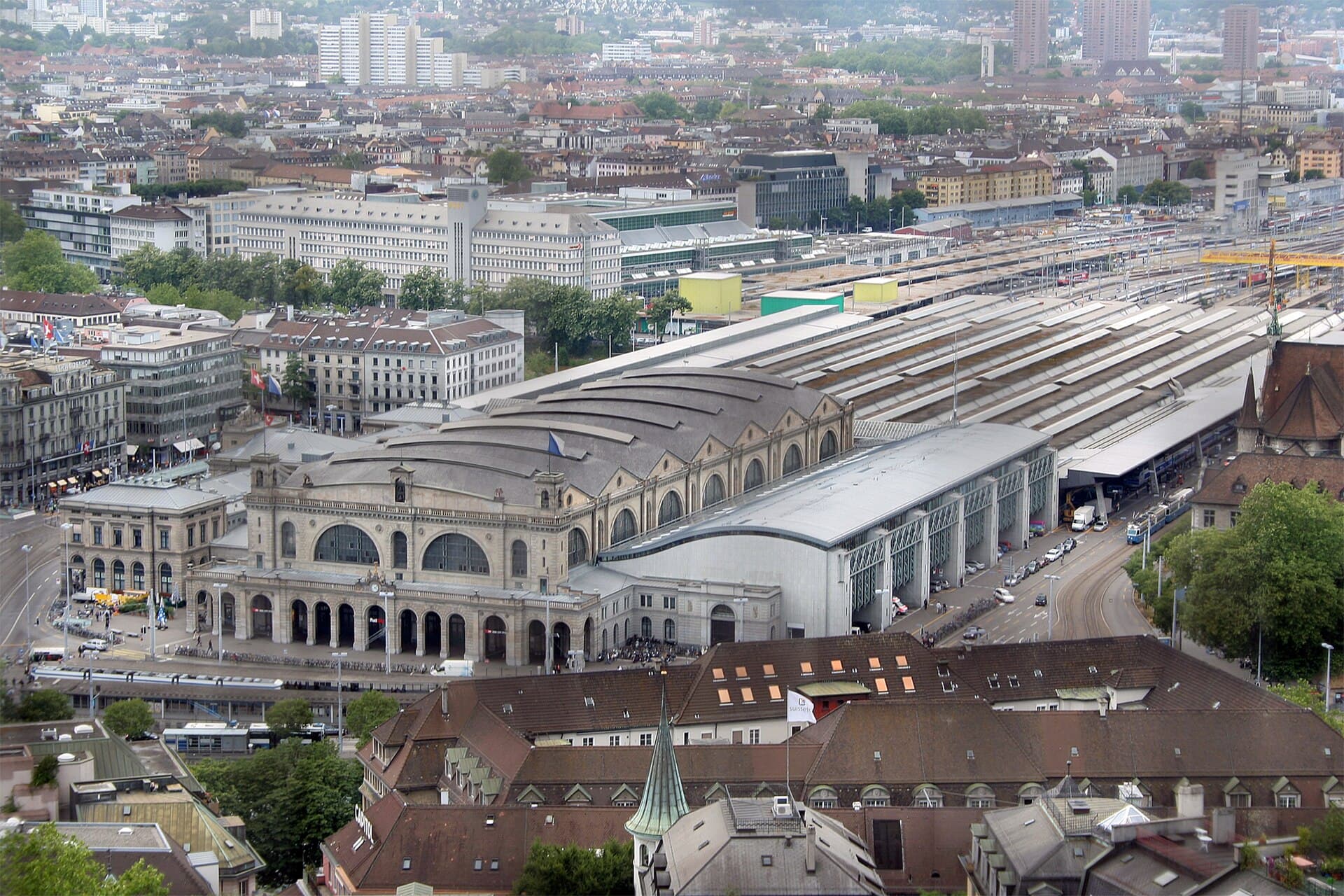 Zürich Main StationSwitzerland's largest railway station and one of Europe's busiest: twenty-six tr7 minutes walk4.6
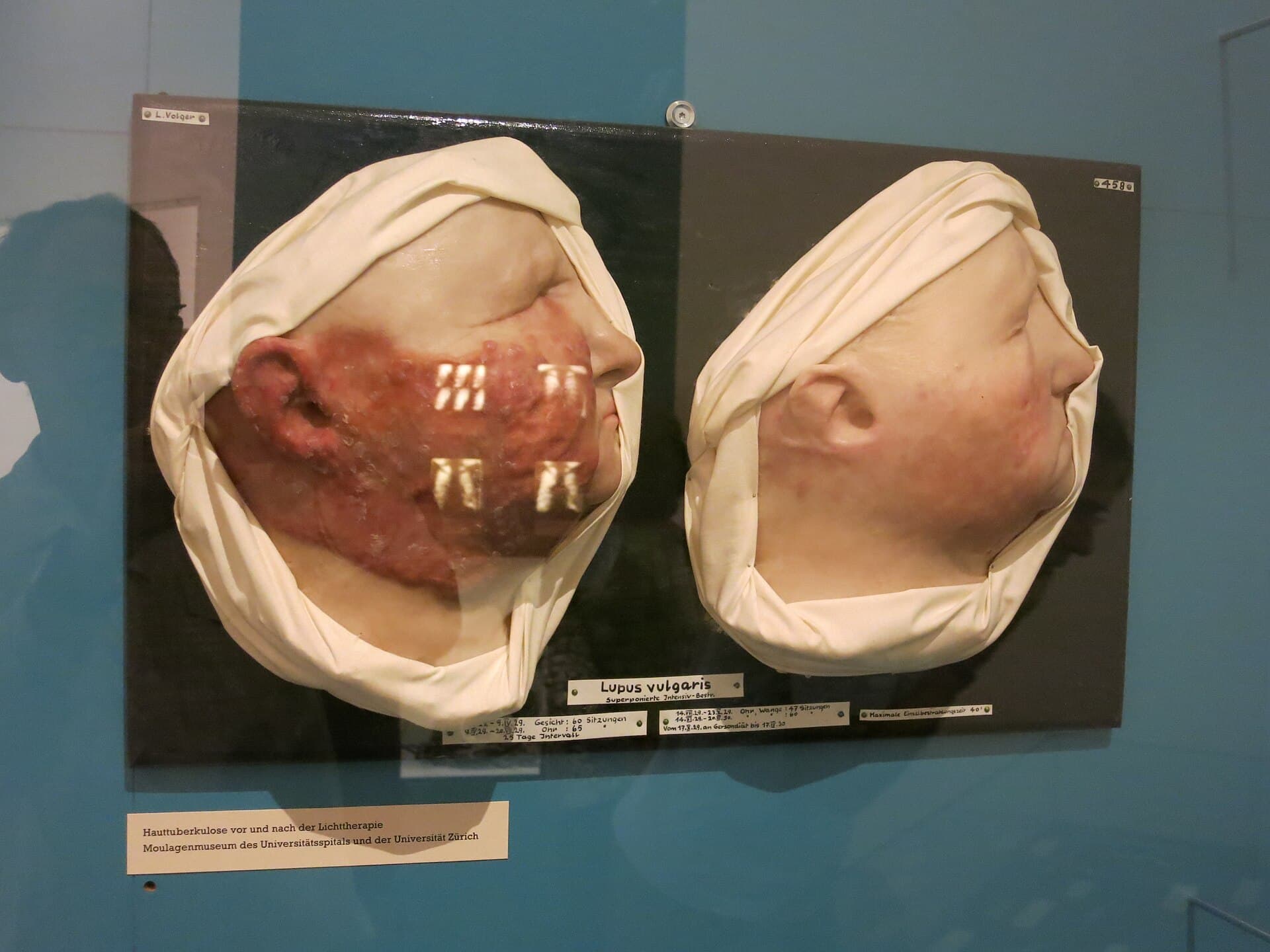 Moulage MuseumA medical museum in Zurich University Hospital showing moulages: wax models of s12 minutes walk4.8
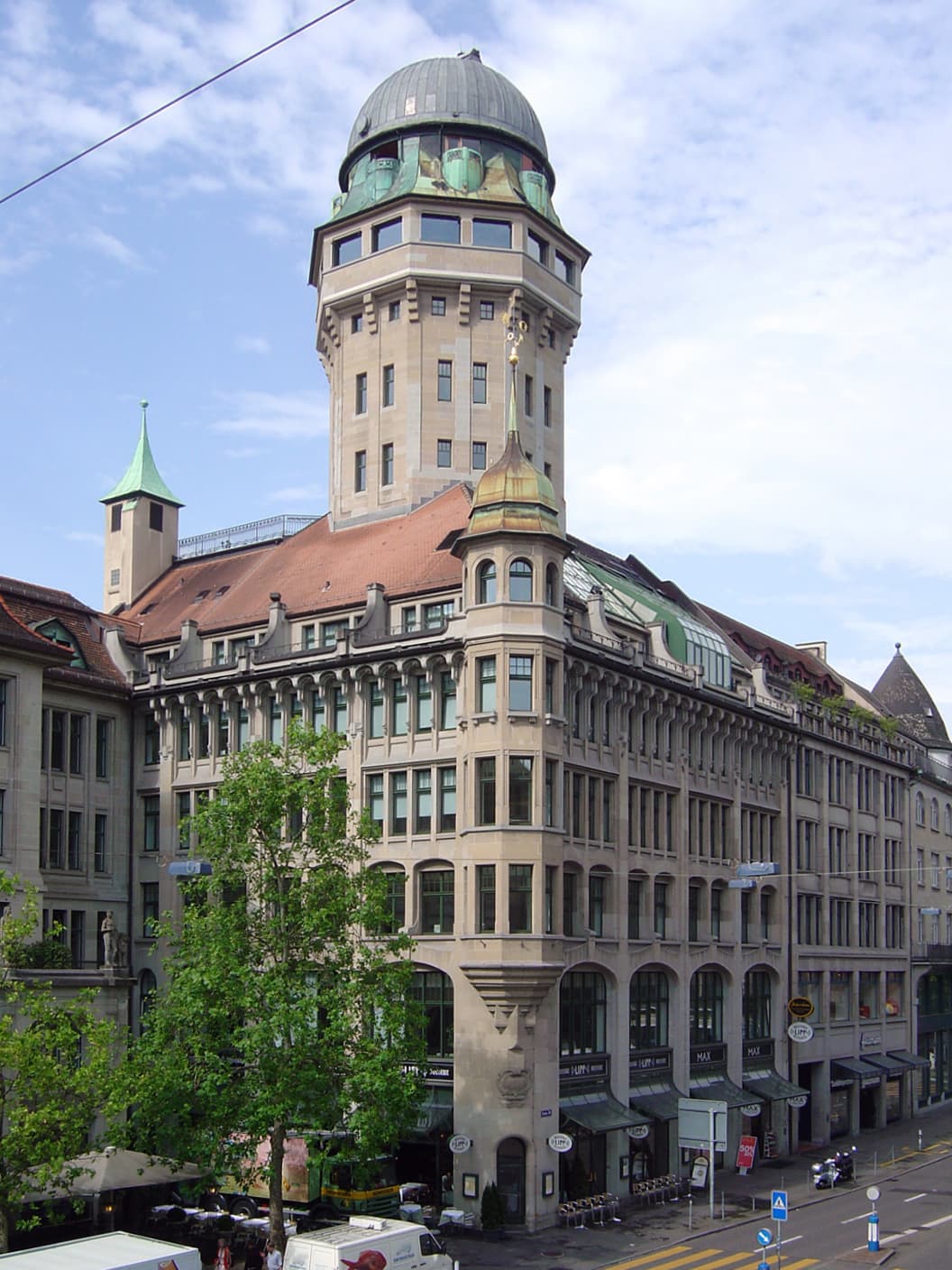 Urania ObservatoryA round tower rising some fifty metres above the western edge of Zurich's old to12 minutes walk4.4
Yes, if you enjoy images, advertising and everyday objects: the displays are visual rather than text-heavy, and the posters read as an illustrated history of the twentieth century — war, propaganda, cinema, tourism — with no specialist background needed. If what you want is classical painting, your museum is the Kunsthaus, not this one. The practical trick: come on a Thursday after five, when entry is free and the museum stays open until eight.
There are three, on one combined ticket: the historic building on Ausstellungsstrasse, the most important and the closest to the station; galleries in the **Toni-Areal** in Zurich West, a vast former dairy turned arts-university campus; and the **Pavillon Le Corbusier** on the lakeshore at Zürichhorn, among the last works the famous Swiss architect designed, open seasonally. If you have a single day, the main building is enough.