
The president's study
His books and papers as he left them.
Jukka from HELSINKI, Finland — CC BY 2.0 · Sjenghai — CC BY-SA 4.0 · Sjenghai — CC BY-SA 4.0 · MattiPaavola — CC BY-SA 3.0
Tamminiemi is a timber villa on the water in western Helsinki where President **Urho Kekkonen** lived for twenty-six years — and it is now a museum in which everything was left as it stood the day he left in 1981. Kekkonen is a figure without whom the Finnish twentieth century cannot be understood: he was president from 1956 to 1982, a quarter of a century, and his policy is what became known as **Finlandisation** — keeping Finland independent and a western democracy while maintaining a careful, disciplined relationship with the neighbouring Soviet Union. The word became a term in international relations, used sometimes with contempt and sometimes with admiration. The house has a **sauna** — and that is part of the story rather than a detail: Kekkonen conducted important negotiations with the Soviets and others inside it, the sauna diplomacy that Finnish political histories still discuss. The museum is small and personal: his study, books, furniture and clothes. The villa is at **Seurasaari**, beside the open-air museum.
His books and papers as he left them.
The site of Finnish sauna diplomacy.
Seurasaarentie 15, Helsinki
 Seurasaari Open-Air MuseumA forested island where old rural Finland lives on: Seurasaari west of the city 5 minutes walk4.7
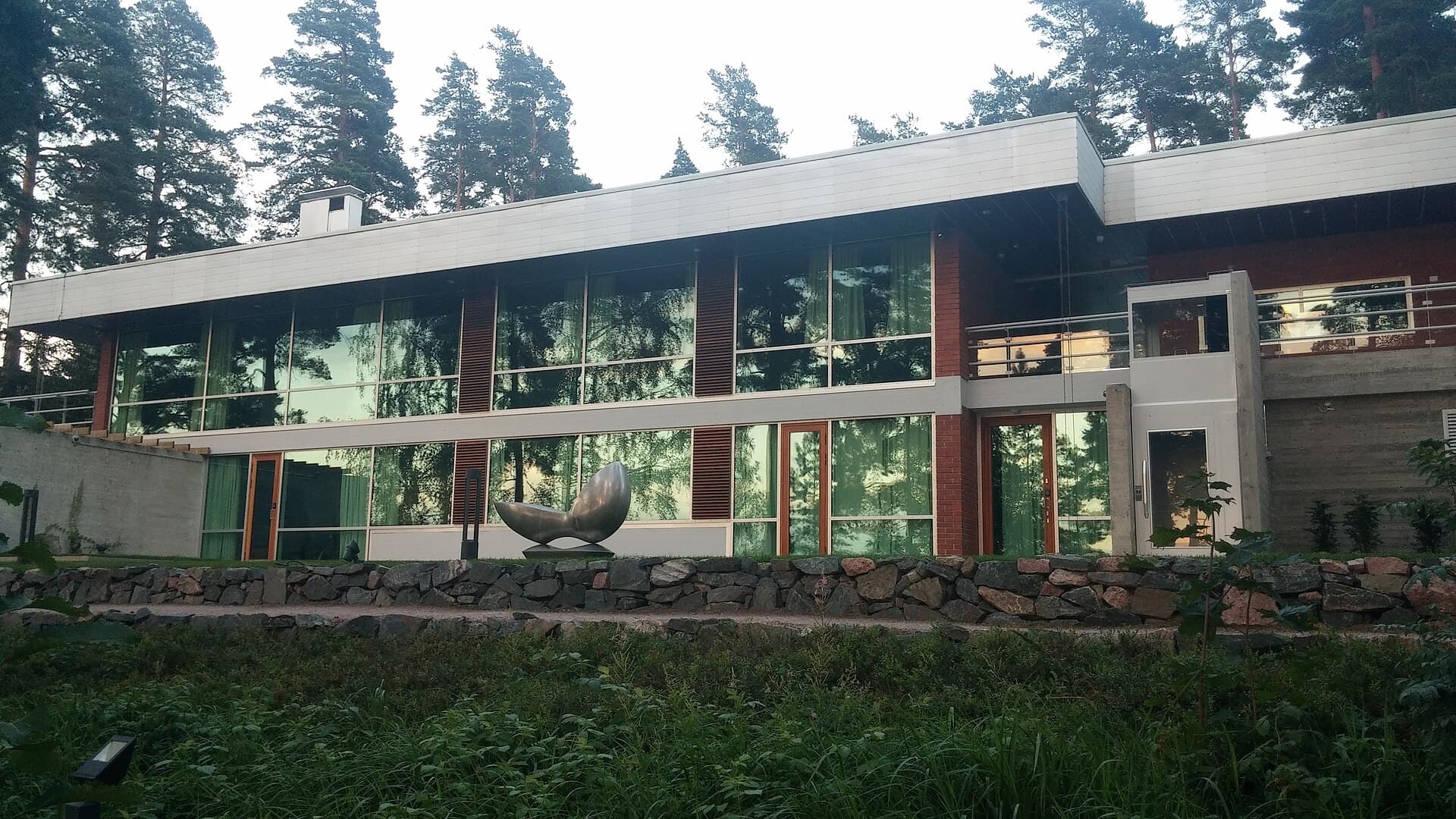 The Didrichsen Art MuseumThe Didrichsen Museum stands on the small island of **Kuusisaari** west of Helsi19 minutes walk4.6
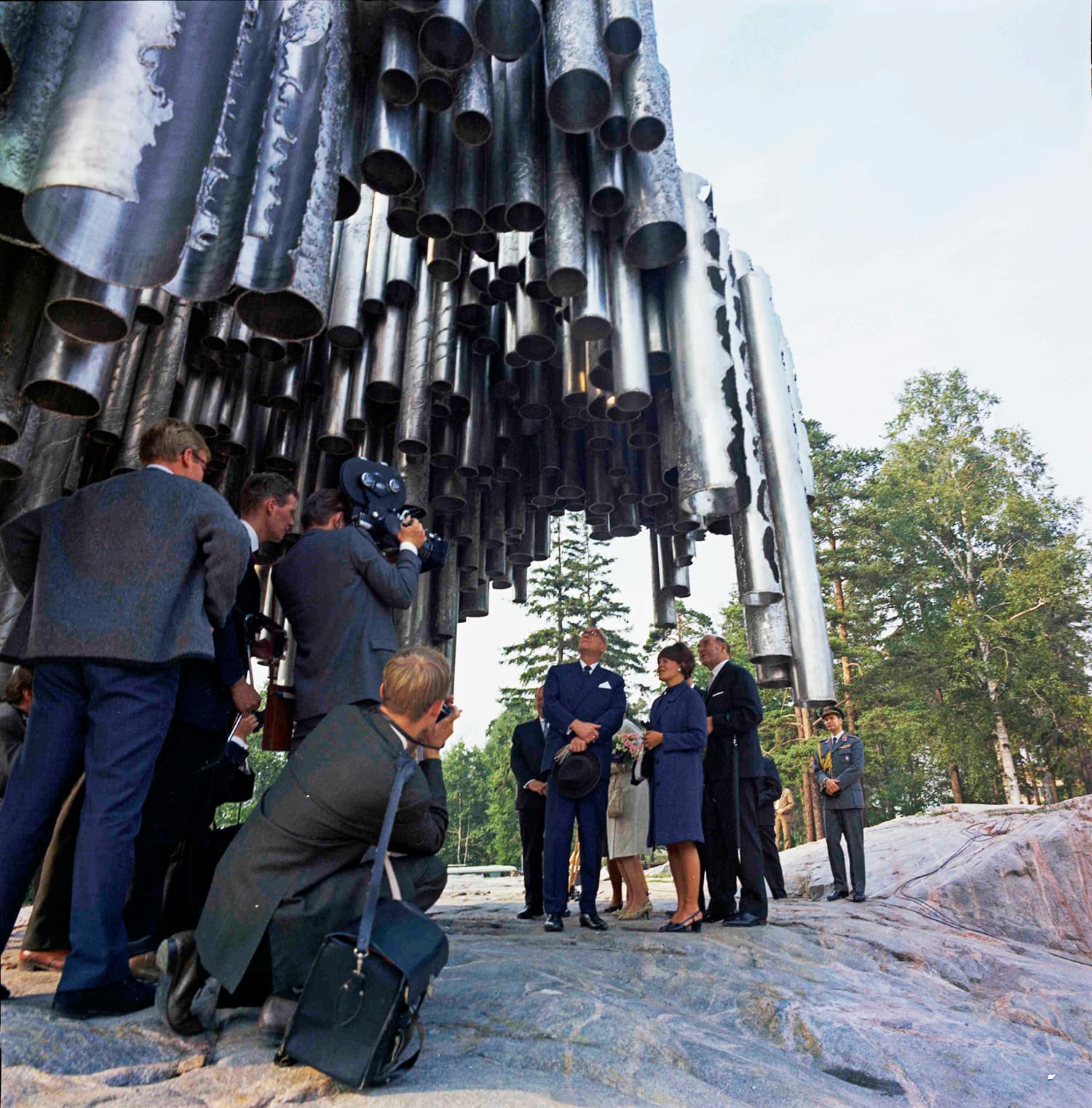 Sibelius MonumentSix hundred steel pipes hanging in the air: Eila Hiltunen's Sibelius Monument (123 minutes walk4.5
Finland fought the Soviet Union twice — the **Winter War** of 1939-40 and the **Continuation War** of 1941-44 — and lost about a tenth of its territory but **was never occupied and never fell under communist rule**, the only country on the Soviet border in Europe to keep its democracy and market economy. The price was a cautious foreign policy and decades of self-censorship in the press and politics. That balance — independence without confrontation — is what Finlandisation means, and it is the key to the Finnish neutrality that lasted until Finland joined NATO in 2023.