
The gilded boxes
Three tiers of carved timber.
Frank Vincentz — CC BY-SA 3.0 · Frank Vincentz — CC BY-SA 3.0 · Frank Vincentz — CC BY-SA 3.0 · Otter — CC BY-SA 4.0
Among Europe's oldest working theatres: Grand Master António Manoel de Vilhena built it in 1731 at his own expense "for the honest recreation of the people", as its Latin plaque says — meaning it has staged performances almost without interruption for close to three centuries, older than La Scala itself. The hall is small and oval in the Italian manner, with three tiers of gilded wooden boxes under a painted ceiling — seating only about six hundred, which gives it an intimacy of acoustics that is genuinely rare: no seat sits more than a few metres from the stage. The daytime tour enters the auditorium, the boxes and backstage and tells the theatre's history and its survival of wartime bombing, with a small museum attached. But better is to attend a performance: the season runs October to May at prices within everyone's reach, and hearing music in this hall is a different thing from seeing it empty.
Three tiers of carved timber.
Six hundred seats, all close to the stage.
Old Theatre Street, Valletta
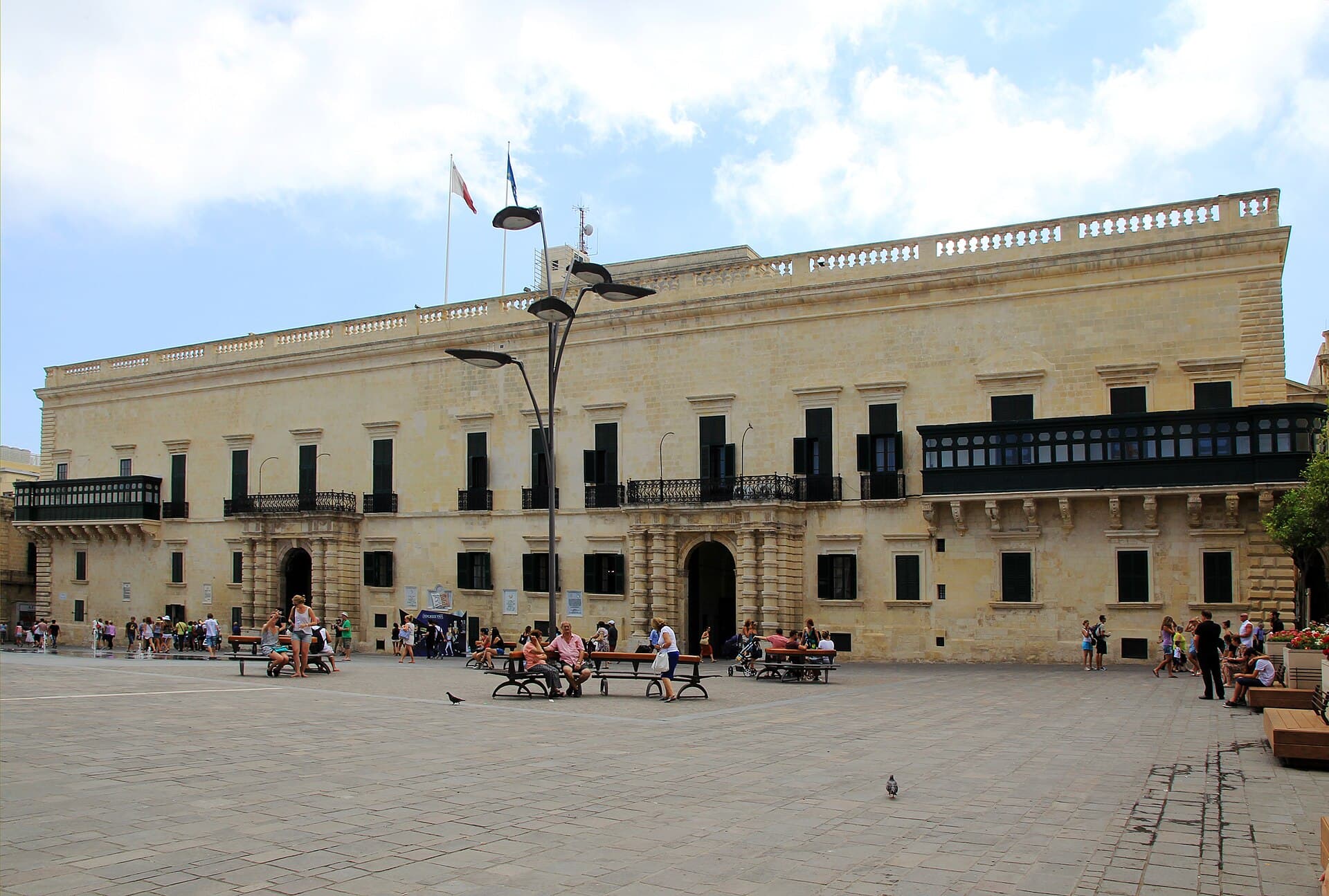 The Grandmaster's PalaceMalta's seat of government without a break since 1571: the Knights built it for 2 minutes walk4.4
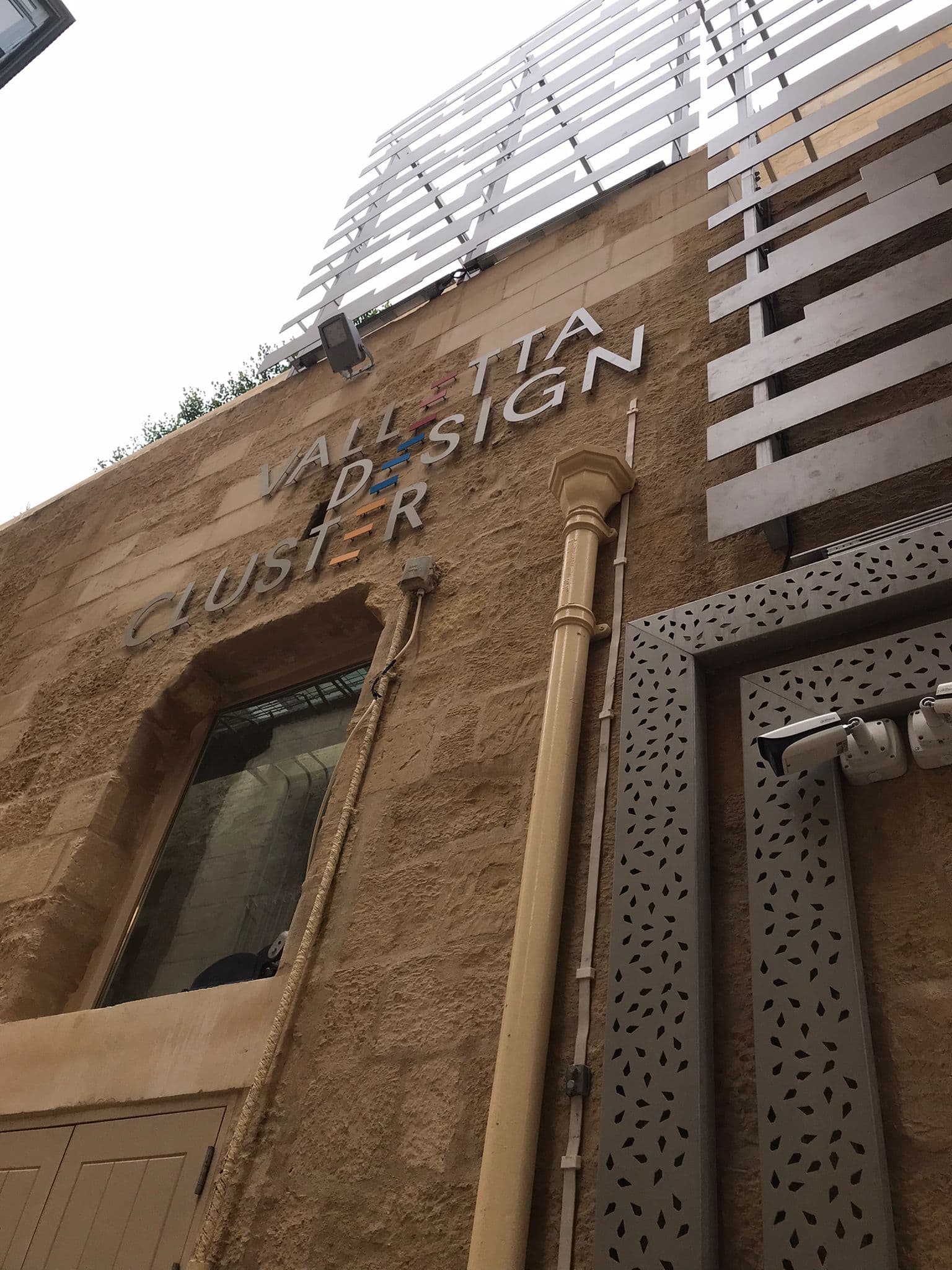 Valletta Design ClusterA centre for design and craft in the old municipal abattoir building in the lowe2 minutes walk4.6
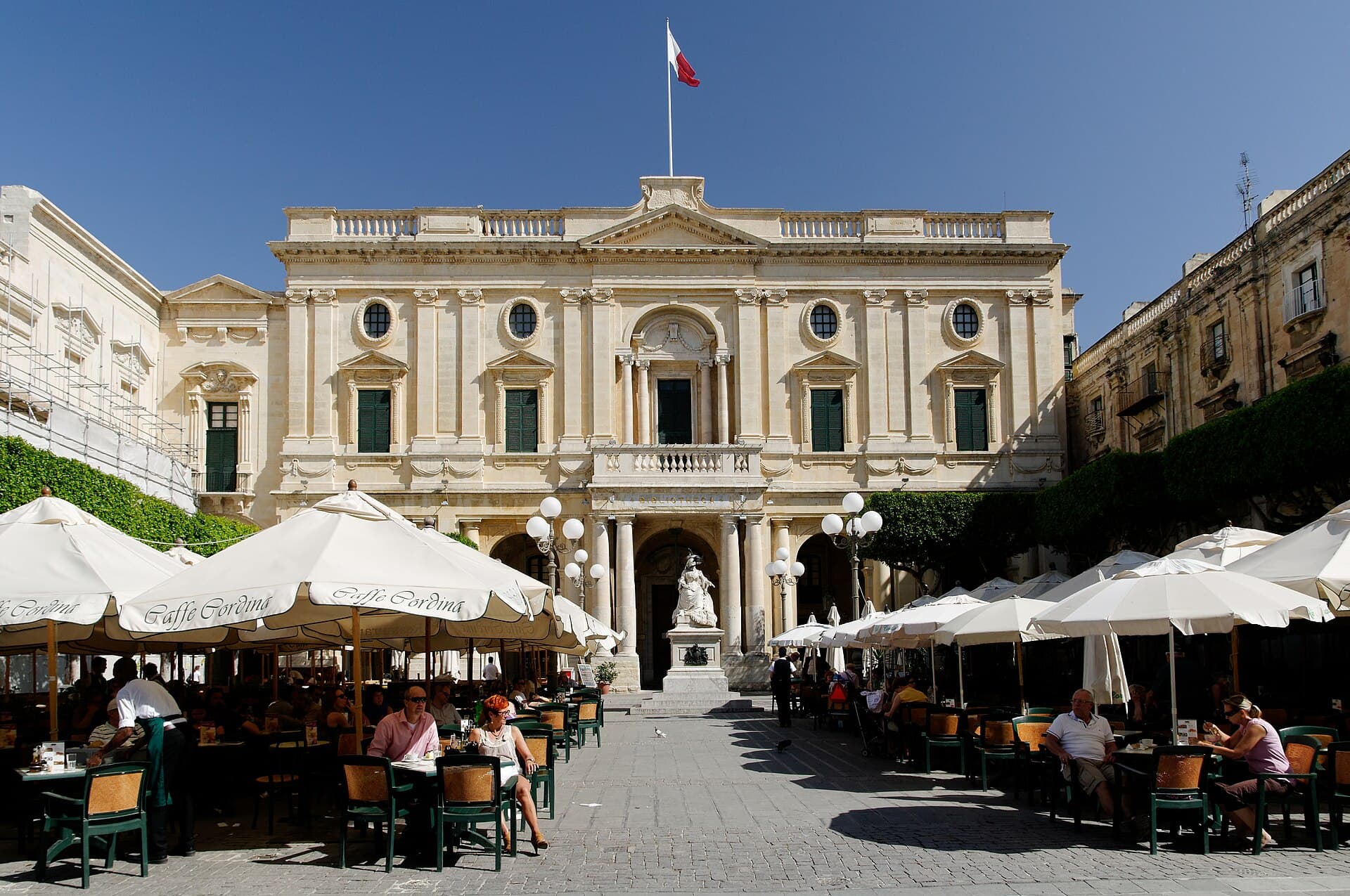 The National LibraryThe last building the Knights raised in Valletta: the Bibliotheca was built betw2 minutes walk4.7
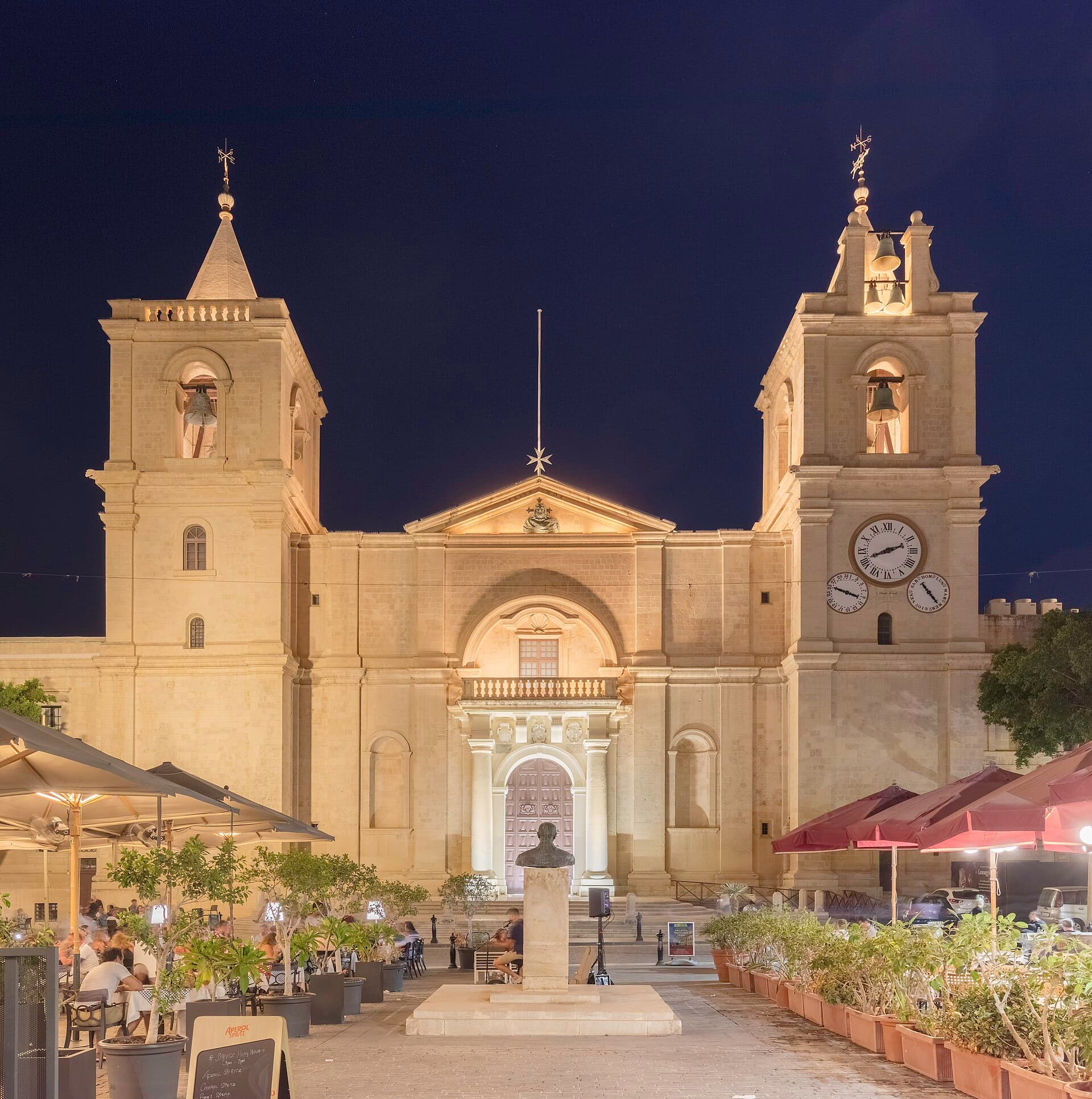 St John's Co-CathedralA facade as severe as a fort and an interior that stuns whoever enters: the cath3 minutes walk4.9
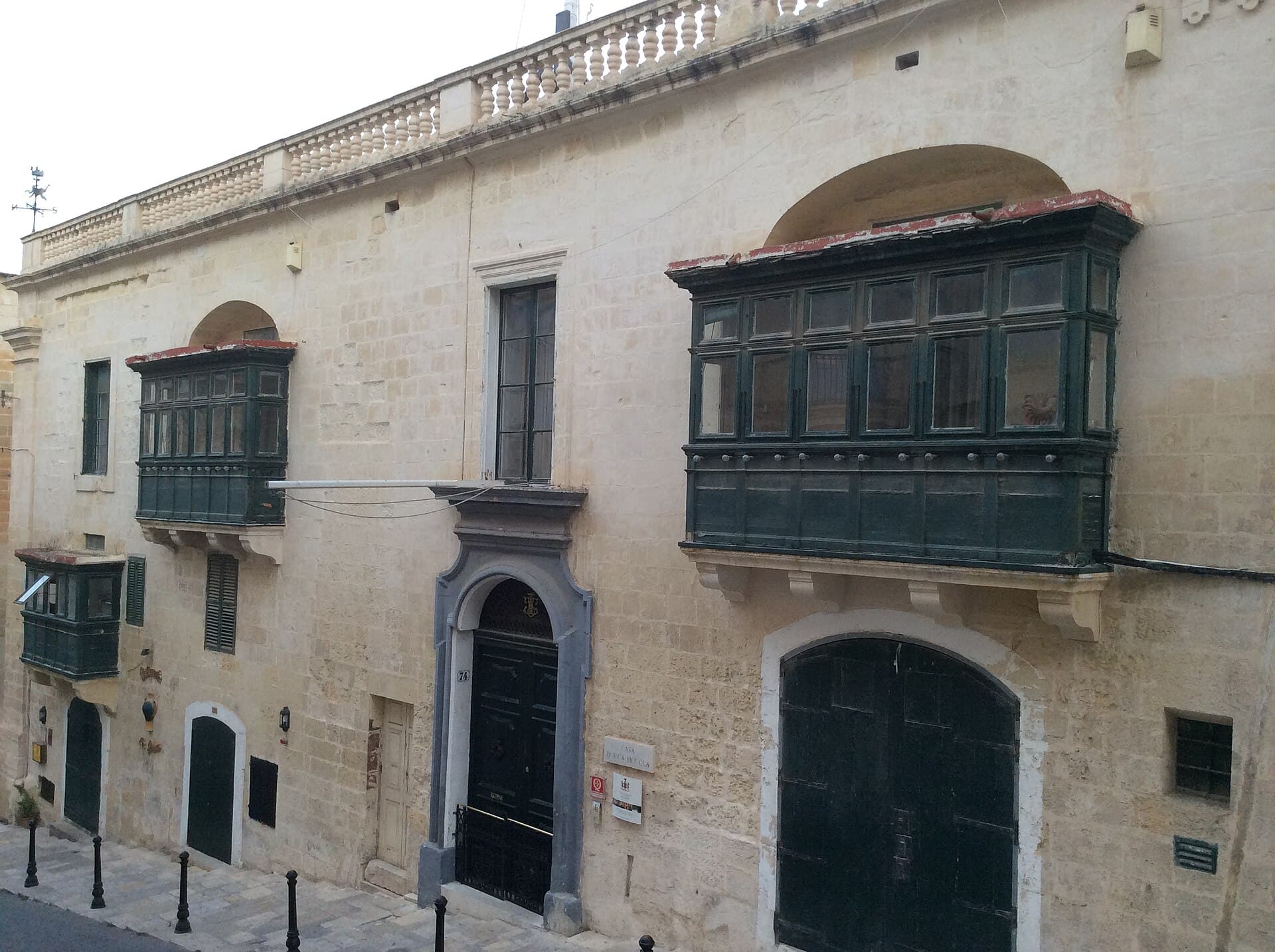 Casa Rocca PiccolaA Maltese noble house still lived in: Casa Rocca Piccola was built in 1580 for a3 minutes walk4.7
The theatre's site sells online in English; the programme mixes classical music, theatre and concerts, and the Baroque Festival in January is its season's peak.