
A free roof garden
Public space with a harbour view, rare in a wholly built-up city.
EnriqueTabone — CC BY-SA 4.0 · EnriqueTabone — CC BY-SA 4.0 · EnriqueTabone — CC BY-SA 4.0 · EnriqueTabone — CC BY-SA 4.0
A centre for design and craft in the old municipal abattoir building in the lower district of Valletta, opened in the early 2020s after an extensive restoration. The building is half the story. Il-Biċċerija was the city's slaughterhouse in the nineteenth century, then stood abandoned and decaying for decades in what was the poorest quarter of the capital. Turning it into a public space was part of a wider effort to revive the lower reaches of Valletta, which the tourist attention concentrated in the upper streets had passed by. The cluster holds workshops and shared working space for designers and makers, a community kitchen, and a roof garden open to everyone with a view over the harbour. The roof garden is what matters most to a visitor: a free public space with a view, which is rare in a city that is built up in its entirety. Practical points: entry to the public areas and the roof garden is free. The workshops are private working spaces for their residents, not exhibitions. Hours may be limited — check before going.
Public space with a harbour view, rare in a wholly built-up city.
Lower Valletta was the poorest, and the project is part of reviving it.
The workshops hold working designers — do not expect displays.
The old abattoir, lower Valletta
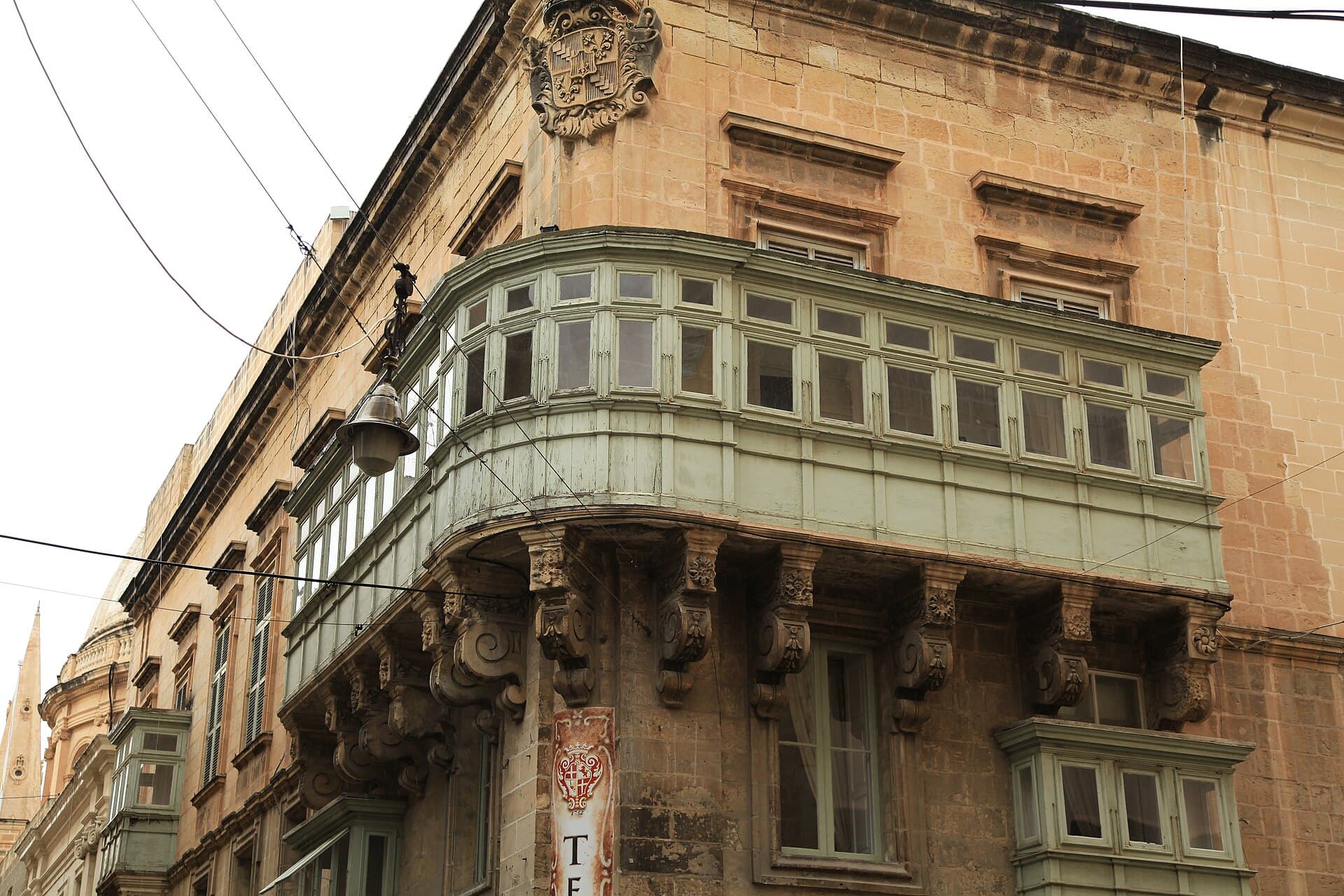 Teatru ManoelAmong Europe's oldest working theatres: Grand Master António Manoel de Vilhena b2 minutes walk4.7
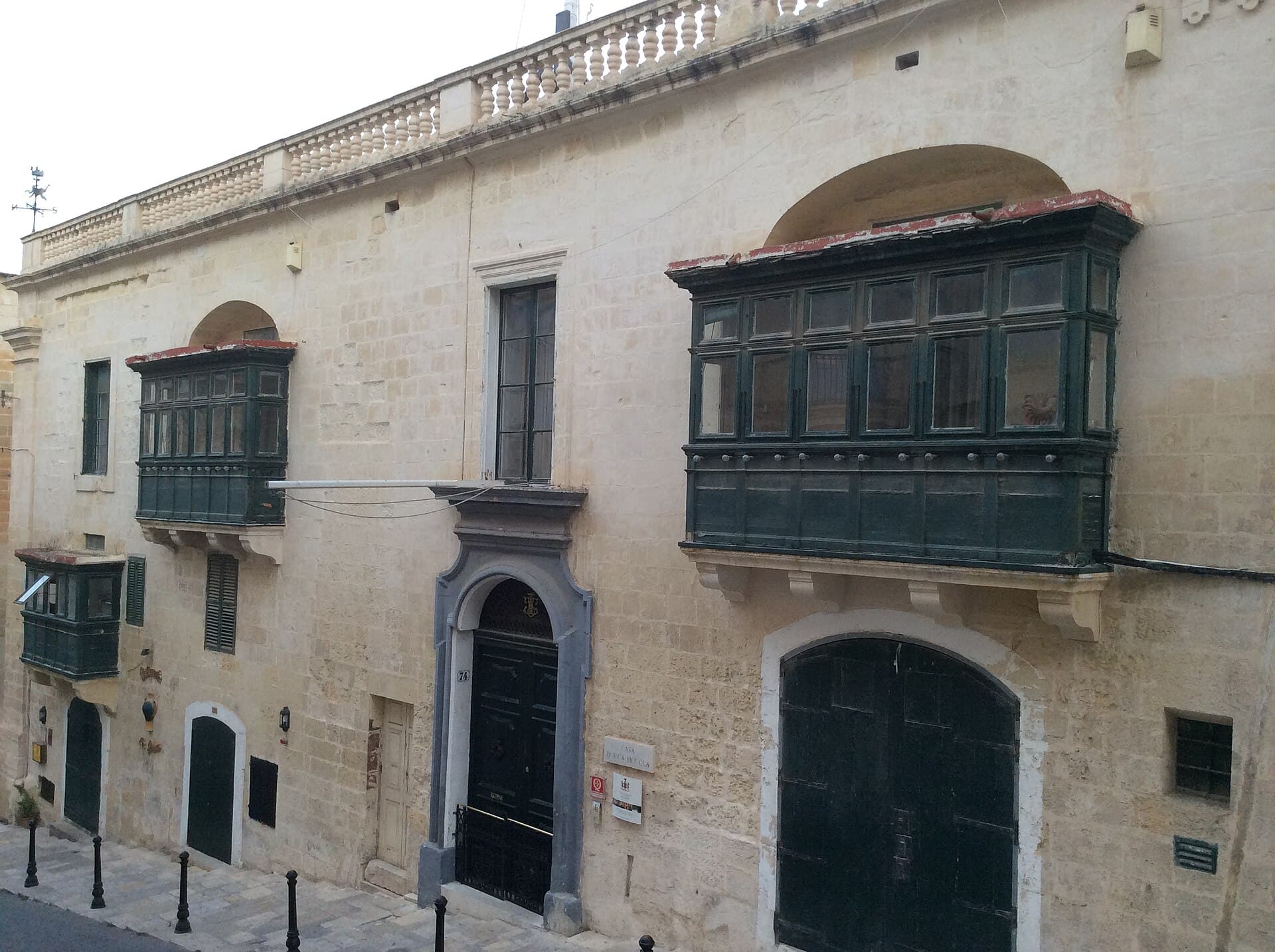 Casa Rocca PiccolaA Maltese noble house still lived in: Casa Rocca Piccola was built in 1580 for a2 minutes walk4.7
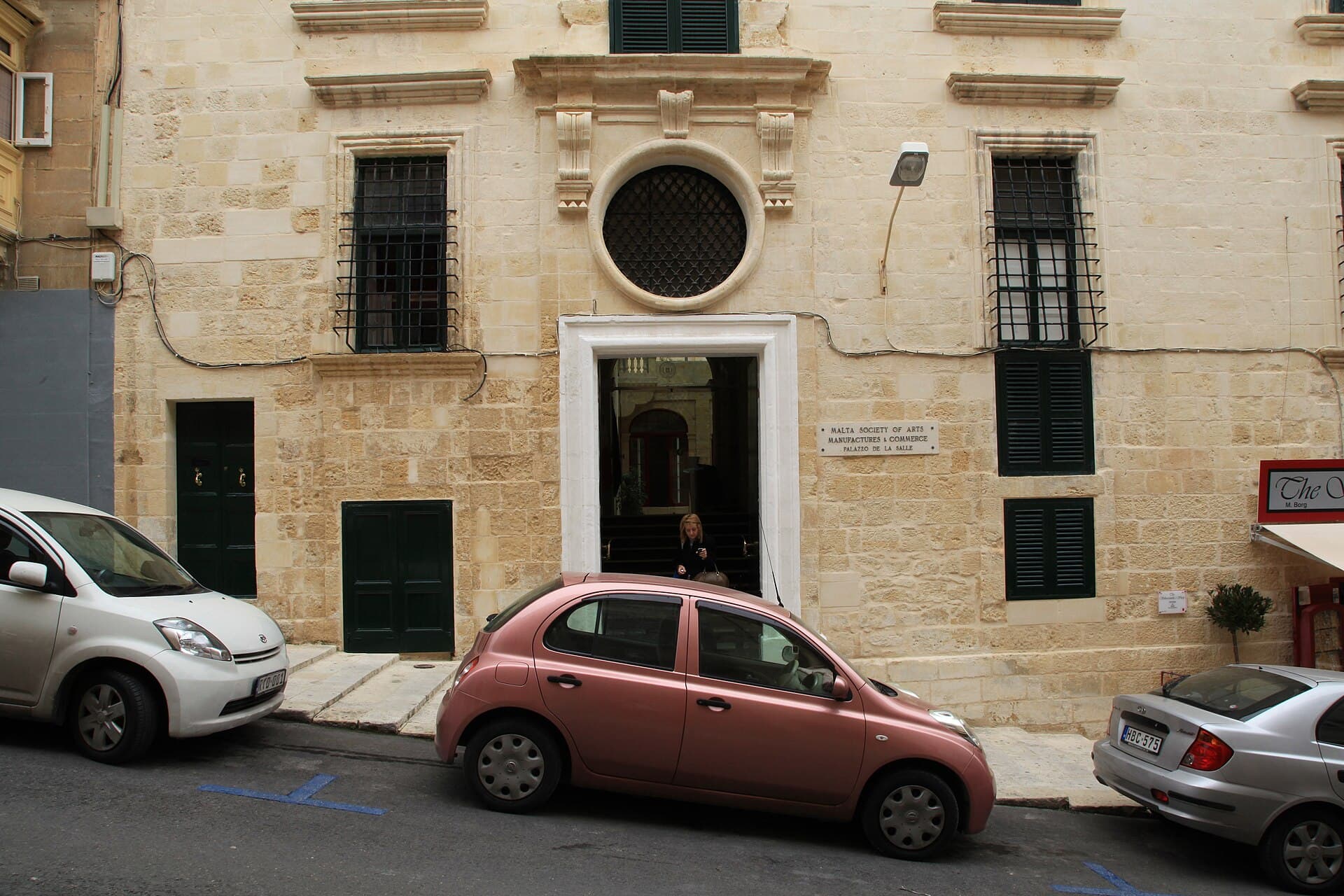 Palazzo de La SalleA palace from the era of the Knights of St John on Republic Street, Valletta's m2 minutes walk4.6
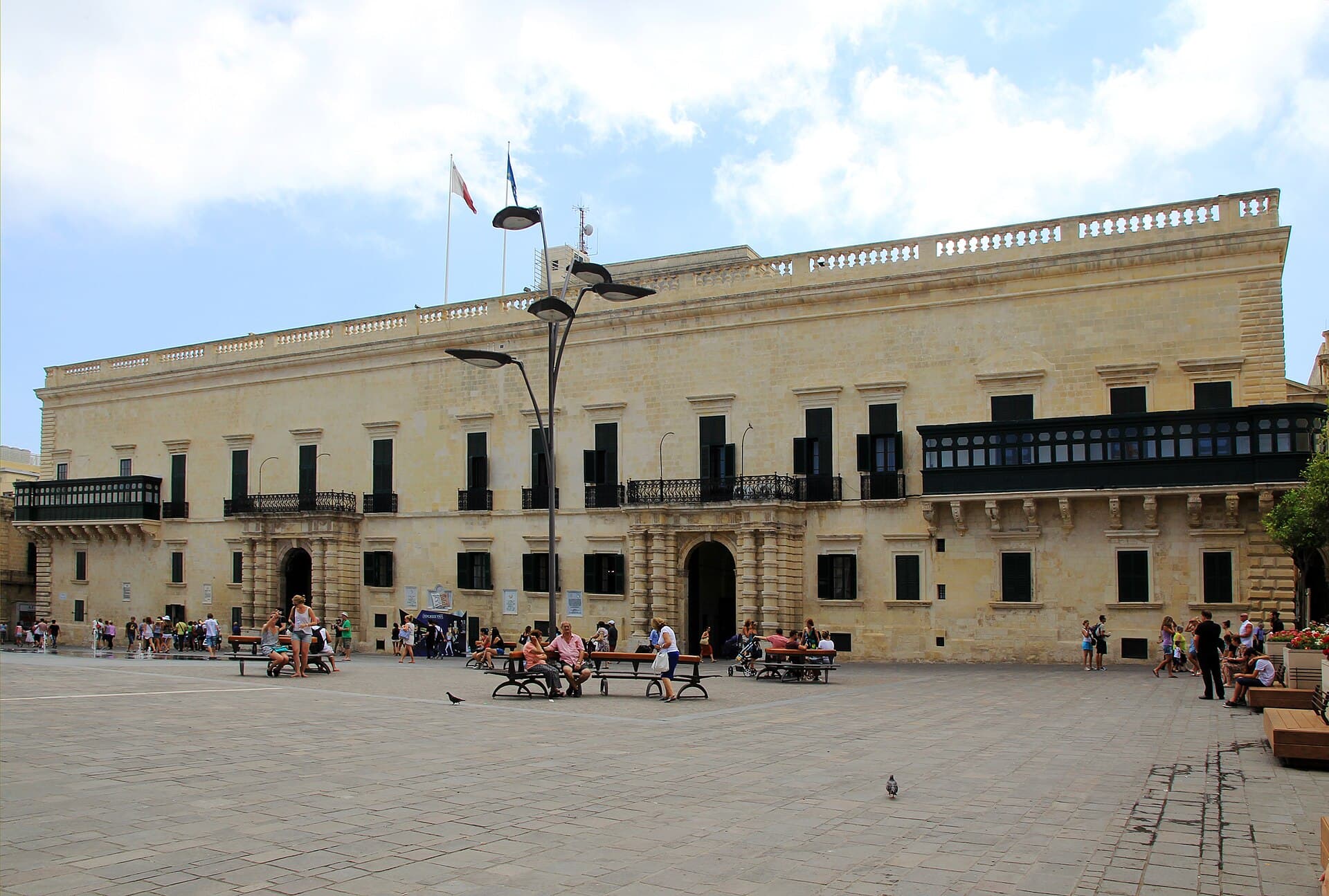 The Grandmaster's PalaceMalta's seat of government without a break since 1571: the Knights built it for 3 minutes walk4.4
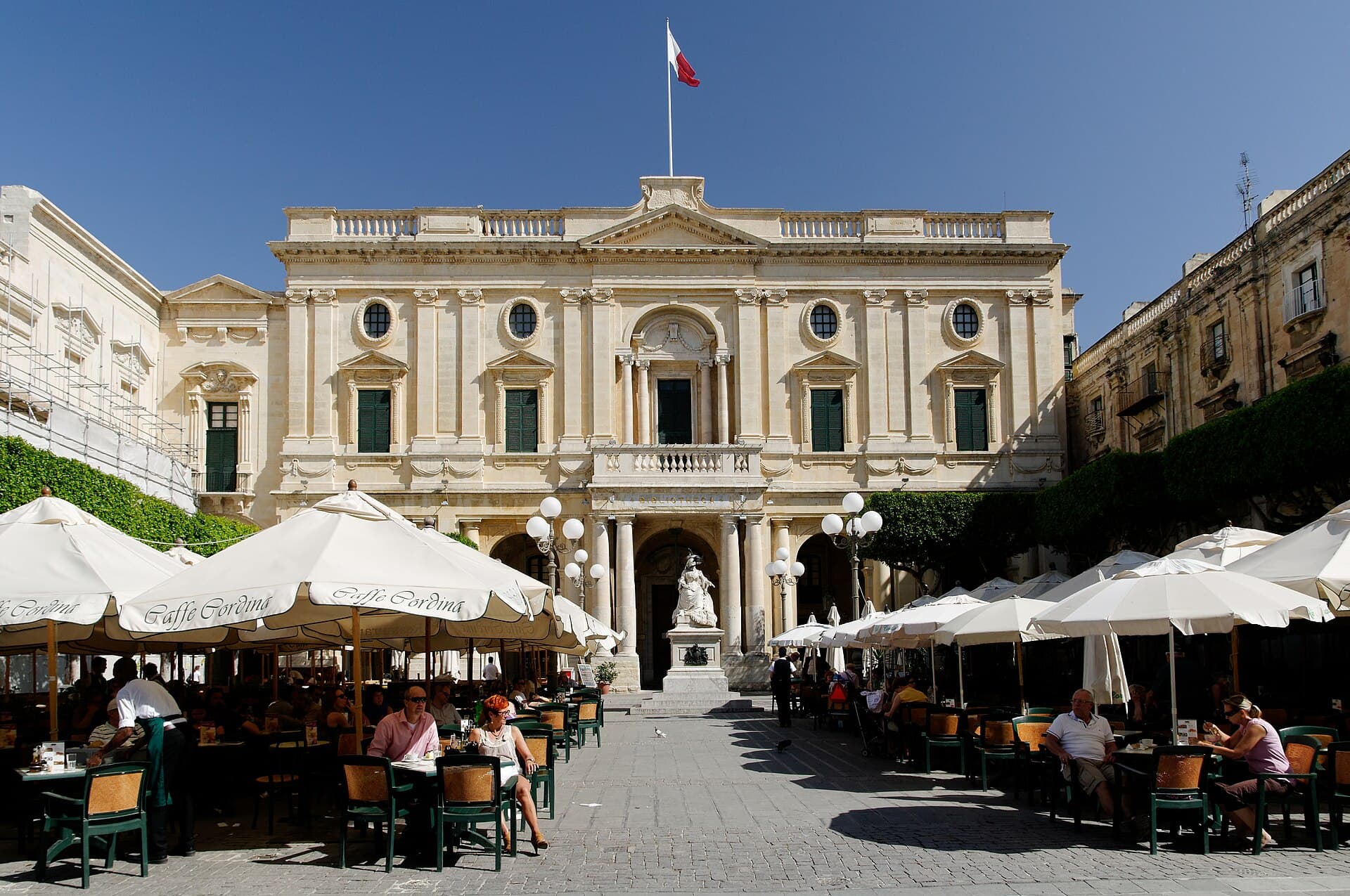 The National LibraryThe last building the Knights raised in Valletta: the Bibliotheca was built betw4 minutes walk4.7
The restored building, its courtyards and the roof garden with its view. Sometimes exhibitions, events or a design market depending on the programme. But the workshops themselves are private working spaces, so do not enter expecting displays. Go for the building, the roof and the district around it.
Yes, and the walk is part of the reason. The streets drop steeply towards the harbour and change character: less crowded, more residential and more honest than the main street. Combine it with Fort St Elmo and the harbour front in one route.