Square altar
Symbol of the earth.
rheins — CC BY 3.0 · David290 — CC BY-SA 4.0 · Potatohai — CC BY-SA 4.0 · N509FZ — CC BY-SA 4.0 · David290 — CC BY-SA 4.0 · storyvillegirl — CC BY-SA 2.0 · David290 — CC BY-SA 4.0 · 夢蝶葬花 — CC BY-SA 4.0
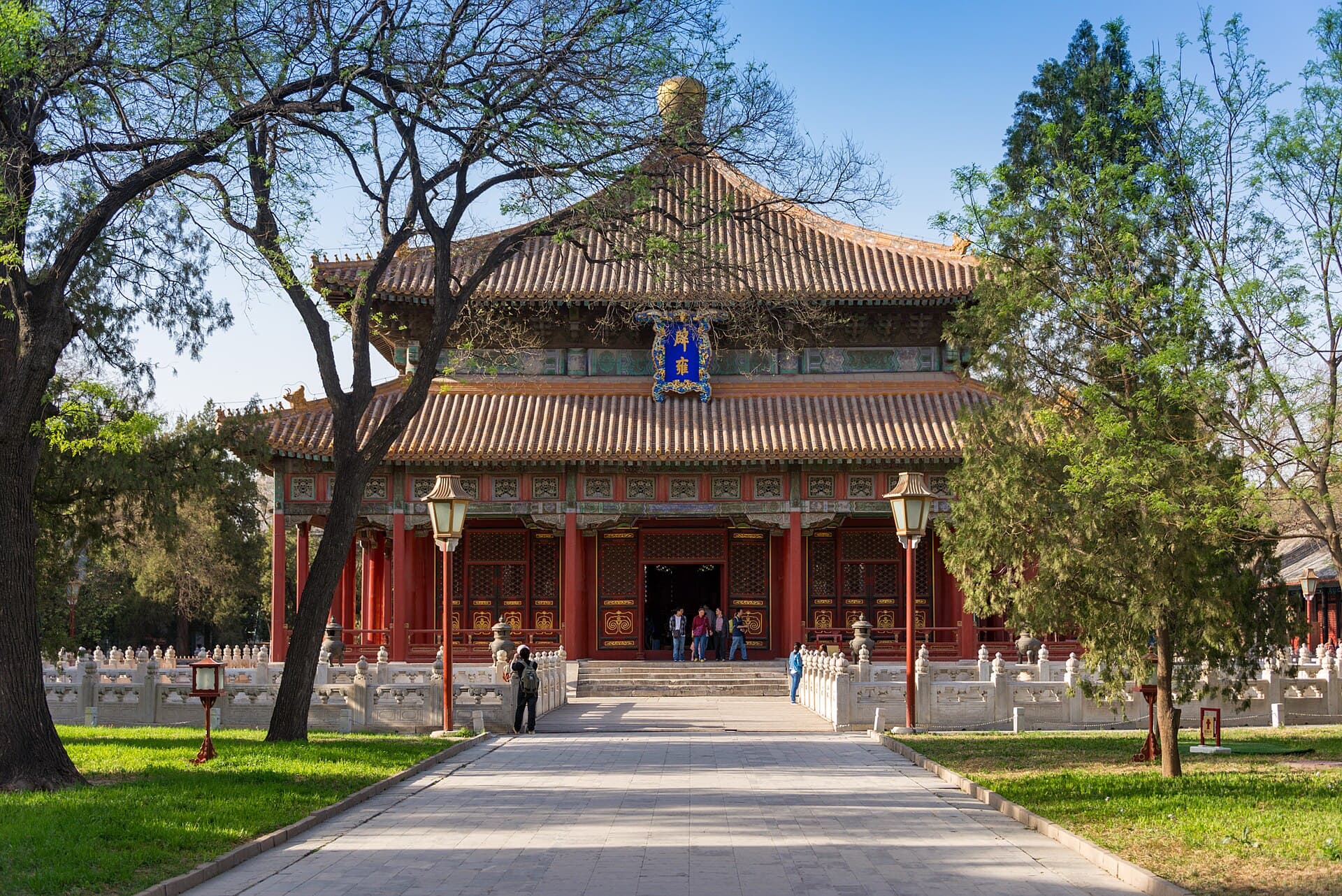
One of Beijing's five imperial altars, built in 1530 by the Jiajing Emperor of the Ming, where Ming and Qing emperors made offerings to the Earth at the summer solstice. It is the second largest of them after the Temple of Heaven, which faces it from the south of the old city, covering about 43 hectares. Its main altar is square, unlike the round altar at the Temple of Heaven, reflecting the old Chinese idea that heaven is round and the earth square. Red walls, gates and old cypresses surround it, and avenues of ginkgo trees turn the park gold in late autumn. The park ticket costs just CNY 2, open from 6 am to 9.30 pm in summer and to 8.30 pm in winter, with the Huangqi hall inside at CNY 5, per visitor guides. It lies a short walk north of the Yonghe Temple, by the metro station of the same name.
Symbol of the earth.
Gold in autumn.
Old cypresses.
Andingmenwai Street, Dongcheng District, Beijing
Emperors made offerings to the Earth here at the summer solstice and to Heaven at the Temple of Heaven at the winter solstice, so the earth altar is square and the heaven altar round; tickets here cost just CNY 2, per visitor guides.