The full story
From building to after the war.
Arthur Taksin — CC BY 4.0 · Arthur Taksin — CC BY 4.0 · Arthur Taksin — CC BY 4.0 · Arthur Taksin — CC BY 4.0
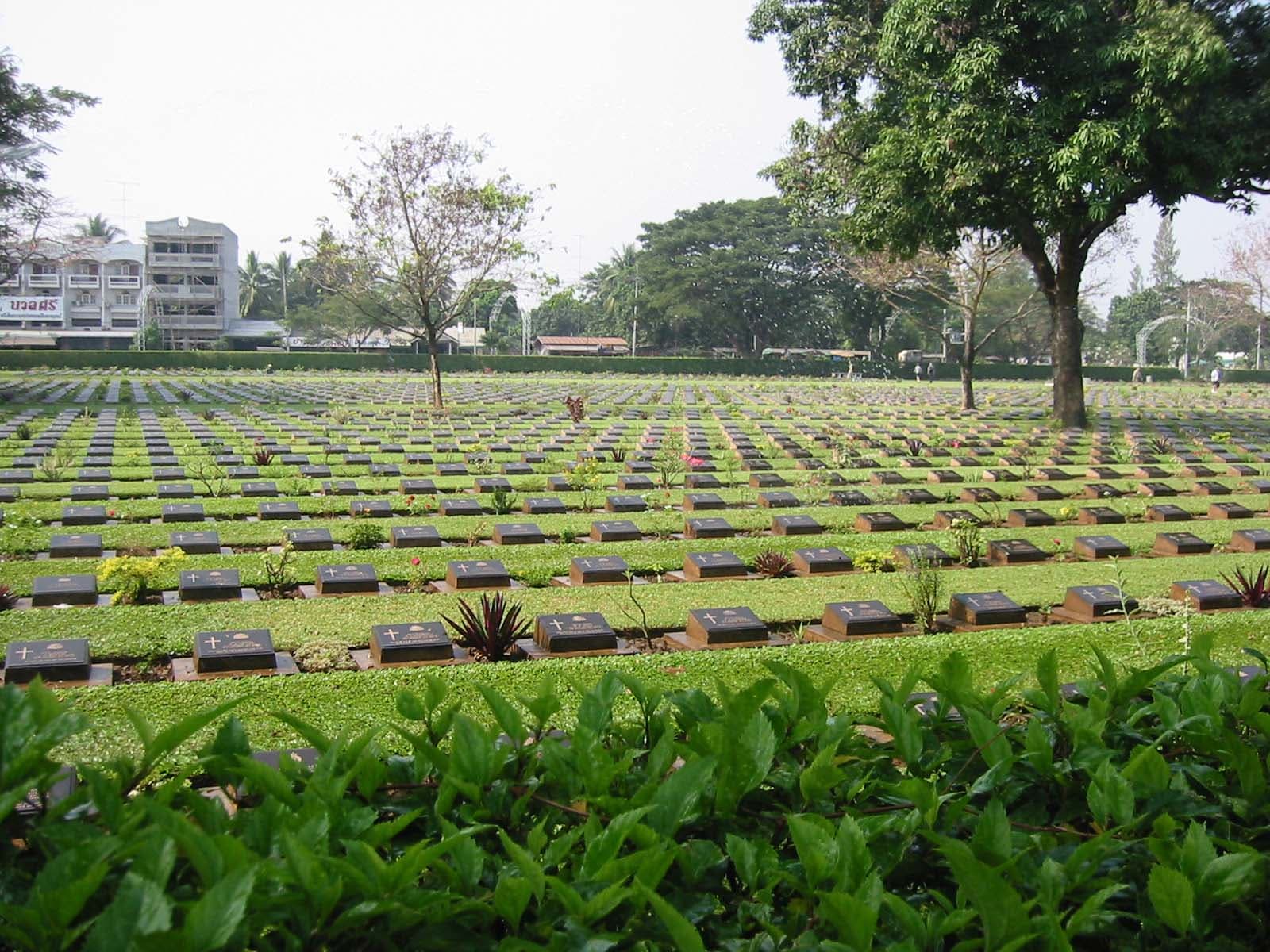
The best museum for understanding the Death Railway, founded in 2003 by an Australian researcher who devoted years to studying the line, its route and its victims' graves. Between 1942 and 1943 the Japanese army forced some sixty thousand Allied prisoners of war and hundreds of thousands of Asian labourers to build a railway about 415 kilometres long between Thailand and Burma; tens of thousands died of starvation, disease and exhaustion, and it became known as the «Death Railway». The museum takes visitors on an orderly journey through several galleries: why the railway was built, how prisoners and labourers lived in the camps, the primitive building tools, disease and hunger, then the railway's fate after the war. It relies on maps, models, photographs and personal testimony, and upstairs a cafe overlooks the war cemetery. Adults pay about one hundred and sixty baht, and it opens daily from nine in the morning until four in the afternoon. The English explanations are clear and detailed. Start your Kanchanaburi visit here: it gives the bridge, the cemetery and Hellfire Pass far more meaning. One to two hours is enough, and it suits teenagers and adults.
From building to after the war.
The route and the camps.
Voices of prisoners and labourers.
Jaokannun Road, opposite the war cemetery, central Kanchanaburi
Yes, and better still before the bridge: without its story the bridge is just an iron bridge, and the museum tells what happened there.