
A building designed around a statue
Its size and proportions were dictated by the work it was meant to hold.
C.Stadler/Bwag — CC BY-SA 4.0 · Hubertl — CC BY-SA 4.0 · Hubertl — CC BY-SA 4.0
A miniature Greek temple in the middle of Vienna's Volksgarten, built in the 1820s to a design by Peter von Nobile, a scaled-down copy of the Temple of Hephaestus in Athens. It was not built as decoration but to house a single work: a sculptural group of Theseus by the Italian sculptor Antonio Canova, commissioned by Napoleon and later passing to Austria. The building was designed around a statue, which explains its size and proportions. The statue was later moved to the staircase of the Kunsthistorisches Museum, where it stands today, leaving the temple empty. Vienna's solution is a clever one: the museum now shows a single contemporary work here each summer, returning the building to its original function — a house for one object — with different content every year. Practical points: the garden and the temple's exterior are free and always open. Entry to the interior opens only in summer during the exhibition, on a ticket or within the Kunsthistorisches Museum ticket. Out of season you see the outside only, which is worth the minutes regardless.
Its size and proportions were dictated by the work it was meant to hold.
The Kunsthistorisches Museum shows a single contemporary work here each year.
Scaled down from the Temple of Hephaestus, in the middle of a Viennese garden.
Volksgarten, Vienna
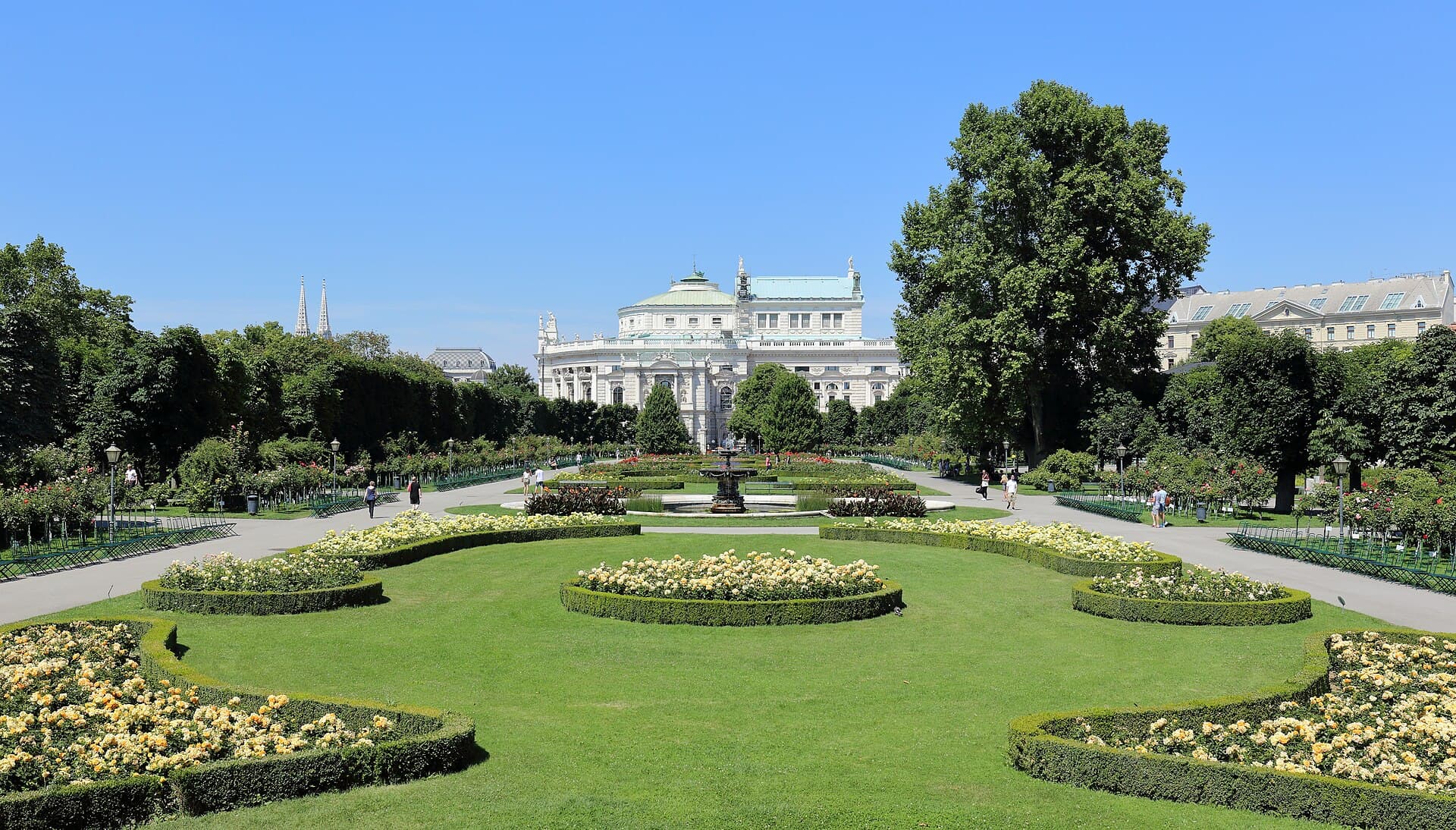 VolksgartenA public garden in the middle of Vienna between the Hofburg palace and the Rings1 minute walk4.7
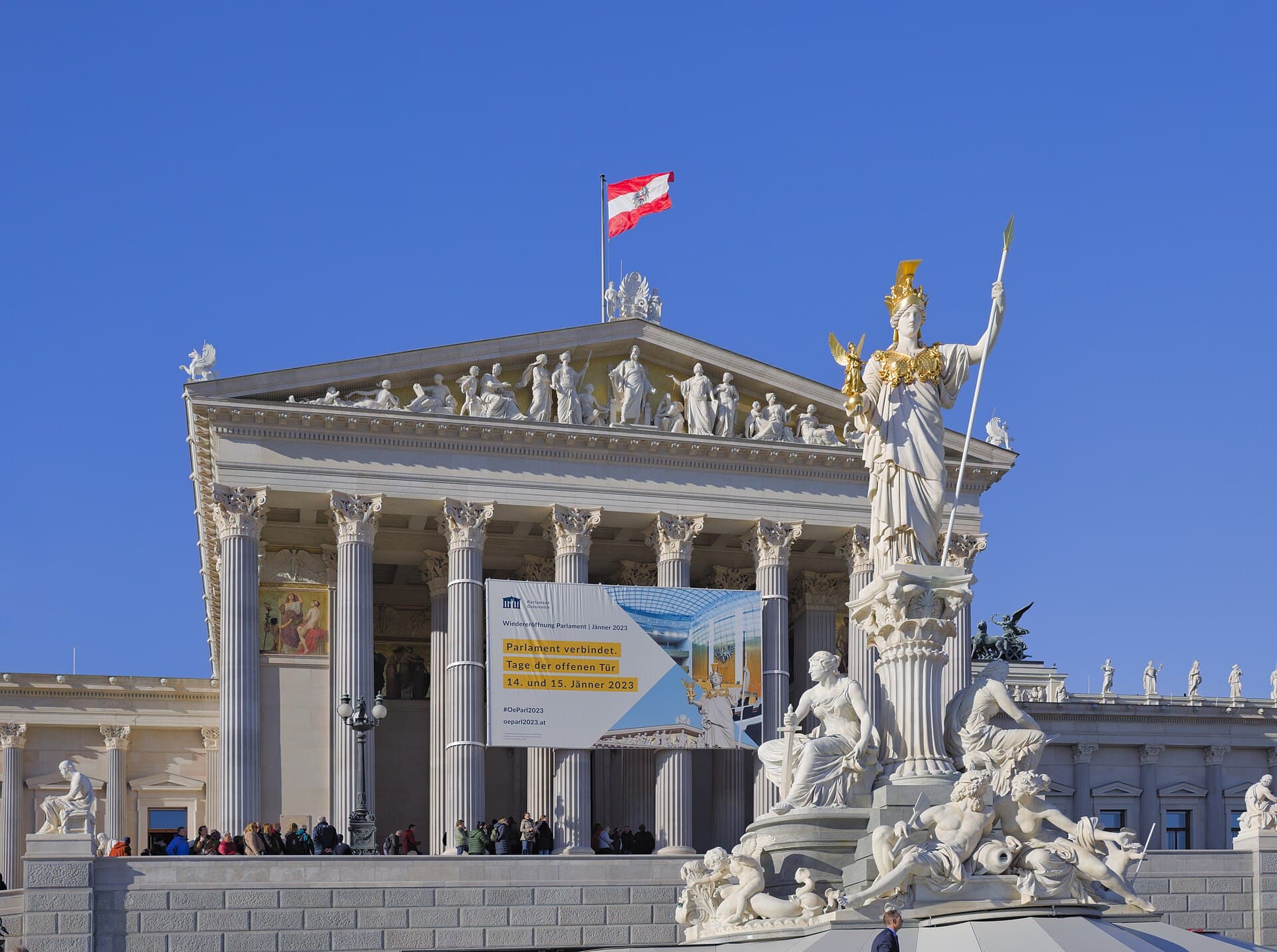 Austrian Parliament BuildingThe only building on the Ring raised in pure Greek classicism: marble columns, a3 minutes walk4.6
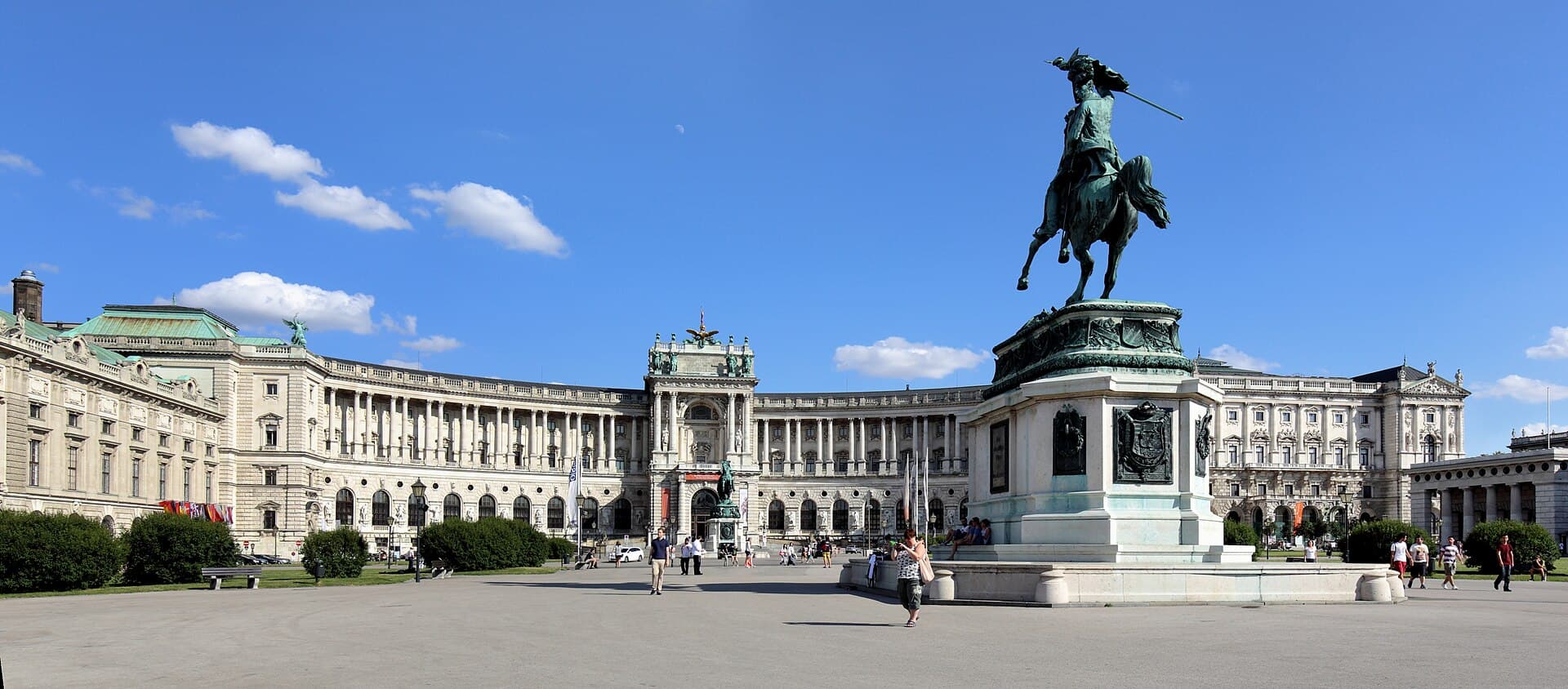 HeldenplatzThe vast open square before the Hofburg, and historically the heaviest public sp4 minutes walk4.8
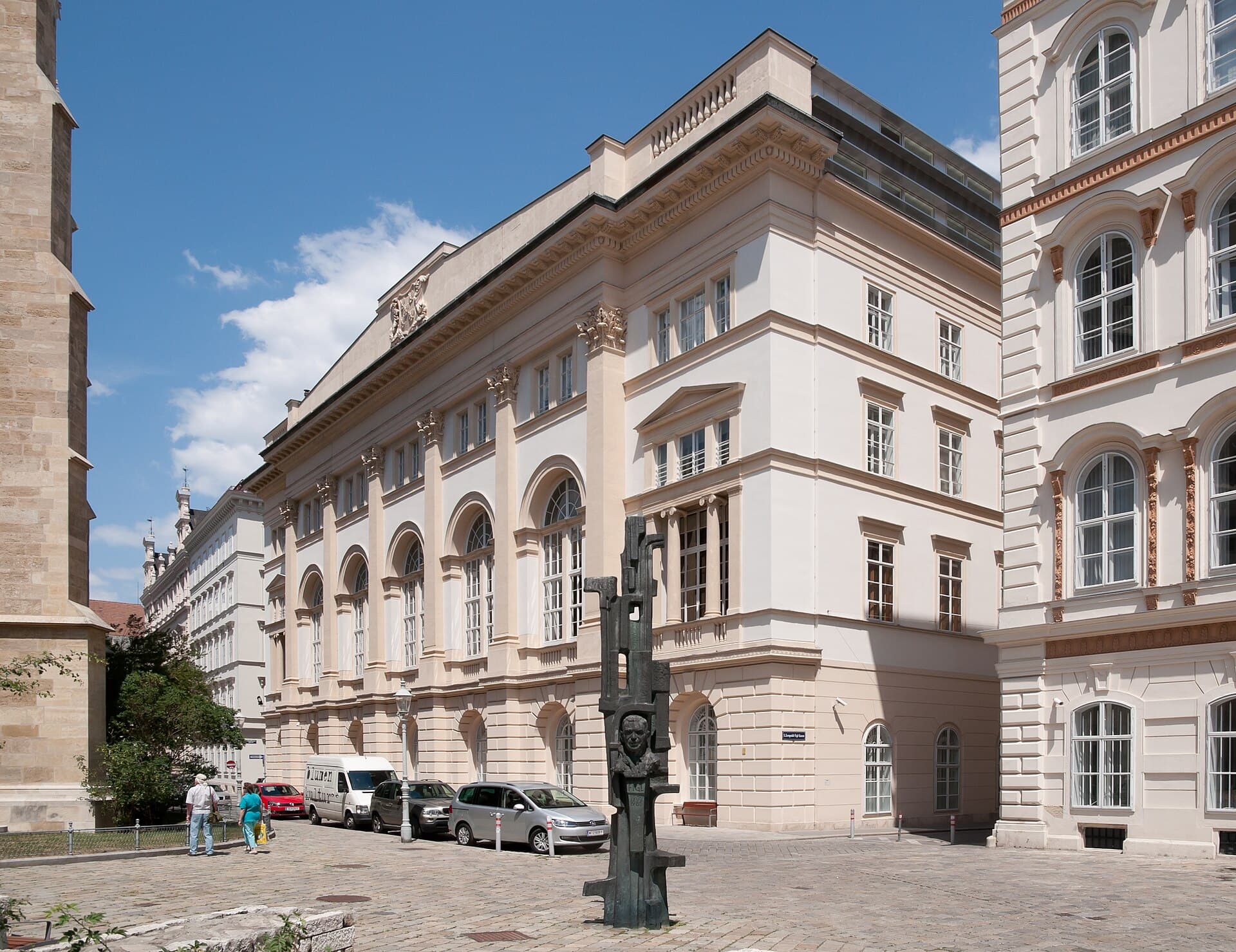 Palais NiederösterreichA historic palace on Herrengasse in central Vienna, for centuries the seat of th4 minutes walk4.8
 Sisi MuseumA museum about Elisabeth, empress of Austria, known as Sisi — built deliberately4 minutes walk4.3
In summer only, during the annual exhibition run by the Kunsthistorisches Museum, on a ticket or within the museum's own. The rest of the year it is closed and seen from outside. Check the museum's site to see whether the show is on when you visit.
The Volksgarten itself, then Heldenplatz and the Hofburg minutes away, and the Kunsthistorisches Museum where Canova's original stands on the staircase. Seeing the temple and then the statue in its present home completes the story.