
Thousands of roses
Hundreds of varieties in formal beds — in May and June worth changing your route for.
C.Stadler/Bwag — CC BY-SA 4.0 · Hubertl — CC BY-SA 4.0 · Hubertl — CC BY-SA 4.0 · Jules Verne Times Two — CC BY-SA 4.0
A public garden in the middle of Vienna between the Hofburg palace and the Ringstrasse, laid out in the early nineteenth century on ground that had been fortifications demolished by Napoleon. The name means people's garden, and it is historically accurate: it was the first imperial garden in Vienna opened to the public, at a time when royal gardens were closed to all but the court. What distinguishes it today is the rose garden: thousands of bushes across hundreds of varieties set in formal beds, at their peak between May and June when the scent is strong and the garden is at its best. In those particular weeks it is worth changing your route for. The garden also holds the Theseus Temple, a neoclassical copy of a Greek temple built to display a sculpture, and a memorial to the Empress Elisabeth, known as Sisi. The location is ideal: between the Hofburg and the fine art and natural history museums, making it the natural break in a day of museums.
Hundreds of varieties in formal beds — in May and June worth changing your route for.
A neoclassical copy of a Greek temple, built to display a sculpture.
Between the Hofburg and the two great museums — the natural place to sit between them.
Between the Hofburg and the Ringstrasse, Vienna
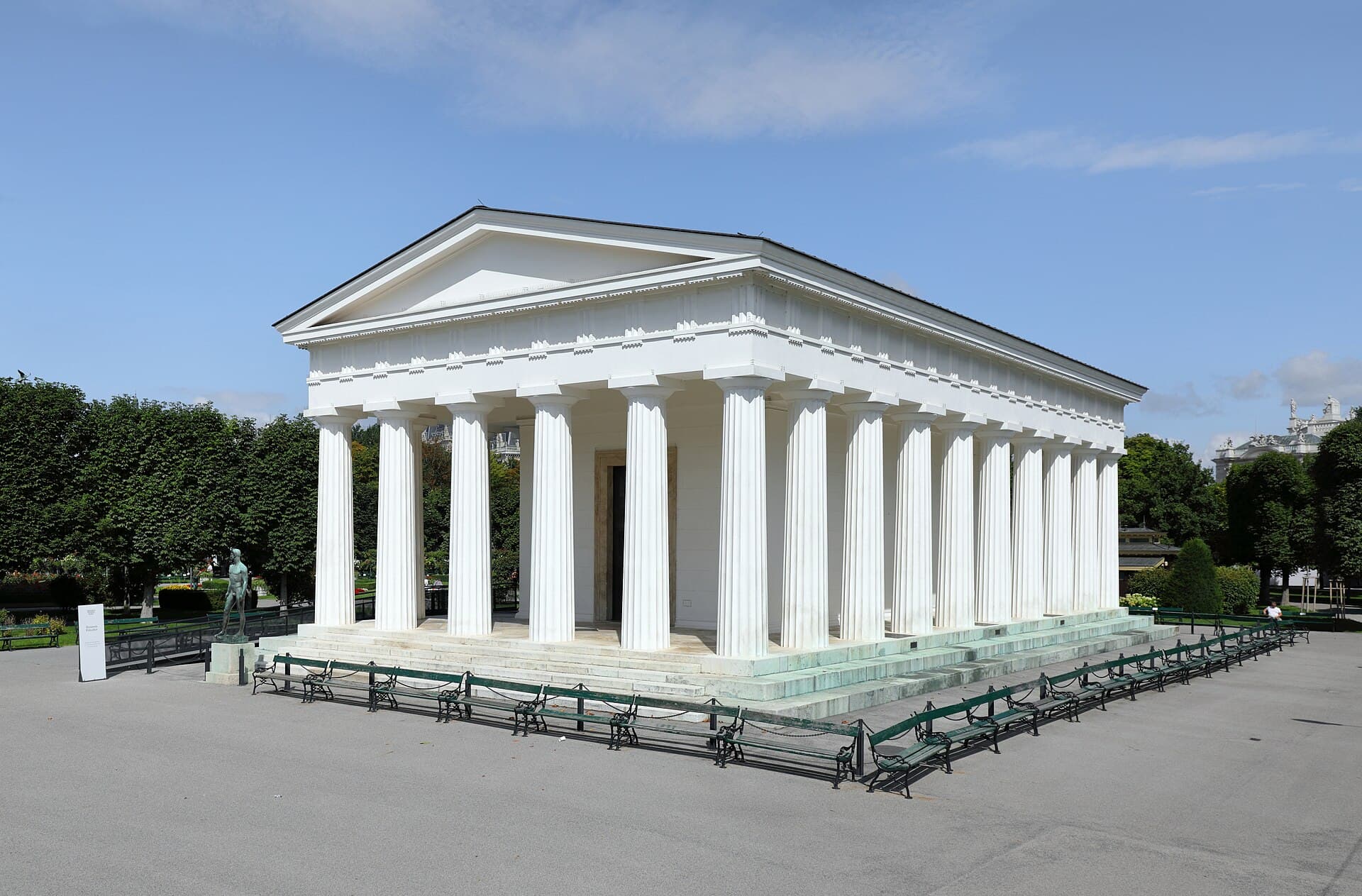 The Theseus TempleA miniature Greek temple in the middle of Vienna's Volksgarten, built in the 1821 minute walk4.5
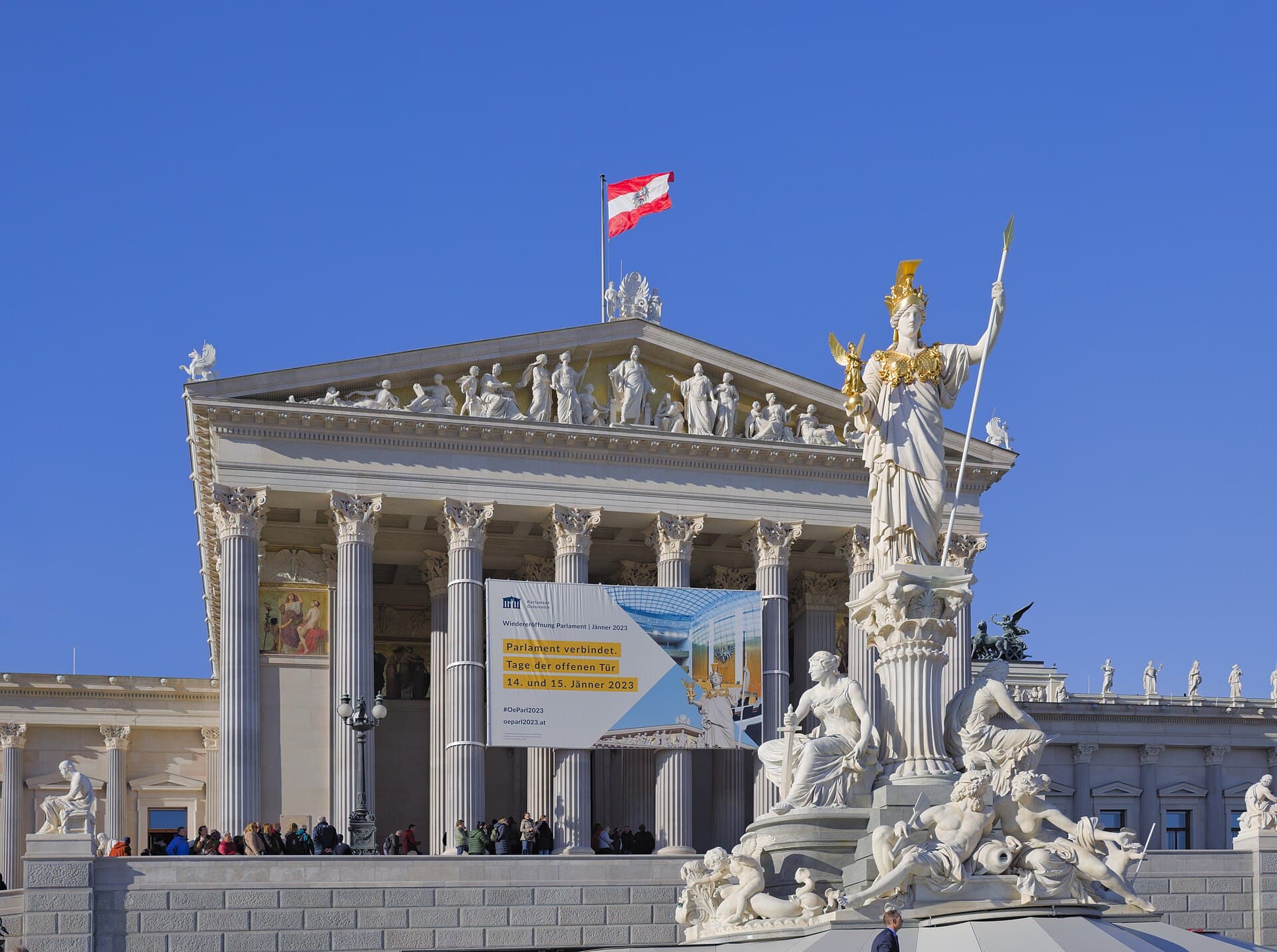 Austrian Parliament BuildingThe only building on the Ring raised in pure Greek classicism: marble columns, a3 minutes walk4.6
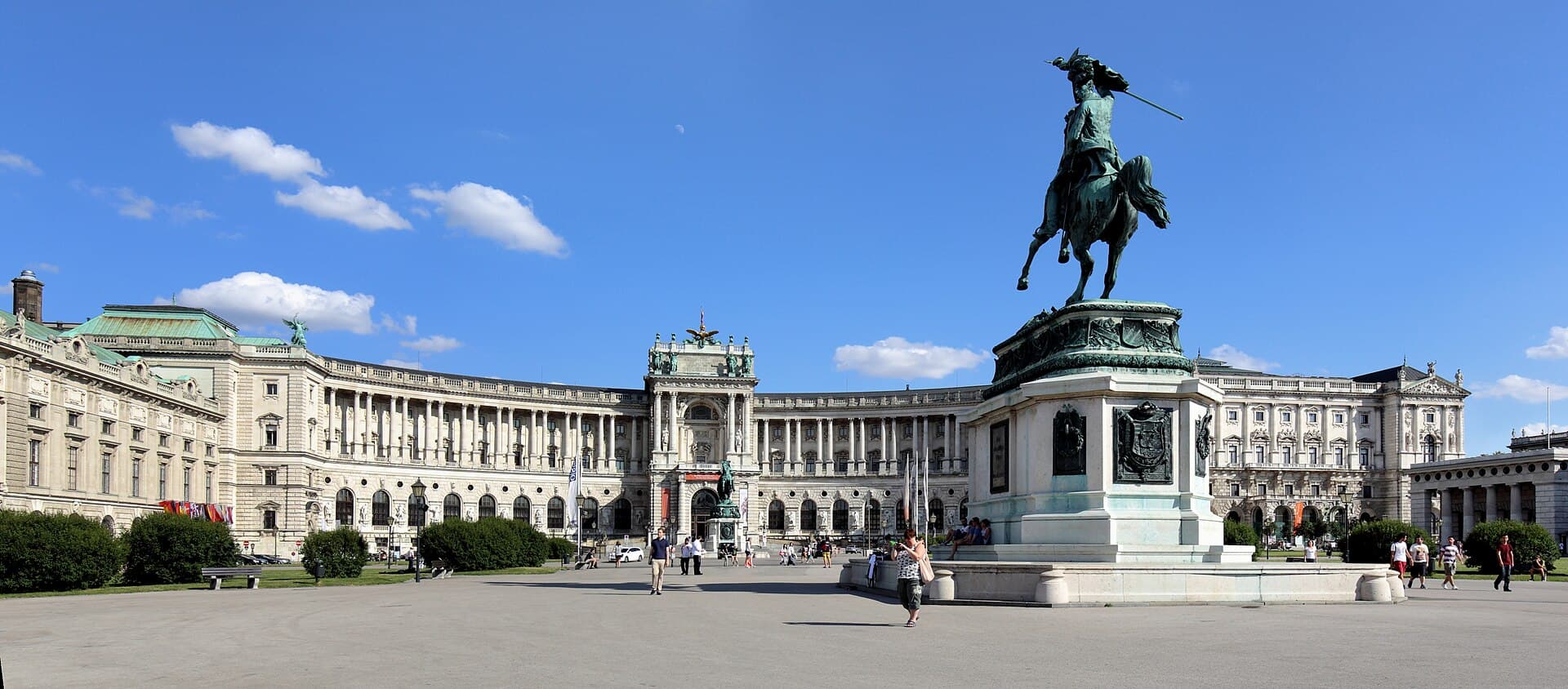 HeldenplatzThe vast open square before the Hofburg, and historically the heaviest public sp3 minutes walk4.8
 Sisi MuseumA museum about Elisabeth, empress of Austria, known as Sisi — built deliberately4 minutes walk4.3
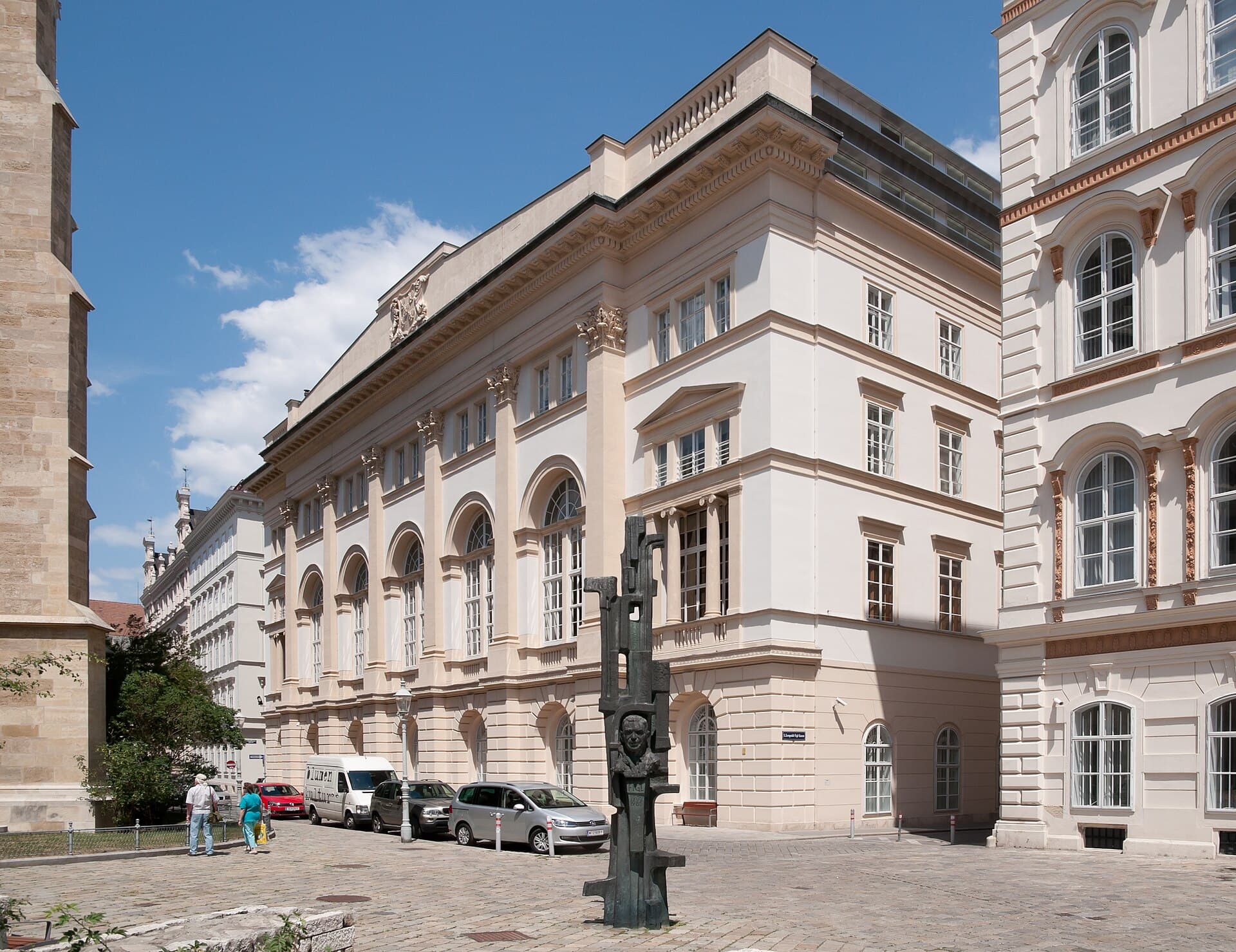 Palais NiederösterreichA historic palace on Herrengasse in central Vienna, for centuries the seat of th4 minutes walk4.8
Between May and June if you want the rose garden at its peak, which is the real difference between an ordinary visit and one worth planning. Outside that it remains an attractive and restful central garden, but not very different from Vienna's others.
It sits between the Hofburg, the Kunsthistorisches and the Natural History Museum, all on its edges. Make it the break between two museums instead of a café — free and better looking, and minutes from either.