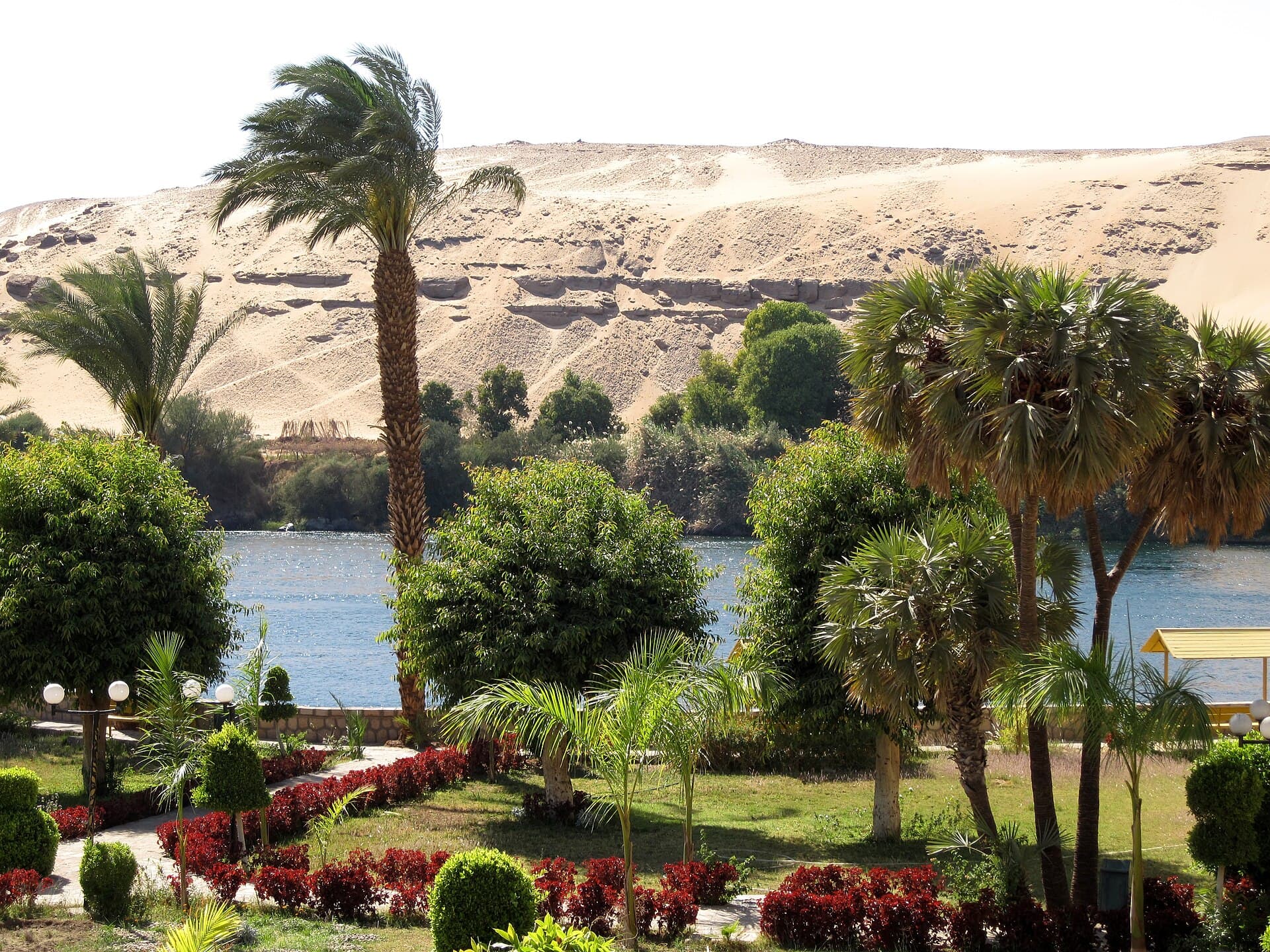
Nile view
All of Aswan from the terraces.
Chabe01 — CC BY-SA 4.0 · Olaf Tausch — CC BY 3.0 · Alchemica — CC BY-SA 3.0 · Olaf Tausch — CC BY 3.0 · Rémih — CC BY-SA 3.0
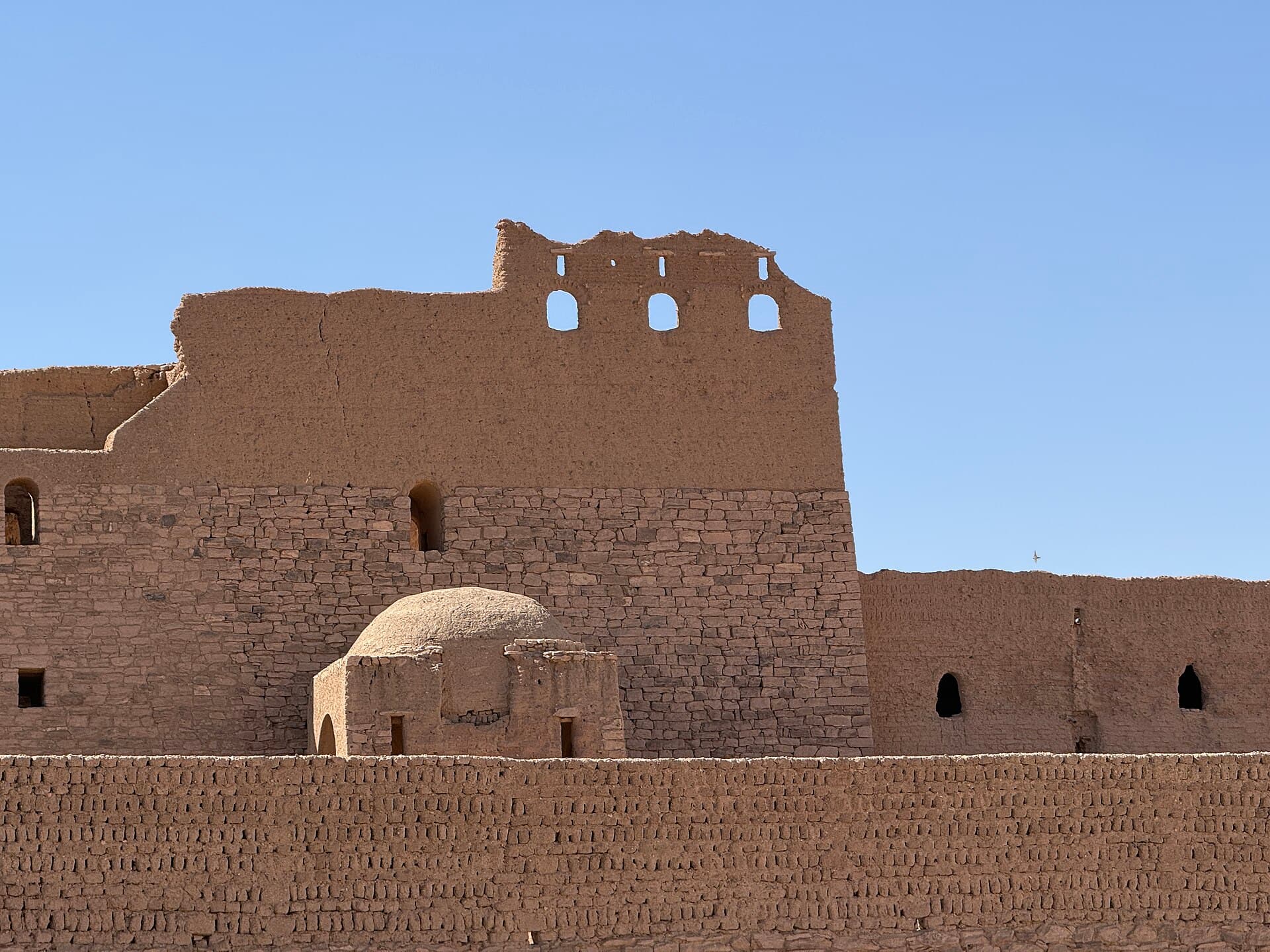
Tombs cut into a hill on the west bank of the Nile opposite Aswan, where the region's governors, senior officials and priests were buried from the Old and Middle Kingdoms more than four thousand years ago, in use until Roman times. The place is known as Qubbet el-Hawa, the Dome of the Wind, after the domed tomb of a sheikh on the summit. You climb a long staircase cut into the sand and rock to entrances on terraces above the Nile. Inside the finest tombs are carved and painted scenes and the life stories of their owners, some of whom led daring trading expeditions deep into Africa, as a famous inscription tells of a journey that brought back a dancing pygmy as a gift for the boy king. The finest thing here is the view from the terraces over the Nile, its islands, the white sailing boats and all of Aswan, especially near sunset. A foreign visitor's ticket costs about two hundred Egyptian pounds, and it opens from seven to four. Reach it by boat from the Corniche; the climb is tiring in the heat, so come early in the morning. It pairs with the Monastery of St Simeon in the nearby hills.
All of Aswan from the terraces.
Records of old expeditions.
In the governors' tombs.
The west bank of the Nile opposite Aswan, reached by boat
The staircase is long and exposed to the sun, fine for anyone able to manage a moderate climb; go early in the morning or before sunset.