
The spiral frieze
Two hundred metres of continuous carving with over two thousand figures — the key pictorial record of the Roman army.
Alvesgaspar — CC BY-SA 4.0 · Jebulon — CC0 · Stefano Lovato from Bologna, Italia — CC BY 2.0 · Stefano Lovato from Bologna, Italia — CC BY 2.0
A thirty-metre marble column raised in AD 113, wrapped in a carved frieze that would run two hundred metres if unrolled — a continuous illustrated account of Trajan's Dacian wars (modern Romania) with more than two thousand figures. That frieze is the single most important visual document of the Roman army in existence: from it historians know how armour and helmets looked, how bridges and camps were built, how soldiers marched. What survives of our picture of military Rome largely comes from this stone. Trajan's ashes were buried in its base — he was the only emperor allowed burial inside the sacred boundary of the city. A statue of St Peter has stood on top since 1587, placed by order of Pope Sixtus V in place of the lost original of Trajan. It is viewed free from the pavement and the Via dei Fori Imperiali railing at any hour, and cannot be climbed. Bring a zoom lens if you want to read the upper scenes.
Two hundred metres of continuous carving with over two thousand figures — the key pictorial record of the Roman army.
Trajan's ashes were interred in the pedestal — the sole exception to the ban on burial inside the city.
Trajan's Forum, Via dei Fori Imperiali, Rome
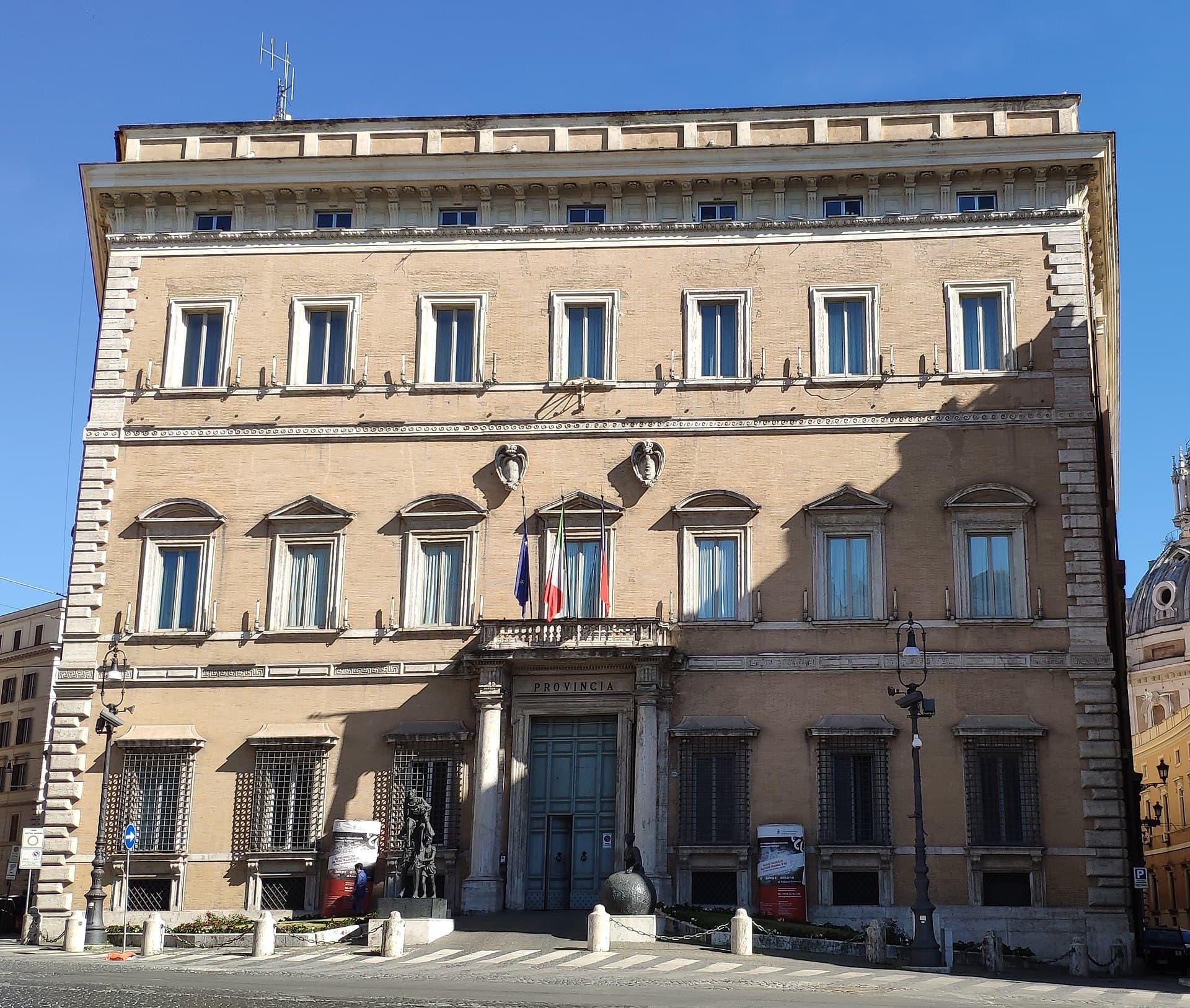 The Roman Domus of Palazzo ValentiniBeneath Rome's provincial palace, steps from the Vittoriano, sleep two Roman vil1 minute walk4.6
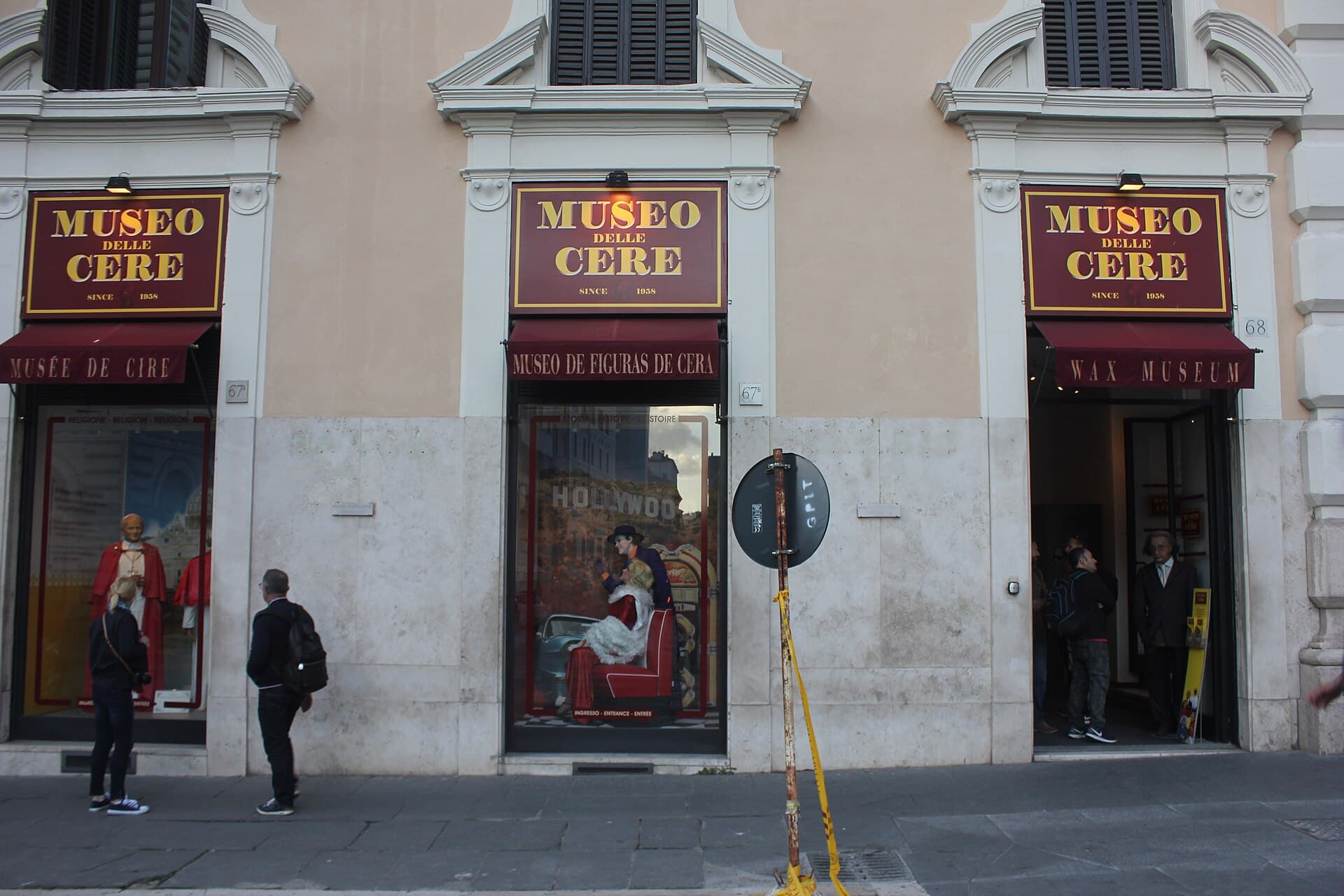 Museo delle CereA wax museum in central Rome at Piazza Venezia, opened in 1958 and among the old2 minutes walk3.5
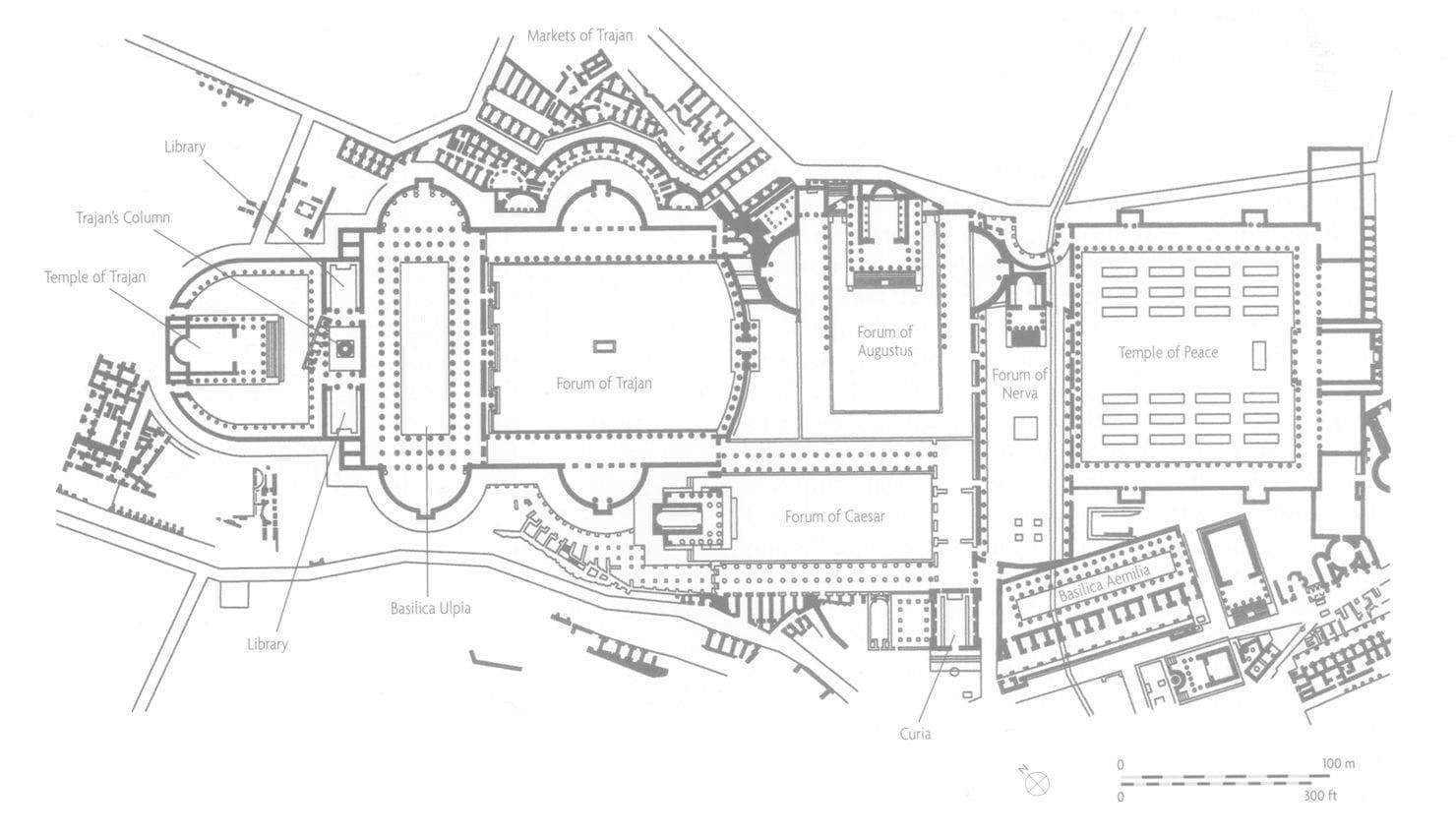 Trajan's ForumThe last, largest and most ambitious of the imperial fora: opened in AD 112 to a2 minutes walk4.6
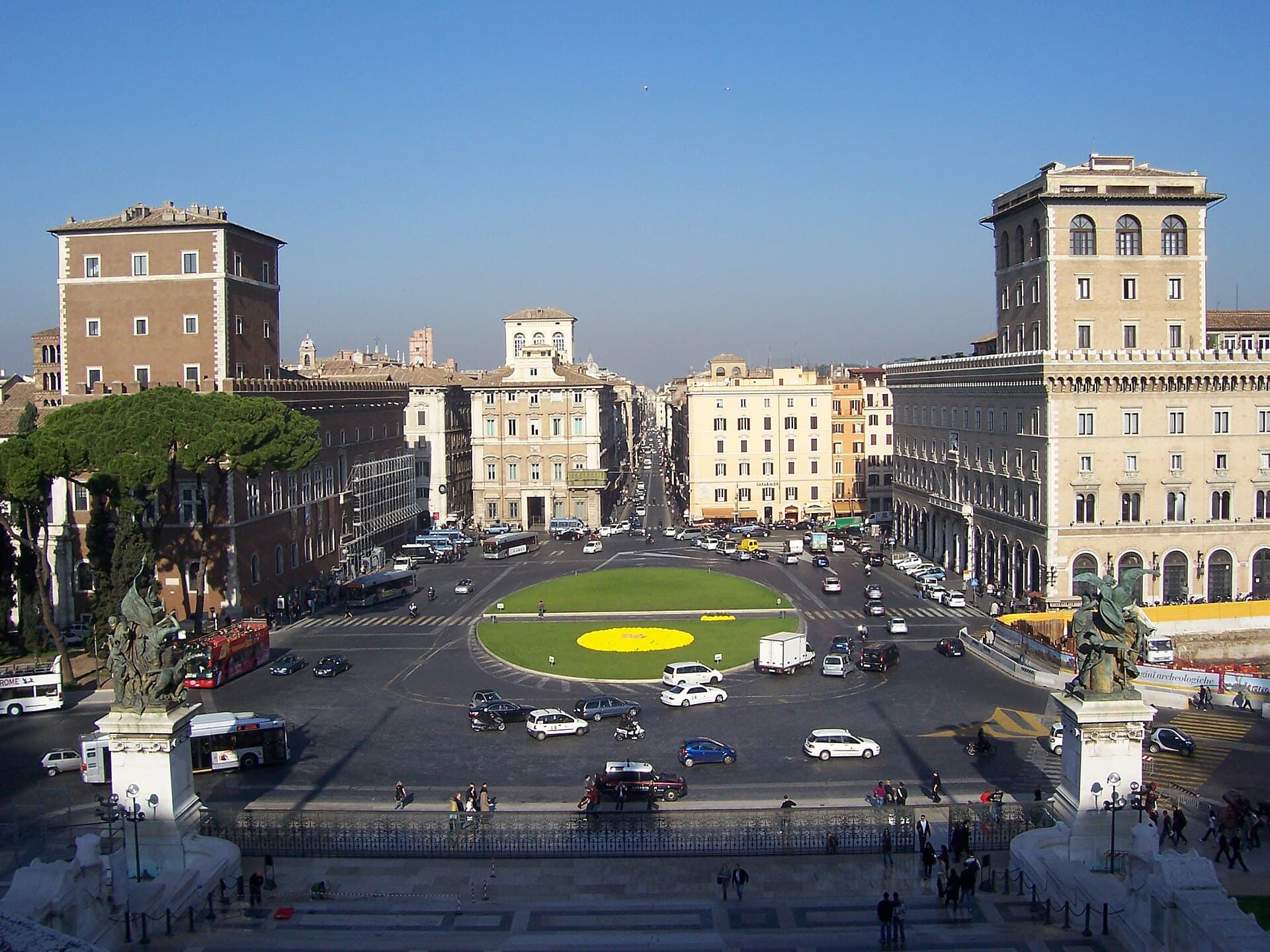 Piazza VeneziaRome's largest junction and the knot where every central road meets: Via dei For2 minutes walk
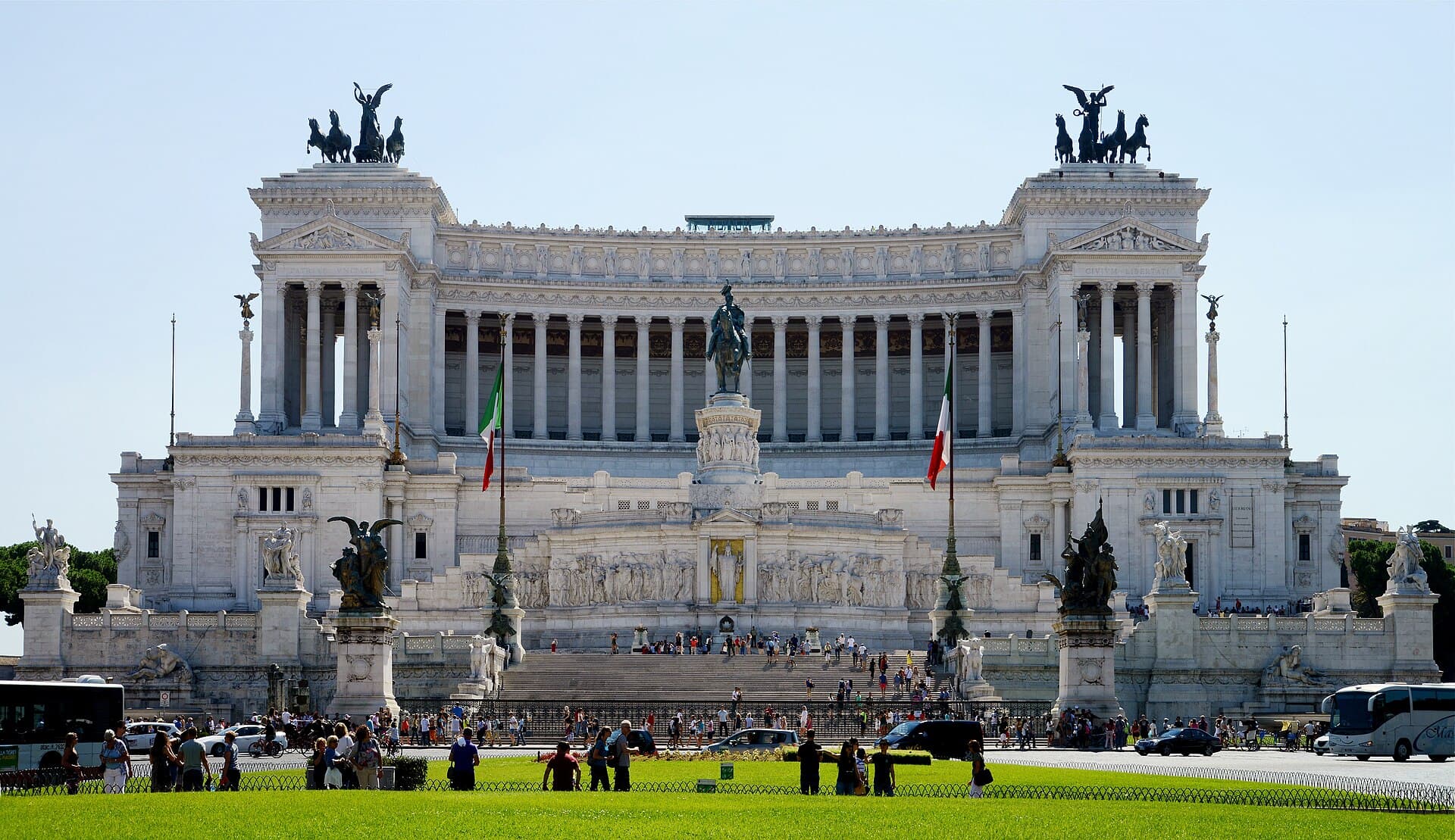 Altare della PatriaThe vast white marble mass you cannot miss in central Rome: the monument to Vict2 minutes walk4.7
Looking for halal food near Trajan's Column? There are several options nearby, from Moroccan and Indian kitchens to quick casual spots and places with a view. Confirm the halal status and opening hours before you go — these can change.
 Hotel BaroccoA four-star hotel looking directly onto Piazza Barberini and Bernini's Triton Fo12 minutes walk · $$$$4.9The St. Regis RomeRome's oldest grand hotel and its most historic: opened in January 1894 as the G16 minutes walk · $$$$4.8
Not on the column itself. But full plaster casts of the frieze are displayed at eye level in Roman museum collections — the only way to actually read it.