
The city's symbol
From its founding year, 1755.
Chainwit. — CC BY 4.0 · Chainwit. — CC BY 4.0 · Chainwit. — CC BY 4.0 · Chainwit. — CC BY 4.0
The symbol of Yogyakarta, a white monument at a main crossroads north of Malioboro Street, raised by the first sultan in 1755 when the city was founded, on the axis running from Mount Merapi in the north through the palace to the sea in the south. It is part of the Cosmological Axis of Yogyakarta and its Historic Landmarks, added to UNESCO's World Heritage list in 2023. The original was a cylindrical column topped with a sphere, symbolising the unity of sultan and people; it collapsed in an earthquake in 1867, and the Dutch rebuilt it in its present shorter, pointed form. Tradition holds that the sultan meditated in his palace facing the monument and the mountain behind it. The spot is free and always open, and the visit takes minutes for photographs. It fills at night with young people taking pictures of the lit monument; standing in the middle of the junction is banned because of traffic, so take your photos from the pavements. Make it the start of a walk south along Malioboro to the Kraton, following the city's whole historic axis.
From its founding year, 1755.
From Merapi to palace and sea.
The lit monument and photographers.
Jalan Mangkubumi crossroads, north of Malioboro Street
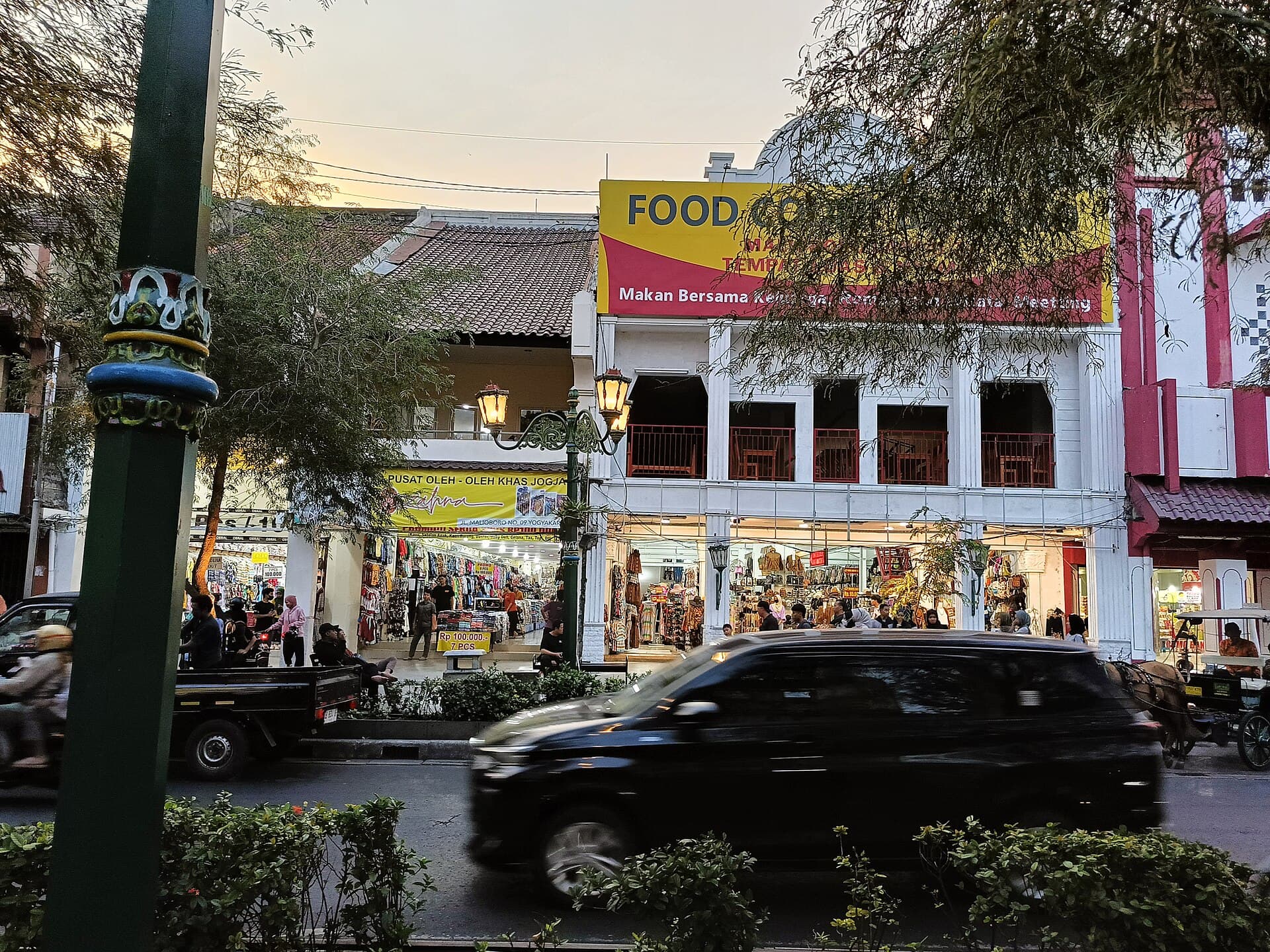 Malioboro StreetYogyakarta's best-known street and its lively commercial heart, running from the15 minutes walk
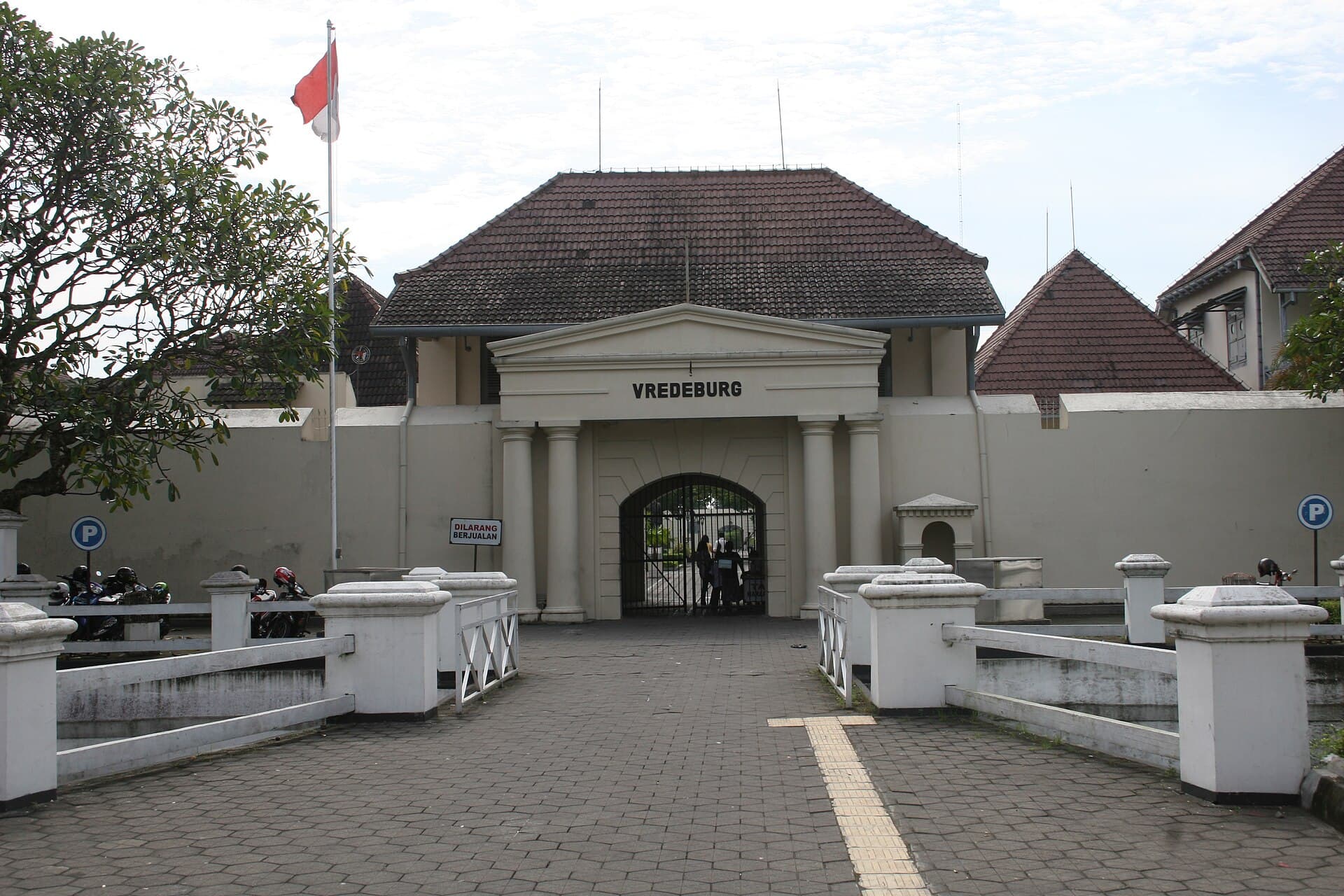 Fort Vredeburg and its MuseumA square Dutch fort with white walls and corner bastions, built by the Dutch in 24 minutes walk
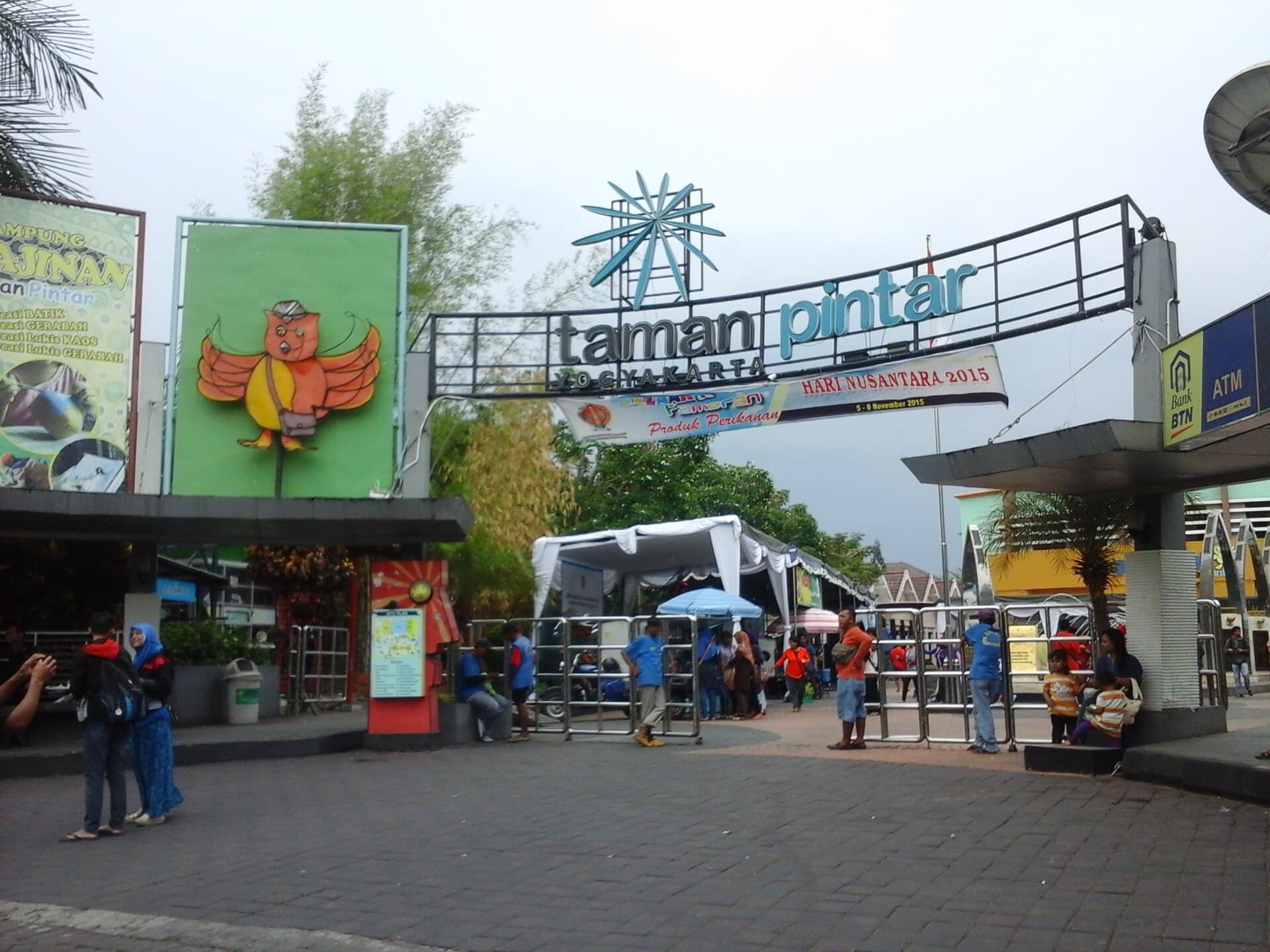 Taman Pintar Science ParkA children's educational science park at the heart of Yogyakarta, steps from Kil25 minutes walk
An imaginary line from Mount Merapi in the north through the Tugu, Malioboro and the palace to the sea in the south, on which the first sultan planned the city with Javanese philosophical meanings; UNESCO listed it in 2023.