The hippodrome
Seats for 20,000.
Ibrahimamirnaeem — CC BY-SA 4.0 · Carole Raddato — CC BY-SA 2.0 · Carole Raddato — CC BY-SA 2.0 · Daieuxetdailleurs — CC BY-SA 4.0 · No machine-readable author provided. Matze187 assumed (based on copyright claims). — CC BY-SA 3.0 · No machine-readable author provided. Matze187 assumed (based on copyright claims). — CC BY-SA 3.0 · Ibrahimamirnaeem — CC BY-SA 4.0 · Véronique Dauge — CC BY-SA 3.0 igo
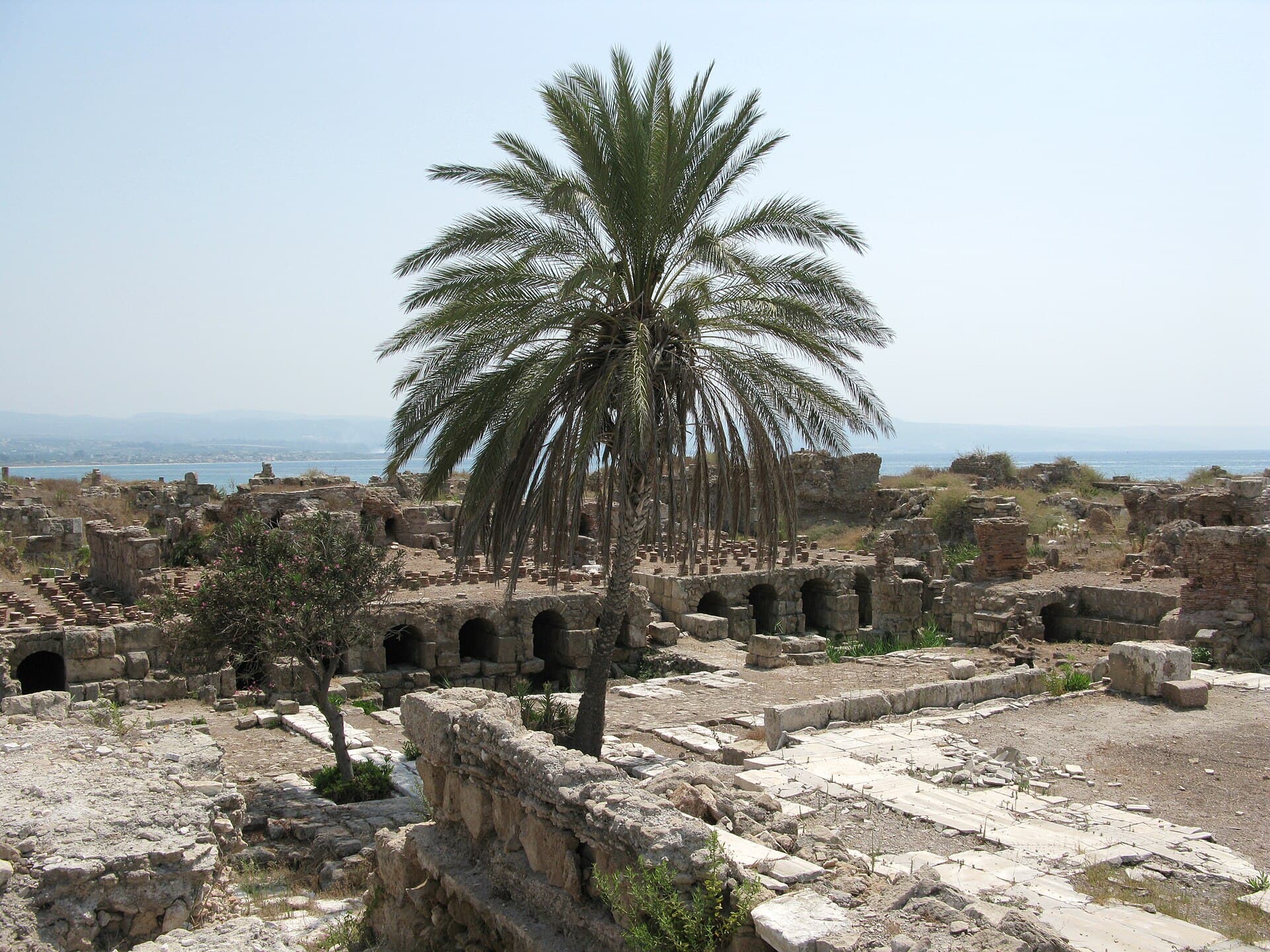
This was the main entrance to Tyre in Roman and Byzantine times: a broad paved avenue crossed by a huge second-century triumphal arch, with the remains of an aqueduct that carried water to the city. It is part of the Tyre site on UNESCO's World Heritage list since 1984. On both sides of the avenue lies a vast necropolis of hundreds of carved stone sarcophagi from the Roman and Byzantine periods, some decorated with reliefs and garlands. Excavations nearby also found a far older Phoenician cemetery from the Iron Age. At the far end is the Roman hippodrome of the second century AD, 480 m long and 90 m wide, which seated some 20,000 spectators for chariot races; it is one of the largest and best-preserved Roman circuses, with its stands and turning posts still in place. Allow an hour or two to walk the old avenue to the hippodrome; there is little shade, so go early or late in the day. It pairs well with the Al-Mina site on the other side of town.
Seats for 20,000.
Second century.
Along the avenue.
Al-Bass, eastern entrance to Tyre
It is 480 m long and 90 m wide and seated about 20,000 people, one of the largest known Roman circuses.