
A forbidden memory
Commemorating the War of Independence was banned outright under Soviet rule.
Mark A. Wilson (Department of Geology, The College of Wooster) [1] — Public domain · Diego Delso — CC BY-SA 3.0 · Diego Delso — CC BY-SA 3.0 · Diego Delso — CC BY-SA 3.0
An illuminated glass column about twenty-three metres high at one end of Freedom Square, carrying the Cross of Liberty at its top, raised in 2009 in honour of those who fought in the war of 1918–1920. The ninety-year delay is the story. Commemorating the War of Independence was entirely forbidden throughout the Soviet occupation, and earlier monuments connected with it were destroyed. A national monument to that war only became possible after independence was restored in 1991, and even then it took two decades of argument over its form and location. The monument caused wide controversy when it opened: its glass form was criticised as cold and technical for a memorial, and it suffered technical problems with lighting and condensation that required repeated repairs. That argument is itself part of its value: a small country that recently recovered its independence negotiating in public how it should remember. Practical points: free and always open in a public square. It reads most clearly after dark when the glass panels are lit. The visit is minutes while crossing the square.
Commemorating the War of Independence was banned outright under Soviet rule.
Its glass form drew heavy criticism, and the debate is part of its meaning.
The decoration awarded to that war's soldiers, and the monument's emblem.
Freedom Square, Tallinn
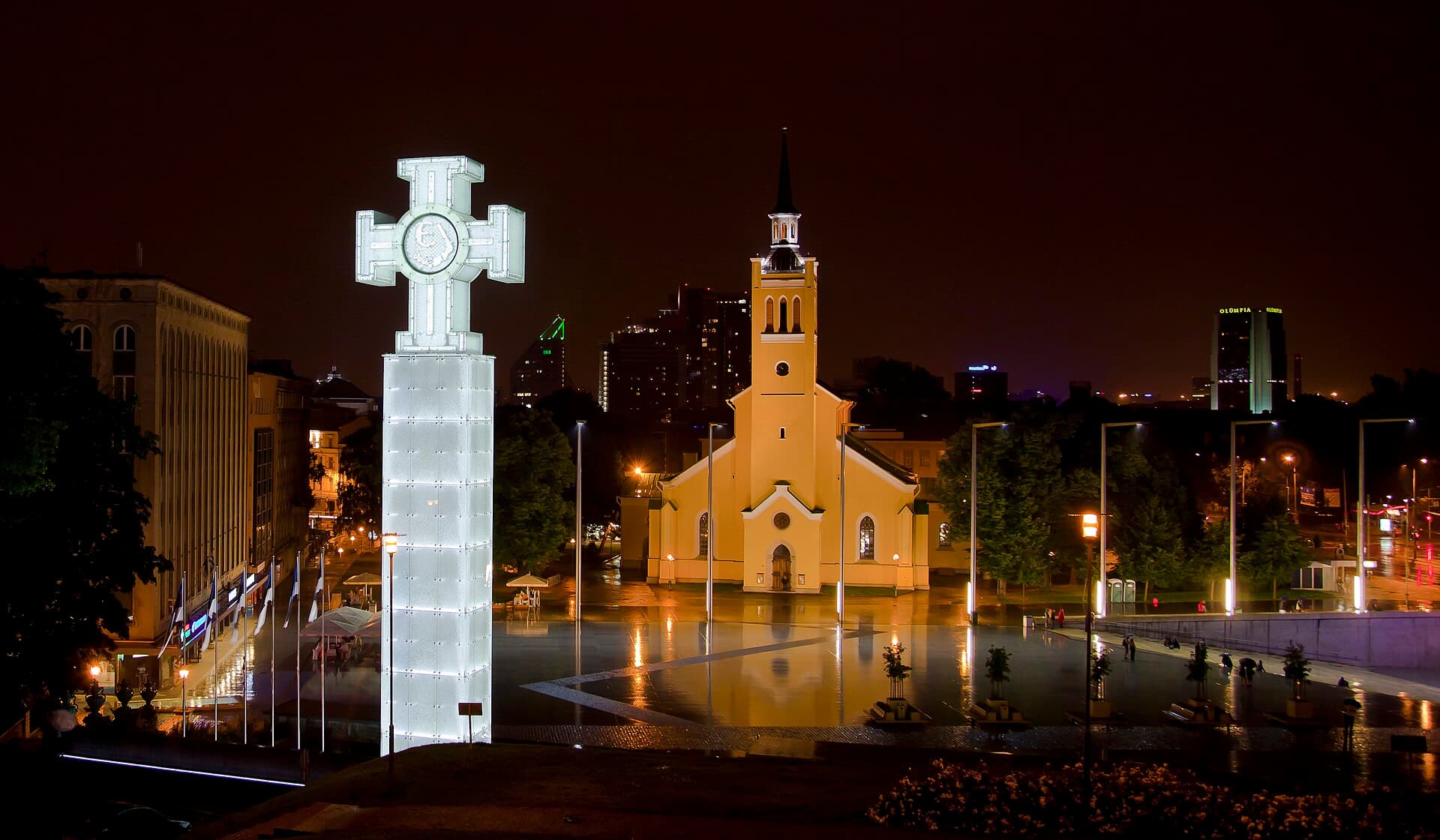 Freedom SquareA large open square at the southern edge of the old town, entirely redesigned in1 minute walk4.7
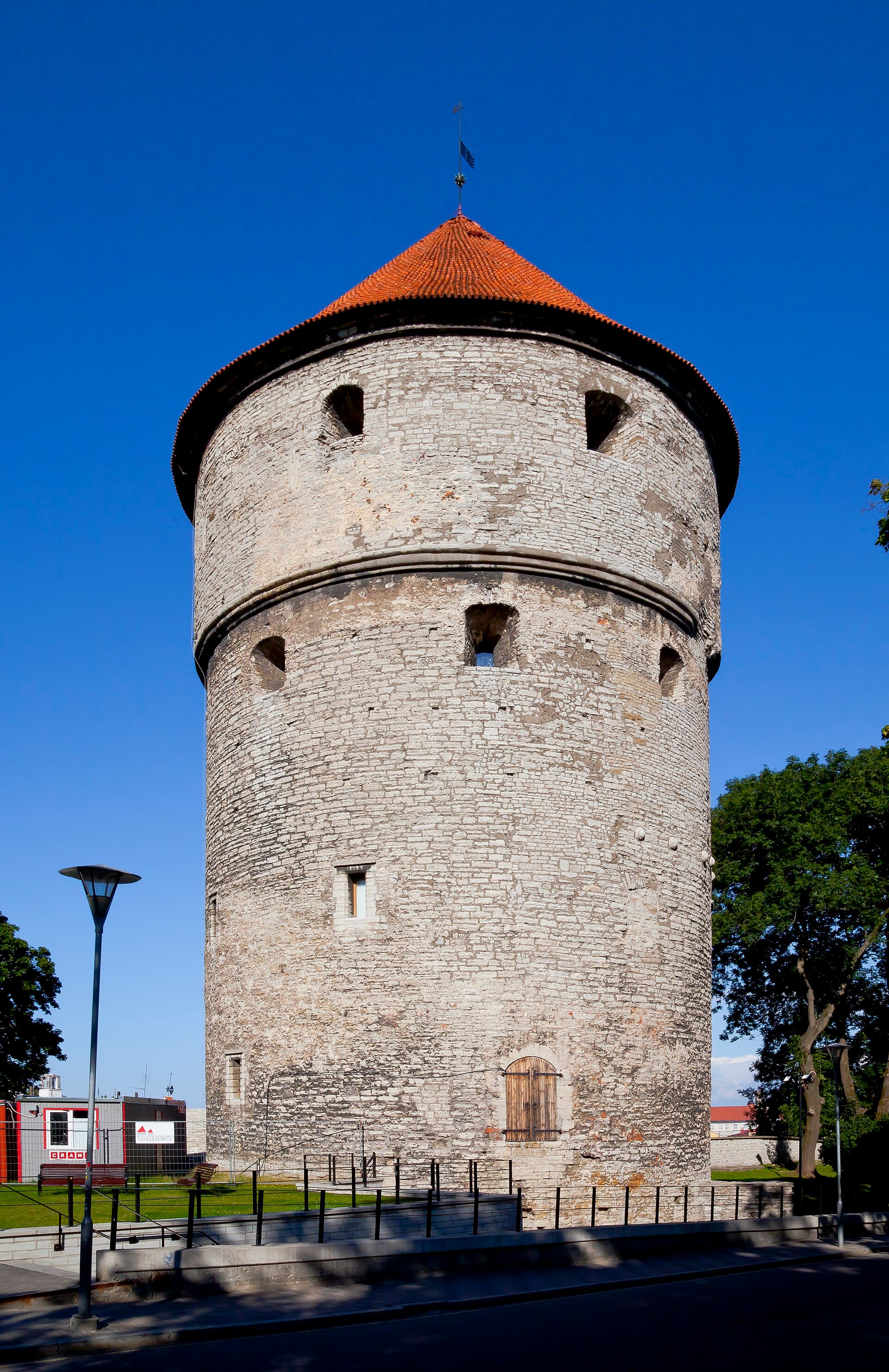 Kiek in de Kök and the Bastion TunnelsAn artillery tower called "Peep into the Kitchen": Kiek in de Kök was built in 12 minutes walk4.7
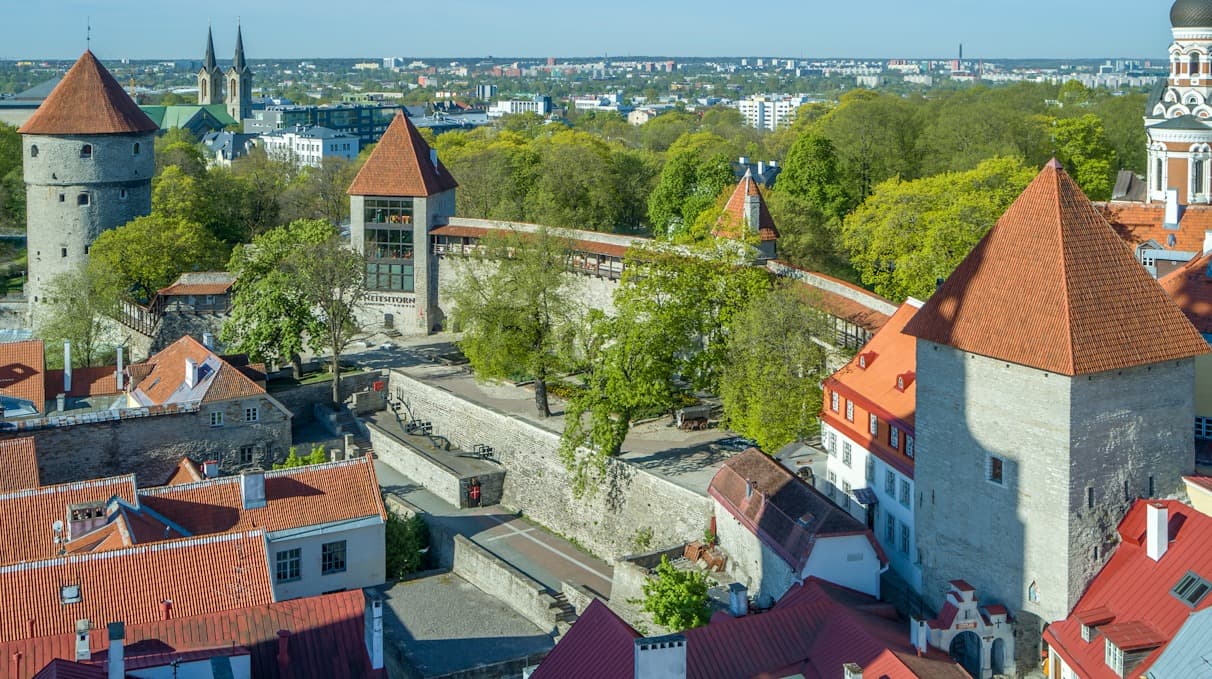 The Danish King's GardenA small garden on the slope below Toompea hill, hemmed in by the city wall and i3 minutes walk4.8
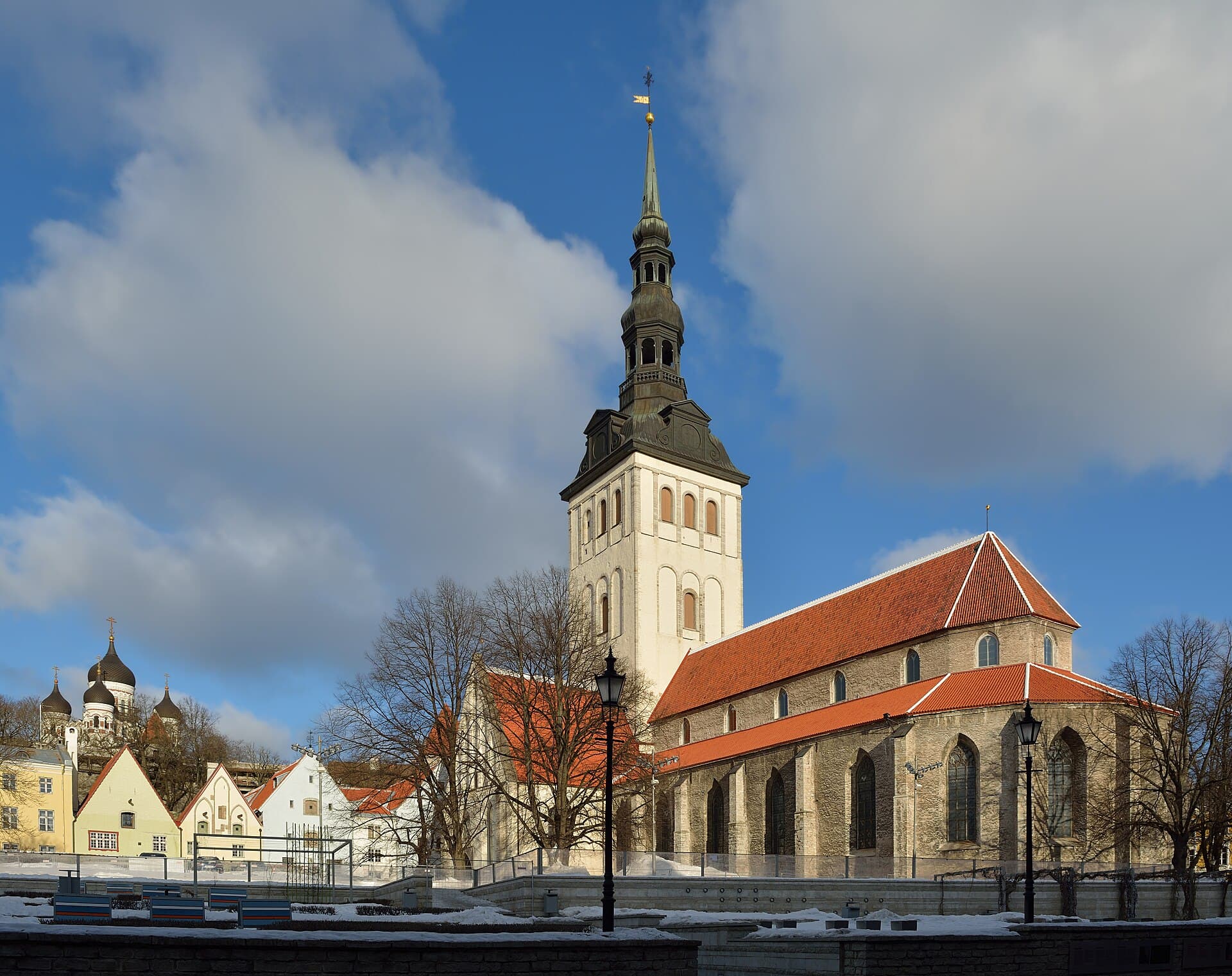 St Nicholas' Church (Niguliste)A Gothic church that became a museum because it could no longer be prayed in: Ni3 minutes walk4.5
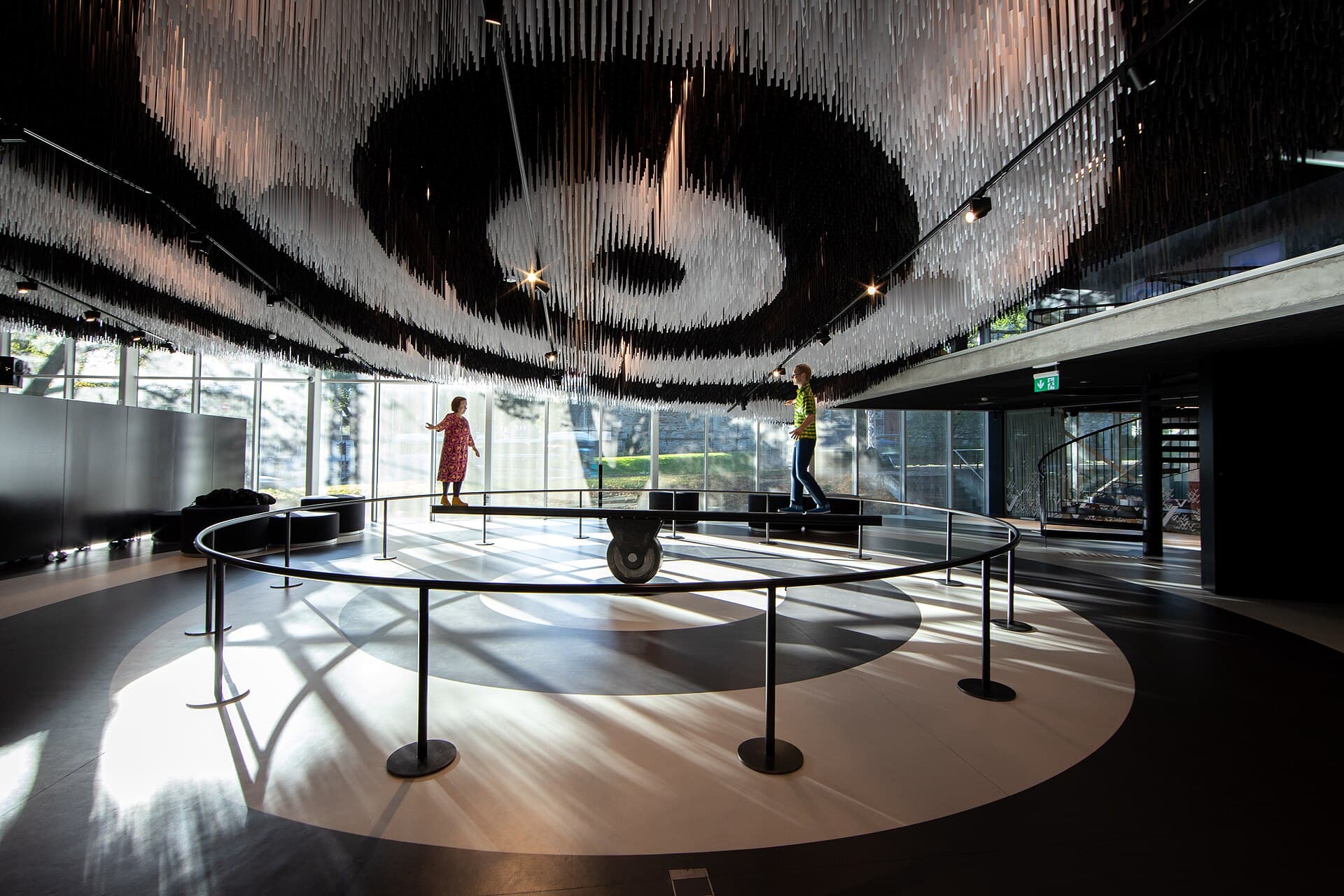 Vabamu Museum of Occupations and FreedomFifty years of occupation in a glass building: Vabamu (2003) documents Estonia f3 minutes walk4.4
Because Estonia lost its independence in 1940 and remained under Soviet rule until 1991. Throughout those decades any commemoration of the War of Independence was forbidden, and the monuments raised in the 1920s and 1930s were destroyed. After 1991 the discussion resumed, but agreeing the monument's form and site took many years, ending in an architectural competition and a contested decision.
The nearby Vabamu museum on the occupation years, which explains directly why this monument took so long. Then enter the old town from Freedom Square and climb to Toompea. The three together make a coherent half day.