
The Singing Revolution
Independence won by mass singing, not arms.
Liina843 — CC BY-SA 4.0 · Saeima — CC BY-SA 2.0 · Saeima — CC BY-SA 2.0 · Marion Golsteijn — CC BY-SA 4.0
Fifty years of occupation in a glass building: Vabamu (2003) documents Estonia from 1940 to 1991 — Soviet occupation, then Nazi, then Soviet again — and the mass deportations to Siberia that took tens of thousands, among them children and women removed in a single night in 1941 and another in 1949. The display is built on voices rather than objects: recorded testimony from those who lived through deportation, prison and escape, heard on headphones as you pass their few belongings — a suitcase, a letter, a doll a father made for his daughter in exile. A whole section covers the Singing Revolution: how Estonia won independence by mass singing rather than by arms. In the basement stands an original KGB cell moved from another building. The museum is modern, clear and fully translated, and it is the best way into why Estonians speak of freedom as they do. Minutes from Freedom Square and Toompea hill.
Independence won by mass singing, not arms.
A suitcase, a letter, a doll made by a father in Siberia.
Toompea 8, Tallinn
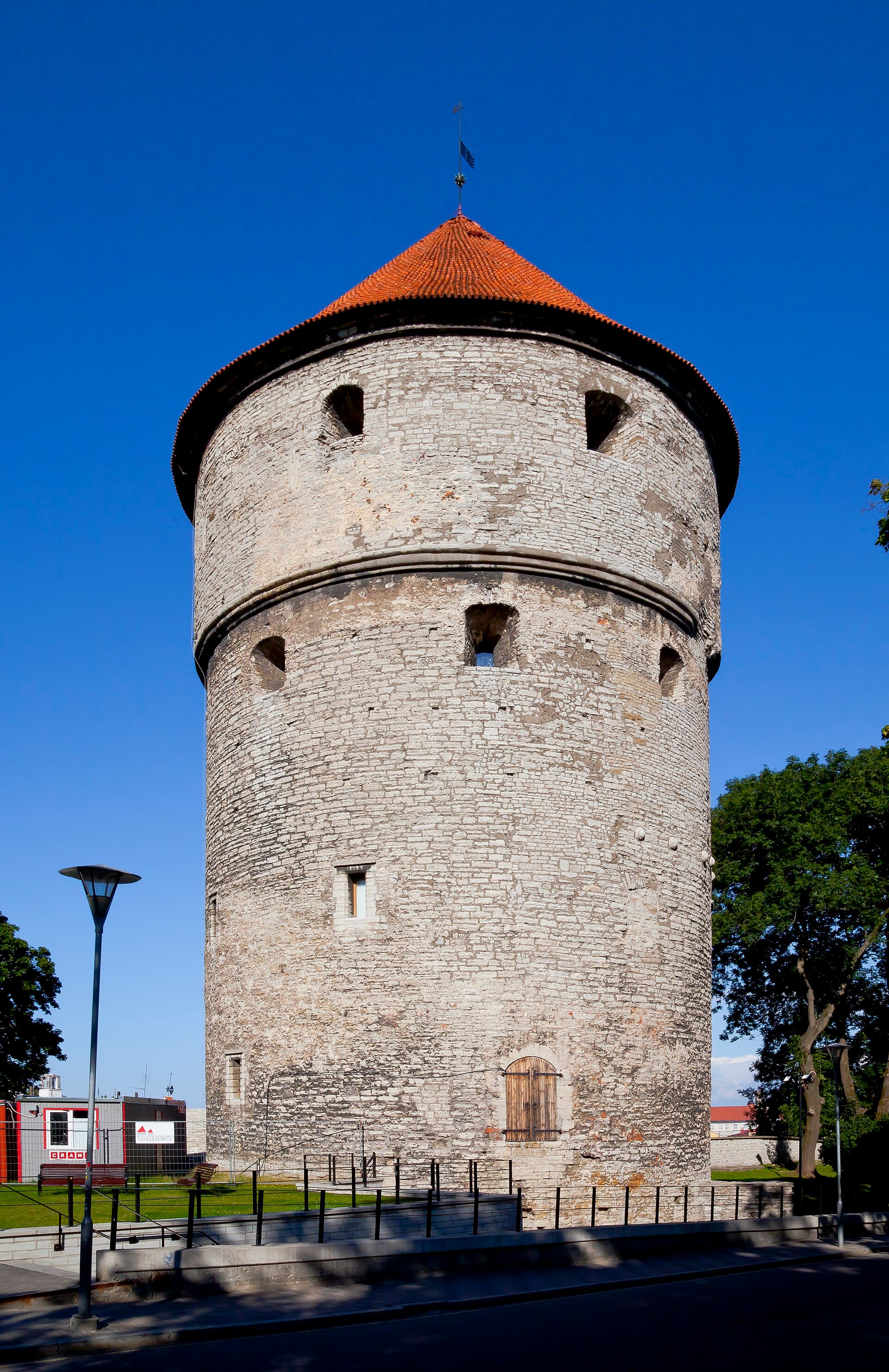 Kiek in de Kök and the Bastion TunnelsAn artillery tower called "Peep into the Kitchen": Kiek in de Kök was built in 13 minutes walk4.7
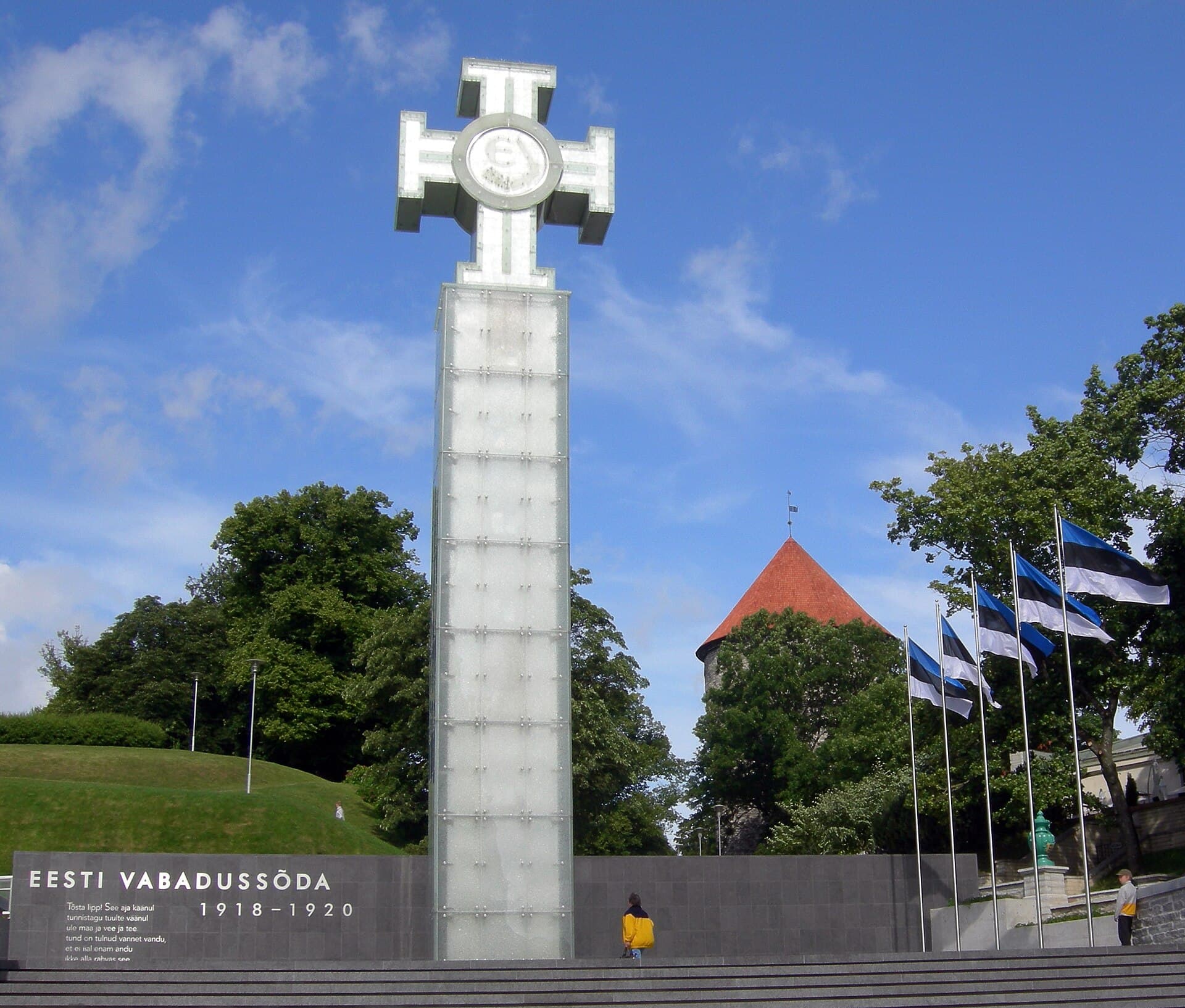 War of Independence Victory ColumnAn illuminated glass column about twenty-three metres high at one end of Freedom3 minutes walk4.3
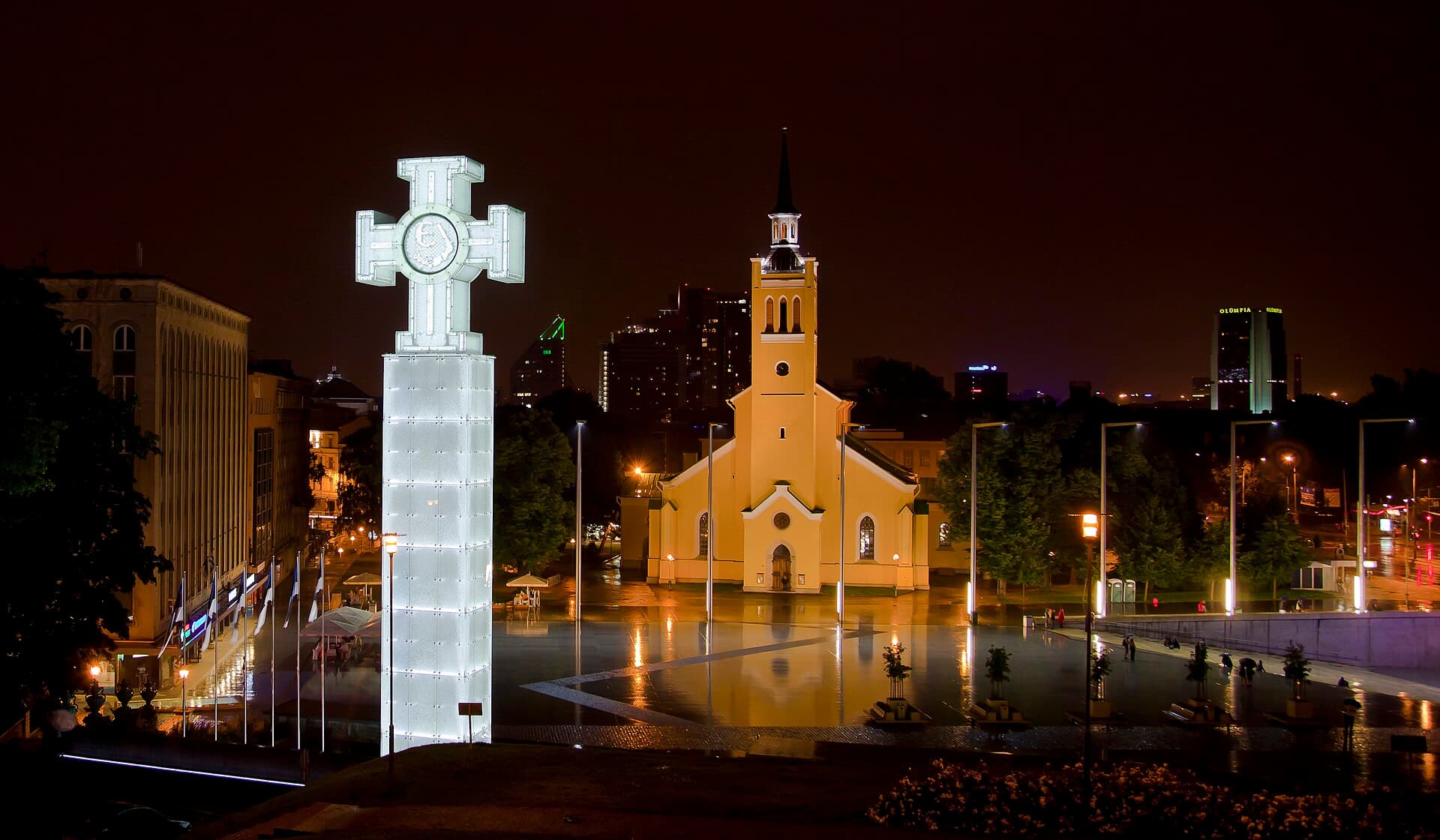 Freedom SquareA large open square at the southern edge of the old town, entirely redesigned in4 minutes walk4.7
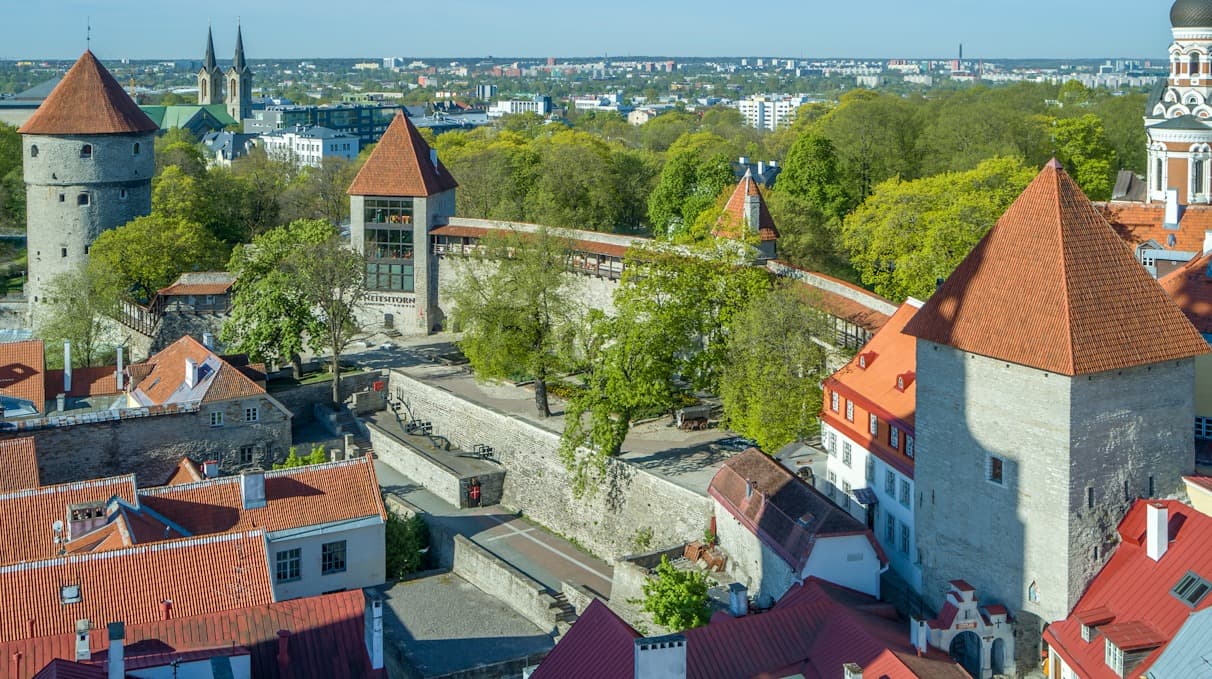 The Danish King's GardenA small garden on the slope below Toompea hill, hemmed in by the city wall and i4 minutes walk4.8
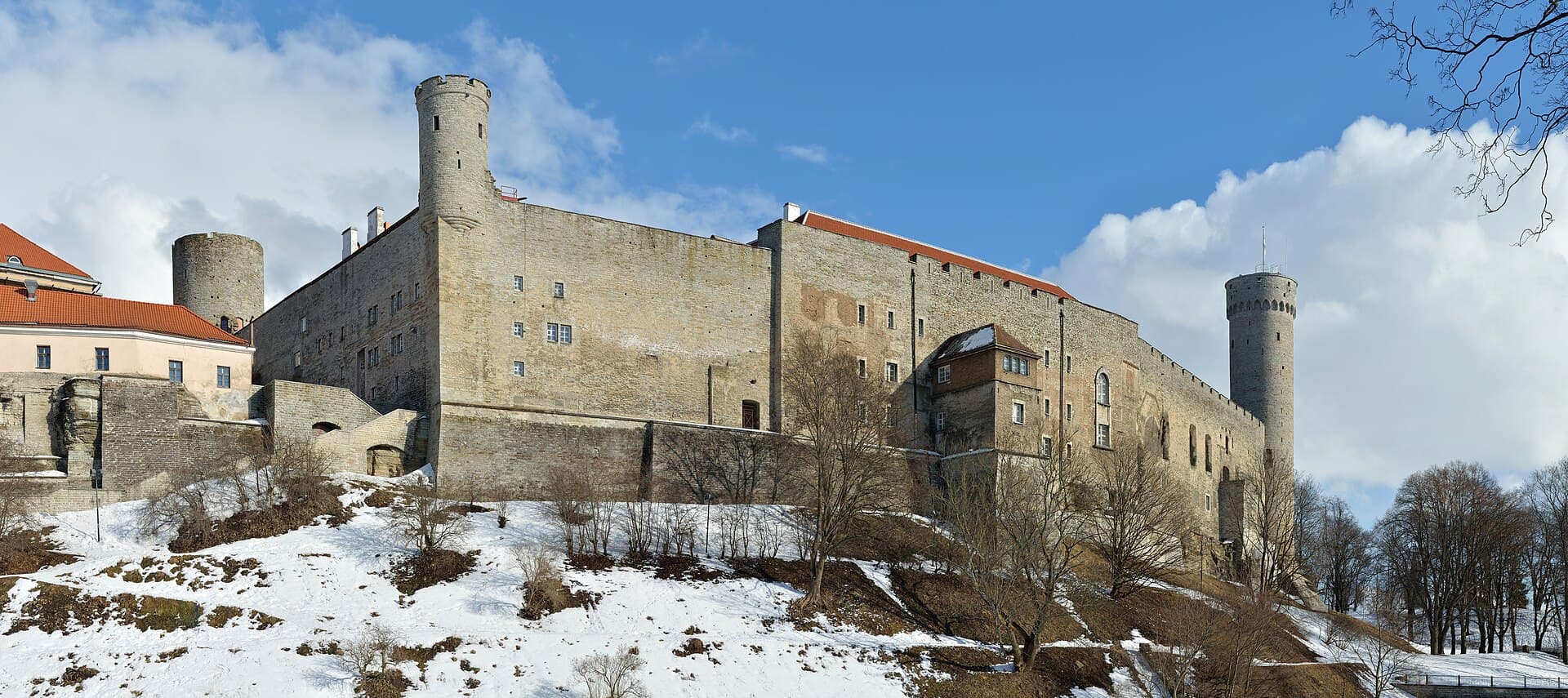 Toompea Castle and HillThe hill that ruled Estonia for eight centuries: Toompea is a limestone plateau 4 minutes walk4.5
Between 1987 and 1991 Estonians gathered in hundreds of thousands at the national song festivals and sang banned songs — at one, three hundred thousand people came, a quarter of the nation. Not a shot was fired, and all three Baltic states won independence.