Memorial of Glory
The 1981 Second World War memorial.
Goichev — CC BY-SA 4.0 · Mostafameraji — CC BY-SA 4.0 · Davit butulashvili — CC BY-SA 4.0 · Giorgi Abdaladze — CC BY-SA 4.0 · Mostafameraji — CC BY-SA 4.0
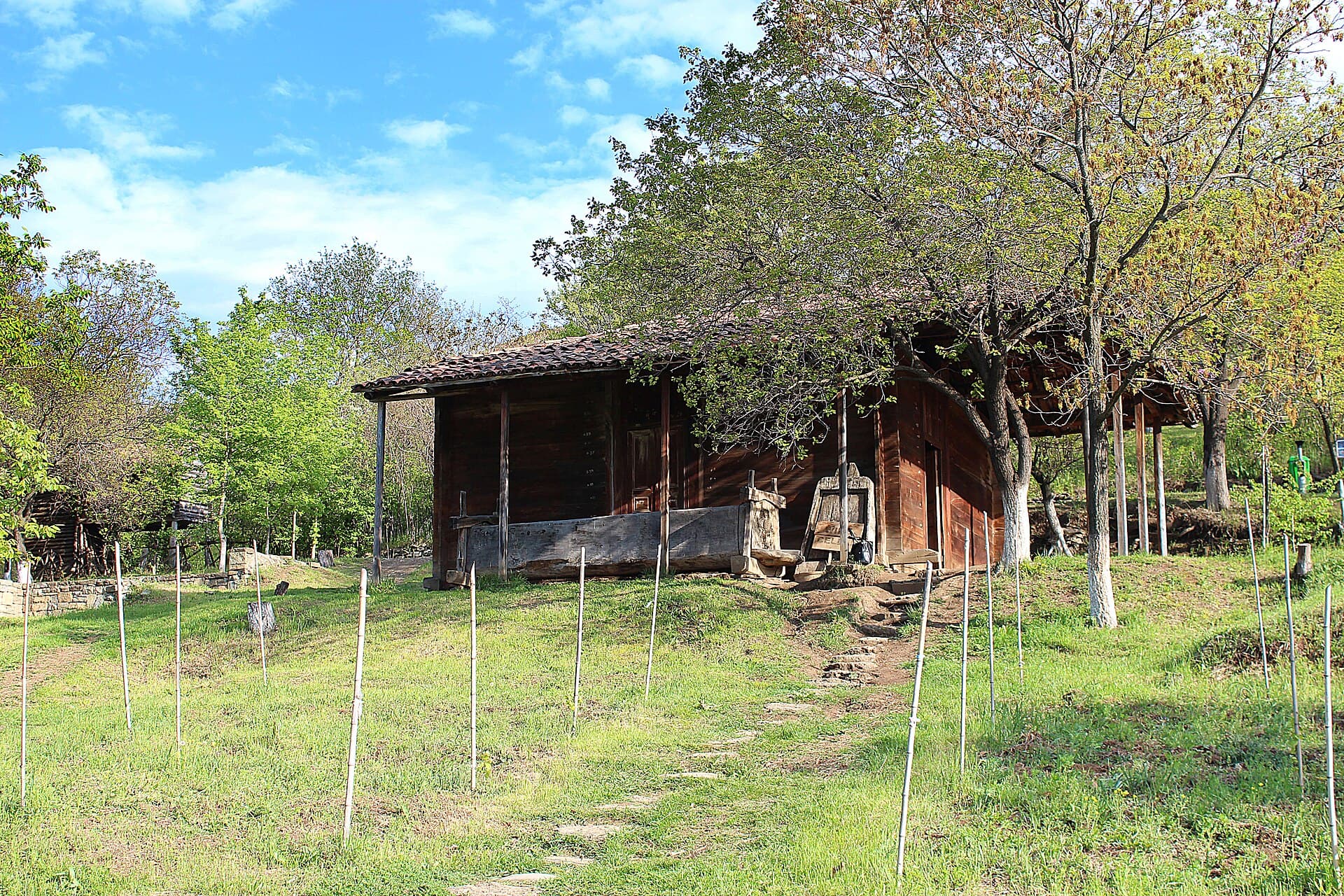
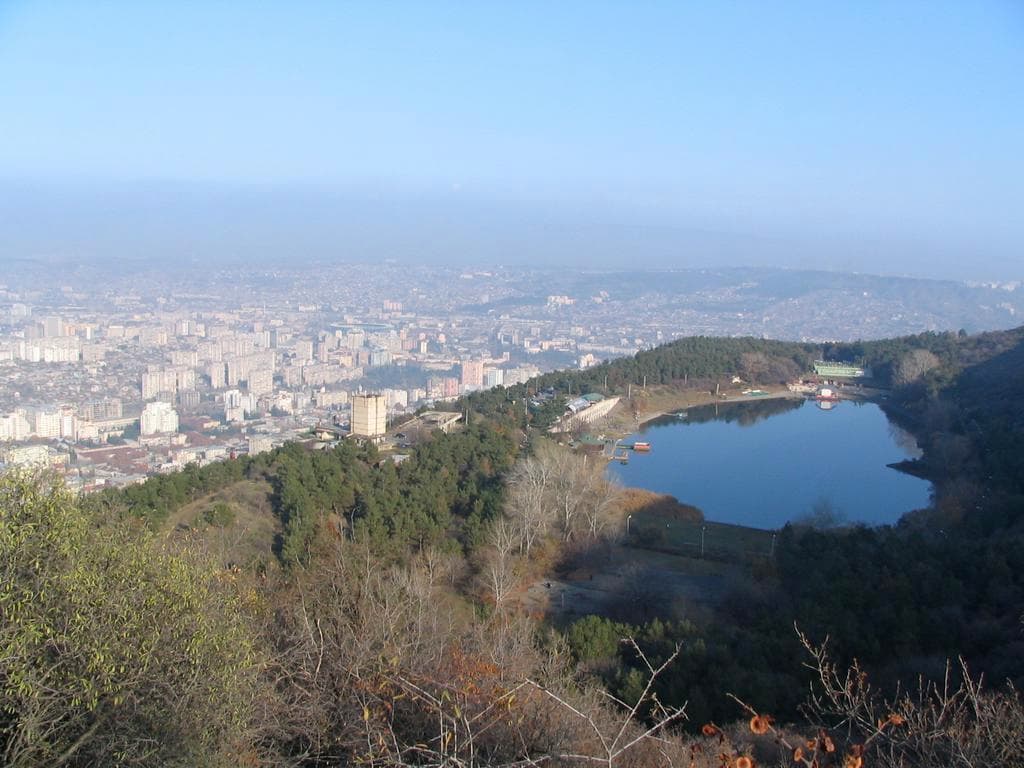
Vake Park, one of Tbilisi's largest green spaces, rises from the west end of Ilia Chavchavadze Avenue onto the wooded foot of the Trialeti Range. From the avenue a broad staircase descends to lawns, fountains and red-sand paths, and the central axis then climbs to the Memorial of Glory, built in 1981 to mark victory in the Second World War. The site was a glider airfield from 1935. Architect Kuchu Dgebuadze planned the park in 1945, with planting by the dendrologist Neli Tsitsishvili, and work began just after the war: marshy ground was drained, and by 1951 some 250,000 plants were growing. Long called Victory Park in Soviet times, it took back its name in 1992. A 2021 to 2024 rehabilitation added an amphitheatre and new fountains. Ivane Pataridze's two tiger statues, placed in 1948, guard the main entrance. The memorial, with sculpture by Giorgi Ochiauri, joins a cascade of fountains, the Tomb of the Unknown Soldier at the foot of the memorial's steps and a towering female figure of victory at their top. Around it spread shady avenues, children's rides, sports grounds and picnic spots, busy with families in the evening. The park lies 4 km west of Rustaveli Avenue as the crow flies, 10 to 20 minutes by bus from Rustaveli or Delisi metro stations. About 100 m to the left of the main entrance, a cable car first built in 1966 climbs in six or seven minutes to Turtle Lake, 1 km south-east; the Open Air Museum of Ethnography stands on the hillside 600 m south-west.
The 1981 Second World War memorial.
Two statues at the main gate since 1948.
A shady evening walk.
West end of Ilia Chavchavadze Avenue, Vake district, Tbilisi
Partly: the main paths have been adapted for people with limited mobility and are lit at night, but the main entrance from Chavchavadze Avenue is a broad staircase down about 7 m, and the climb to the Memorial of Glory is by steps too.
The architects Vladimer Alexi-Meskhishvili, Kiazo Nakhutsrishvili and Otar Litanishvili, with the sculptor Giorgi Ochiauri; it opened in 1981.