
The memorial plaque
Marking the storming of Buda's walls in 1686 and the end of a century and a half of Ottoman rule — naming the city's last pasha.
The original uploader was Gyurika at Hungarian Wikipedia. — CC BY-SA 3.0 · Unknown authorUnknown author — Public domain · Unknown photographer (scanned by Derzsi Elekes Andor) Public domainPublic domainfalsefalse This work is in the public domain in its country of origin and other countries and areas where the copyright — Public domain · FOTO:Fortepan — ID 53040: Adományozó/Donor: Szabó Lóránt. — CC BY-SA 3.0
The Vienna Gate is the northern entrance to the Castle District, named because the road to Vienna left the city through it. The present gate is not medieval: it was put up in 1936 for the 250th anniversary of Buda's recapture from the Ottomans in 1686, on the site of the original gate in the city walls. The site itself is what matters: the fiercest phase of the 1686 siege happened here, when the allied Christian army broke through Buda's walls after a century and a half of Ottoman rule. A memorial plaque at the gate marks the event, and also names the last Ottoman pasha of Buda, killed defending it. The square behind the gate is entirely quiet and nearly empty of visitors, holding the Hungarian National Archives with a coloured tile roof recalling Matthias Church, and pale Baroque houses. Passing under the gate is free and always possible, and it is the natural start or end of a Castle District walk — from here the descent runs down to Széll Kálmán tér and the metro.
Marking the storming of Buda's walls in 1686 and the end of a century and a half of Ottoman rule — naming the city's last pasha.
A coloured tile roof recalling Matthias Church, on a building rarely photographed despite its beauty.
Pale-coloured houses around a small quiet square — the Castle District without crowds, as it always looked.
From the gate you can follow sections of the castle wall with views over the western Buda hills.
Bécsi kapu tér, northern end of the Castle District, Buda 1014
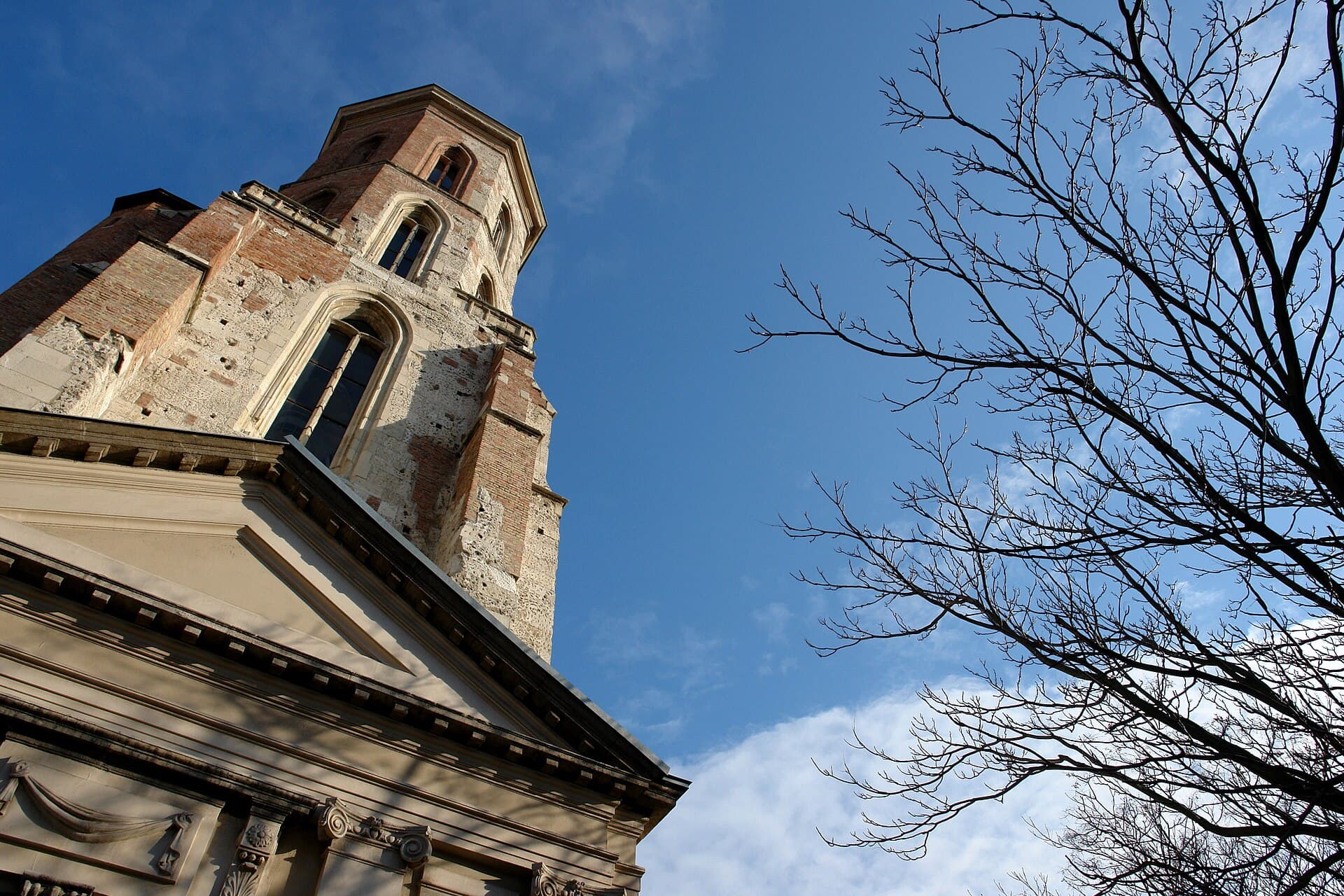 Church of Saint Mary MagdaleneWhat you see at the northern end of the Castle District is not a church but a ch2 minutes walk4.3
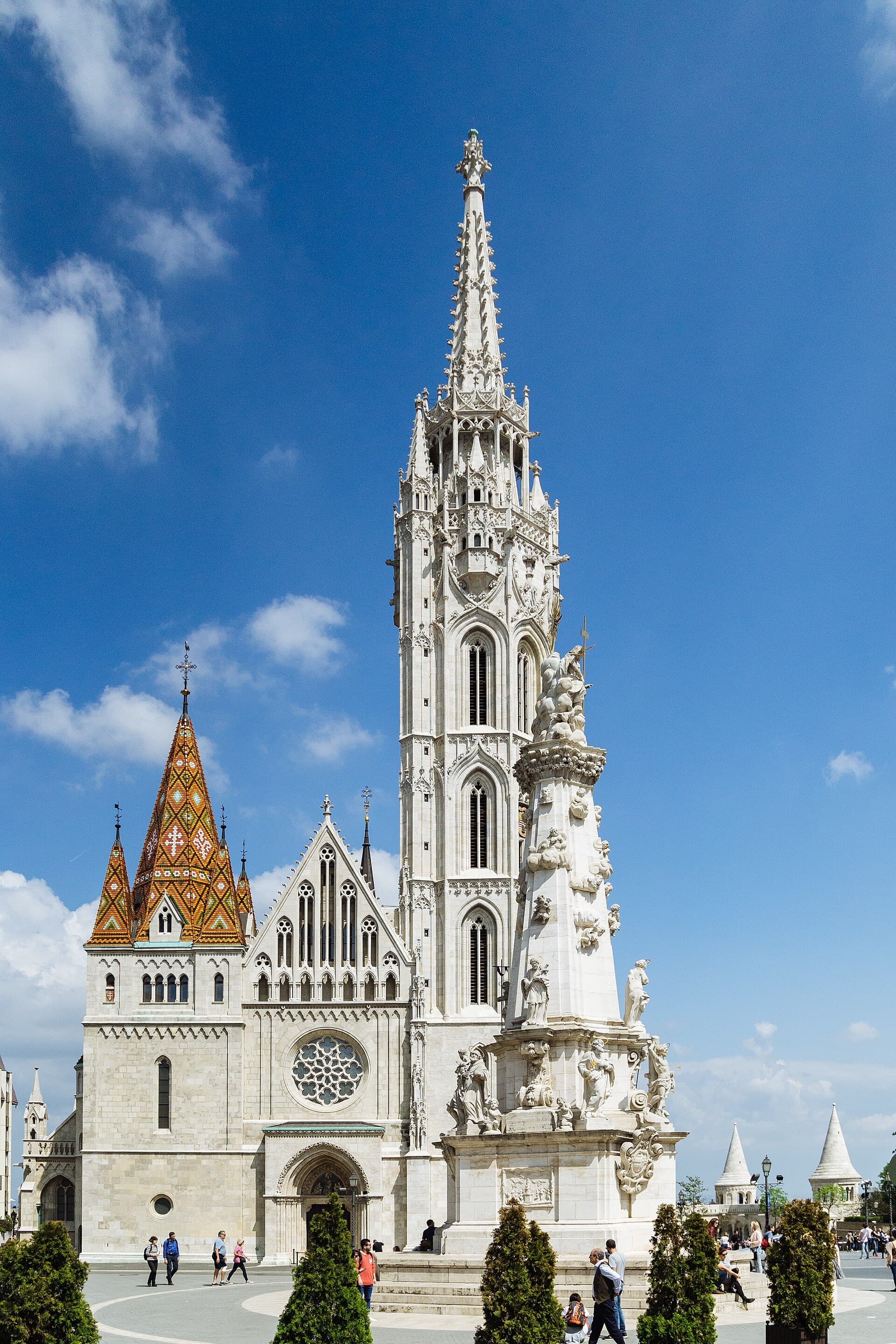 Matthias ChurchMatthias Church has the most varied religious history of any building in Budapes5 minutes walk4.7
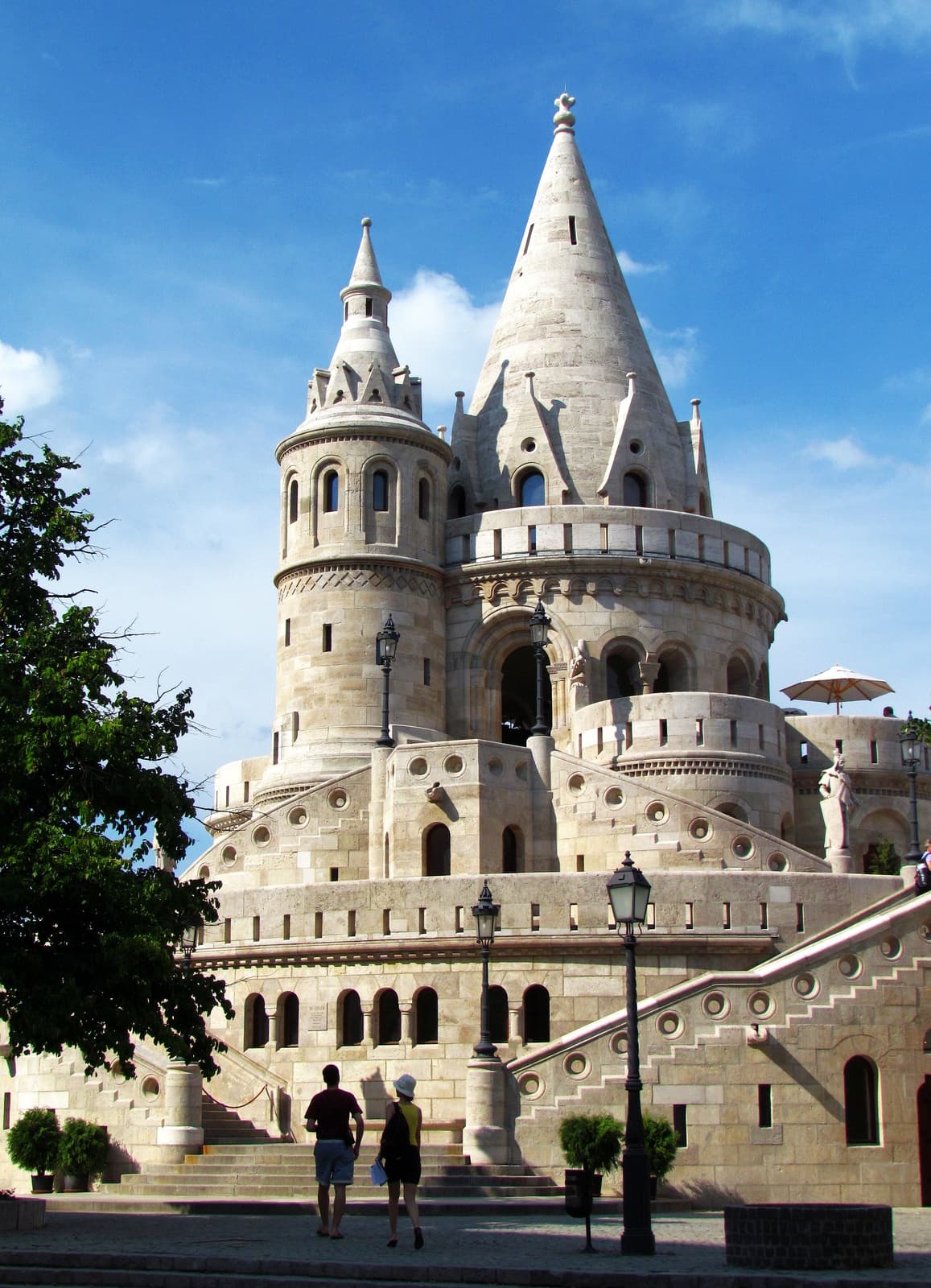 Fisherman's BastionThe Fisherman's Bastion is not a bastion and never defended anything. It was bui6 minutes walk4.9
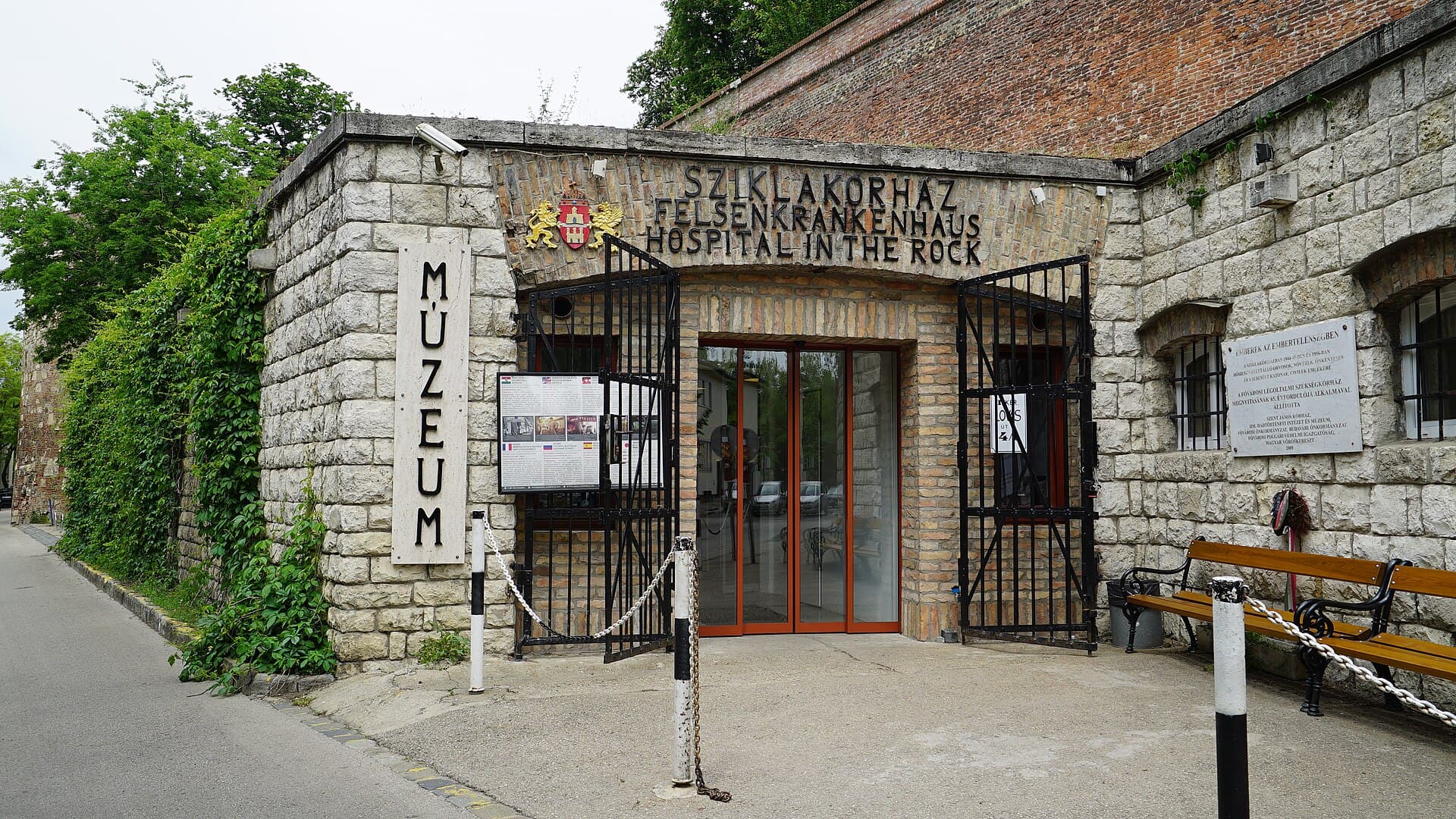 Hospital in the Rock Nuclear Bunker MuseumBeneath Castle Hill in Buda runs a network of natural caves formed in the limest6 minutes walk4.5
 Labyrinth of Buda CastleThe Labyrinth of Buda Castle is a network of passages and caves running beneath 8 minutes walk3.9
No. The original gate was part of Buda's medieval walls, but what stands today was built in 1936 on the same site for the 250th anniversary of the recapture. The site is historic; the structure is relatively modern.
A long siege ended with the allied Christian army storming Buda's walls and ending roughly a century and a half of Ottoman rule. The fighting was heavy at this stretch of wall in particular, and the city was severely damaged in the assault.
Not as a destination in itself, but it is the natural northern end of a Castle District route and its quietest part. Walk to it from Matthias Church through the Baroque streets and descend to the metro from there — ten minutes takes you from the crush into calm.
The Church of St Mary Magdalene is two minutes away, and Matthias Church and the Fisherman's Bastion ten minutes south — the whole northern end walks in half an hour.