
The coloured Zsolnay roof
Bright geometric tiles covering the roof like a carpet — the most famous roofline in Hungary, recognisable from far off.
Stefan Schäfer, Lich — CC BY-SA 4.0 · Mike is Michi — CC BY-SA 4.0 · Christo — CC0 · Christo — CC0
Matthias Church has the most varied religious history of any building in Budapest: built as a Gothic church in the 14th century, converted by the Ottomans into a congregational mosque after the fall of Buda in 1541 and serving as one for about a hundred and fifty years, returned to Christian use after the Ottoman withdrawal in 1686, then almost entirely rebuilt at the end of the 19th century by the architect Frigyes Schulek. Its formal name is the Church of Our Lady of Buda, but people call it after King Matthias Corvinus, who was married in it twice in the 15th century. The last kings of Hungary were crowned here, among them Franz Joseph and his wife Elisabeth — Sisi — in 1867, an occasion for which Liszt composed his Coronation Mass. Its most famous feature is the roof: coloured Zsolnay tiles in geometric patterns, like a carpet laid over the church, and the detail that identifies it from a distance. The interior is unusual among European churches too: walls covered entirely in coloured geometric and plant ornament in a manner that recalls eastern decoration — a direct trace of a century and a half of Ottoman architecture in Buda.
Bright geometric tiles covering the roof like a carpet — the most famous roofline in Hungary, recognisable from far off.
Walls covered wall to wall in coloured geometric and plant patterns — an openly eastern influence you will not find in other European churches.
Upstairs: a replica of the Hungarian crown and liturgical pieces, with a view down over the nave.
A Baroque plague column in the square, raised in thanks for the end of an 18th-century epidemic.
Szentháromság tér 2, Castle District, Buda 1014
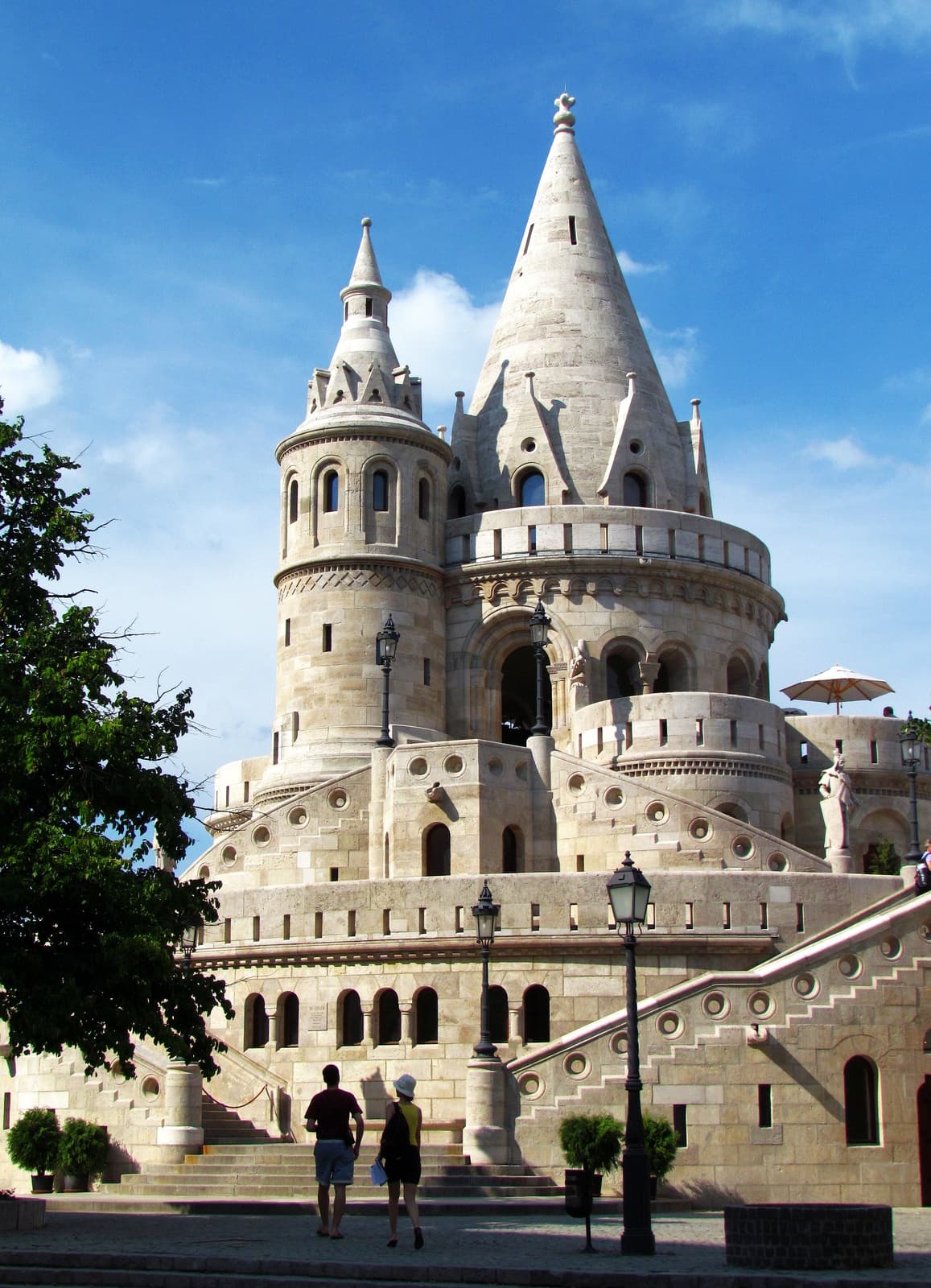 Fisherman's BastionThe Fisherman's Bastion is not a bastion and never defended anything. It was bui1 minute walk4.9
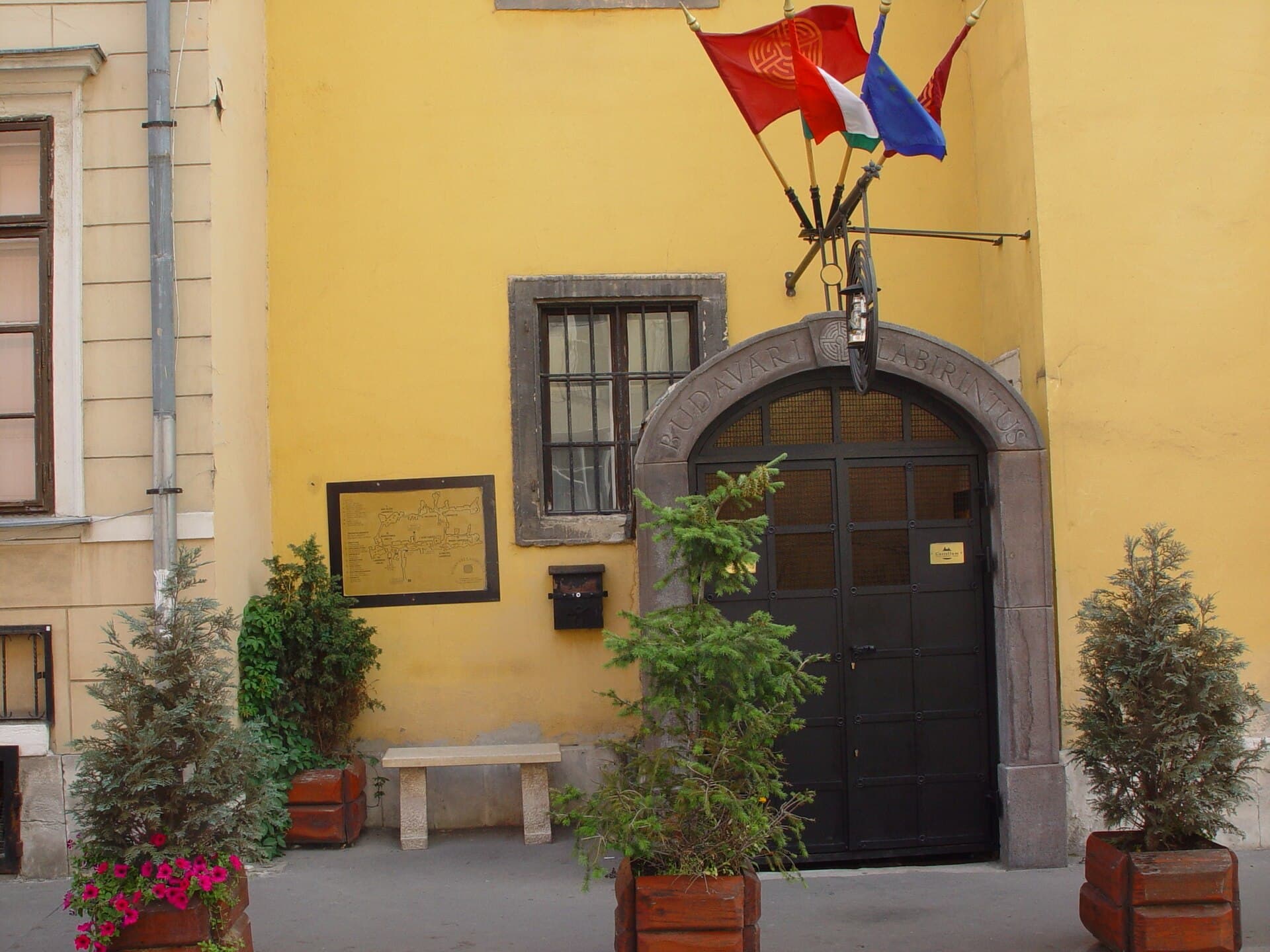 Labyrinth of Buda CastleThe Labyrinth of Buda Castle is a network of passages and caves running beneath 2 minutes walk3.9
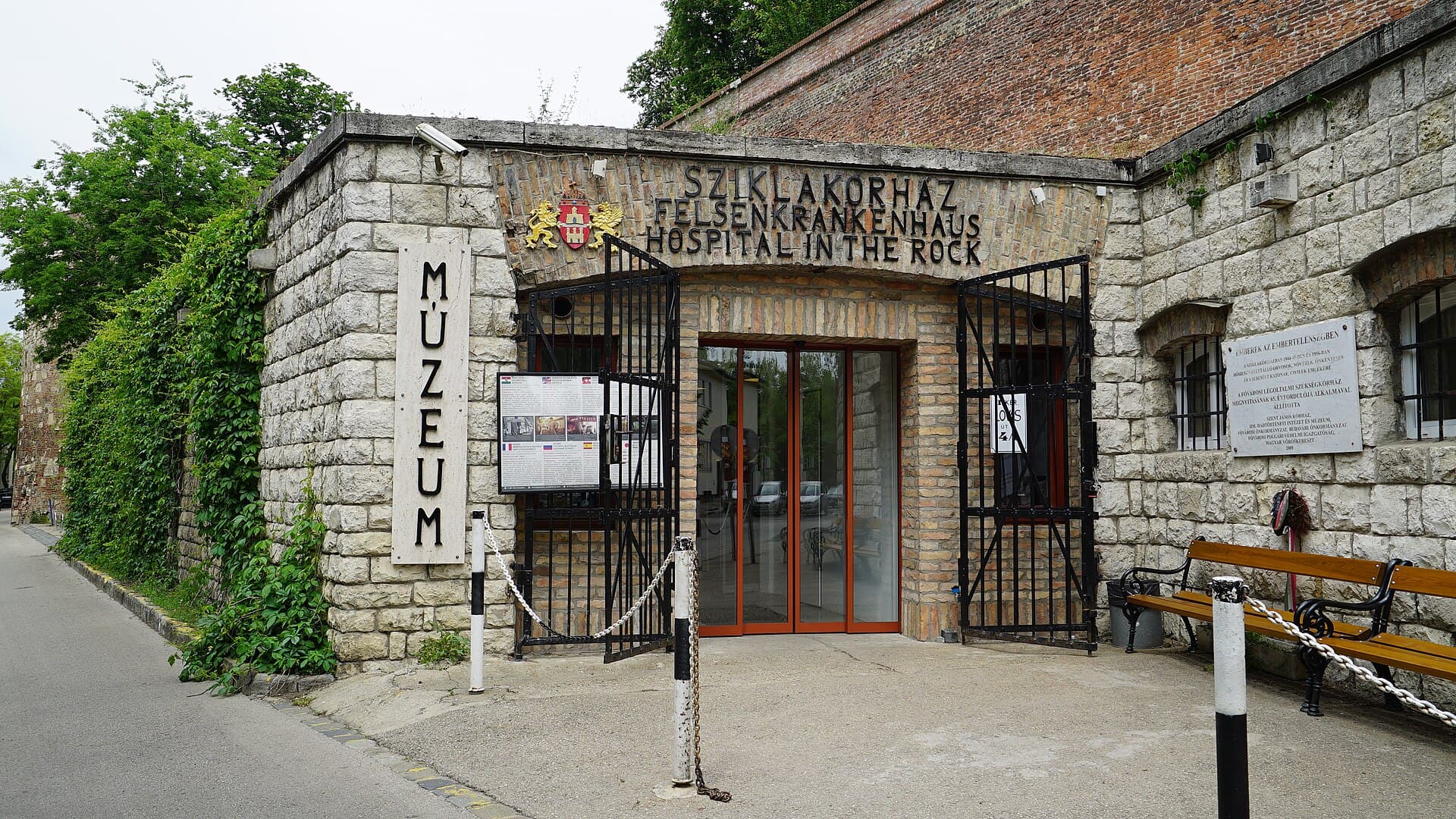 Hospital in the Rock Nuclear Bunker MuseumBeneath Castle Hill in Buda runs a network of natural caves formed in the limest3 minutes walk4.5
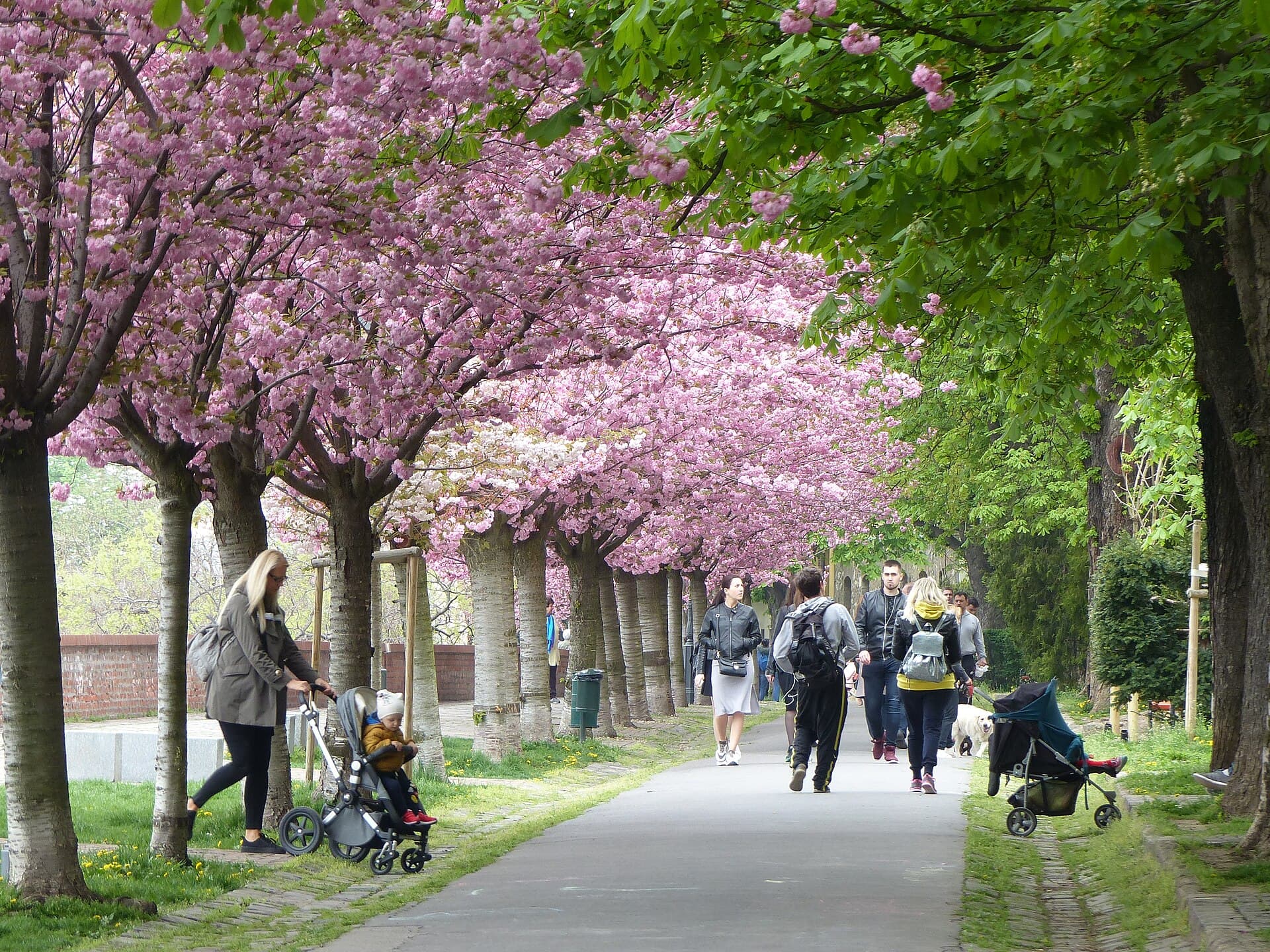 Tóth Árpád PromenadeA shaded promenade along the western wall of Castle Hill, lined with chestnut tr5 minutes walk4.8
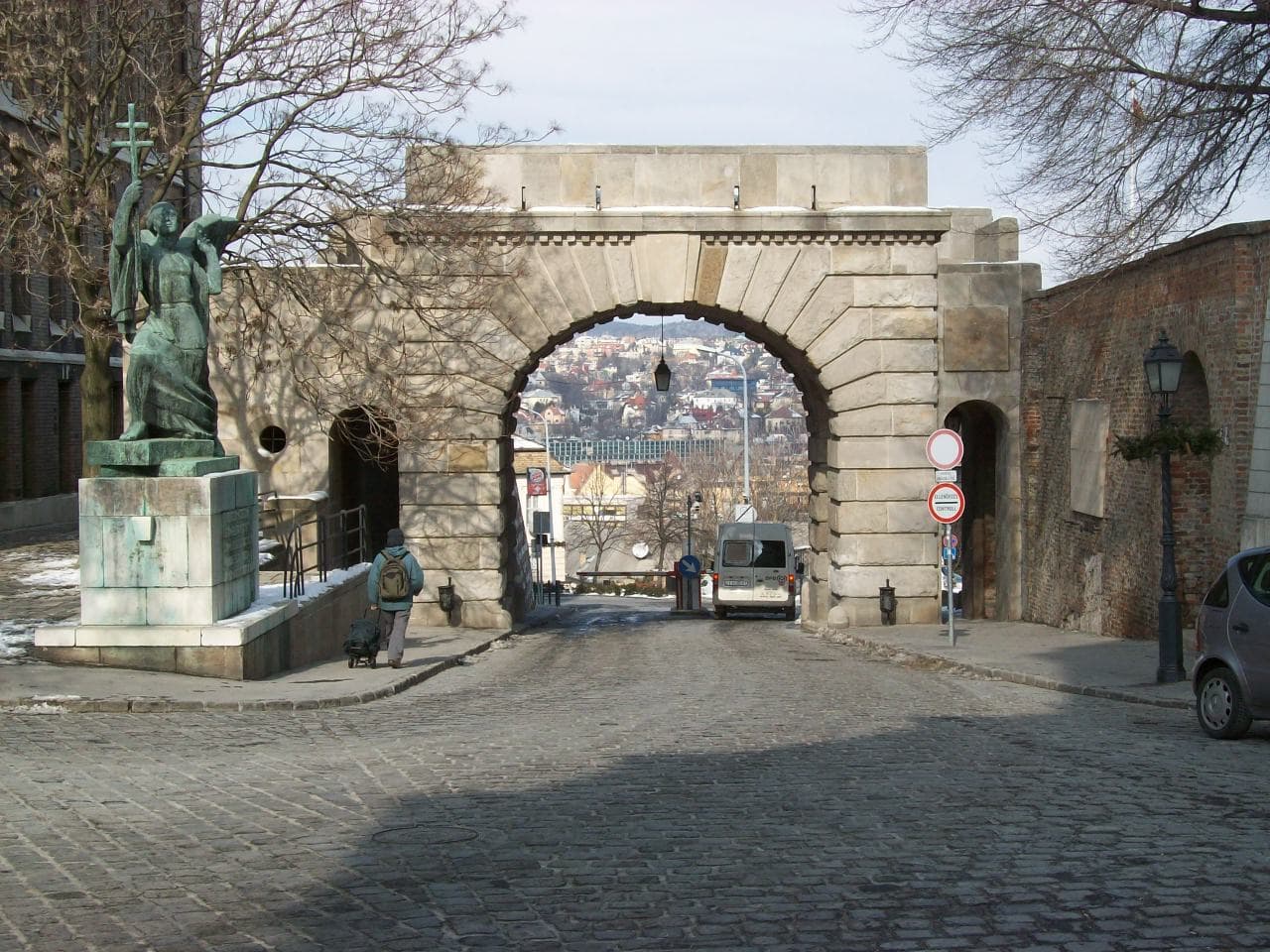 Vienna GateThe Vienna Gate is the northern entrance to the Castle District, named because t5 minutes walk4.5
Yes. After the Ottomans took Buda in 1541 it became the city's main congregational mosque and remained so for about a hundred and fifty years: church furnishings were removed, walls whitewashed and mihrabs added. It returned to Christian use after Buda was retaken in 1686, and the trace of that period is still visible in the decorative character of the interior.
The exterior and its coloured roof are what most visitors remember, but the interior is unlike any other European church and its decoration justifies the ticket — particularly for an Arab visitor, who will recognise a familiar visual language in an unexpected place.
Yes — regular evening organ and classical concerts, and the acoustics are excellent. Tickets are separate, sold at the door and online, and a concert is a good way to see the interior under different evening light.
The Fisherman's Bastion is directly attached and gives the best view of its roof, Buda Castle is ten minutes south on foot, and St Mary Magdalene and the Vienna Gate lie to the north.