
The building, not the spectacle
The ring is part of Bilbao's architectural history and seats around fourteen thousand.
Zarateman — CC BY-SA 4.0 · Loxyger — CC BY-SA 4.0 · aherrero — CC BY 2.0 · Metro Centric — CC BY 2.0
A bullring in Bilbao originating in the nineteenth century, seating around fourteen thousand. The arena itself is used in a very limited season, while what can be visited year-round is the museum attached to it. This is worth stating plainly before a visit: bullfighting is a contested practice that many people reject, and this page does not promote it. But the building is part of Bilbao's architectural history, and the museum presents the phenomenon as a Spanish cultural fact rather than as entertainment. The museum opened in 1995 and covers the history of bullfighting through interpretive texts and more than a hundred photographs, alongside Goya prints, original posters and historical objects. Guided visits for groups take in the arena, the chapel and the bullfighters' room. The hours are limited and unusual: weekday mornings with an afternoon session on some days, closed at weekends and on holidays, and cut back further through the winter months.
The ring is part of Bilbao's architectural history and seats around fourteen thousand.
The museum shows Goya prints and original posters alongside the historical material.
These take in the arena, the chapel and the bullfighters' room, and need booking ahead.
Calle Martín Agüero 1, Bilbao
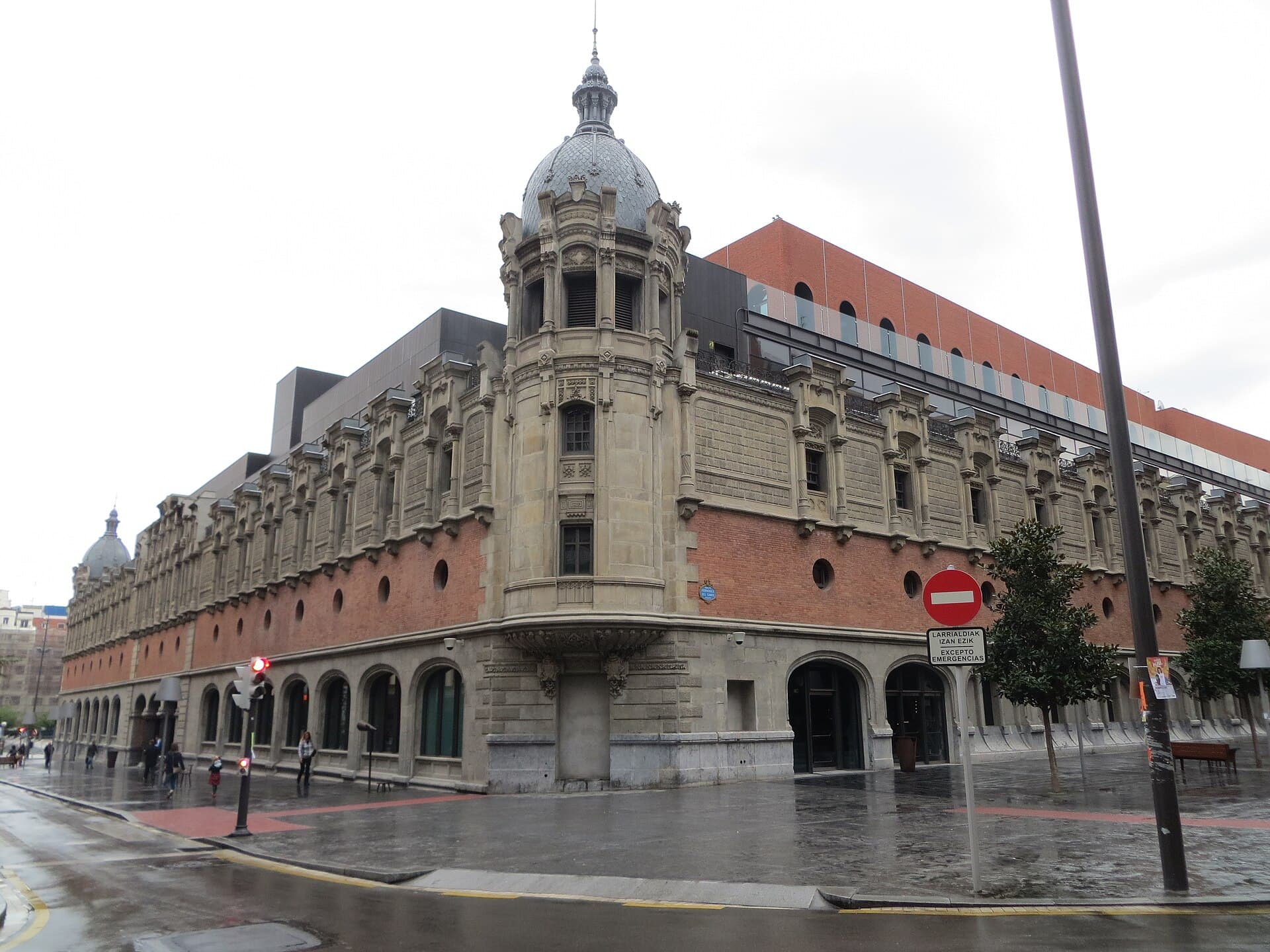 Azkuna Zentroa (Alhóndiga)The Alhóndiga was the city's wine warehouse (1909) — until Philippe Starck turne7 minutes walk4.4
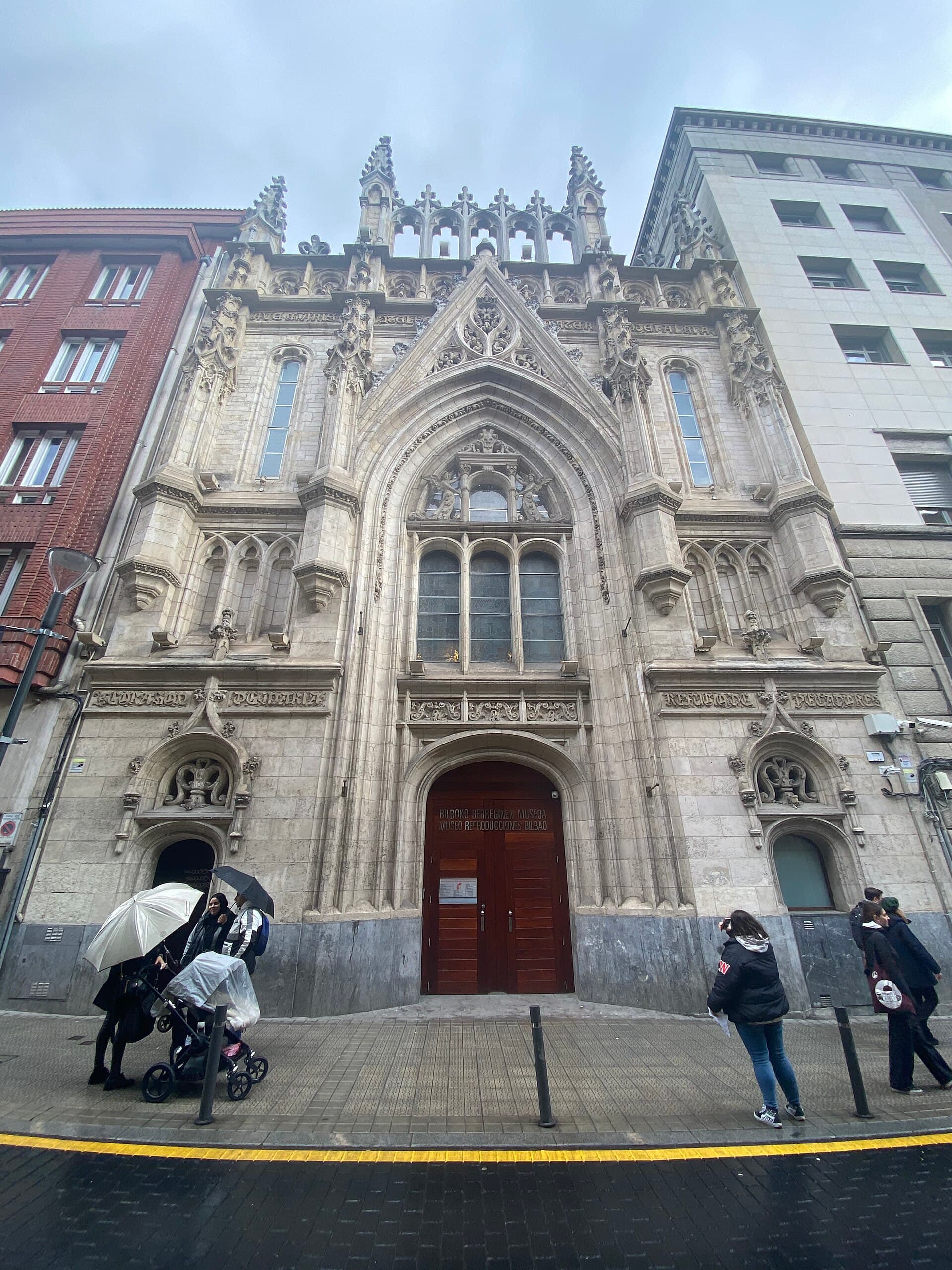 Museum of Reproductions, BilbaoA museum of plaster casts of famous classical sculpture, in a former church in B9 minutes walk4.3
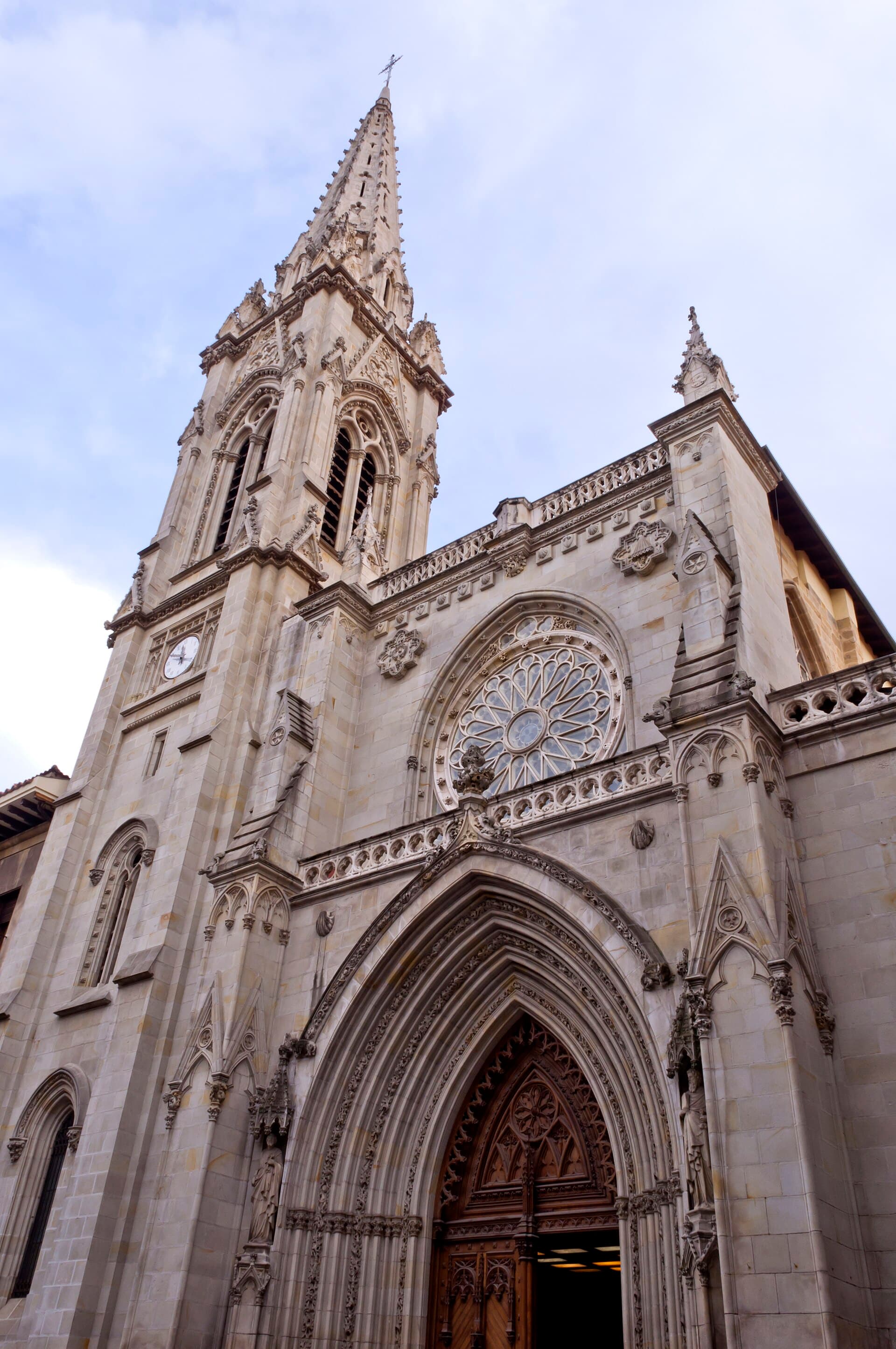 Santiago CathedralSantiago Cathedral is the heart of the Seven Streets — first Bilbao: fourteenth-14 minutes walk4.4
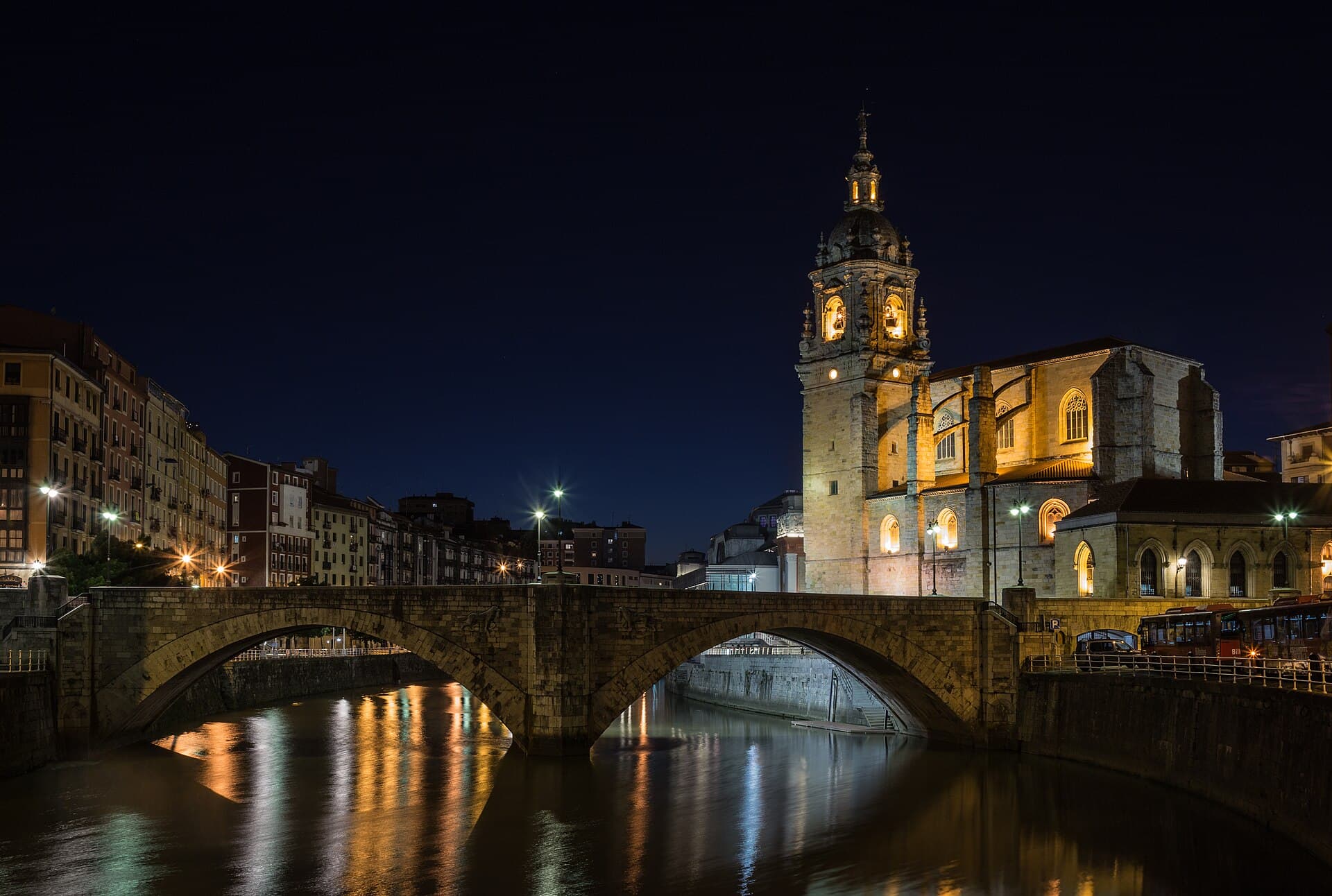 Church of San AntónA church on the bank of the Nervión at the edge of the old town, and among the o14 minutes walk4.5
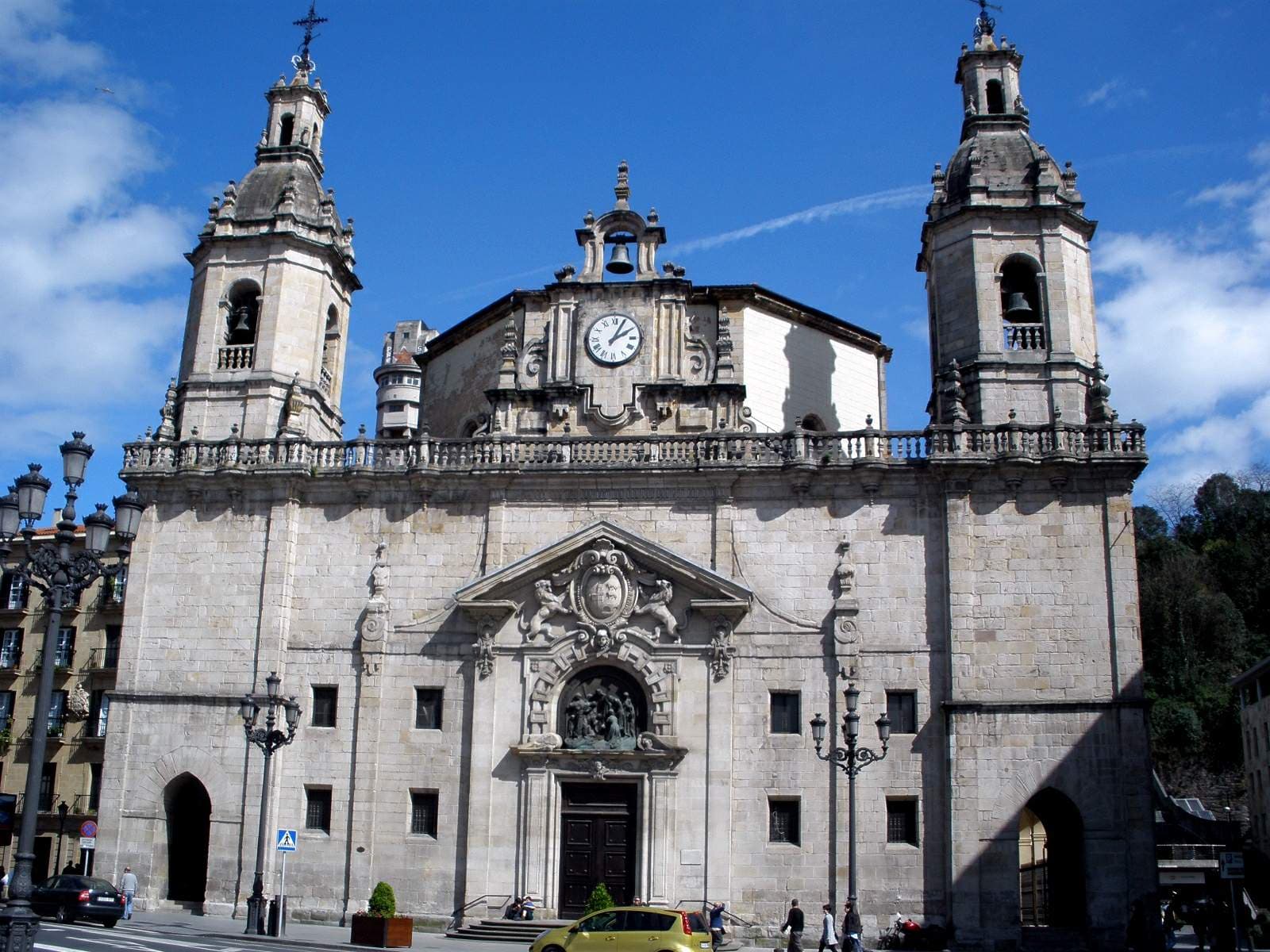 Church of San Nicolás de BariA Baroque church at the northern entrance to Bilbao's old town, directly facing 16 minutes walk4.4
No. The arena is used in a very limited season, and the ordinary visit is to the museum and the building rather than to an event. If you reject the practice itself, visiting remains your choice; this page describes it as a cultural fact rather than promoting it.
Weekday mornings. The hours are unusual: closed Saturdays, Sundays and holidays, shorter in winter, and some days have no afternoon session. Check the times before going, because a wasted trip is easy here.