
The escape stories
Tunnels, a balloon, modified cars — they explain what people actually risked.
Wojciech Kryński — CC BY-SA 3.0 pl · Timothy A. Gonsalves — CC BY-SA 4.0 · J.L. Gerome (1824 - 1904) (French) Details on Google Art Project — Public domain · Acabashi — CC BY-SA 4.0
A museum at the eastern end of the East Side Gallery, the longest surviving stretch of the Berlin Wall, telling the Wall's story from its building to its fall. The presentation rests on video and sound more than on holdings: a sequence of rooms with recorded testimony, archive footage and documents, ordered chronologically from 1961 to 1989 and after. Its strongest material is the escape stories: tunnels dug under the border strip, a balloon built at home, cars modified to conceal a person. These are not curiosities but an explanation of what people were prepared to risk, which no wall panel conveys. Its location is excellent because it adjoins the Wall itself: you step out of the door and stand in front of the painted concrete, a logical sequence — read the story, then see the thing. You should know the ticket is expensive, the content is dense video demanding time and attention, and the East Side Gallery outside is entirely free.
Tunnels, a balloon, modified cars — they explain what people actually risked.
You read the story, then step out in front of the concrete itself.
Voices of people who lived the division — stronger than any panel.
At the East Side Gallery on the bank of the Spree
 East Side GalleryThe East Side Gallery is the longest surviving stretch of the Berlin Wall, about1 minute walk4.7
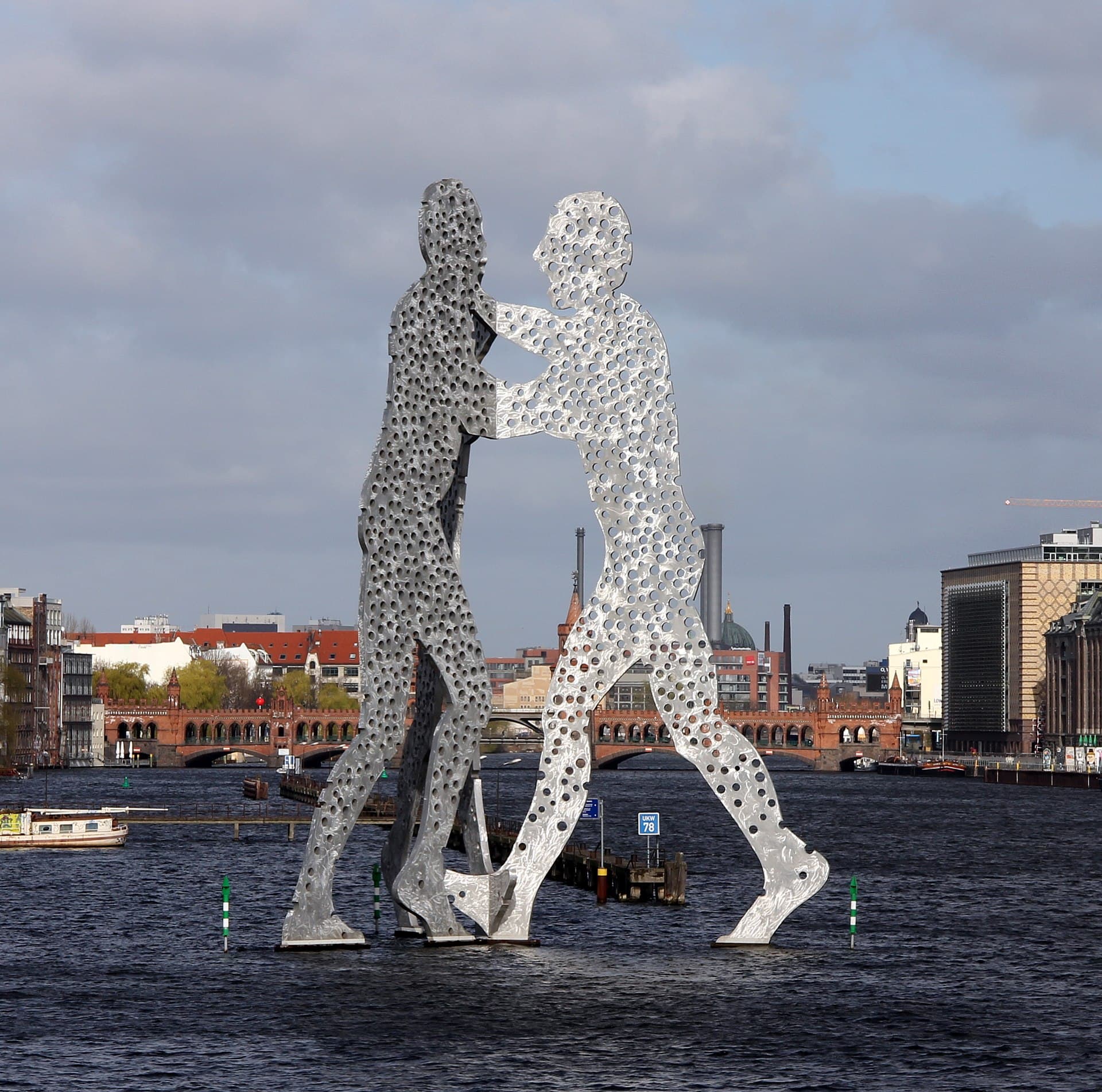 Molecule ManMolecule Man is a thirty-metre aluminium sculpture standing directly in the midd14 minutes walk4.6
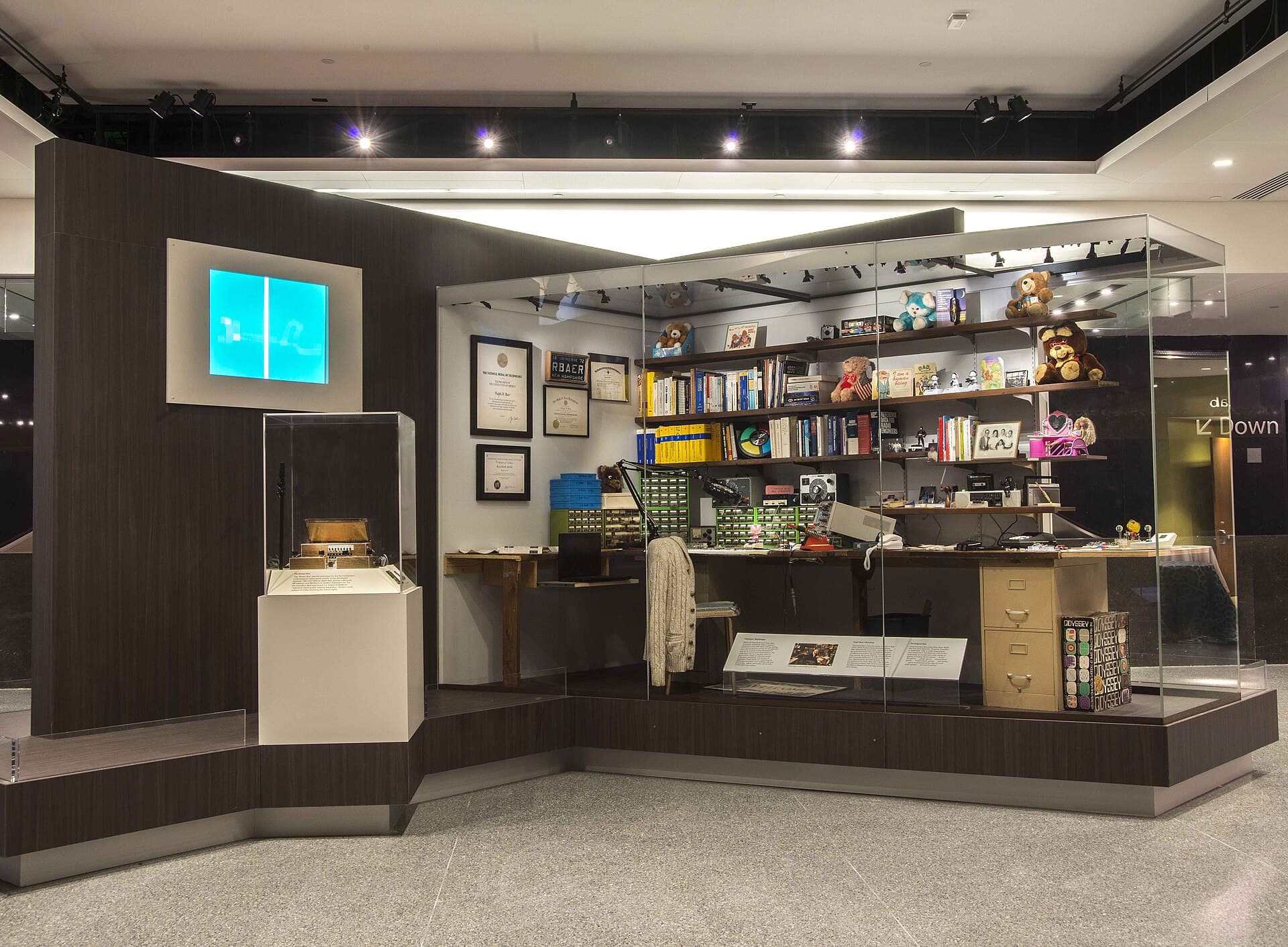 ComputerspielemuseumBerlin's Computer Games Museum was among the first in the world to treat video g21 minutes walk4.6
With one choice, Bernauer Strasse is better and it is free: there a border strip is preserved with all its layers, plus a watchtower and a documentation centre, and you see the Wall's structure rather than only its image. This museum adds testimony and escape stories in one covered place, useful in bad weather or if you are at the East Side Gallery anyway.
No. It is an open-air wall on the bank of the Spree, about a kilometre long and painted with artworks from 1990; walking alongside it is free and always open. The museum is a separate building next to it.