
The arcade floor
Working classic coin-op cabinets.
The Smithsonian Institute — Public domain · Benlisquare — CC BY-SA 4.0 · Benlisquare — CC BY-SA 4.0 · Benlisquare — CC BY-SA 4.0
Berlin's Computer Games Museum was among the first in the world to treat video games as a serious cultural subject rather than passing entertainment — first opened in 1997 and reopened at its current site in 2011. The exhibition covers six decades of gaming history, from university laboratory machines in the 1960s to virtual reality. Its essential feature is that more than three hundred machines are actually playable: classic arcade cabinets and home consoles from every generation, which you sit down and play rather than view behind glass. That makes the visit an experience rather than a display, which explains its popularity with families and adults alike. Its most valuable object is Nimrod — a reconstruction of a 1951 British computer built to play the game of Nim, counted among the earliest computing machines made specifically for play. The museum sits on Karl-Marx-Allee, the vast Stalinist boulevard of former East Berlin, and the street itself rewards a walk.
Working classic coin-op cabinets.
The vast Stalinist boulevard outside.
Karl-Marx-Allee 93a, 10243 Berlin
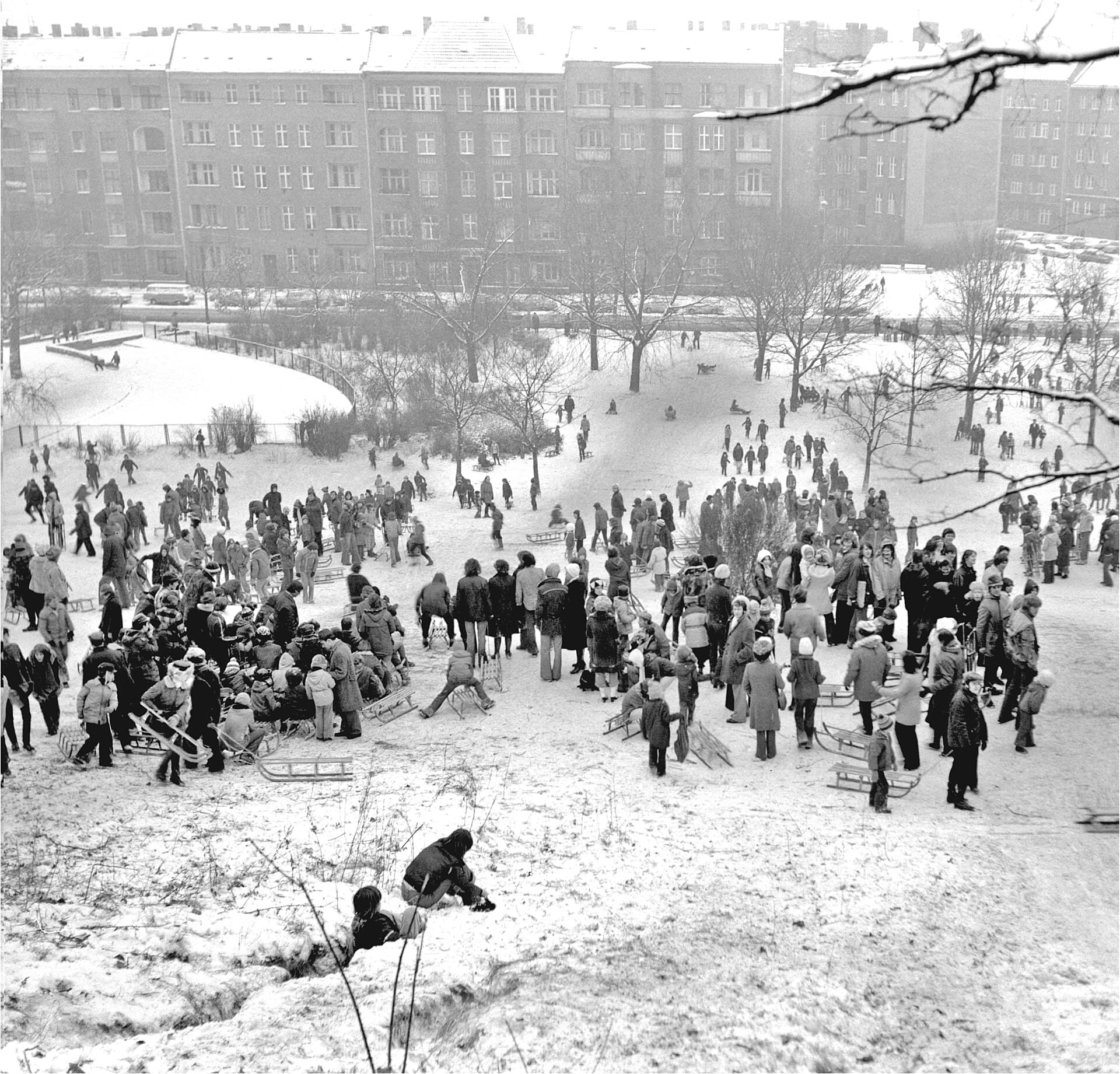 Volkspark FriedrichshainVolkspark Friedrichshain is Berlin's oldest public park, opened in 1848 at a tel15 minutes walk4.5
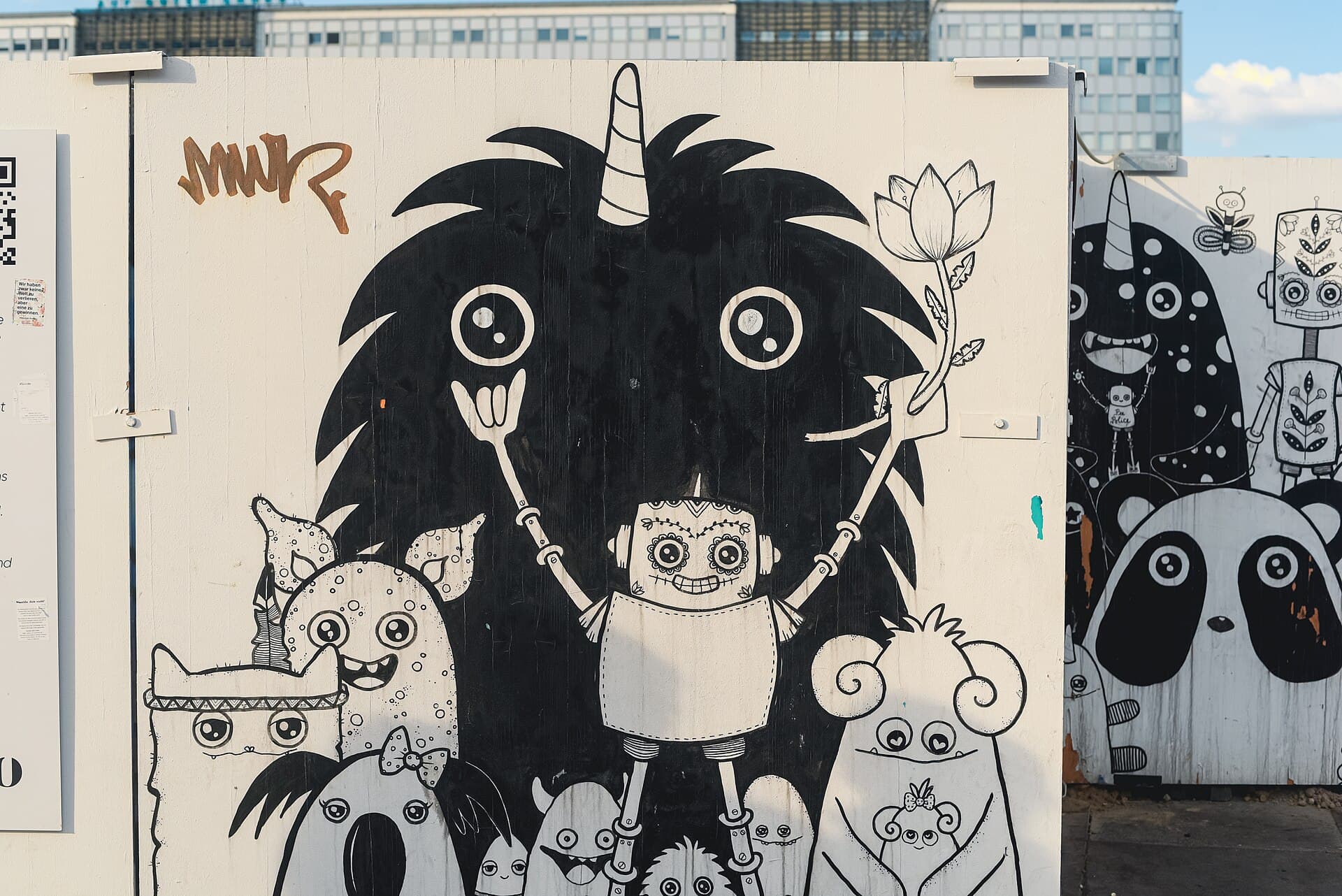
 East Side GalleryThe East Side Gallery is the longest surviving stretch of the Berlin Wall, about20 minutes walk4.7
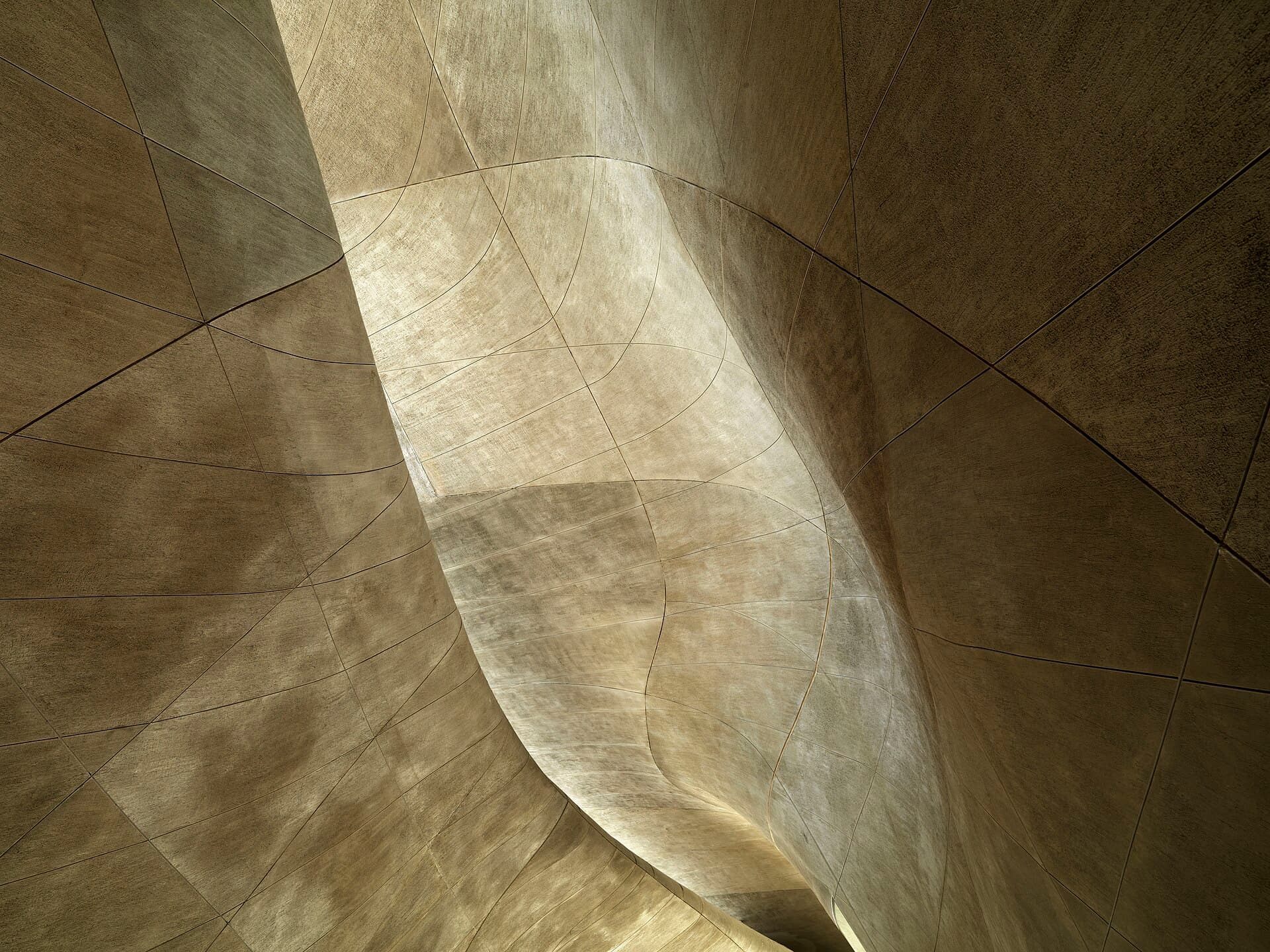 The Wall MuseumA museum at the eastern end of the East Side Gallery, the longest surviving stre21 minutes walk4.3
 AlexanderplatzAlexanderplatz is a wide square in the eastern part of central Berlin, which Ber25 minutes walk4.2
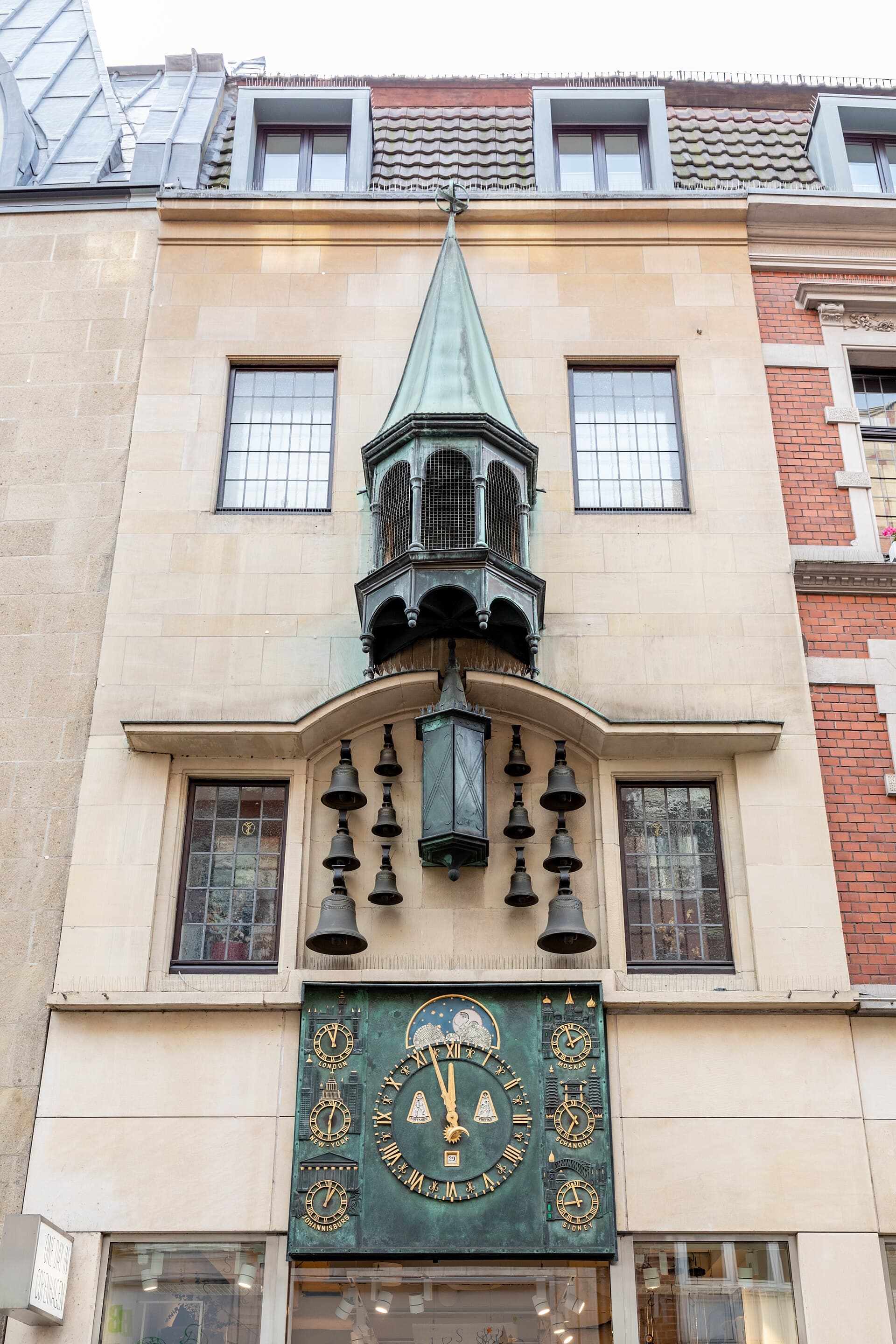 The World ClockThe World Clock on Alexanderplatz is a rotating metal cylinder topped by a simpl25 minutes walk4.5
Reasonably well, because the exhibition is built as technical and social history: how home computing developed, how games became an industry larger than cinema, and how their development diverged between the West and Japan. The playing is optional — you can go through as an ordinary museum visitor. But anyone who lived through any generation of these machines will enjoy it far more.